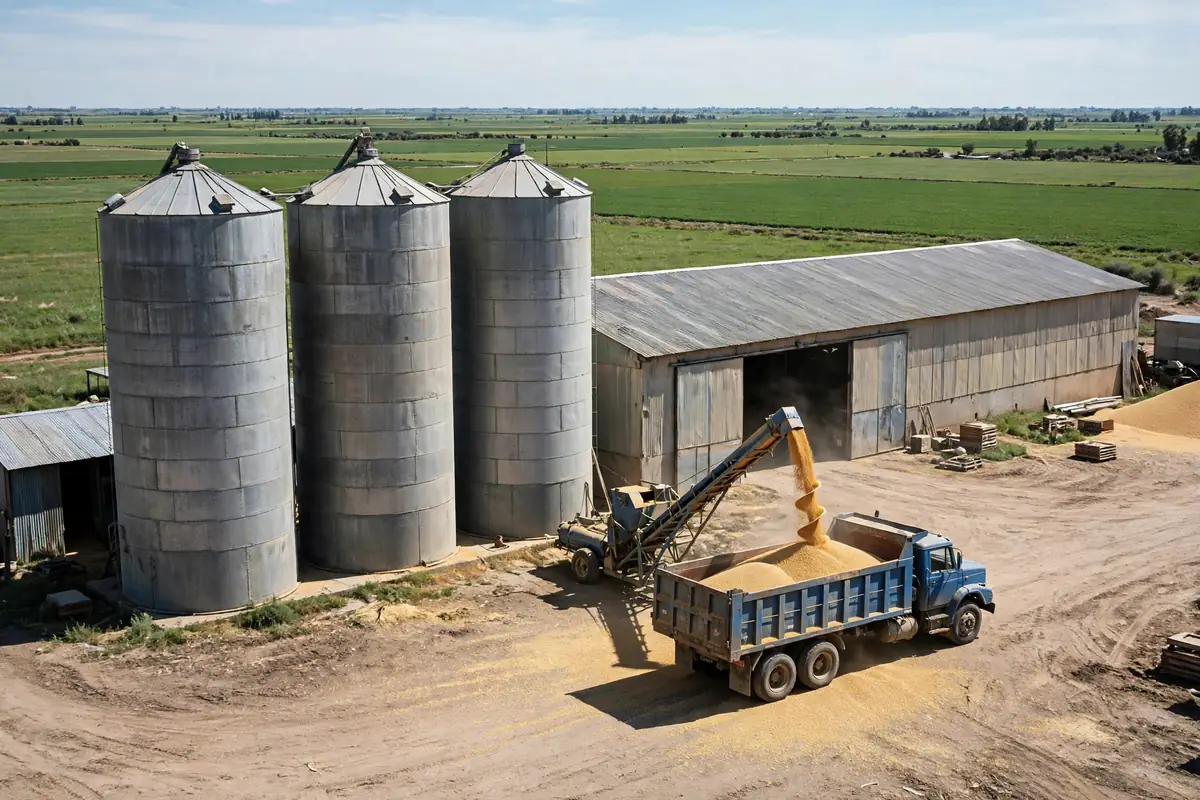
Let me tell you straight: Bolivia soybean export warehouse work is hard because Bolivia is landlocked. The beans grow on the plains around Santa Cruz, far from any sea. To get out, they travel by road and river to ports in neighboring countries. If the warehouse fails at any step along the way, the beans mold, spoil, and lose value, and all the work of growing and harvesting them goes to waste.
After all these years on the road, I have seen too many shippers do the math in the wrong place. Some haggle over every cent of freight while letting beans sit and sweat in the warehouse. On the Bolivia route, warehousing is not a supporting act. It is the thing that decides whether the export works at all.
Here is the picture. In 2024, Bolivia exported 202,391 tonnes of soybeans worth 81.11 million dollars. The main destinations were Peru at 43.81 million dollars, Argentina at 20.32 million, and Angola at 15.30 million. In the same year, crude soybean oil exports reached 253 million dollars on 296,995 tonnes, worth more than the raw beans themselves. On the supply side, USDA figures put the 2024/25 crop at about 3.7 million tonnes from 1.875 million hectares, a yield of about 1.97 tonnes per hectare, and the Santa Cruz region produces about three quarters of Bolivia's grain. The trouble sits in the middle: how the beans are received, stored, and moved before they reach the sea.
Receiving in the Producing Region: The Bill Starts the Moment Beans Enter the Warehouse
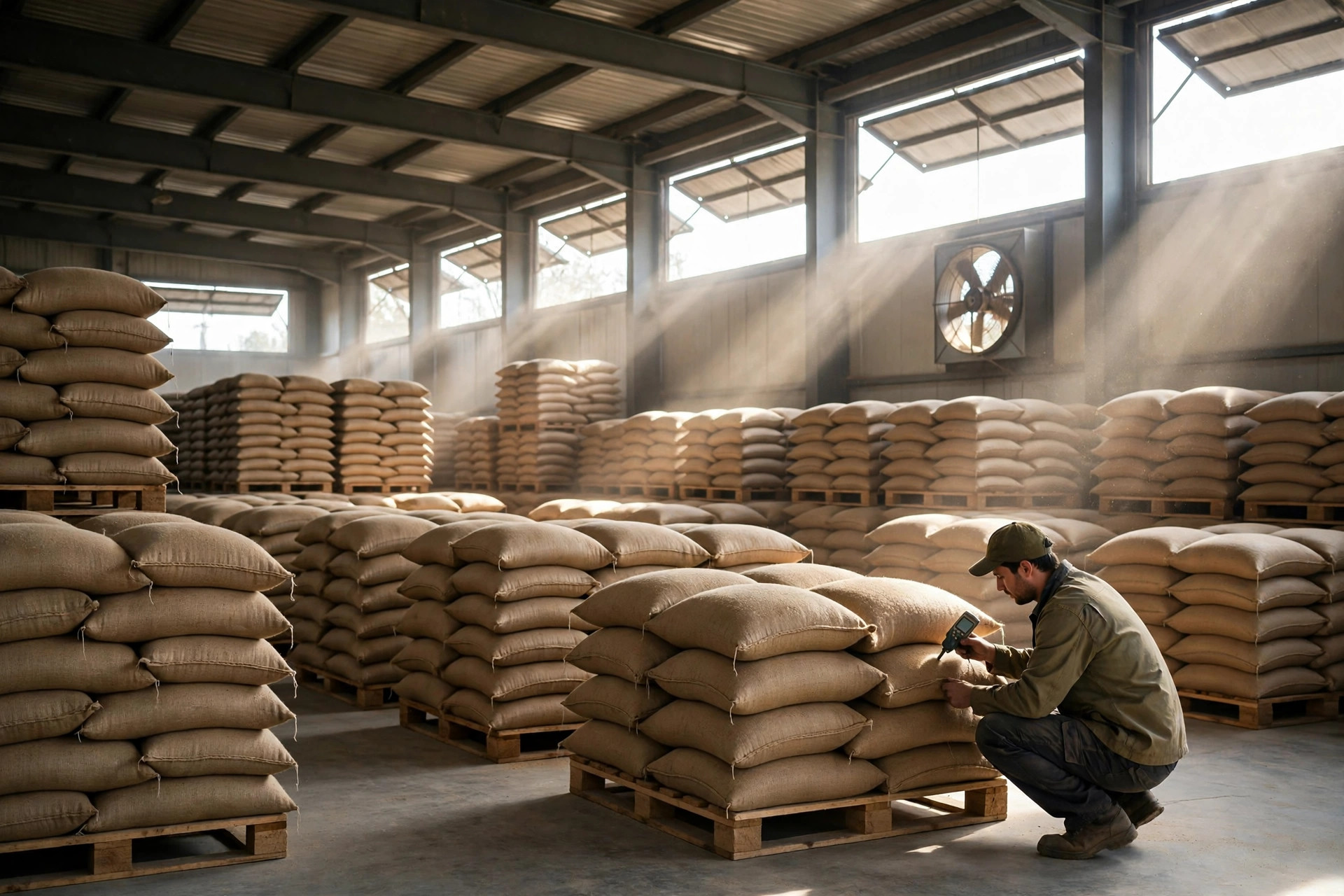
Let me tell you, receiving is the step people underestimate most. When harvest comes in Santa Cruz, truck lines queue up at the warehouse, and it all looks busy and cheerful. But that is exactly when things go wrong. Freshly harvested beans carry field heat and moisture. Dump them straight into a tall, tight pile, and the heat trapped inside can ruin a whole warehouse of good beans in days.
I saw it once on the road, an illustrative scenario: a receiving point rushed the intake, skipped a careful moisture check, and mixed a few loads of wet beans into a pile of dry ones. Nothing showed for two days. On the third day the pile started heating up, and when they opened it, part of it had already caked and changed color. That lot had to be sold at a discount, and the owner was furious with himself. The numbers in that story are illustrative, but the lesson is real: one wet truck can drag down a whole warehouse of good beans.
So the receiving rules have to be strict. Check moisture and impurities before the beans go in, and keep rejected loads separate instead of mixing them in to save trouble. Silos suit long storage and staged dispatch, as long as ventilation and temperature checks keep up. Flat stores turn over fast and handle the harvest peak, but stacking height and airflow need room to breathe. When the temperature in the warehouse starts moving, act right away. Wait until mold shows, and it is already too late.
A receiving point should sit close to the fields, but closeness is not everything: if the road turns bad in the rainy season and trucks cannot get in, beans pile up in the open and get rained on. Choose the site by the road first, the warehouse second, and the rent last.
The Moisture Bill in Bolivia Soybean Export Warehouse Operations: Bulk Beans Hate Being Stifled
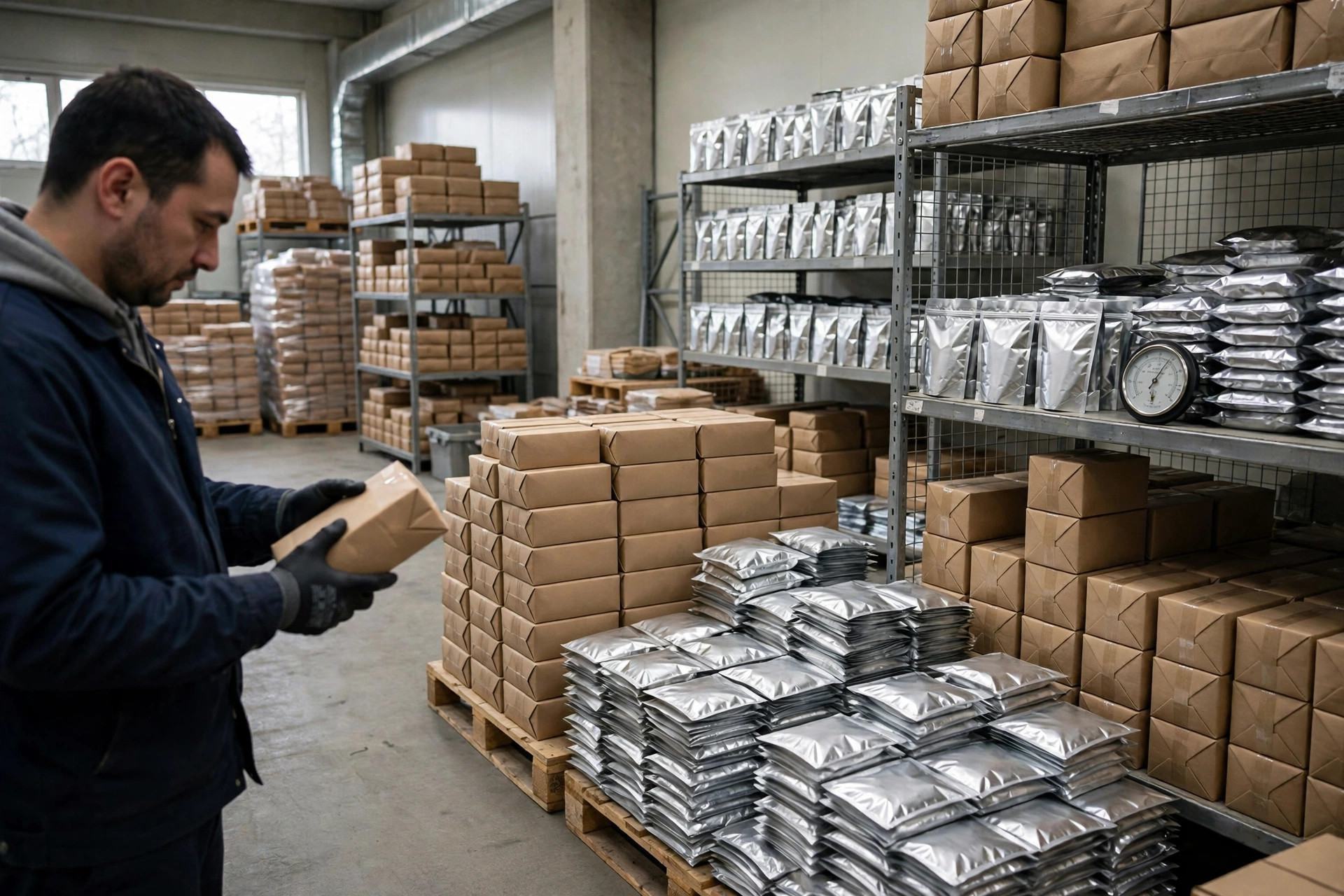
The moisture bill in Bolivia soybean export warehouse work has three parts: what you spend preventing damp, what you lose to mold, and what you lose selling downgraded beans. Most shippers only see the first part. They think moisture control equipment is expensive and ventilation wastes power, so they skip it. Then the mold bill arrives, and they learn the money they saved was pocket change.
Bulk soybeans hate being stifled. When the temperature inside a pile climbs, moisture moves upward, and mold follows. Around Santa Cruz the climate can turn quickly, the rainy season brings high humidity, and condensation dripping from the roof lands right on the bean pile and molds it patch by patch. An old warehouse keeper once told me there is no magic trick here, just a few small jobs done every day: the roof must not leak, the floor must not draw damp, the vents must stay clear, and the temperature must be checked daily.
Here is a counterintuitive call: a fuller warehouse does not mean more profit. Pack it too full and air cannot move, so the middle of the pile spoils first. Leave room for airflow and for turning the stock, and the warehouse looks less full, yet the whole lot keeps its quality and sells for more. After all these years on the road, I trust one rule: in warehousing, protecting the goods matters more than filling the building.
The figures below are an illustrative example, meant to show the thinking, not real data:
| Approach | What it costs | Where the risk sits |
|---|---|---|
| Dry beans in, daily temperature checks and ventilation | Labor and power | Takes effort, and hands are short at peak season |
| Wet beans mixed in to save time | Saves inspection and turning costs now | One bad load can spoil the pile and force a discount sale |
| Ignore roof and floor, just keep stacking | Saves repair money | Rainy-season condensation and damp mold the beans directly |
| Leave airflow space and control stacking height | Slightly lower warehouse utilization | Looks like less storage, but quality and price are protected |
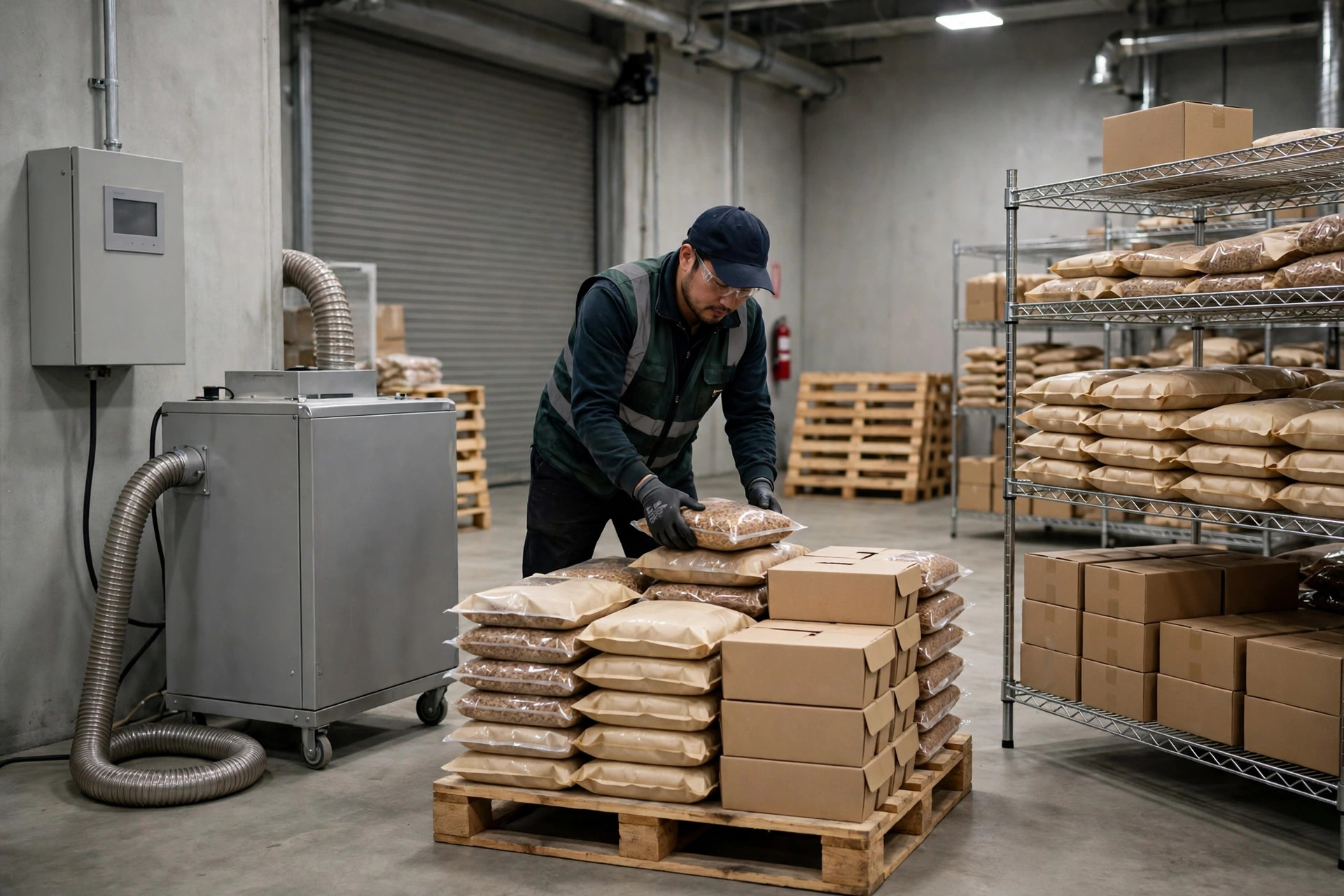
Moisture control is not about buying the most expensive equipment. It is about putting inspection, ventilation, temperature checks, and stock turning into the daily routine.
The Cross-Border Leg: Road Plus River, and a Missed Handoff Is a Warehouse Problem
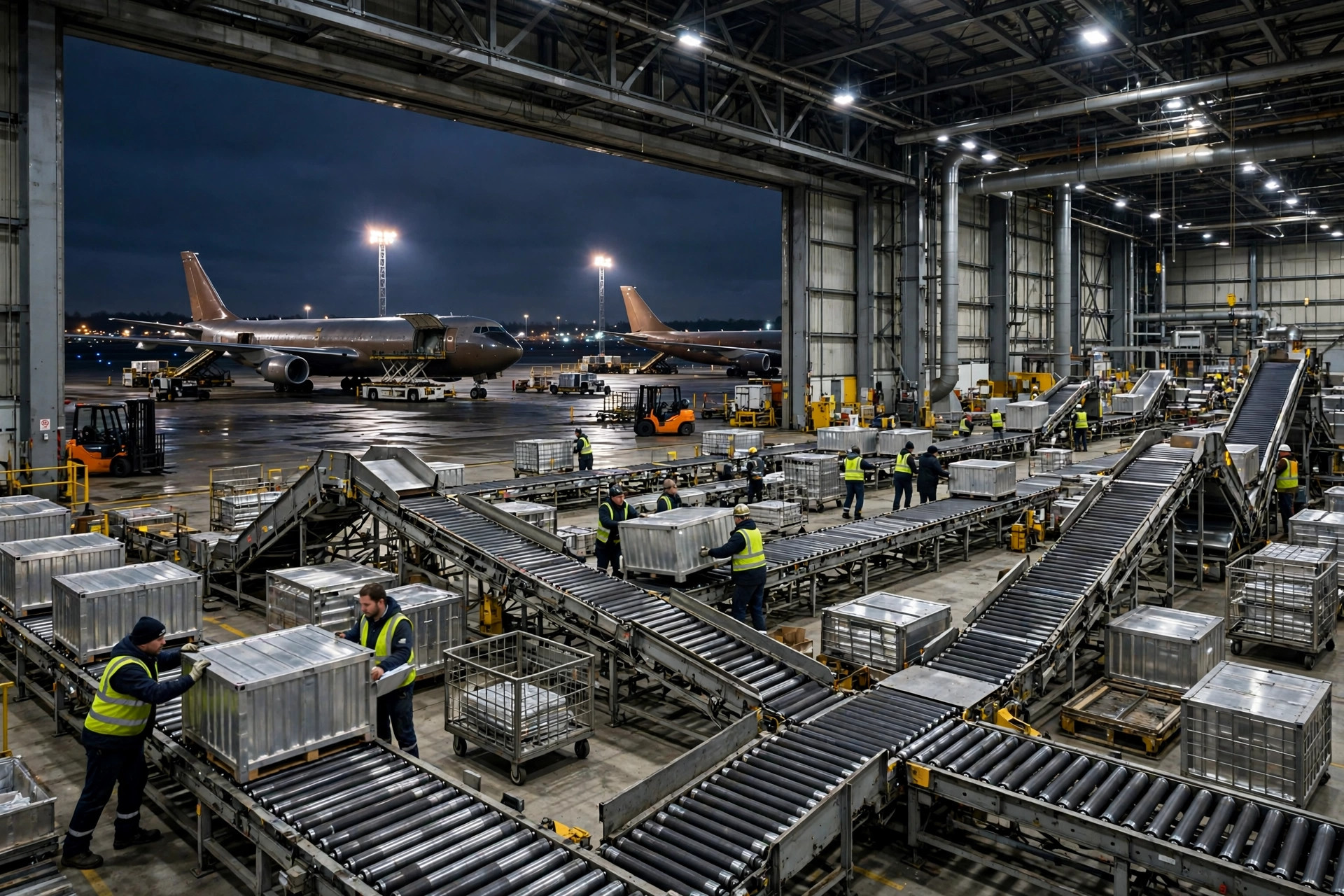
Bolivia is landlocked, so soybeans mainly leave by road and inland waterway to ports in Peru, Argentina, Paraguay, Chile, and other neighboring countries before loading onto ocean vessels. This leg tests how well warehousing and transport work together. Let me tell you, when trucks arrive at the warehouse gate and the cargo is not ready, drivers can only wait. When the vessel schedule, the truck fleet, and the warehouse dispatch plan do not line up, the warehouse becomes the bottleneck.
Take an illustrative scenario: suppose a bean shipment is headed by road to a neighboring country's port. The warehouse dispatches on its old rhythm, two loading shifts a day, while the truck fleet arrives on a four-shift rhythm. A long queue forms at the gate, yet dispatch speed never catches up. The numbers are illustrative, but the point is real: dispatch capacity has to follow the rhythm of arriving trucks, not the rhythm the warehouse finds comfortable.
There is another feature of this route: soybean oil and raw beans have to move separately. As I said, crude soybean oil exports were worth 253 million dollars, more than raw beans. Oil moves in tanks and drums on its own loading line, and it is a different job from bulk beans. Run them apart, each on its own line, and the accounts stay clean.
For the handoff, I give shippers three plain methods. First, plan dispatch against the truck and port schedule in advance, and do not wait for trucks to arrive before scheduling shifts. Second, keep a buffer yard at the warehouse gate, so early trucks have somewhere to wait and turn around instead of blocking the road. Third, prepare documents and inspections early, so a check done at intake does not have to be repeated at export, and one piece of paper never holds up a whole truck.
How to Build and Run a Bolivia Soybean Export Warehouse on This Route
After all that, it comes down to three lines: receive strictly, store steadily, and move smoothly.
Receive strictly, and do not let the intake check slide. Store steadily, with moisture control, ventilation, and temperature checks handled by someone every day, and accept a less-than-full warehouse rather than letting beans go moldy. Move smoothly, with dispatch planned around trucks and ports, and oil and beans flowing on separate lines, so the handoff never drags the whole route down.
Let me leave you with an old saying: beans do not fear a long road, they fear being mistreated in the warehouse. Once beans mold in storage, nobody can save them.
If you are thinking about this route, do not ask about freight first. Walk through the warehouse: look at the temperature records, look at the vents, look at whether trucks at the gate move smoothly. If those three look right, you have already got most of the Bolivia soybean export warehouse bill figured out.
By Shifu Zhao, Trucking Veteran (15 yrs)