Bogota urban warehouse distribution comes down to one question, and I will put it up front: how many real delivery trips can your truck actually complete in a day? If you cannot answer that, do not start by comparing warehouse rents. Cheap rent means nothing if the truck cannot move, and a pricier micro-warehouse can be cheaper once trucks run reliably. I have seen too many operators bring a flat-city playbook into Bogota and watch altitude, traffic and driving restrictions eat the whole plan alive.
Let me be blunt: Bogota is not a city where scale wins. It is a city where time wins.
The trap I watched: one big truck, one and a half trips a day
In the second half of 2023, I helped an auto-parts distributor north of Bogota. His logic sounded reasonable: rent a large suburban warehouse, load one big truck with more than forty orders, and clear the city in a single run. After the first week, the driver left at seven in the morning, returned after eight at night, and had completed only about one and a half effective trips.
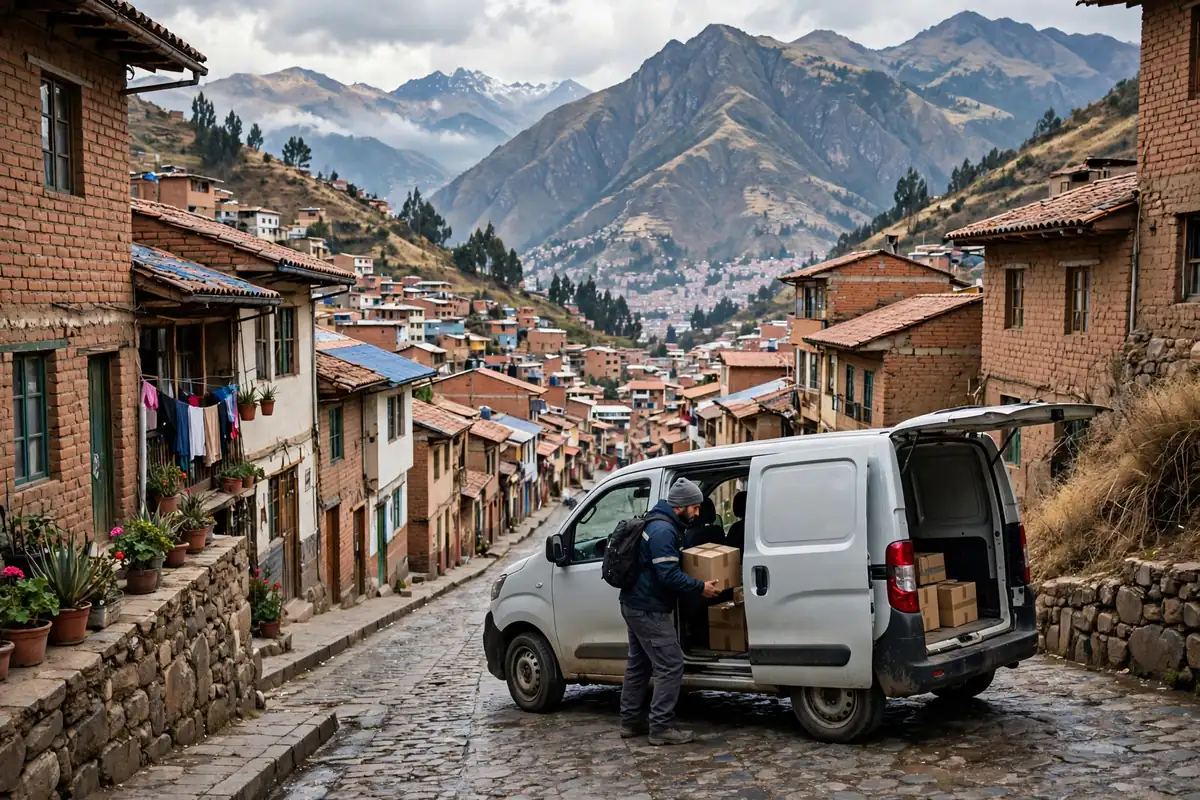
There are two sides to this story. On one side is the road: heavy peaks, main roads jammed for an hour or two, and delivery points in older districts with narrow streets and almost nowhere to park. Finding a space, unloading, and getting out can swallow half a day. On the other side is the driving restriction system: Bogota restricts vehicle access on certain days and hours, and exact plates and windows must be checked against the latest local policy, so I will not quote specifics here. Practically, the schedule must be built around restriction windows first, then orders. That distributor's big truck carried a lot, ran rarely, and kept colliding with restricted hours, so his cost per delivered order ran far above budget.
Then there is altitude. Bogota sits at about 2,600 meters above sea level. People feel it after a short brisk walk, and trucks feel it too: power drops, a heavy load climbs harder, and drivers tire faster over a full day. A truck and a load that could manage three trips in a flat city might manage two good trips in Bogota, and two is already a well-scheduled day. If you still plan routes and promise delivery times using flat-city trip counts, you will miss promises again and again.
Driver scheduling needs the same reset: an eight-hour shift in Bogota traffic is not eight hours of driving, and a third trip planned without unloading buffers is usually a trip that will be cancelled.
Bogota urban warehouse distribution math: count hours before you count freight rates
I rebuilt that distributor's numbers with a very simple method, and it still works. Do not start with the freight rate per order. Start with three numbers: first, how many effective delivery hours a truck really has in a day, after congestion, waiting to unload, and restriction gaps are removed; second, the average time per delivery point, including finding parking and waiting for a signature; third, the maximum trips and orders you can honestly promise in a day.
Take his big truck as an example. In theory it could carry more than forty orders. In practice, limited by unloading time and road conditions, it delivered barely more than twenty orders a day, and the rest had to roll over to the next day. Rolled-over freight means a second delivery attempt, customer complaints, and another day of handling labor in the warehouse. Once those hidden costs are added back, the so-called cheap suburban warehouse plus cheap big truck turned out to have the highest total cost per order.
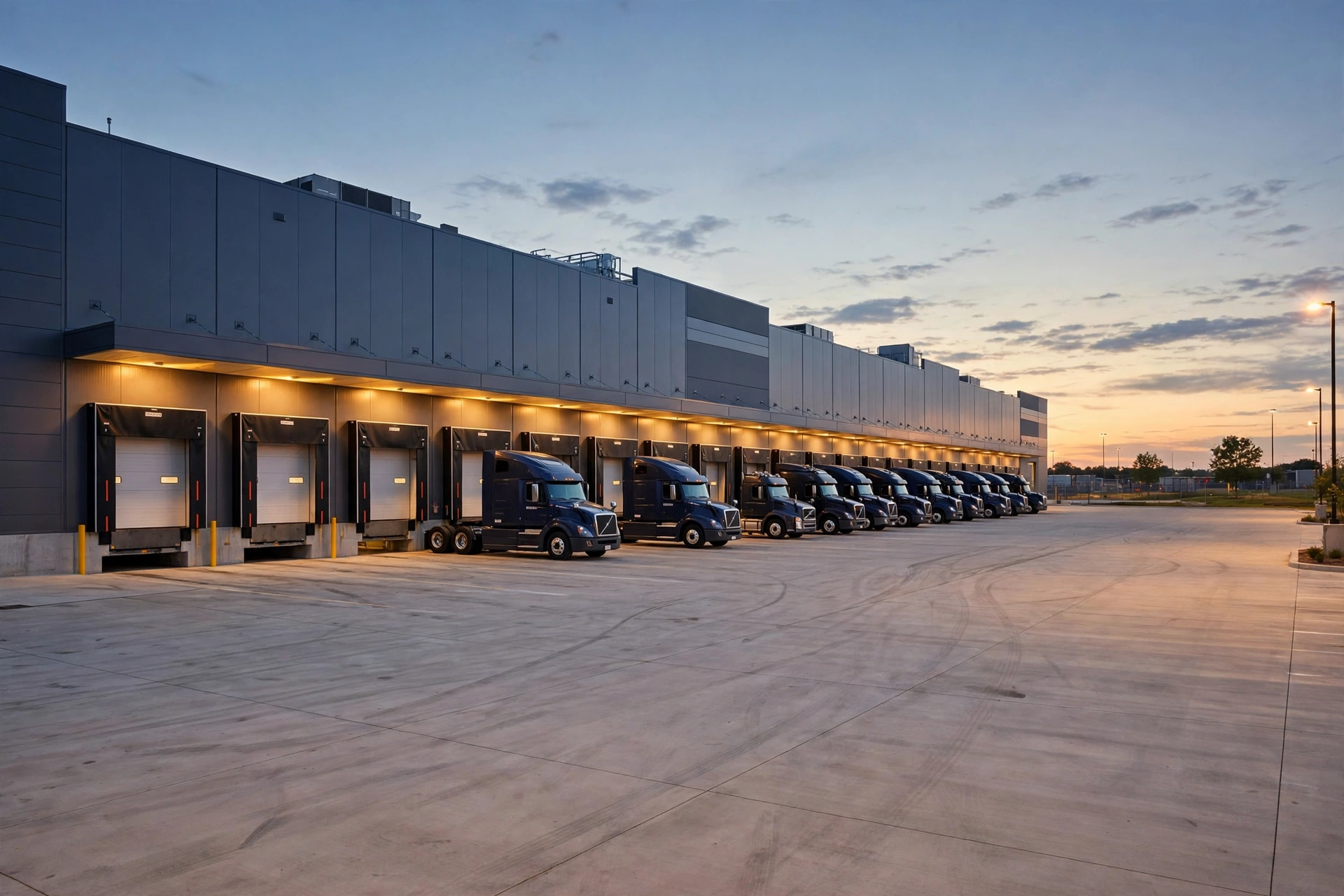
Here is the counterintuitive judgment: in Bogota, a bigger truck carrying more orders in one trip can lose more money. Big trucks are hard to turn, hard to park, and slow to unload in the city center. Whatever trips they save are eaten up by waiting time at delivery points. Smaller and medium trucks, running shorter, separate routes by zone, may make more trips, but each trip is short and on time, and the total cost comes out lower. Scale is not the advantage here. Flexibility is.
Use this plain total-cost formula: cost per delivered order equals warehouse and vehicle costs allocated per order, plus redelivery and complaint-handling labor, plus a risk allowance for late-delivery losses. Most people calculate the first part carefully and treat the rest as zero, so the spreadsheet looks profitable while the month-end review shows holes. In Bogota, those last items are unusually large: one missed promise can trigger a return, a redelivery, and a lost customer, often costing more than the rent saved. Judge a plan by what one on-time order really costs, not by rent per square meter.
Bogota urban warehouse distribution location choice: suburban warehouse or city micro-warehouse
Once the time math is clear, the location choice becomes clearer. A suburban warehouse and a city micro-warehouse are not simply good or bad. They fit different order patterns:
| Option | Advantage | Cost | Best for |
|---|---|---|---|
| Suburban warehouse | Low rent, large space, good for stockholding and bulk break-bulk | Long trip into the city, heavy exposure to congestion and restrictions, hard to promise tight delivery times | Concentrated large customers, bulk deliveries, loose delivery-time requirements |
| City micro-warehouse | Close to customers, short trips, stable delivery times, fast returns handling | High rent, small space, frequent replenishment, more fragmented inventory control | Dispersed orders, many small orders, same-day or next-day promises |
| Suburban warehouse plus micro-warehouse | Main warehouse holds cost down, micro-warehouse holds speed up | Two inventories, one extra transfer, more management complexity | Sellers and distributors whose daily volume has become stable |
Most operations that survive in Bogota end up with the third option: a suburban warehouse holds inventory cost, and one or two micro-warehouses hold only high-frequency, urgent goods. A micro-warehouse does not need to hold everything; it needs to be fast. Product selection matters more than the address: check the last three months for goods that kept triggering urgent orders. Those belong in the micro-warehouse.
Here is a simple decision frame: is daily volume stable in the same zones, are customers paying for speed or leaving over slow delivery, and is the suburban trip already so long that a morning order cannot arrive by afternoon? If two of three are true, price a micro-warehouse seriously. If only one is true, fix the suburban schedule first.
Three practical rules I would use
First, build the schedule around restrictions before you build it around orders. Put the restriction rules on the dispatch wall, remove the windows when the truck cannot run, and only then fill in orders. If you reverse that order, even a full schedule is a wasted schedule.
Second, grade your delivery points. Old districts with no parking should not get big trucks or a guaranteed morning delivery. Put them on their own small-vehicle route with a promise half a day looser. A slower promise kept beats a faster promise broken, and hiding one hard stop inside a large route can delay a dozen later orders.
Third, set replenishment by trips, not by weeks. Do not wait for the weekend to restock a city micro-warehouse. Replenish every evening based on the next day's forecast, in small but frequent quantities. Bogota traffic does not reward one big restock. It rewards never running out.
In the end, it comes back to the opening point: in Bogota, time is the first cost and rent is only the second cost. So if you are thinking about entering Bogota, do not start by asking how much warehouse rent is. Start by asking how many trips your truck can really complete in a day — if that number is unclear, everything after it will lose money.
By Lao Mi, Supply Chain Veteran (20 yrs)