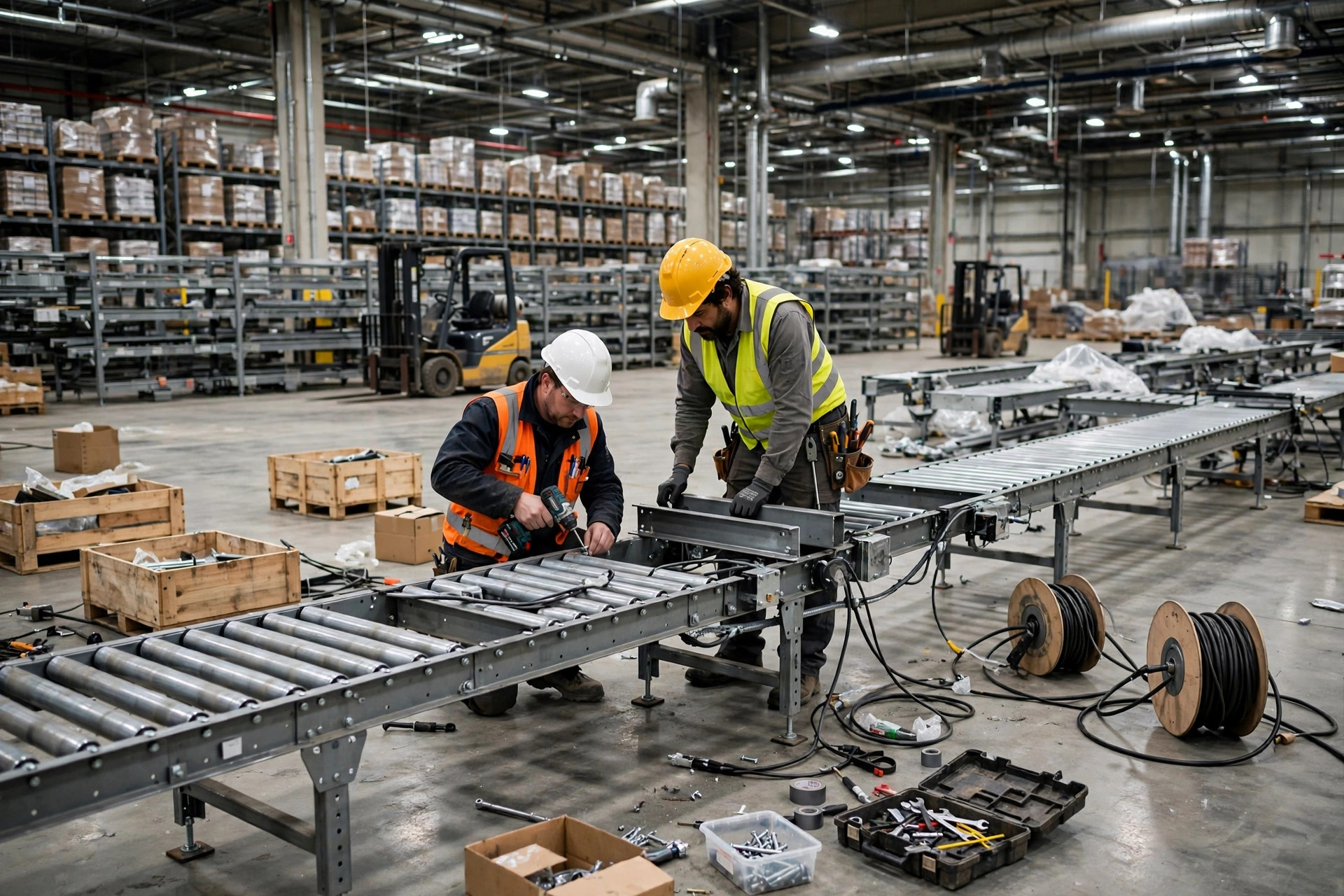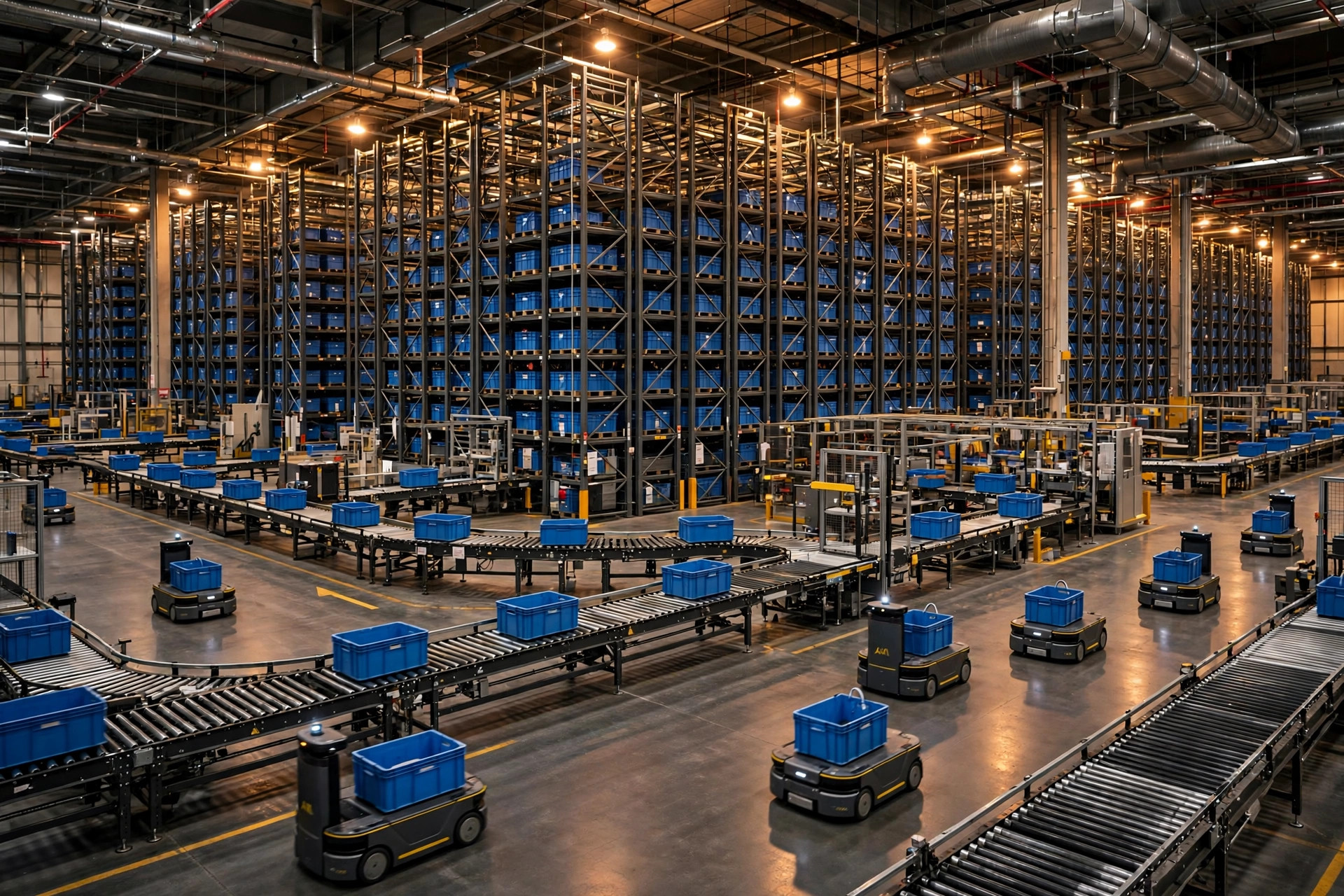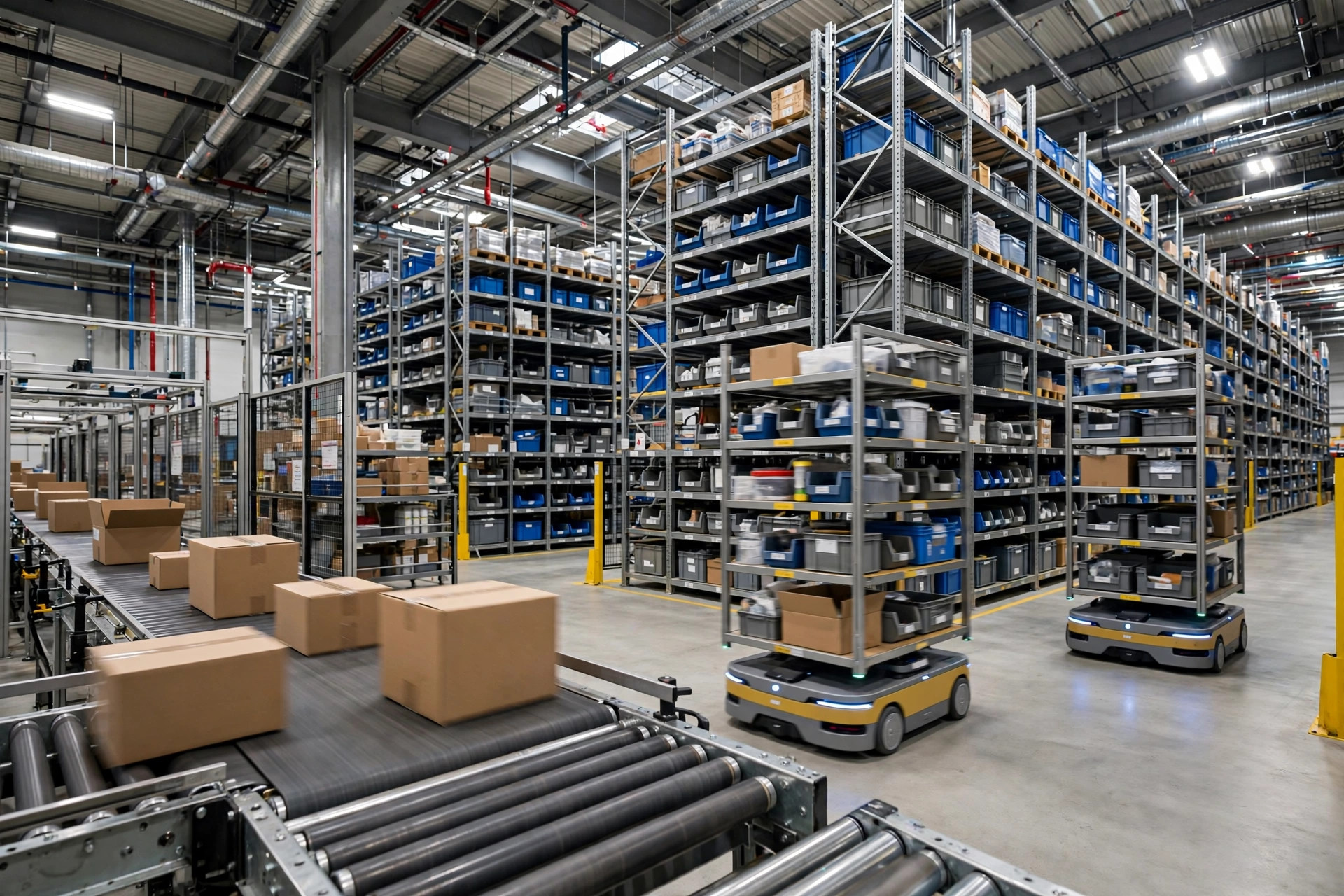
Same sortation line. Company A depreciates it to zero over five years and scraps it. Company B runs it for four years, unbolts it, sells it, and gets back nearly a fifth of what it paid. Put the two ROI tables side by side and they differ by fifteen points — because B's table has one extra line: estimated residual value.
I've spent twenty years in US warehousing — operations, system selection, and my share of expensive mistakes. I've reviewed well over a hundred automation ROI sheets. CapEx, labor savings, maintenance — every line itemized to the decimal point. And not one of them asked what the equipment itself would still be worth in year five. The unspoken assumption is that every machine is worth exactly zero the day it retires. That assumption is wrong, and it's an expensive kind of wrong.
Some Machines Hold Value. Others Are Scrap on Arrival
Here's the rule I use: residual value has nothing to do with what you paid. It has everything to do with how many people would bid on it used.
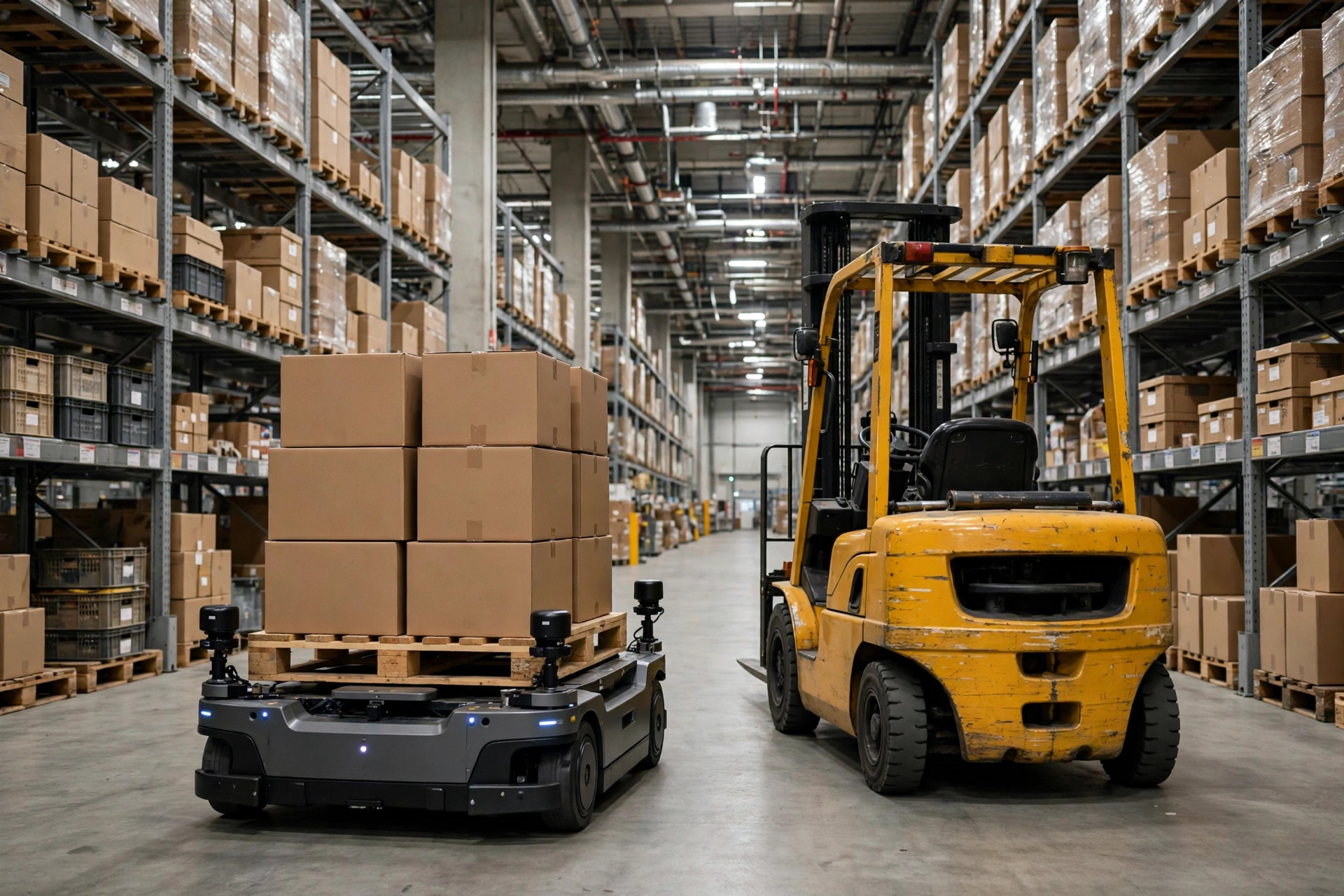
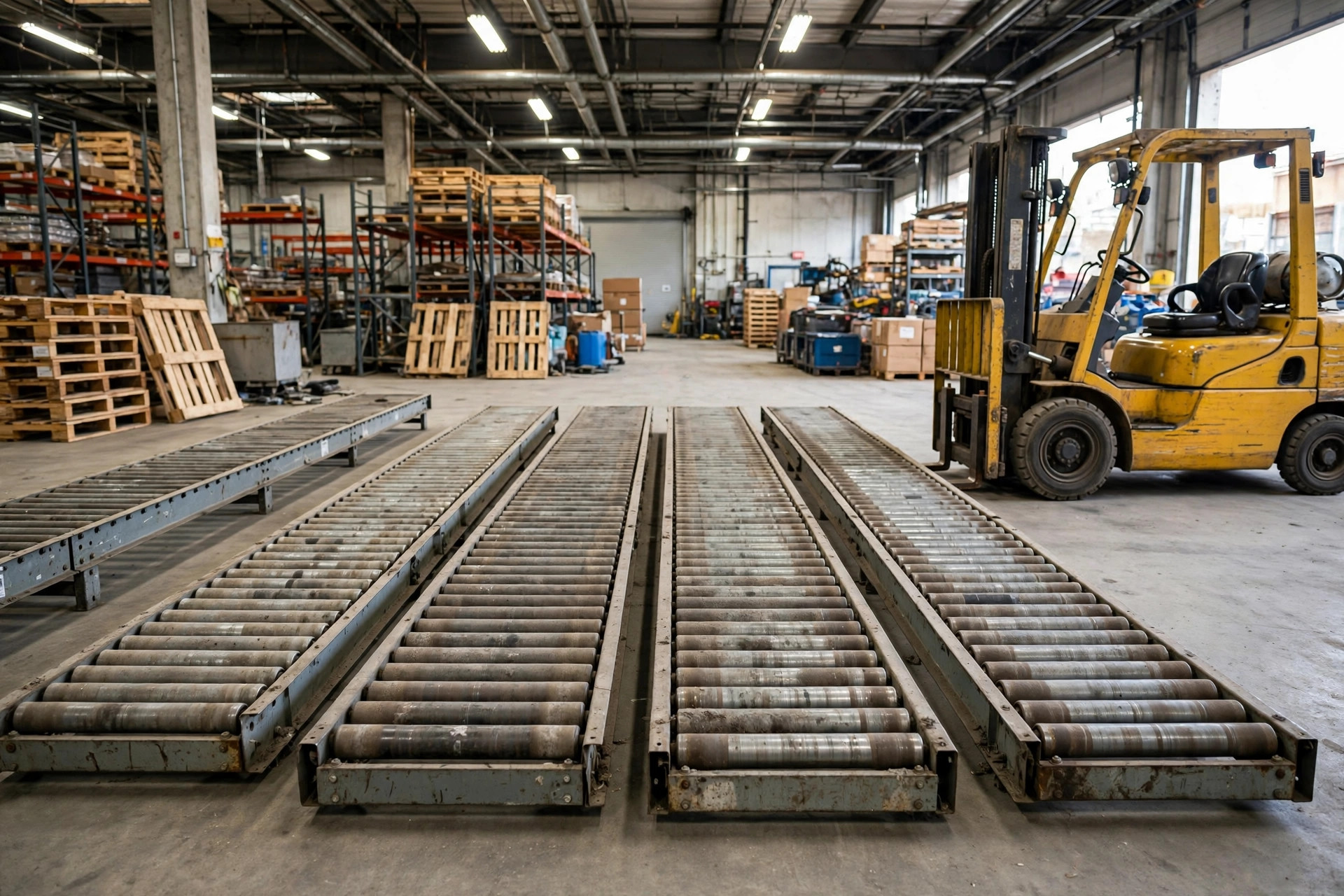
Equipment that holds value shares one trait — it can move next door and keep working. Standard electric forklifts are the classic case. A Toyota 8-series with a big installed base, five years on the clock, a fresh battery pack — there will be a line of buyers. Pallet rack beams, 48 inches deep with universal hole patterns, fit anyone's uprights. Standard belt conveyor sections from mainstream manufacturers: adjustable lengths, off-the-shelf motors, easy to uninstall and resell. Mainstream AMRs, too — large installed base, software still upgradable, and used buyers care about exactly one thing: does it still work.
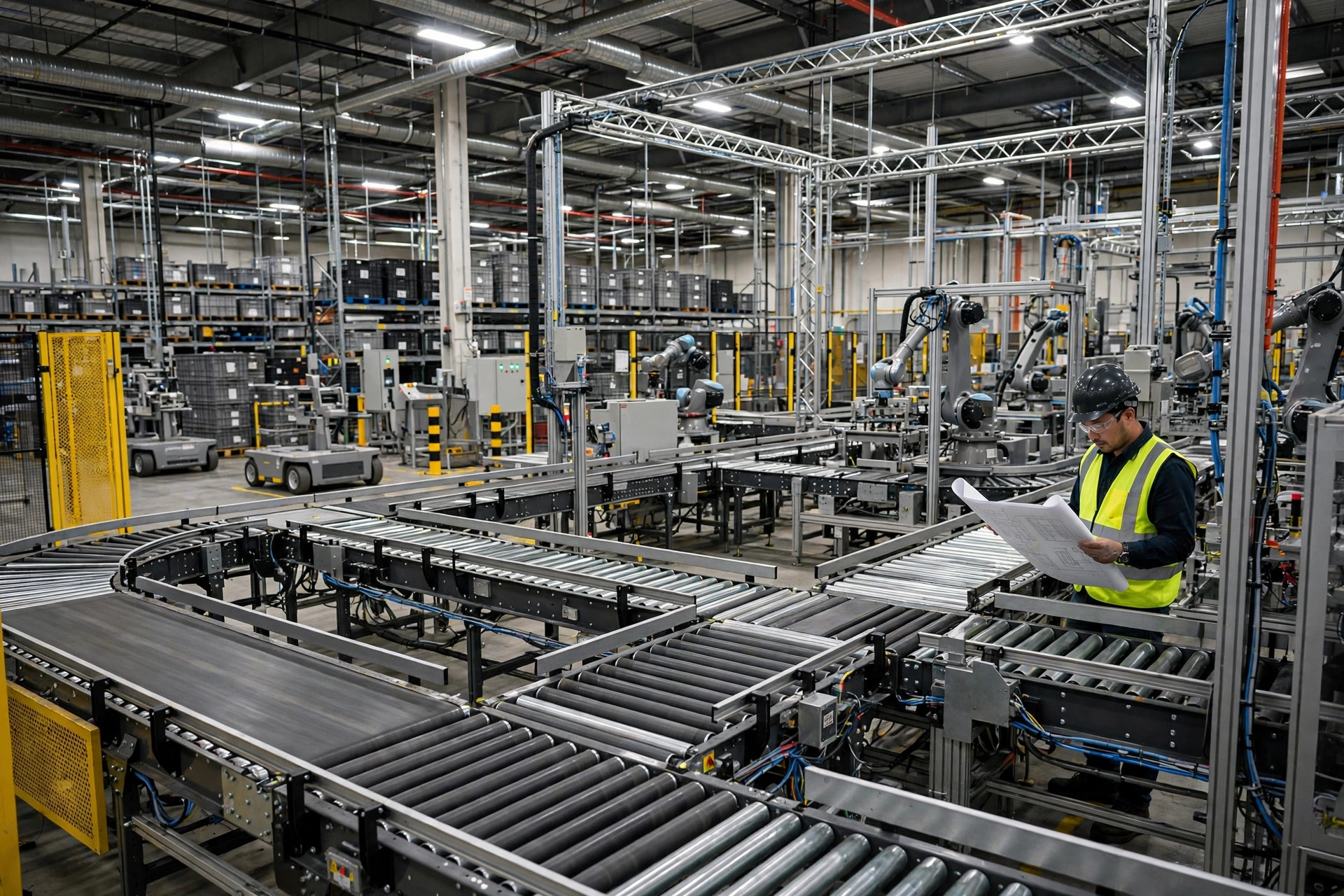
What sells for scrap price is the stuff built around your building. A shuttle-based AS/RS with aisle widths and load specs dialed to your SKUs is useless to the warehouse across town. A custom sortation loop with turn radii and chute counts matched to your order profile fits nobody else's. Anything married to the structure is the worst — a mezzanine bolted to the slab, a conveyor pit poured into the floor. It costs more to remove than it's worth. You'd honestly be better off giving it away.
One-sentence test: can this machine move to the warehouse next door and run as-is? Yes means residual value. No means scrap.
There's a real trade-off here, and I want to be straight about it. In 2023 I helped a 3PL in Ontario, California spec out a building — 80,000 square feet, small items, high SKU count, roughly 20,000 orders a day at peak. They wanted a fully custom tilt-tray sortation system for maximum throughput. I pushed back: build the conveyor backbone from standard modules with standard interfaces, and customize only the chutes. Peak throughput came in a few points below the full-custom design. The payoff: the whole line can be unbolted and resold in four years. The full-custom version would have been scrap metal at the same point.
Buy standard to protect residual value, or go custom for peak efficiency — there is no universal answer. It comes down to how long you'll run the equipment and how fast your order profile changes. My bias: in fast-changing businesses like e-commerce and 3PL, weight residual value higher. If your order profile hasn't changed in a decade, go full custom and don't look back. The mistake is wanting both — maxed-out customization plus a liquid resale market. That deal doesn't exist.
How to Put a Number on It Without Making One Up
The problem with residual value isn't that it can't be estimated. It's that nobody bothers to ask. Three ways to get a number, in order of reliability.
First: ask a used-equipment dealer. Call one, give them the model, year, and operating hours, and ask what they'd pay for it. That's a buyer's bid — naturally conservative, but it's real money someone will actually hand you. Use it as your floor. You can't go wrong with a number someone is willing to wire you.
Second: look at comparable sales. Ask around — what did a peer get for a similar line last year? Check what used forklifts and racking actually hammered for at equipment auctions. For liquid equipment categories, two or three conversations will give you a working range. Wherever you can't pin down a real figure, get an actual quote from the secondary market instead of inventing one. Never fill the cell with a guess and call it analysis.
Third: work backward from depreciation. Take the straight-line book value at year N and treat it as the floor — the real sale will usually beat it, because the secondary market prices "years of useful life left," not your remaining book value. Accountants depreciate; buyers evaluate.
Take the most conservative of the three and put it in the table. That's the whole method. One line, three sources, pick the lowest.
Let's run the numbers. Every figure below is a hypothetical example to demonstrate the math — not market data.
Say a sortation line costs $1 million, depreciated over five years, and saves $300,000 a year in labor. Maintenance aside. Without residual value: $1.5 million in savings over five years, minus the $1 million investment, nets $500,000 — a 50% ROI. Now add the line: assume the line can be sold in year five for $150,000 based on a dealer quote (hypothetical number). Total return becomes $1.65 million, net $650,000, ROI 65%. Same equipment, same investment — one extra line, fifteen points of difference. Tell me that line doesn't belong in the table.
Residual thinking also changes the buy-versus-lease decision, and this is where it gets interesting. A lease payment already bakes in someone's residual-value bet — the lessor can only offer you that low monthly number if they're confident the equipment will still be worth something in year five. So flip it around: if you're buying highly customized equipment with near-zero residual value, leasing may be the better deal, because you've handed the zero-residual risk to the lessor. Simple rule: high-residual standard equipment, buy it and keep the residual yourself. Low-residual custom equipment, run the lease math seriously before you sign a purchase order.
So next time you build an ROI table, don't leave the residual-value row blank. Add it, and note the year, the source of the estimate, and which of the three numbers you used. That one line makes your table more honest than nine out of ten I've reviewed — and honesty in the ROI table is what keeps a project funded when the numbers get questioned in year three.