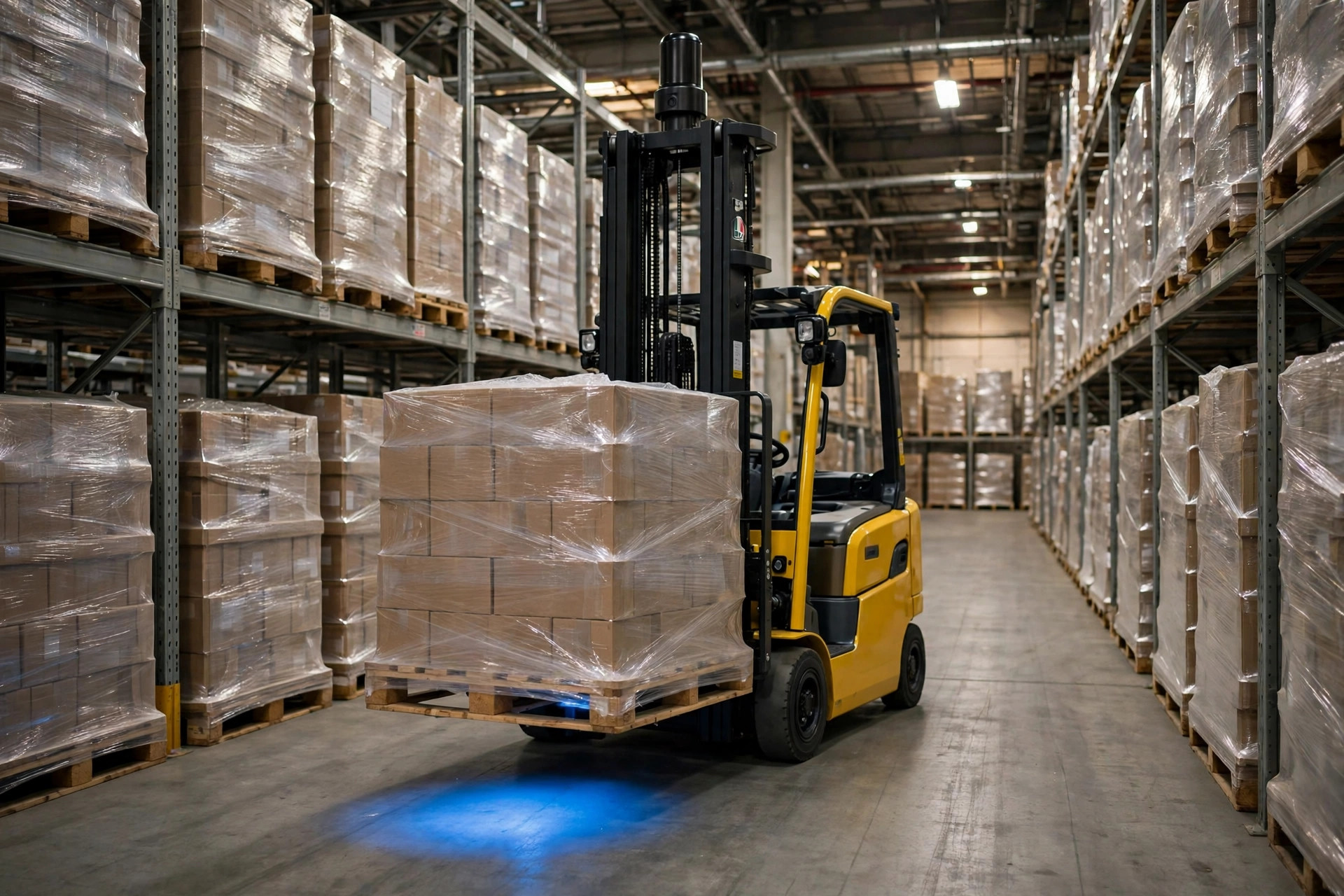
Here's the blunt version first: there is no single "UL certification" for an autonomous forklift, and assuming your domestic approvals will carry over to the US is the fastest way to get stuck. The US has no federal product-approval gate, but getting into a customer's warehouse and surviving an insurance review or an OSHA inspection runs on three rails — electrical safety (UL standards), driverless-vehicle safety (ANSI/ITSDF B56.5), and OSHA's powered industrial truck rule (29 CFR 1910.178). Miss one rail and the truck fails site acceptance.
My judgment call: if you plan to sell a production autonomous forklift in the US, full-machine listing is practically mandatory. Field evaluation is a one-off door for nonstandard or custom equipment, not a long-term strategy. Pick the wrong path and it's not about spending more — it's about your shipment not leaving the dock.
Three standards, three different jobs — don't mix them up
Ask a manufacturer "which UL standard?" and silence is the usual answer. For autonomous forklifts bound for the US, there are three long-standing standards, and they each own a different piece.
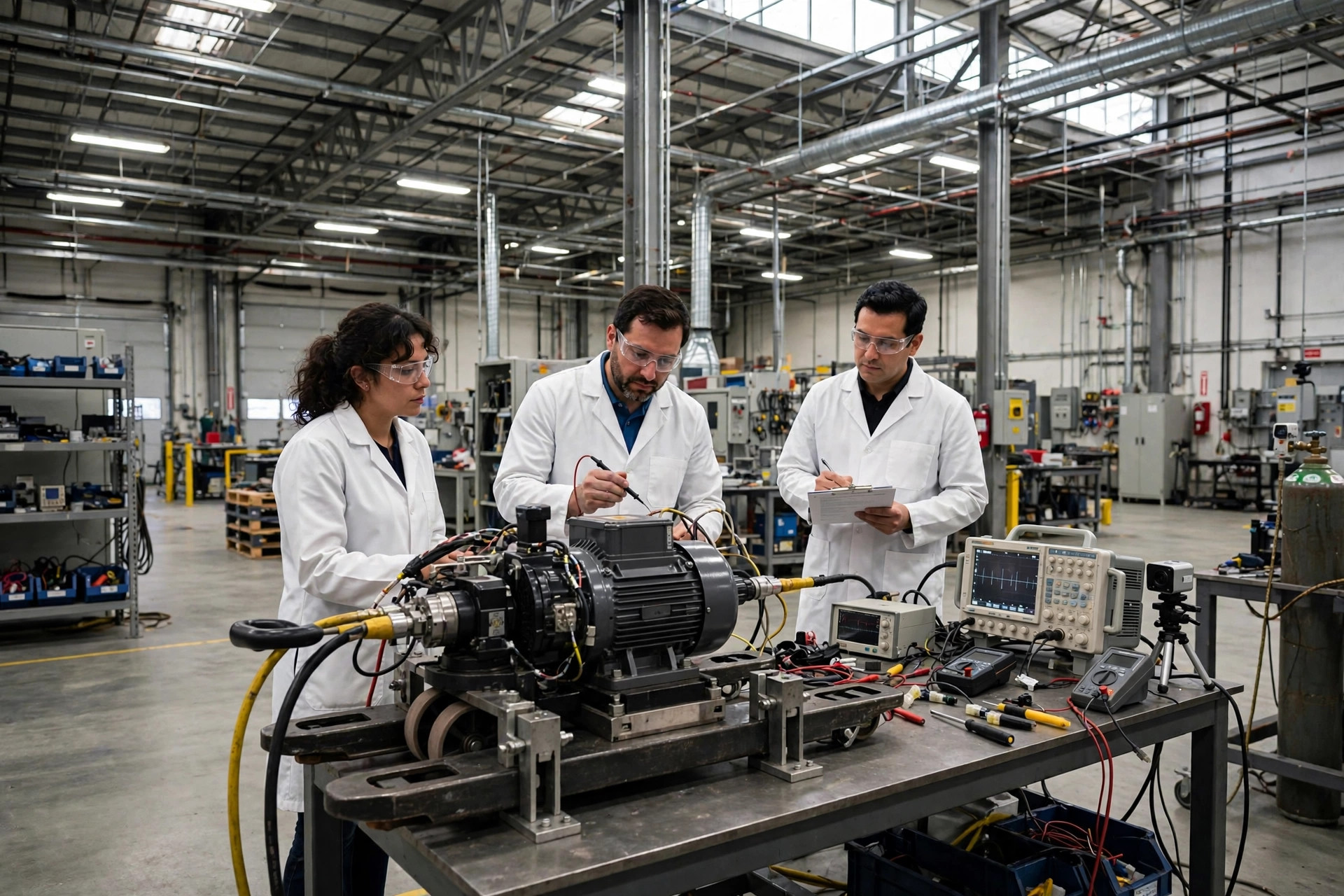
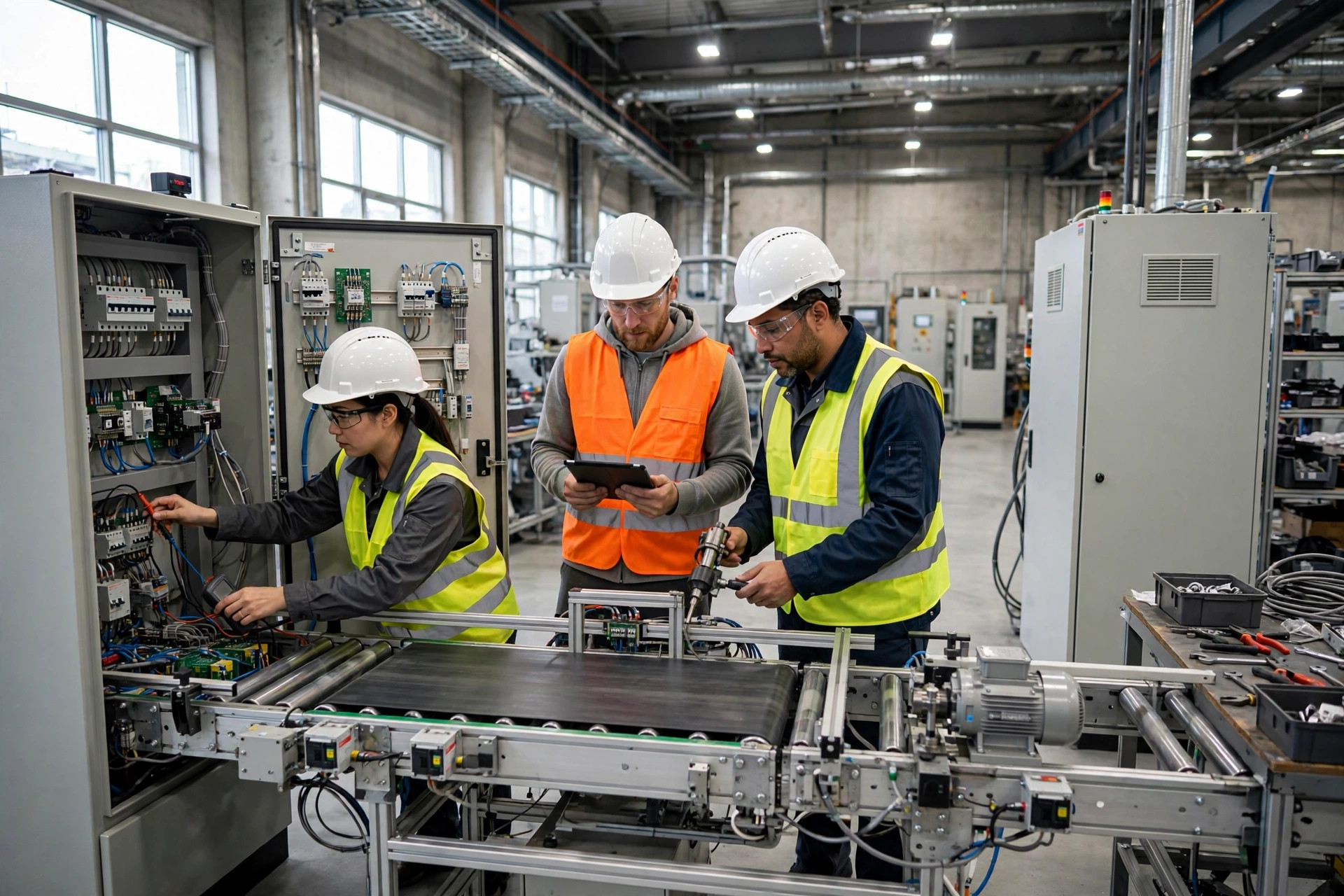
UL 583 covers electrically powered industrial trucks — the electrical safety of the machine itself. An autonomous forklift is a forklift first: batteries, motors, charging circuits, insulation, overcurrent protection. All of that sits under 583, and it has to be designed in before the vehicle shape is frozen. Field evaluation engineers love opening the control cabinet; wrong wire gauge or a mis-specified breaker means an immediate rework order.
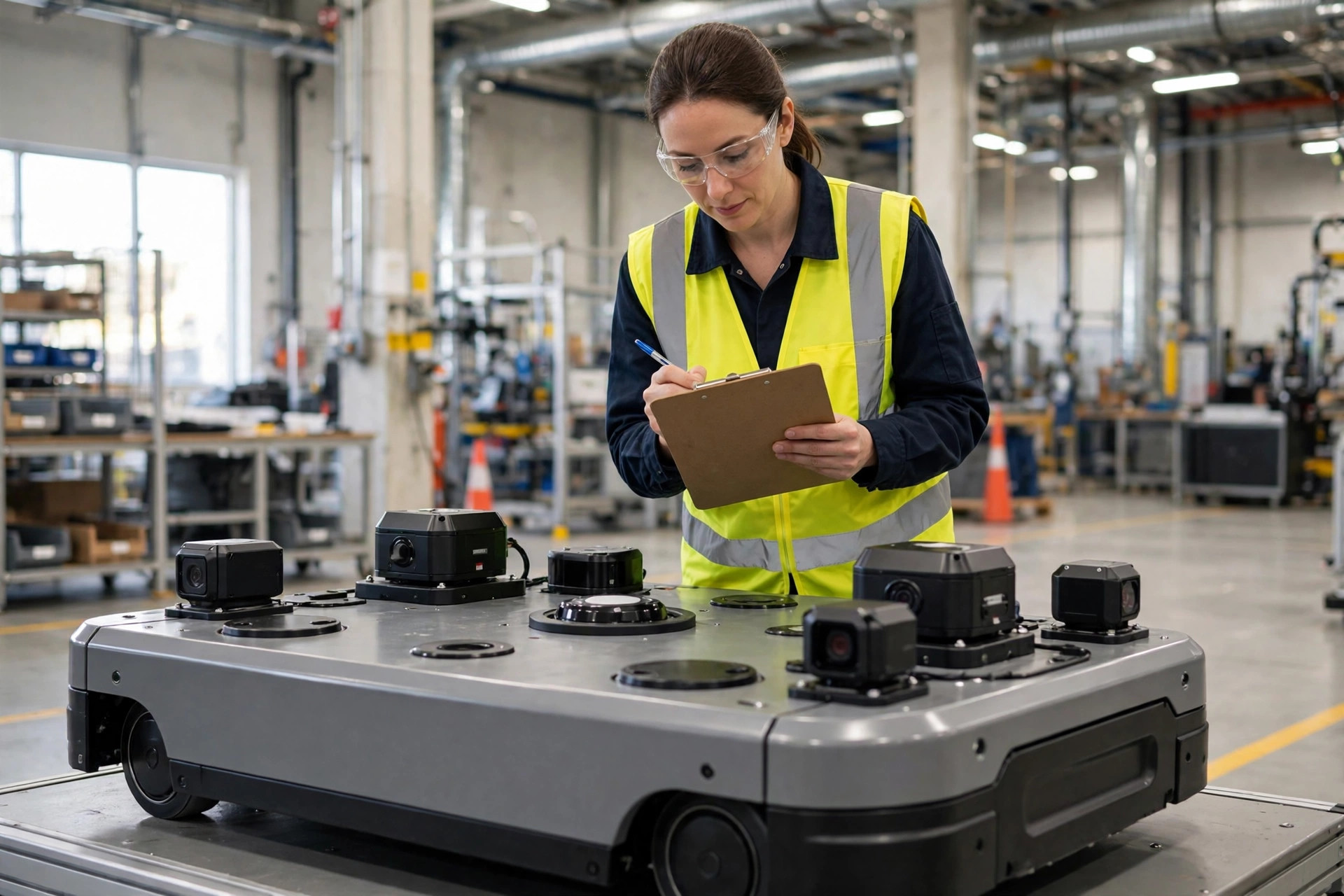
UL 3100 covers automated mobile platforms — the safety of the "automated" part: navigation systems, obstacle detection, the e-stop chain, remote monitoring. These two UL standards are the main references an NRTL (a nationally recognized testing lab — UL itself, Intertek, the US arms of TÜV, and others) works against when listing a machine.
ANSI/ITSDF B56.5 is the safety standard for driverless, automatic guided industrial vehicles. This isn't electrical certification; it's operational safety: personnel detection requirements, warning devices, braking performance, load-test criteria. A US warehouse safety manager speaks this standard's language. Who is responsible for seeing a pedestrian in a rack aisle, and what happens when the truck doesn't see them — that's all in there. Pin the current edition on the ITSDF site into your purchase contracts.
One honest note: B56.5 and OSHA's 1910.178 interlock. The standard gives you the technical vocabulary; OSHA gives you the enforcement teeth. When a customer's EHS team audits your truck, their checklist is basically woven from these two documents.
Listing or field evaluation? Count how many trucks you sell per year
This is the most practical fork in the road, and both paths are legitimate — but their economics are completely different.
Listing the complete machine suits standard models shipped in volume. You test once, the product goes into the NRTL's certification directory, and every unit ships with the listing mark, subject to factory follow-up inspections. The upside is clarity: customers see the mark, and insurance, bidding, and site acceptance go smoothly. The downside is real cost and real time — get a quote from the certification body for the specifics — and any design change mid-stream (a different LiDAR model, a new battery scheme) triggers a re-evaluation. My crude rule: if you can sell several dozen units of one model per year, the amortized listing cost is worth it.
Field evaluation suits single or small-batch custom machines. An NRTL engineer visits the site, evaluates the installed unit once, and applies a field evaluation label. It's fast and pay-per-job, but the label belongs to that one machine — a different customer or a different site means doing it again. At MODEX 2024 in Atlanta I watched a Chinese manufacturer demo a truck that had entered the US on a field evaluation. Once orders picked up, they realized every truck needed its own evaluation, the cost blew up, and they had to start the listing process from scratch — losing a full product cycle.
My advice: field evaluation is fine for demo and pilot units. The moment you have a production plan, design to listing requirements from day one. The most expensive move of all is doing field evaluation first and converting to listing later — two rounds of testing fees, two rounds of rework, double the time.
The people OSHA actually cares about: training, pedestrians, alarms
A common mistake: assuming that because an autonomous forklift has no driver, OSHA's 1910.178 (the powered industrial truck standard) doesn't apply. It does. OSHA reads "operation" broadly — whoever starts the truck, manages the zone, or can take over in an emergency can fall under the training and inspection requirements. The rule's provisions on operator training, vehicle inspection, and safe operation all need an answer for an autonomous machine.
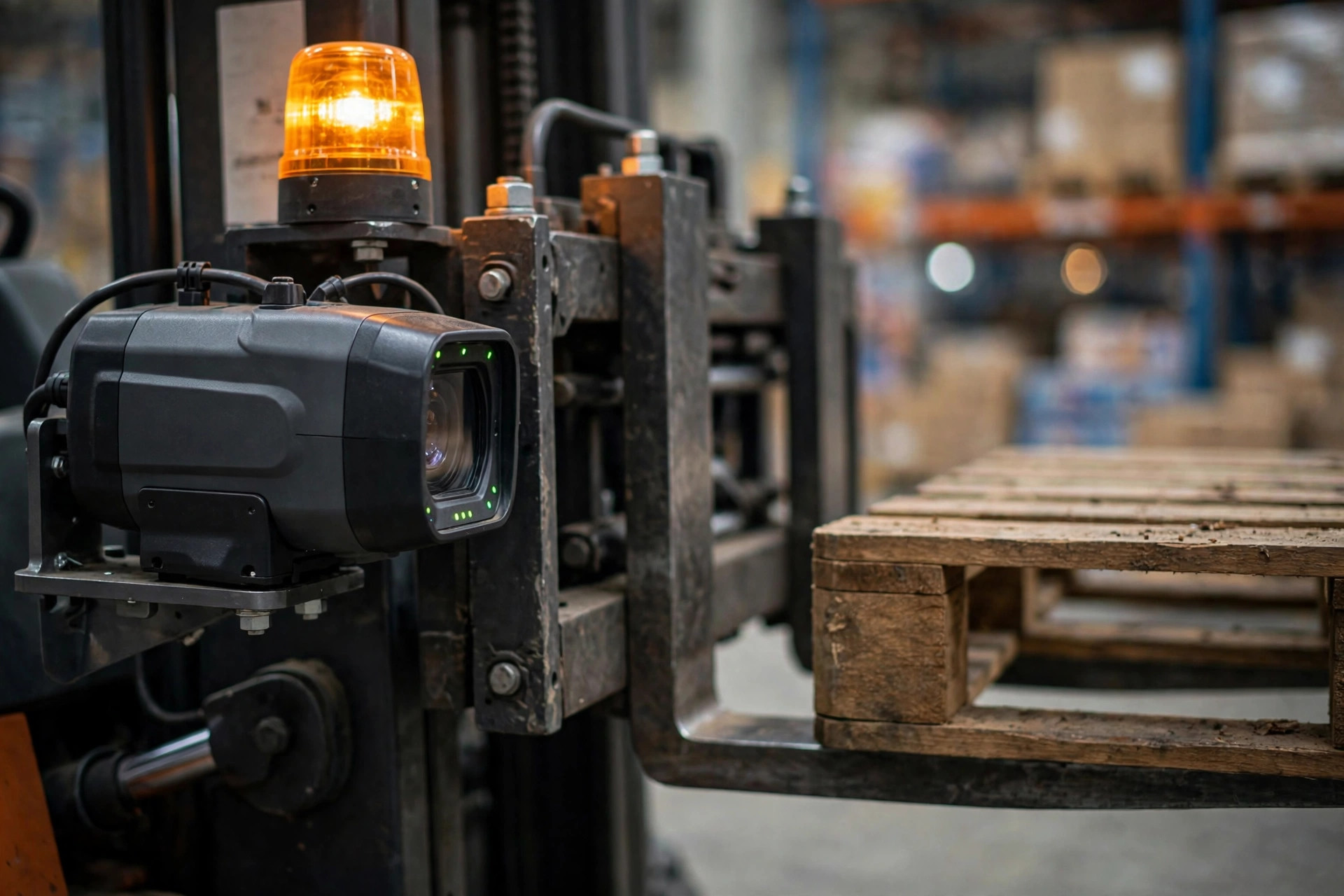
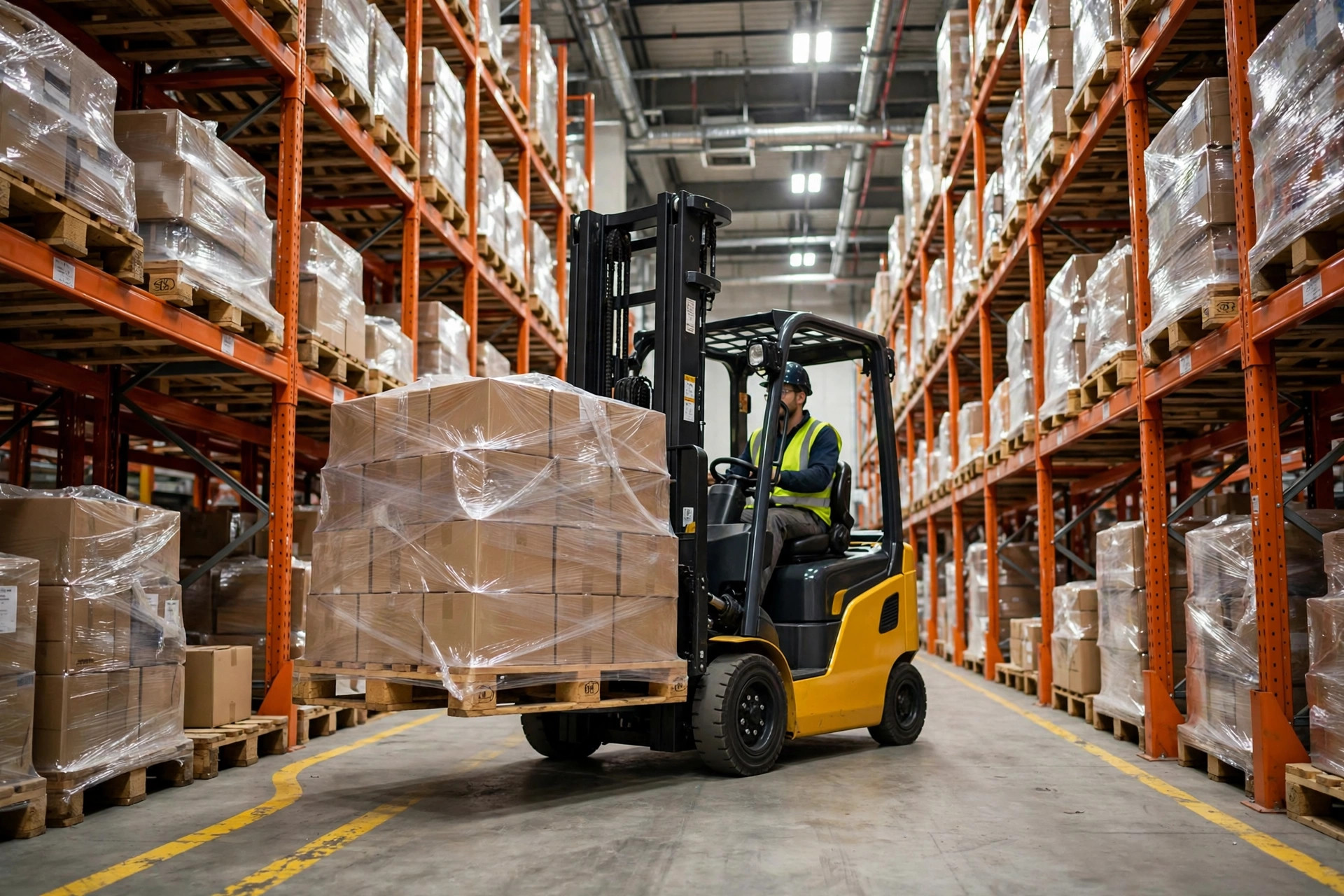
Pedestrian safety is where OSHA and B56.5 overlap hardest. Picture a 120,000-square-foot beverage distribution center with pickers and autonomous trucks sharing aisles. The safety manager's first question is always the same: how fast does your truck stop when a person steps out? The answer has to be specific — how the safety scanner's protective field is configured, the distances for the slowdown and stop zones, the size of the lowest-level sensor blind spot. Vagueness tells the other side you never did a risk assessment.
Here are the rework items I see most often, ranked by how frequently they get flagged.
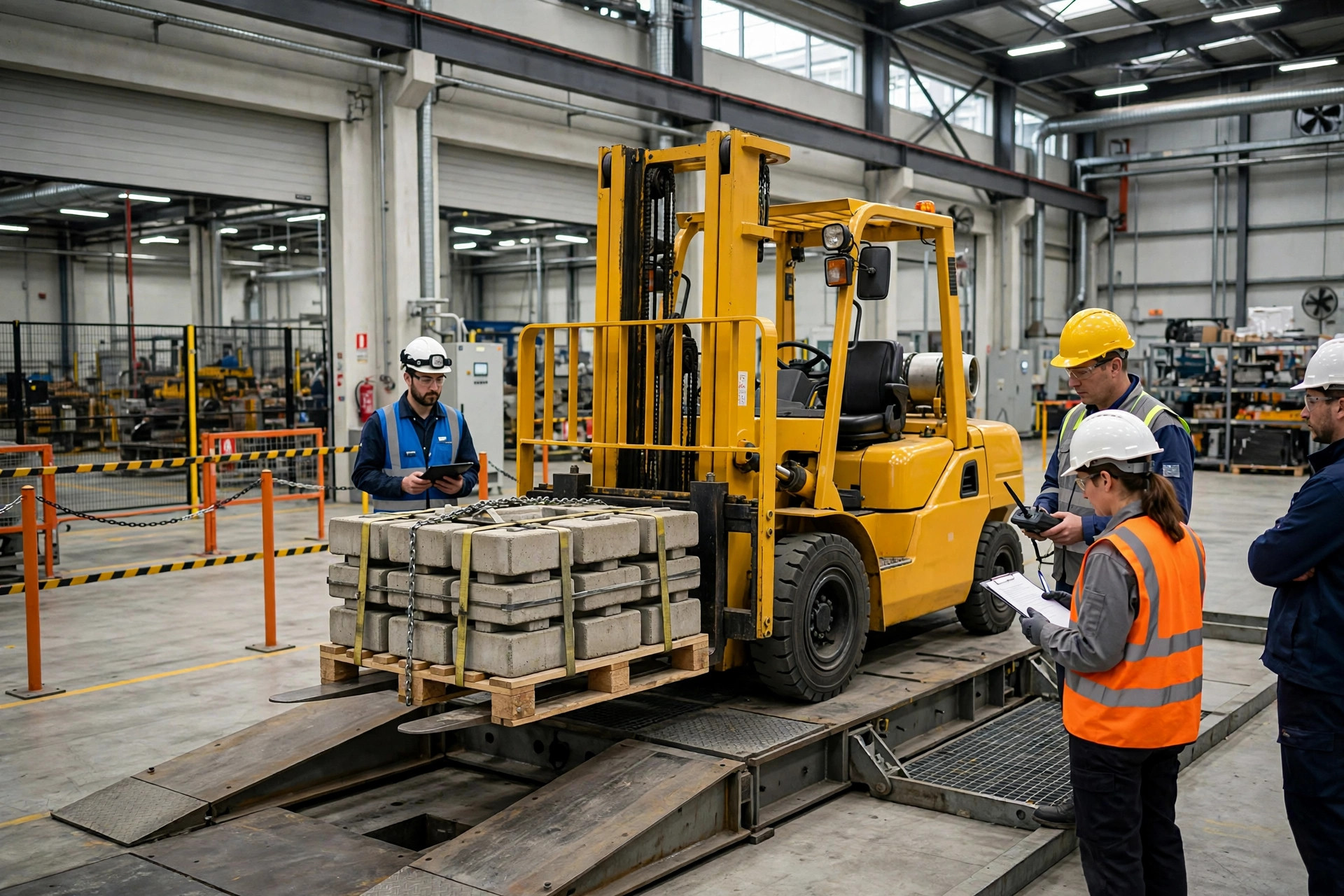
Number one is LiDAR and safety-scanner configuration: scan plane set too high (rack feet and pallet legs invisible below it), protective fields too small for the stopping distance at travel speed, dead spots in multi-scanner handoff logic. The fix is a physical test before installation: walk a standard test object — the standard specifies the dimensions — at the vehicle from every direction and watch its response at the field boundary. Keep the data; it's your strongest evidence at acceptance.
Number two is the e-stop: the question isn't whether you have one, it's whether someone can reach it. Field engineers love standing three meters from the truck and asking, "it's running away — how do you stop it right now?" A wireless e-stop or buttons reachable from all four sides of the body, decided in advance.
Number three is audible and visual alarms: travel tones, turn signals, backup beepers — required by both B56.5 and 1910.178. Retrofits are easy, but get the loudness and frequency band right; too loud and the crew files complaints, too quiet and it may as well not exist.
One thing you can do this week
Call your controls supplier and ask for one document: the listing file number for the existing product in the UL certification directory, or an evaluation report from an NRTL they work with. A supplier who can't produce either means you're naked from step one of the certification path.
For autonomous forklifts heading to the US, certification isn't a sticker you apply at the end — it's a design constraint that starts on day one. Get the sequence right and everything downstream gets easier.