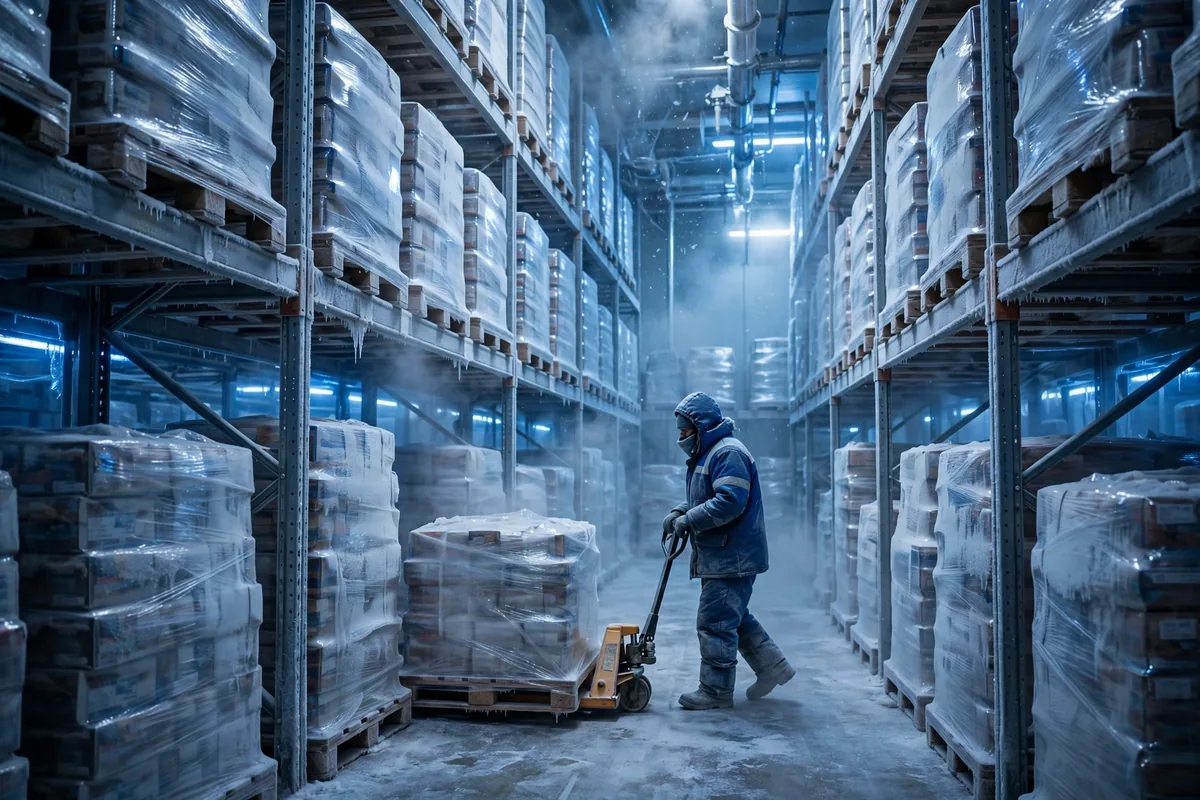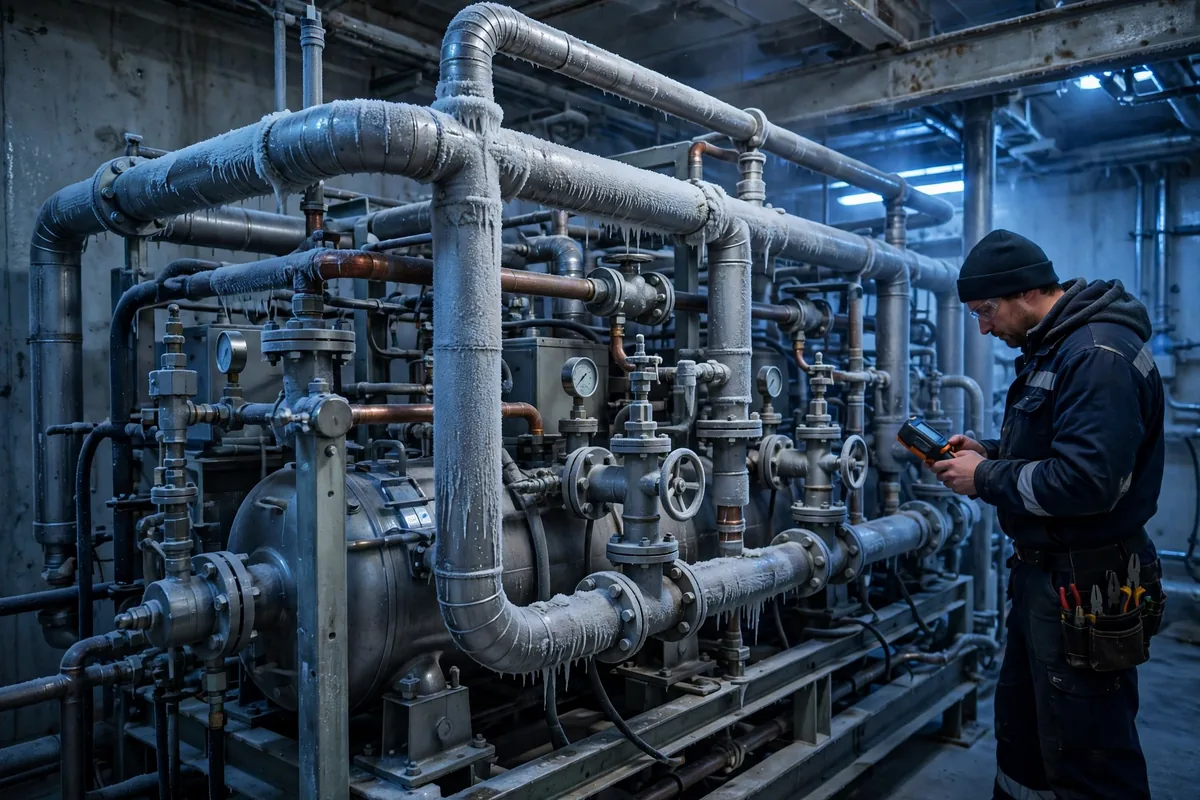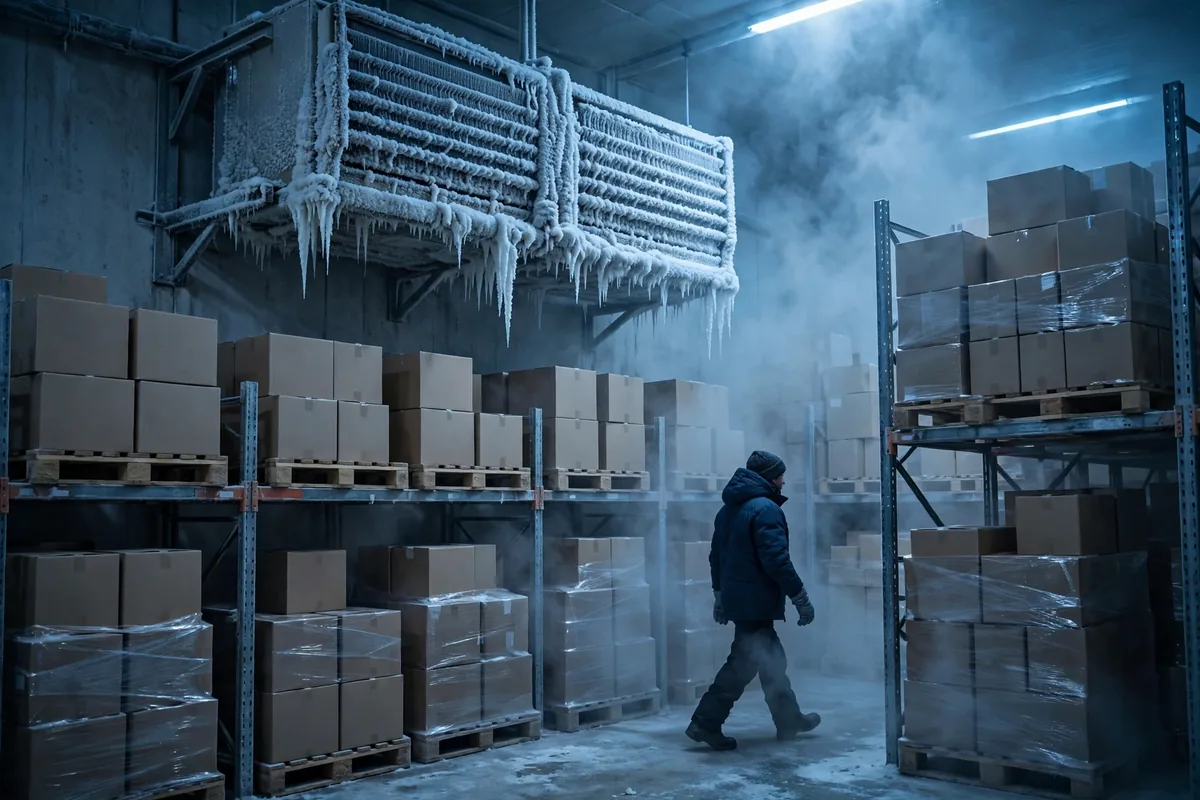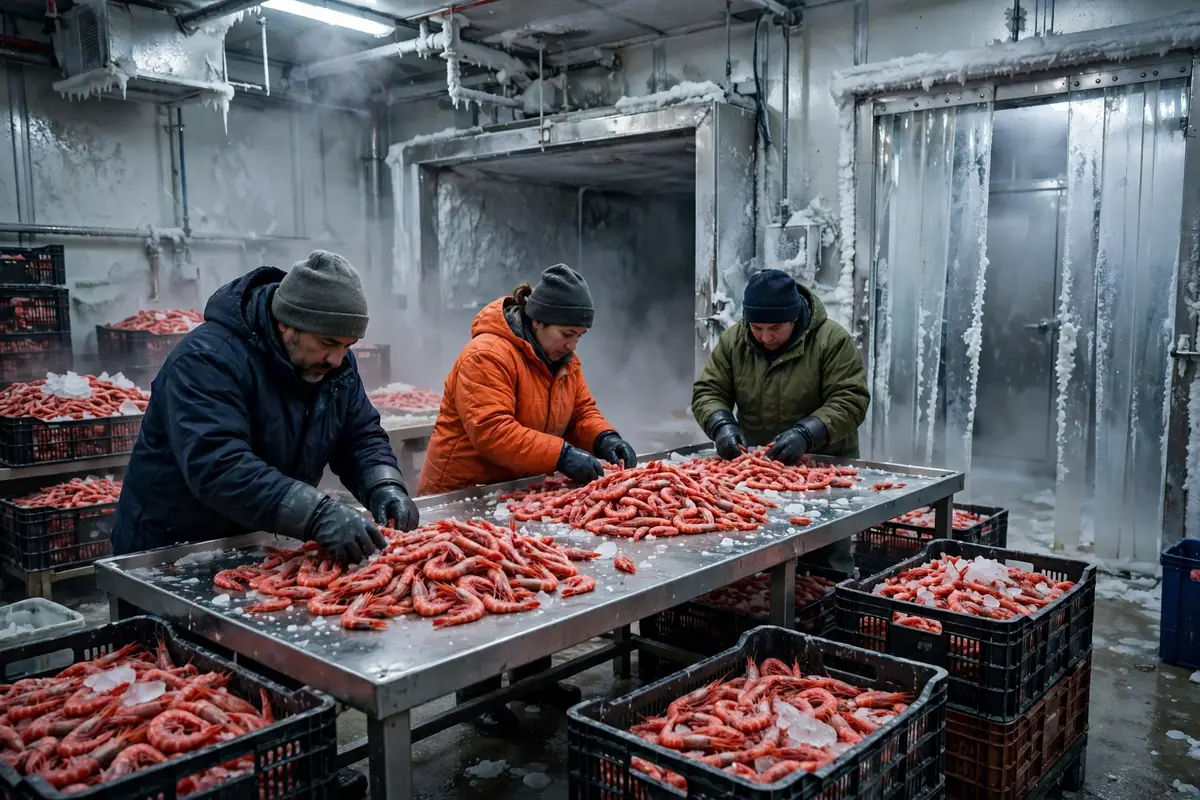
Let me tell you something about the Argentina shrimp export cold chain: I learned it on the road, not from a book. In July 2024 I was waiting for a load outside the port of Mar del Plata, watching a boat unload while forklifts, shouting dockworkers and gulls made one big noise. It looked like chaos, but there was a pattern in it. The shrimp that reached the cold store within two hours of landing and the shrimp that sat in the sun waiting were two different prices by the time they met the buyer. After all these years on the road, I have learned one thing: freezing shrimp is easy. Freezing them right is the hard part.
Here are the baseline numbers. Argentine customs data show shrimp exports reached 154,000 metric tons in 2024, up 9.2% from 141,000 tons in 2023, worth about 988.9 million US dollars. Volumes are climbing, but sailing schedules have not loosened up to match. Up to 23 July 2024, shrimp landings at Mar del Plata reached 6,819 tons, up 40% on the same period a year earlier. That sounds busy, and it was — but here is an honest word: Mar del Plata is not Argentina's biggest shrimp port. The Patagonian ports of Puerto Madryn and Rawson land more. Plenty of cargo owners fix their eyes on Mar del Plata and think the job is done once the boat ties up there, while their cargo is stuck at another port altogether. The Argentina shrimp export cold chain has to be costed across the whole route, not at a single port.
Argentina Shrimp Export: The First Test Is the Hours After Landing
On that July 2024 run, I was hauling a load of freshly landed red shrimp. The boat had docked before dawn and the cargo owner kept calling: "Driver, hurry, the cold store is waiting." When I reached the quay, boxes of shrimp were piled beside the conveyor, the ice half melted, water seeping from the bottom of the boxes. The dockworkers said the reefer trucks were queuing and we had to wait. Four hours passed, and the thermometer in my truck climbed from minus eighteen to minus eleven. I told the cargo owner to sample the load before it went into the store, not straight onto the shelves. He did not believe me at first. The samples came back with duller colour and softer texture, and the buyer cut the price at inspection. Driver, cargo owner and warehouse argued about that truckload for a week, and nobody could say whose fault it was.
Those hours after landing are the most overlooked link in the Argentina shrimp export cold chain. The freezer hold on the boat can be rock steady, but unloading happens in the open air — sun, wind and melting ice push the temperature up. My rule is to check three things at the quay: is there enough ice, are the boxes intact, and is a pre-cooled reefer truck already running and waiting at the side? Loading into a truck that has not been pre-cooled is like hauling frozen goods in a room-temperature box; while the truck cools down, the shrimp are warming up. A cargo owner should have someone at the quay taking photos of temperatures, times and box conditions, because those photos are the evidence when the argument starts. The warehouse should not just count boxes on arrival either. Open two boxes, measure the core temperature, and write it down on the spot if it is wrong. Do not discover it three days after the cargo went in.
Argentina Shrimp Export: The Chain Snaps While Waiting for the Vessel
Some people think the shrimp are safe once they are inside the cold store. Let me tell you, the cold store is only half-time. The real danger comes after: waiting for the vessel, transferring between trucks, and the plug at the yard. Break any one of those three and the whole game is lost.
There was a shipment in 2024 that left the cold store in perfect shape, reached the yard outside the port, and waited two days because the sailing was delayed. The reefer container was plugged into yard power. The first day was fine. On the second night the yard lost power once, the watchman did not notice in time, and the temperature inside the box rose for six hours before a patrol caught it. At the destination port the boxes were opened to find pale shrimp flesh and coarse ice crystals, and the buyer rejected a third of the load. The loss on that one container was bigger than a whole season of cold store rent. Nobody controls a delayed sailing. What you can control is the plan: does someone watch the yard power, is there a backup supply, is the temperature logger running the whole time, and does an alarm go off after a few hours over the limit? Ask the warehouse these questions before you sign. If it cannot answer, find another warehouse. Do not wait until the cargo is warming up inside the box.
Transfers are another trap. From cold store to port, the cargo sometimes changes trucks and sometimes passes a customs inspection. Open the box for inspection and half the cold air escapes; seal it again and the temperature comes back down slowly. The steadiest routine I have seen is to book the inspection time in advance, keep a reefer truck waiting at the side, and run inspection and loading in one smooth move so the goods never bake in the sun. It sounds like fuss. Compared with a downgraded container, it is nothing.
Here is the calculation I once worked through with a cargo owner. The figures are an illustrative example, estimated for one container of about twenty tons of red shrimp bound for Spain; actual charges follow live quotations and the latest official policies:
| Item | Illustrative example (USD) | Notes | | Cold storage and blast freezing | 1,500 | Estimated for two weeks of storage | | Reefer transport and port haulage | 1,100 | Pre-cooling and waiting included | | Temperature logging and inspection | 300 | Core temperature sampling included | | Port charges and delayed sailing | 800 | Yard plug-in power included | | Loss from a broken chain | 0–9,000 | Near zero with steady control, steeply higher after six hours broken |
Look at the table: storage and transport are the small lines. The broken-chain line is the big one. The counterintuitive truth is that in the Argentina shrimp export cold chain, colder does not mean safer. Shrimp frozen hard at minus thirty can eat worse after thawing than shrimp held steady at minus eighteen. The cold chain is not a contest for the lowest temperature. It is a contest for a steady temperature that never breaks. A container with a flat temperature curve is worth more than one swinging between minus thirty and minus ten.
Argentina Shrimp Export: What Protects You Is Paperwork and Temperature Records
After all these years, my advice to cargo owners comes down to one line: the goods can have a problem, but the records cannot. The temperature logger data, the quay handover note, the cold store in-and-out slips and the inspection record — staple those four together and you have your protection. When a buyer says the goods are bad and you can show the full temperature curve, you stand straight at the negotiating table. When you cannot, whatever the buyer says goes, and whatever the warehouse says goes too.
And a word from the heart to the warehouses: do not compete only on price. Compete on response. When a sailing changes or a container loses power, can the warehouse call the cargo owner within half an hour with a backup plan? That decides whether the customer comes back. The cold store I have worked with longest is not the cheapest, but its duty roster, alarm routine and backup power are all out in the open. The cargo owner can sleep at night. That is worth money.
There is an old saying in this trade: slow is survivable, broken is not. A vessel two days late still delivers shrimp. Six hours of broken temperature delivers shrimp at a different price. That is the whole Argentina shrimp export cold chain bill: watch the hours at the quay, watch the plug at the yard, watch the temperature records on paper. Get those three right and the rest can be left to the sailing schedule.
By Shifu Zhao, Trucking Veteran (15 yrs)