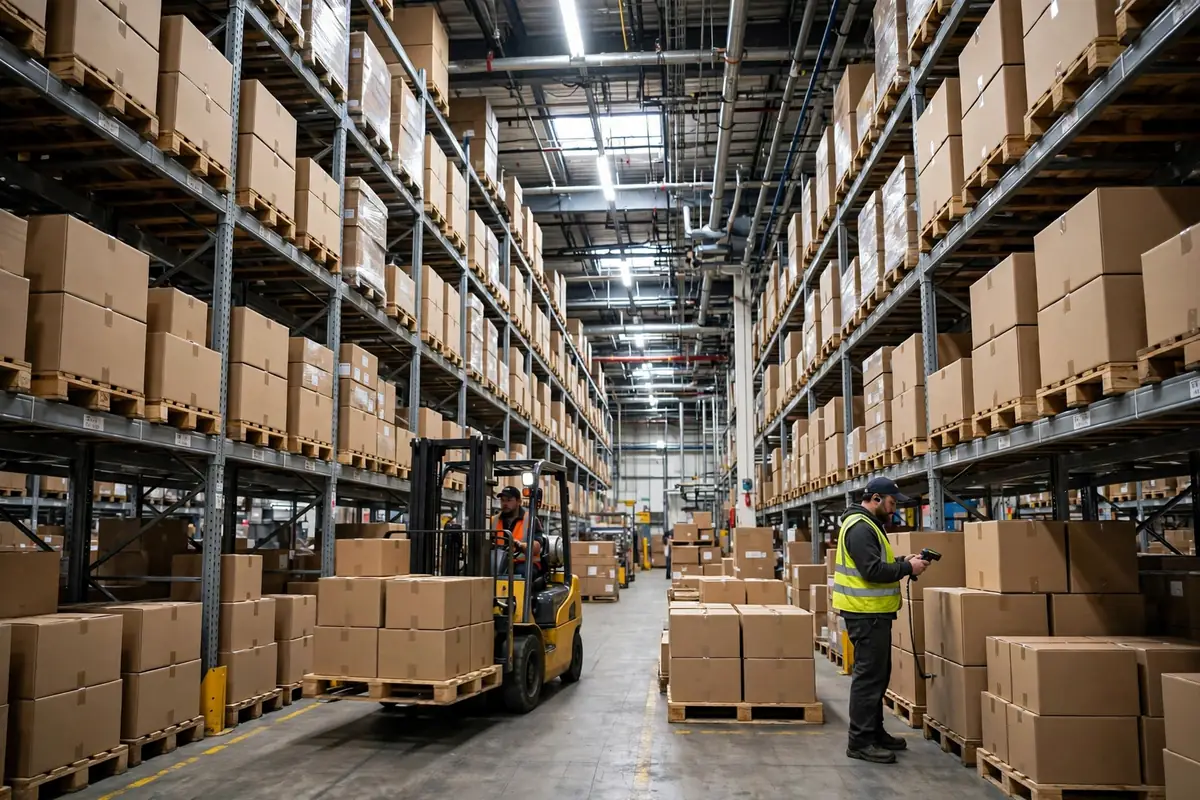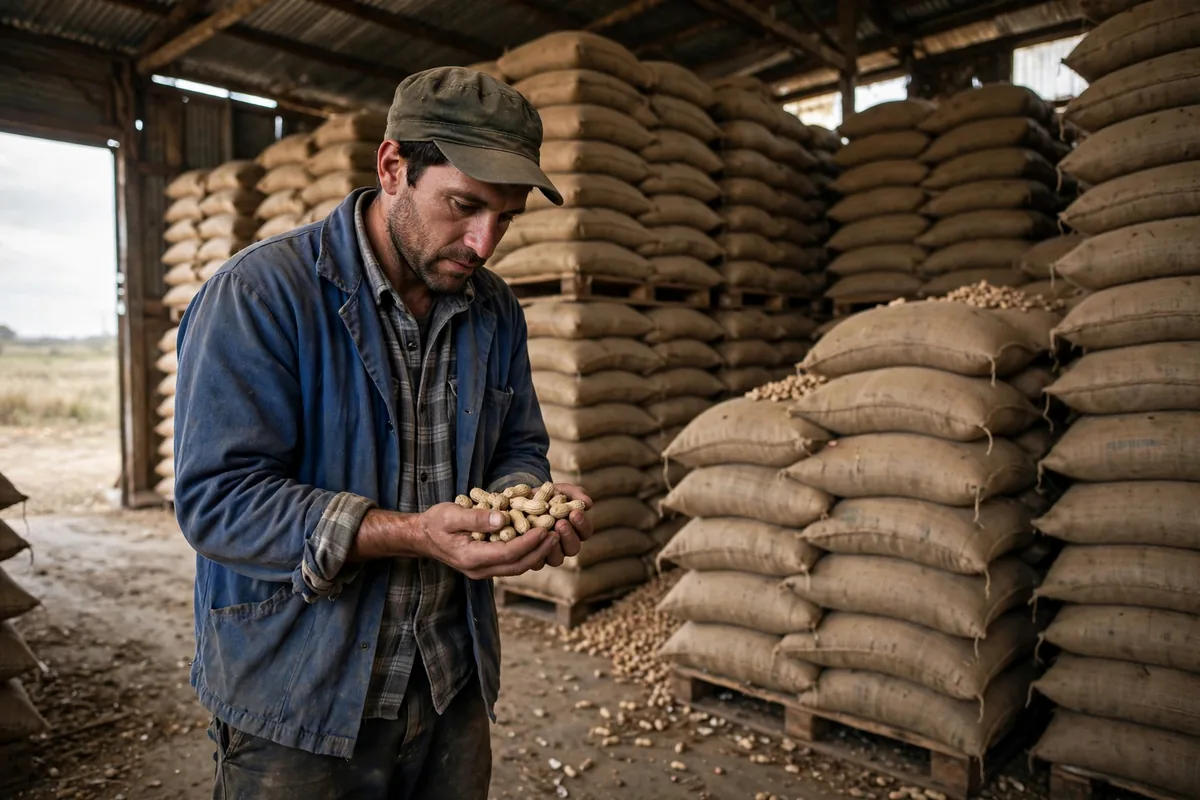
Let me be blunt: in the argentina peanut export business, a warehouse does not earn its keep on rent. It earns it on nothing going wrong. Argentina peanut shipments travel from the fields of the Pampas to supermarket shelves in Europe, and the most fragile leg of that journey is not the farm or the ocean. It is the weeks or months the peanuts spend sitting in a warehouse. Fail on mold and a whole container can be held at Rotterdam. Fail on breakage and the buyer discounts the lot on broken-kernel rates. So here is my conclusion up front: argentina peanut export warehousing comes down to two ledgers, the mold ledger and the breakage ledger. Get both right and the business stands. Get either wrong and it bleeds.
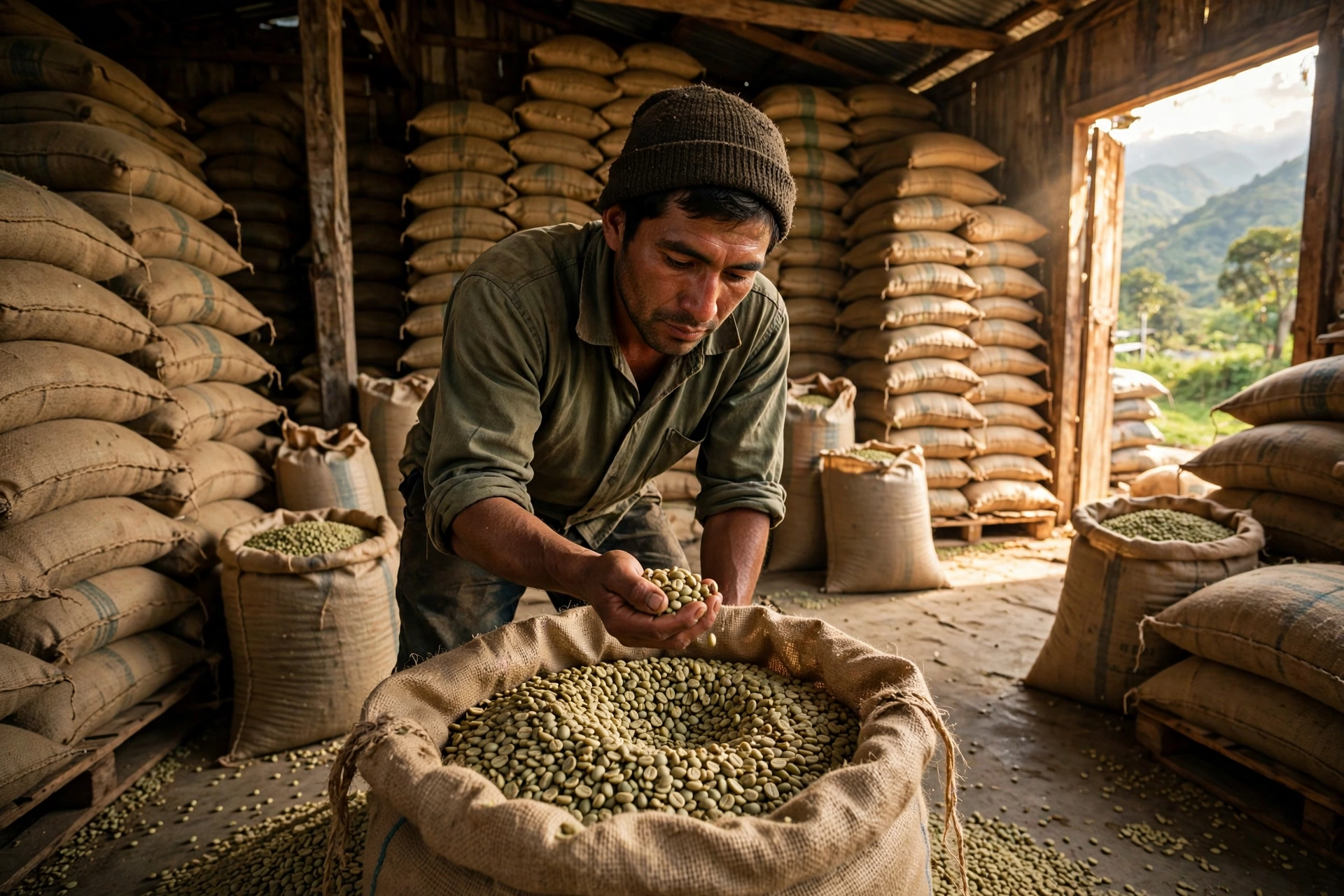
The scale is worth stating first, because it sets the stakes. Argentina is the world's largest peanut exporter, holding roughly 23% of the global market. In 2024, Argentina exported nearly $1.2 billion worth of peanuts and peanut products, a 22-year record, moving about 730,000 tonnes. The European Union took about 73% of that volume, and the Netherlands alone accounted for about 36%. Córdoba Province holds about 72% of the country's planted area, roughly 473,000 hectares. National production runs about 1.48 million tonnes, eighth in the world, and about 95% of it is exported. In-shell peanuts alone shipped about 546,000 tonnes in 2024, worth about $893 million. At that volume, a small slip in the warehouse scales up to real money by the container and the vessel.
Why Argentina Peanut Storage Fears Damp Air Above All
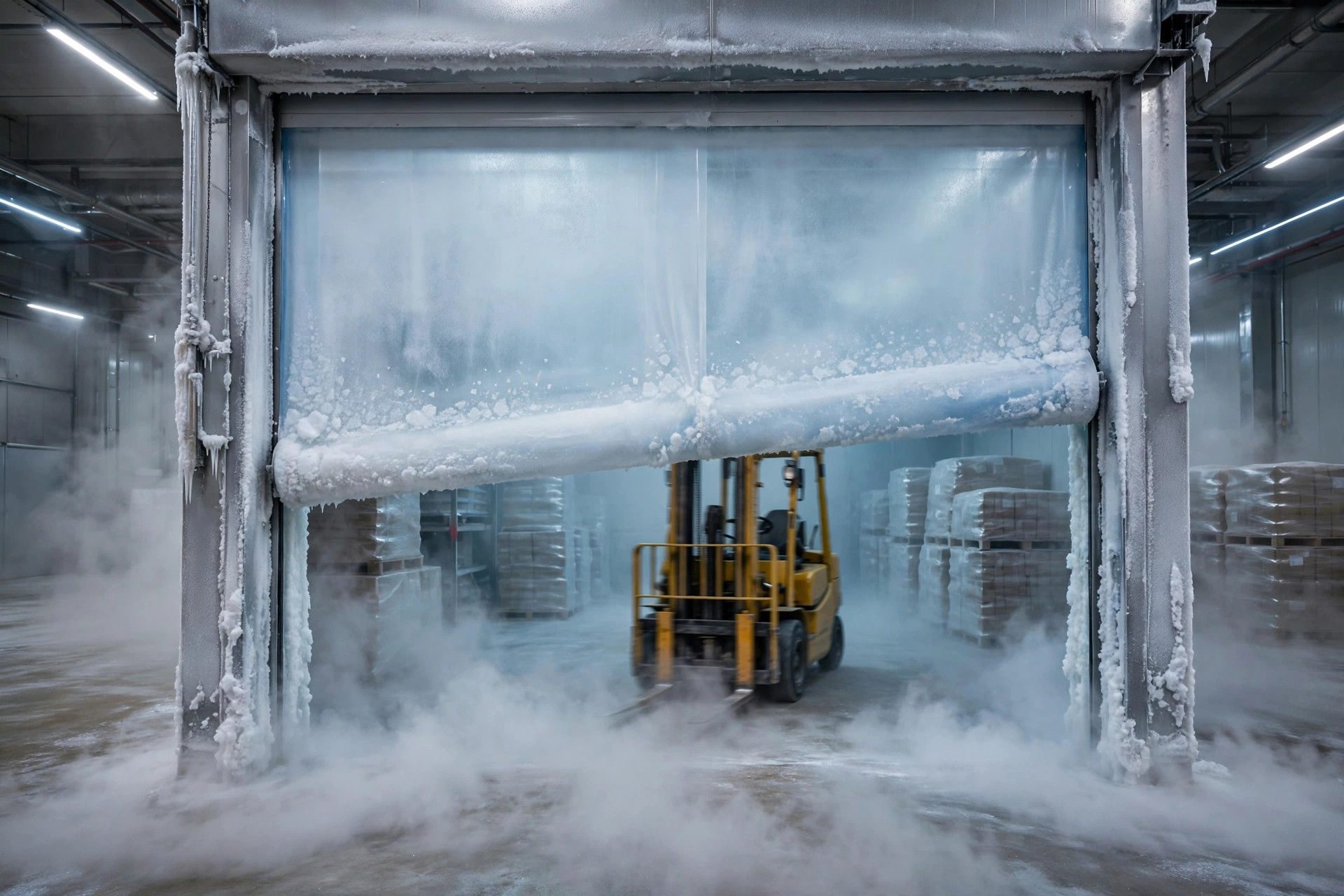
This cuts two ways. Peanuts fear mold, and mold fears dry and cool conditions. That sounds like common sense. The hard part is doing the common-sense thing every single day. Export kernels need to be dried below 7% moisture, and in-shell peanuts below 9%. That is a hard line before the cargo leaves. Research from the U.S. Department of Agriculture found shelled peanuts store best at around 13°C and 65% relative humidity. Colder is not automatically better. In a cold store, condensation can form on the top layer of the lot, and damp peanuts at the top will mold faster than they would in a ventilated ambient warehouse.
I have seen too many people lose money on "close enough." Here is an illustrative example: during the 2023 harvest season, a 24-tonne lot of in-shell peanuts moved from Córdoba to a warehouse near the port of Buenos Aires. Intake testing showed 8.6% moisture, which looked fine. To save on power, the warehouse ran ventilation only during the day and let the building sit sealed overnight. Autumn nights on the Pampas swing wide in temperature, condensation formed inside, and three weeks later sampling found localized mold and aflatoxin above the limit. The whole lot had to be diverted to the domestic market. The gap between export and domestic prices, plus re-sorting costs, wiped out about a fifth of the container's value. That is not a scare story. It is a script that repeats every year. The only thing that changes is whose money it eats.
Aflatoxin is the sharper edge of the mold problem. The European Union caps aflatoxin B1 at 2 micrograms per kilogram and total aflatoxins at 4 micrograms per kilogram for peanuts sold for direct consumption. The U.S. FDA action level for total aflatoxins in human food is 20 parts per billion. Europe is far stricter than the United States, and Europe happens to be Argentina's biggest buyer. In 2024, the EU's RASFF system logged 28 notifications on Argentine peanuts, and 26 of them came from European importers' own checks. Read that again: the problem was found after the cargo reached the buyer's hands. Re-dispatch, destruction, or a forced discount follows, and the leverage sits entirely with the buyer. SENASA certification and pre-shipment testing exist to catch this before the cargo leaves Argentina. The warehouse's job is to make sure a lot that passed testing still passes on the day the container is sealed.
The cost of mold prevention belongs in plain sight. Ventilation equipment, temperature and humidity sensors, regular sampling, and leaving air gaps between stacks all cost money. Skip them and the savings are small while the gamble is the value of the whole container. My judgment is that mold money cannot be cut, but it should not be spent blindly either. In-shell peanuts in a well-ventilated ambient warehouse, with moisture and climate monitoring, are usually fine. Shelled kernels, especially lots stored long-term, are worth the climate-controlled room. What you spend depends on how long the cargo sits and which market it serves, not on what the equipment vendor's quote says.
Argentina Peanut Breakage: The Ledger Most People Underprice
Mold is the survival line. Breakage is the profit line, and plenty of operators watch the first while the second quietly eats their margin. A broken kernel loses appearance and price at the same time. When the buyer's inspection finds broken-kernel rates over the contract limit, the lot gets discounted, and in bad cases rejected. Breakage concentrates in three places: a sheller running too hot, a conveyor dropping peanuts too far, and loading that pours product from height into the container.
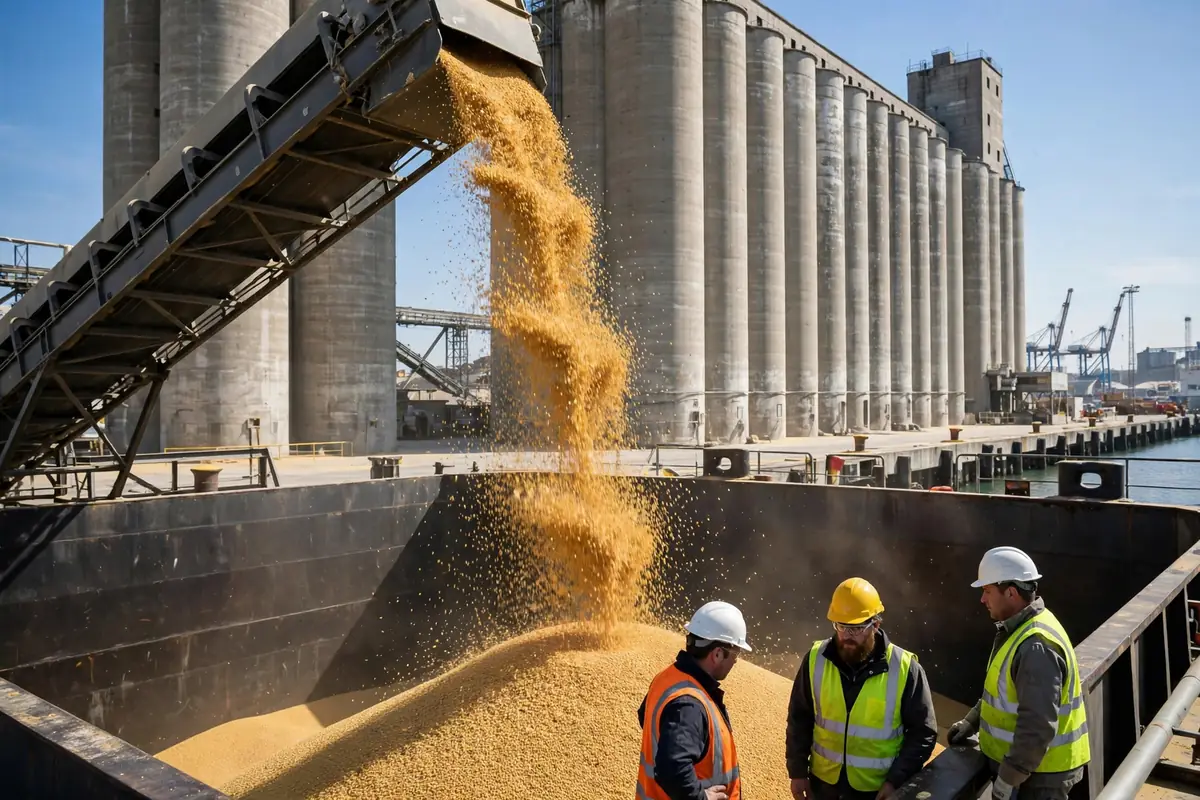
Another illustrative example: in 2024, an exporter shipped a 25-tonne container of peanut kernels to the Netherlands with a contract limit of 3% broken kernels. To hit a deadline, the crew raised the sheller speed one notch, and at loading they let kernels free-fall more than 3 meters off the end of a conveyor into the container. Arrival inspection measured 5.8% breakage, and the buyer settled at a downgraded price. The shortfall came to roughly $15,000 on one container. The fix was not expensive: slow the sheller back down, fit a cushioned chute at the conveyor end, and load in layers instead of pouring. The extra labor was under half an hour a day. The savings were the price difference on a whole container. Any warehouse manager can do this math. The problem is that most never bother to run it.
Mold and breakage also pull against each other, and this is the trade-off nobody likes to admit. Drier peanuts resist mold but turn brittle and break more easily. Push moisture below 6% and mold barely stands a chance, but shelling and handling breakage climbs. Hold moisture near 8% and breakage drops while the mold risk creeps back. There is no universal answer. The right call depends on the product form and the destination: in-shell cargo can carry slightly higher moisture, while shelled kernels bound for a long ocean voyage should be dried hard, even if that means accepting a little more breakage. That is the daily reality of warehousing: choosing the smaller of two bad outcomes.
| Investment | The mold ledger | The breakage ledger |
|---|---|---|
| Key actions | Moisture testing, ventilation, climate monitoring | Sheller speed control, cushioned chutes, layered loading |
| Where the money goes | Ventilation and climate equipment, regular lab testing | Cushioning hardware, a slower work pace |
| Cost of skipping it | Molded container, EU detention, diversion to domestic sale | Broken-kernel rates over limit, price downgrade, lost customers |
| When you find out | Within one to two weeks | Only at arrival inspection |
Before the Container Seals, Nothing Gets Signed Off Half-Done
My rule at load-out is simple: any unchecked item on the list means nobody signs. Moisture re-tested, in-shell below 9% and kernels below 7%, with the numbers written on the sheet rather than waved through verbally. Aflatoxin test report in hand, SENASA paperwork complete. Temperature and humidity logs available, with no unexplained excursions in the last two weeks. Ventilation gaps left between stacks, and no lot pressed against a damp wall. Loading drop height controlled, desiccants and moisture barriers placed inside the container. Photos taken before sealing, with container number, seal number, and stack positions matching the record. If any one of the six is fuzzy, the container waits. A day's delay costs rent. A bad container costs a customer and a market.
Argentina's peanut exports keep climbing, and the 2024 record may not be the peak. For warehouses, that means opportunity and tighter scrutiny in the same package. The EU notification data tells the story: importers test more often on their own, and the days of passing on luck are over. In this business, the winner is never the operator with the biggest shed. It is the one whose cargo still arrives in the condition it left in.
So the next time someone tells you peanut warehousing is just finding a shed and stacking bags, ask them one question: when the mold shows up, or the kernels break, who pays?
By Lao Mi, Supply Chain Veteran (20 yrs)