Let me tell you something. After all these years on the road, the first time I drove a truck into Arequipa, I felt it right away — not in the road, but in the truck itself. Climbing up to the high plateau, the engine breathed heavier than usual. The sun was strong enough to make you squint, and then a gust of wind would come through cold. The warehouse owner waiting at a suburban dock handed me a bottle of water and said, in so many words: mate, if you want to run warehousing here, you first have to make peace with the altitude. I did not fully get it that day. A few more trips, and I did.
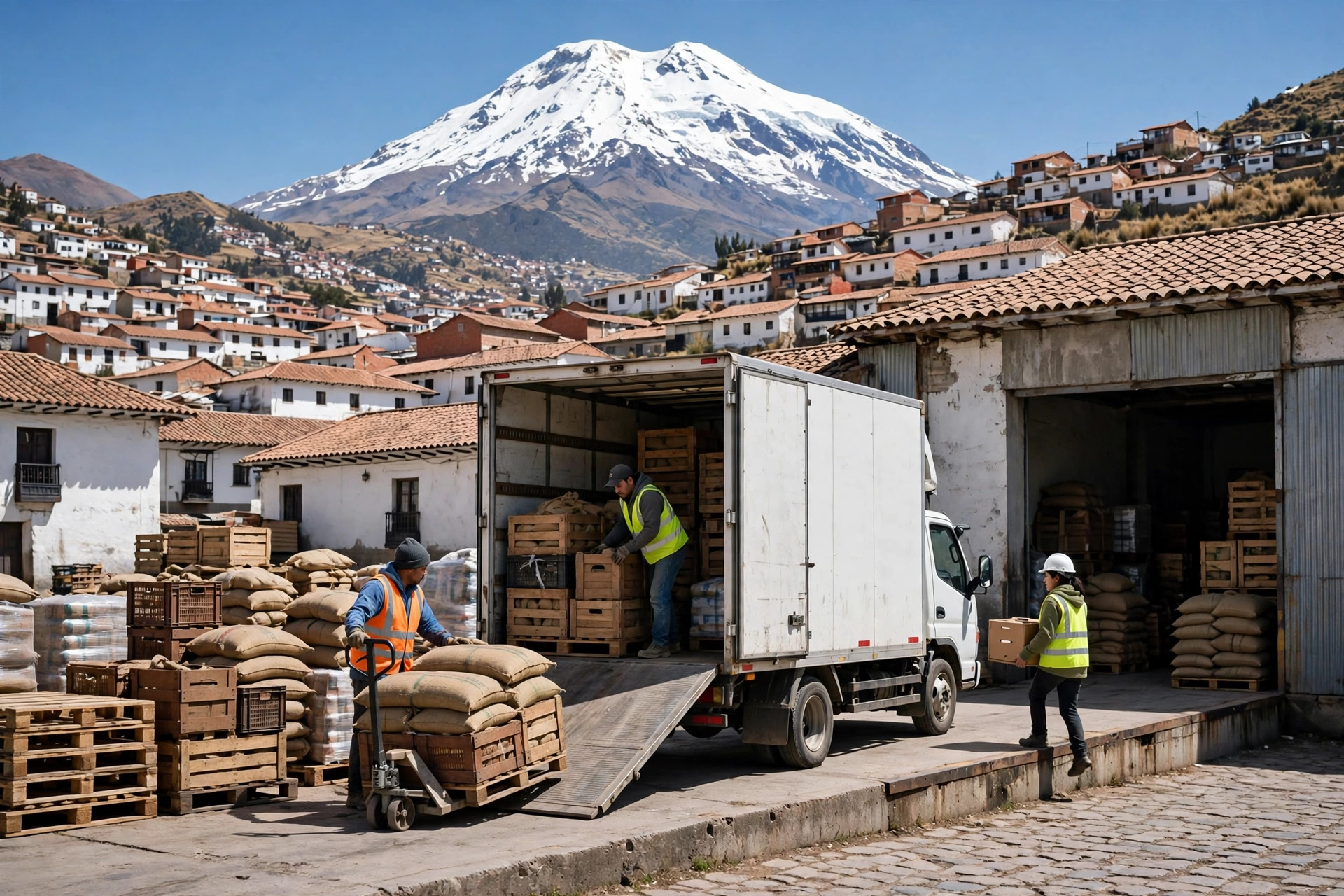
Arequipa is a highland city in southern Peru, sitting at roughly 2,300 meters above sea level. The whole city is built from white volcanic stone, which is why people call it the White City. It is not close to Lima, the capital — a truck run takes the better part of a day, sometimes a full day. South toward Tacna and the border, and east toward Cusco, there are regular routes too. So the city is not huge, but it sits right in the middle of southern Peru: north to Lima and the ports, south to the border, east into the highlands. Setting up a warehouse here means doing the math differently than you would in a coastal flatland city.
The Old Town Will Teach You About Access
Here is a scene I watched happen. I was delivering to a consumer-goods distributor whose address was on a cobbled street in the old town. The navigation said only a few hundred meters to go, but I circled twice in a medium box truck and still could not find anywhere to stop: the street was narrow, both sides were parked full, and there were stone bollards at the corners — one swing of the tail and I would have scraped a wall. In the end the customer sent two people with hand carts, and they shuttled the goods in trip by trip from the street corner. Unloading one truck took twice as long as usual. The driver sat in the cab burning fuel, the clock kept running, and the customer still thought we were delivering slowly.
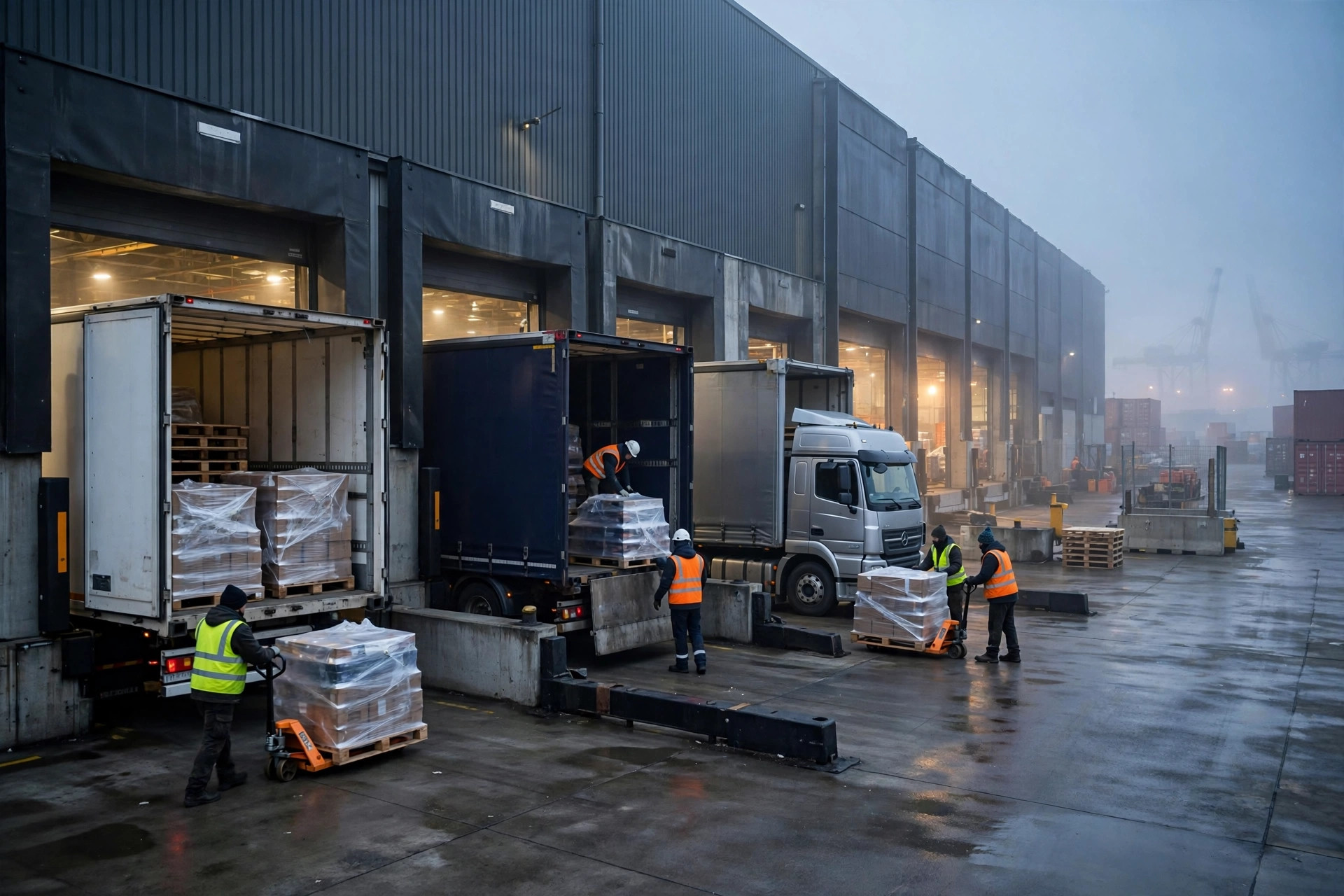
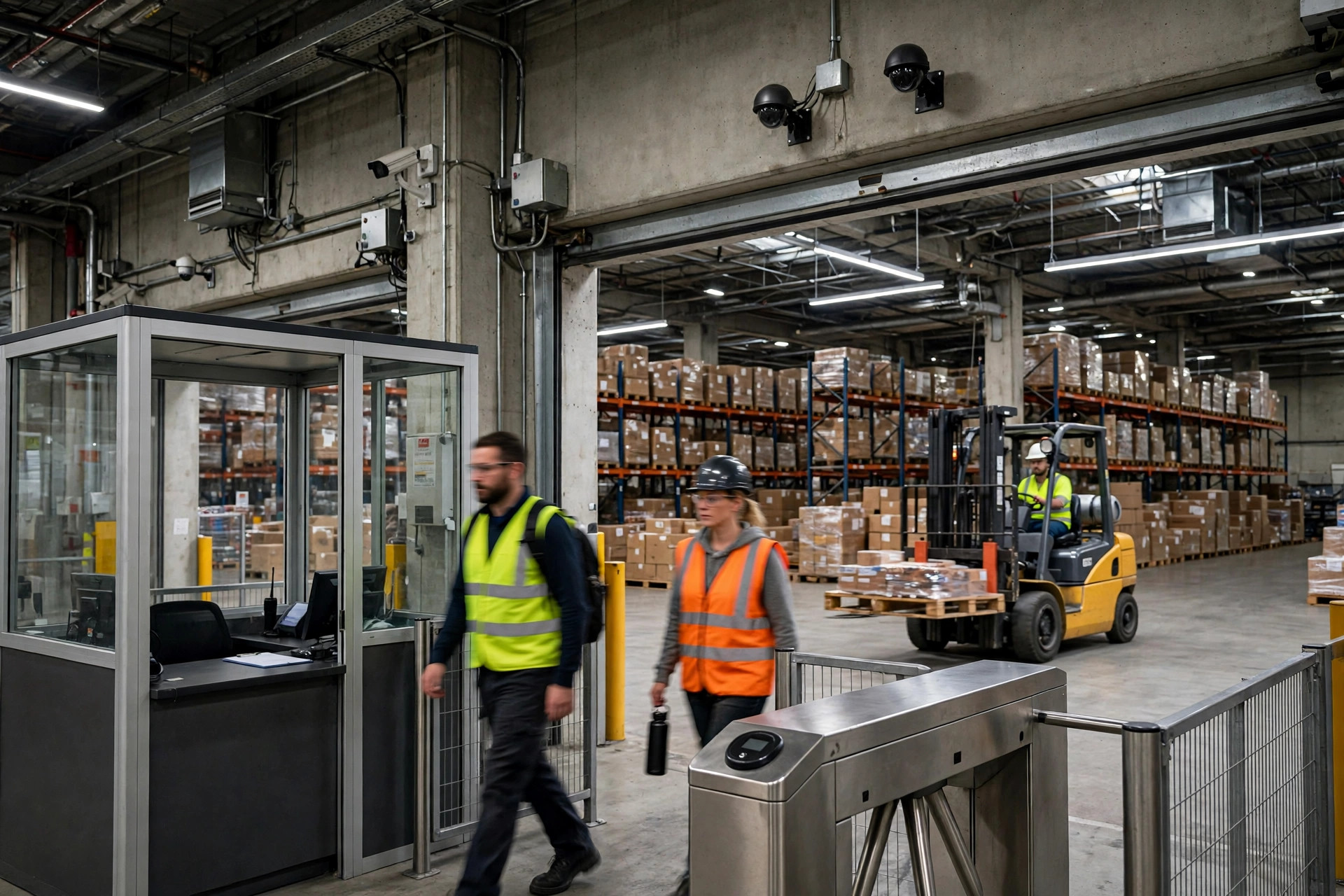
What does that tell you? In Arequipa, the old town's buildings are treasures and its streets are old bones — you cannot force a warehouse into them. The old town is good for a storefront, a showroom, a small pickup point. It is not good for a real warehouse. The places that can actually take a truck, stack pallets, and let vehicles come and go without blocking the street are out in the suburbs. Suburban sites have room: proper docks, yards you can turn a big truck around in, morning inbound and afternoon outbound running on a clean rhythm. Plenty of shippers arriving for the first time insist the warehouse should be as close to downtown as possible, and then their trucks spend every day circling the old town while unloading costs pile up in waiting time and double handling — costing more than a suburban warehouse ever would.
At Altitude, the Truck and the Crew Both Need Slack
A second story. A customer supplying farms and mining camps kept a warehouse in the suburbs, stocked with everyday supplies and packaging materials. One rainy season, part of a mountain road slipped away, and the convoy arrived more than half a day late. The customer rang in a panic, asking whether the few urgent pallets could be pulled out and sent ahead by small van. Luckily that warehouse always kept its stock sorted by urgency, with the urgent goods near the door. Half an hour later the urgent pallets were out and on a van, and the camp did not run out.
After all these years on the road, altitude has taught me three practical lessons. First, trucks lose some punch up here. Climbing loaded, running long distances back to back — service intervals need to be shorter than on the coast, and brakes and tires deserve more frequent checks. Do not wait for a breakdown halfway up a pass. Second, people are the same. Workers newly arrived from the coast will be short of breath on heavy work for the first few days, so rosters need to leave room for them to adjust rather than starting at full intensity. Third, rainy-season road conditions have to be taken seriously. When a mountain road is cut, delivery times stop being measured in hours and start being measured in days, so the warehouse needs a standing safety stock for exactly those moments.
These sound like common sense, yet when the numbers are done, many people still plan with flatland habits: truck times calculated at flatland speeds, crews rostered at flatland intensity, stock levels set as if the road were always open. In Arequipa, get those three wrong and the costs show up somewhere else.
Downtown, Suburbs, or Both? Do the Whole-Trip Math
My advice to any shipper thinking about Arequipa is simple: do not look only at the rent line. Look at the full cost of one truckload from entering the city to reaching the customer.
| Option | What works | What hurts | Who it suits | | Converted old building downtown | Close to customers, easy pickup | Big trucks cannot get in, unloading means double handling, ceiling height and docks usually unsuitable | Sellers who only need a showroom and small self-pickup | | Purpose-built or proper suburban warehouse | Trucks come and go easily, docks, yard and parking all adequate | Further from downtown customers, city delivery needs an extra small-vehicle leg | Shippers doing regional distribution and bulk movements across the south | | Suburban warehouse plus a small city pickup point | Bulk handled at the big site, small orders at the city point, both ends covered | Two sites to run, one more layer of staff and bookkeeping | Sellers with both bulk orders and walk-in small orders |
When you run the numbers, three costs are the easiest to miss. The first is double-handling cost: unloading in the old town doubles labor and time, and that money never appears in the rent but is spent every day. The second is empty running and waiting: trucks circling narrow streets and idling at corners burn fuel and driver hours. The third is the cost of a stockout: when a mining camp or a farm customer runs out, you lose more than one order — you lose the orders after it. Add those three in, and the suburban warehouse that looks far away often turns out cheaper overall.
Routes need a backup plan too. Goods in Arequipa connect one way to the Lima trunk road and the other way to the southern border and Cusco. Before signing a lease, run your two most-used routes until you know them properly: which stretches are trouble in the rainy season, which hours into the city are clear, and where along the way you can stop, swap vehicles, or break down a load in a pinch. Once the routes are known, stock levels and departure times can be set properly. And here is the counterintuitive part: here, bigger is not always better. The right location, a smooth dock, and clearly separated stock locations beat sheer floor area. A small, smooth-running warehouse often makes more money than a big, congested one.
One more thing about farm supplies and mining-support goods: they are not as uniform as standard parts. Some cannot be stacked high, some hate damp, some must be kept in separate batches. The most useful warehouse habit is to mark batch and destination clearly on arrival, not to stack greedily high, and to have pallets and tarps ready for damp weather before the rains come. When a shipper arrives to collect, finding their goods at a glance beats any fancy system. In this business, the whole game is making people drive fewer wasted miles and wait fewer wasted hours.
There is an old saying among drivers: get the road right, and the goods will follow. In Arequipa, do not fight the old town's narrow streets, and do not apply flatland experience to a highland ledger. Put the warehouse in the suburbs where trucks can move, learn the routes properly, and keep a reserve for the rainy season — that is how a business stands steady on the plateau.
By Shifu Zhao, Trucking Veteran (15 yrs)