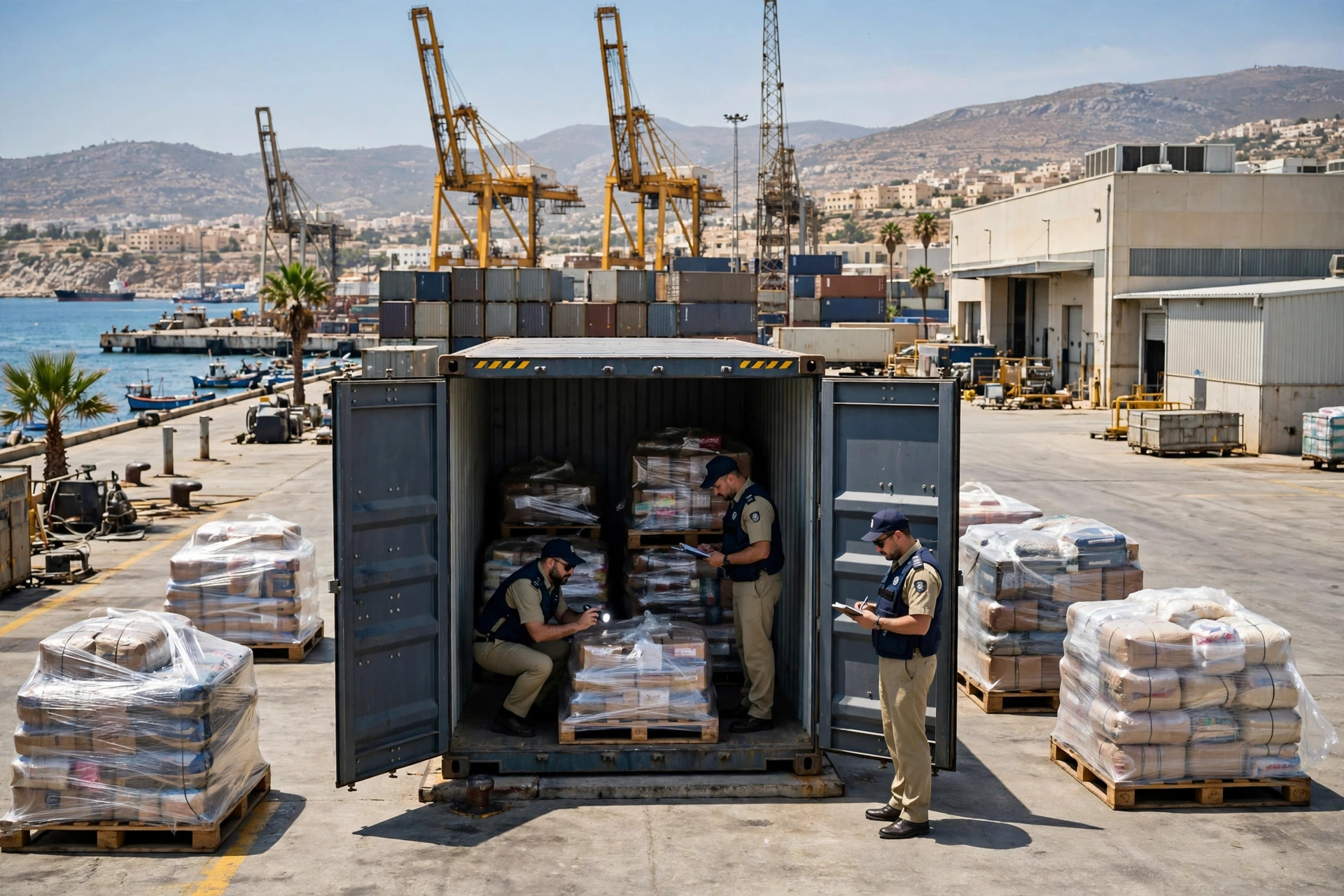
Bottom line up front: if you want to set up warehousing and distribution for imports in Algeria, you must pass three gates — a local importing entity registered with the CNRC, a NIF tax number plus bank domiciliation, and HS code pre-classification. Miss any one of the three and your freight sits at the Port of Algiers, burning money by the day. This piece walks through the three gates, the distribution operations, and the failure points, in checklist form. Follow it step by step.
Why These Three Gates
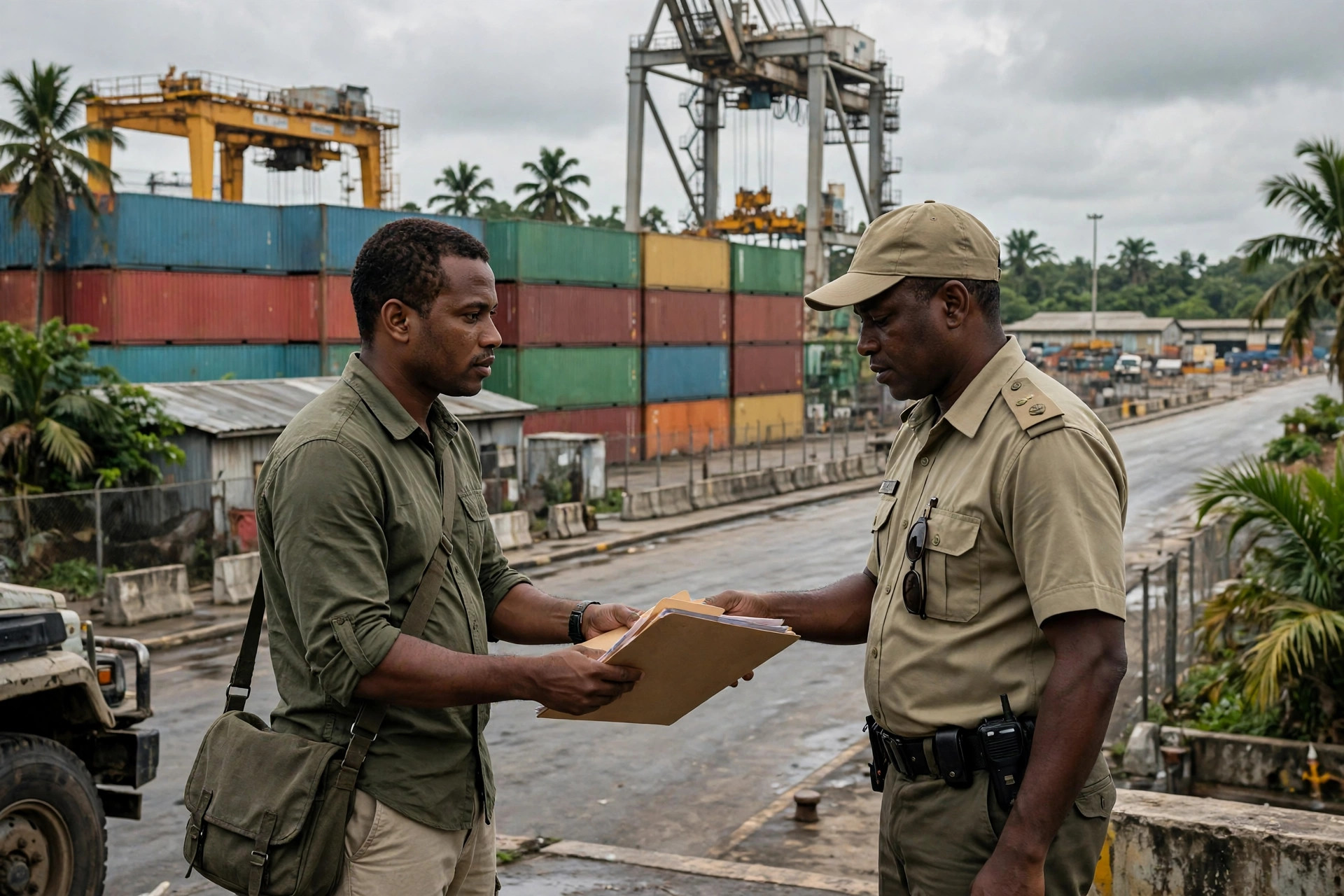
Algeria's import logic works differently from most countries: a foreign company cannot act as the importer. No matter how big your brand is back home, the importer of record on the customs declaration at Algiers must be a local entity registered with Algeria's CNRC (the commercial registry), holding a NIF (tax identification number), with a bank domiciliation (import payment registration) in place. Without all three, customs won't even accept the filing.
The second hurdle is localization. Businesses importing for resale have historically faced a majority-Algerian ownership requirement — old hands remember 51/49. The 2020 finance law loosened this for non-strategic sectors, but the list of "strategic sectors" and the enforcement details keep shifting. My advice: don't guess. Get the latest reading from a local law firm, and write "subject to the latest official policy" into your contracts. I've seen this pitfall three times — three times a client walked in with a years-old playbook saying "didn't they relax it?", only to find their product category sitting squarely on the restricted list, with all their upfront investment wasted.
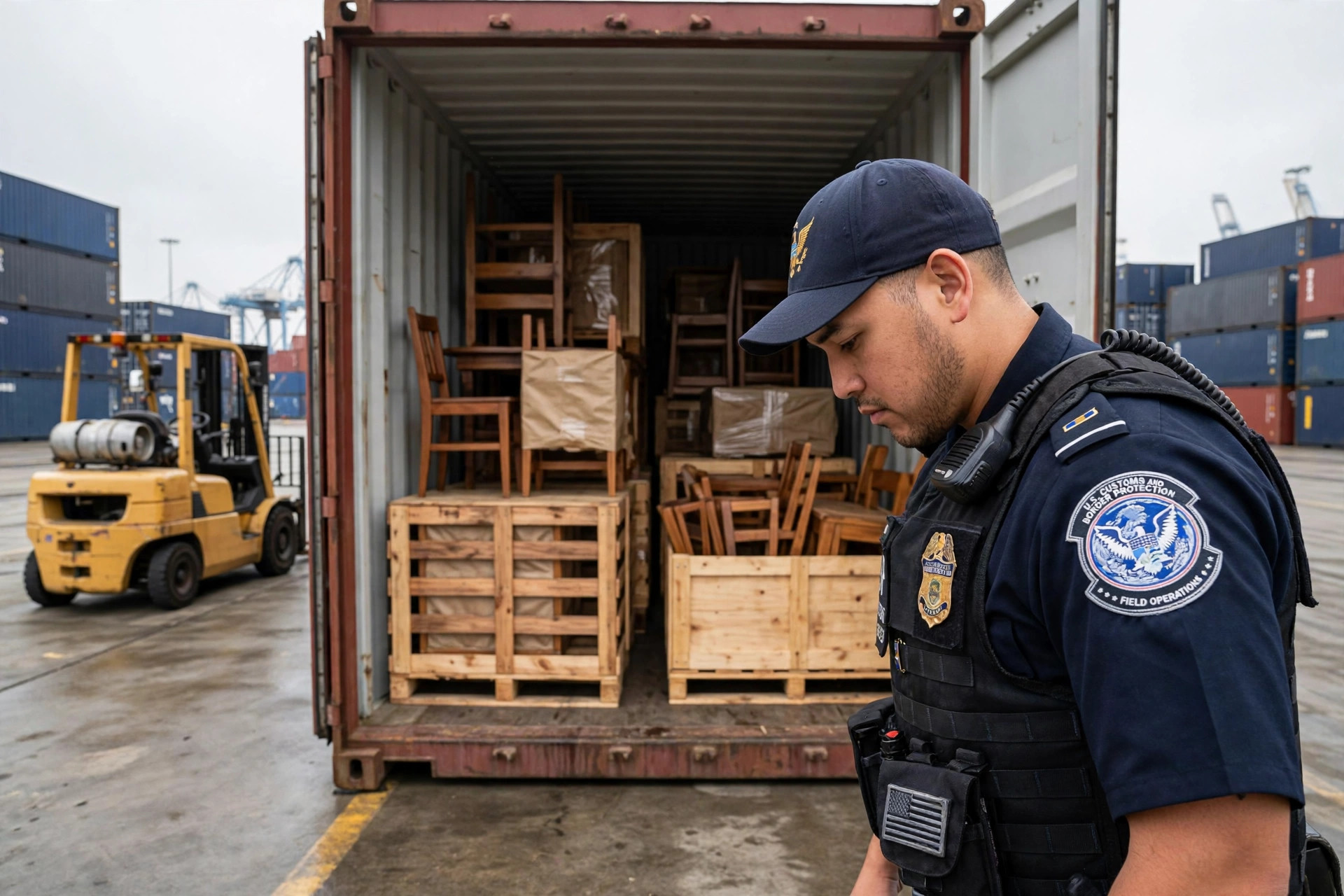
The third gate is HS codes. Algerian customs scrutinizes classification hard: wrong code means back taxes at best, seized cargo at worst. Pre-classification isn't optional. It's mandatory.
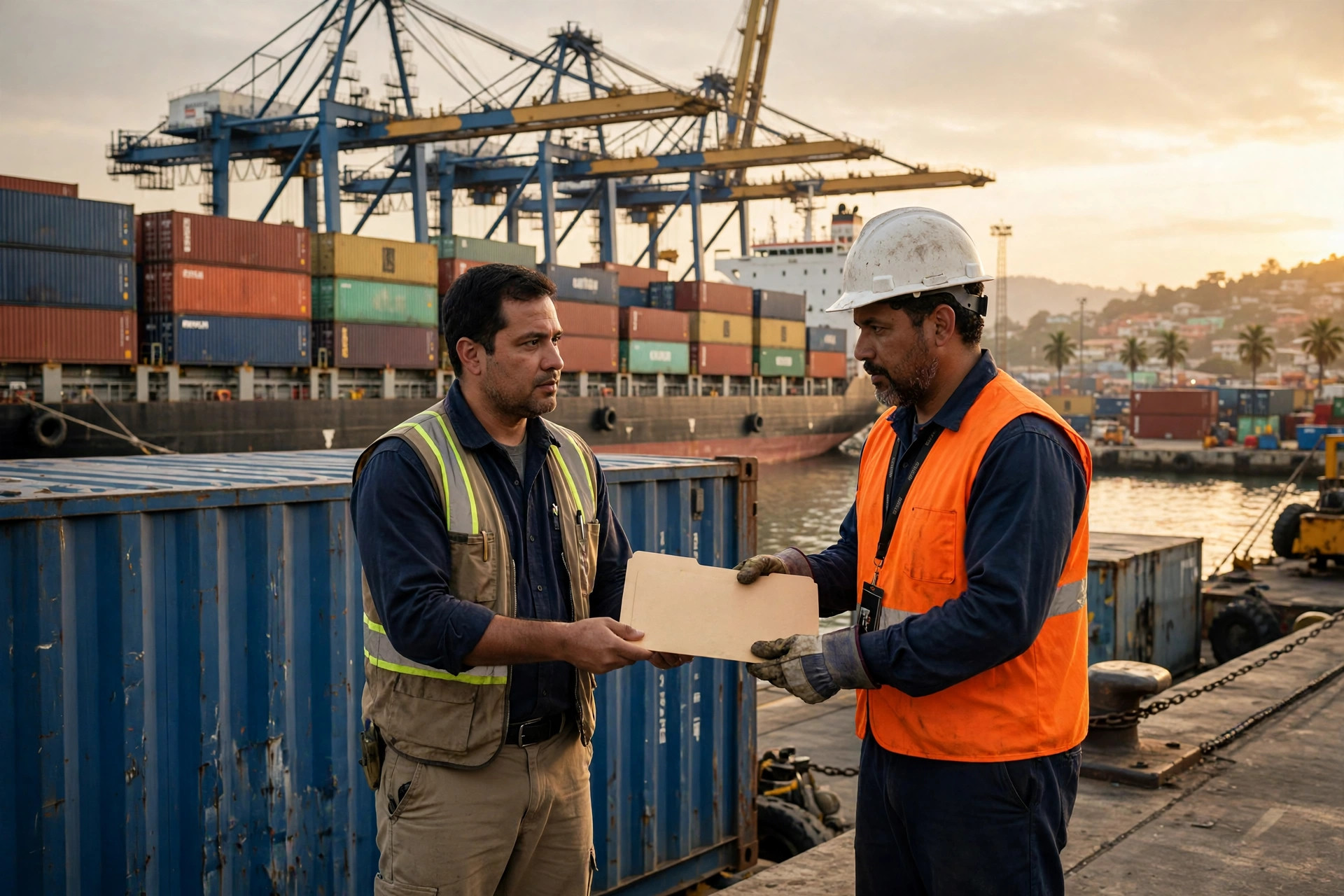
Last year a home-appliance client learned this the expensive way. His freight reached Algiers before anyone noticed the local importing partner's NIF was fine but the bank domiciliation wasn't finished — customs wouldn't release. The container sat in the port for 18 days while demurrage and storage piled up. Worse, the shipment was timed for the Ramadan selling season; missing the window killed the entire promotion plan. The most forgettable of the three gates cost him the whole campaign.
Step by Step: From Zero to an Operating Warehouse
Step 1: Build the compliant entity. Two routes, pick one.
| Factor | Route A: Register your own company | Route B: Partner with a local importer |
|---|---|---|
| What it takes | Full CNRC registration, NIF, bank account, domiciliation | Due diligence on the partner, cooperation agreement |
| Timeline | Measured in months | Measured in weeks |
| Fits | Brands committing long-term | Brands testing the waters first |
| Risk | Heavy upfront investment, long cycle | Cargo title and return liability must be in the contract |
If you go with B, the contract must nail down three things: who is the importer of record with customs, who actually owns the cargo, and who handles re-export if there's a quality problem. Leave any of them vague and everything downstream becomes a dispute.
Step 2: Pre-classify every HS code. Run your full SKU list through classification; get advance rulings on anything debatable. Feed the results straight into your WMS item master — that's the foundation for all the automation later. Cargo with shaky classification should be stopped in your home-country warehouse, not shipped to Algiers to pay tuition.
Step 3: Pick the warehouse location. Algiers is the default choice: the port, the capital's consumer market, and the customs resources are all there. Oran is the runner-up: the western hub, covering the western market, usually friendlier rents than Algiers. Pick one based on where your freight actually sells. Don't try to cover the country on day one — get one city running smoothly first.
Step 4: Plug into local couriers. Yalidine is one of the bigger homegrown express companies in Algeria, and e-commerce parcels mostly move through it. Heads-up: its pickup network and system-integration maturity are not in the same league as the couriers you're used to — keep a manual fallback in your WMS integration plan. Don't expect one API to solve everything; semi-manual is the norm.
Step 5: Model the COD cash cycle. Cash on delivery dominates Algerian e-commerce — industry Q&As put it above eighty percent. That means your cash-flow model has no T+1: it's courier collection plus batched settlement, T+N. Fees, refusal rates, bad debt — all three go into the cost model. I've watched too many clients book collected cash as revenue while their cash flow quietly bled out.
Algeria Distribution Operations: Data Automation Is the Real Cost Lever
Clients keep asking me: should we invest in warehouse automation hardware in Algeria? My answer: automate your data first, then talk about equipment.
Three data-automation moves:
- Put HS codes in the item master and auto-validate declared descriptions at inbound scan. Cargo with classification problems gets stopped at receiving, not at customs inspection. One inspection costs more than a hundred validations.
- Unify the document data flow. Packing lists, invoices, certificates of origin — enter the data once, and let WMS, brokerage, and finance all consume it. I've seen too many clients keying the same data into three systems; one wrong digit adds three days of inspection. Single entry is the iron rule.
- Automate COD reconciliation. Courier settlement data auto-matches against orders; exceptions get flagged automatically. A team reconciling COD by hand will break in peak season — volume triples, headcount doesn't.
Equipment automation — conveyors, AGVs — can wait until volume stabilizes. Algeria's warehouse rents and labor costs haven't reached the point where automation is mandatory. Get the data flowing first. Get the sequence wrong and the more expensive the equipment, the faster you lose money.
Algeria Import Distribution Pitfalls: I've Seen This Three Times
Failure point one: fuzzy cargo title. Partnering with a local importer without defining the relationship between the "importer of record" and the "actual cargo owner" in the contract. When a quality issue forces re-export, customs only recognizes the importer of record — and the cargo can't move. I've seen this pitfall three times, and all three taught the same lesson: contract first, cargo second.
Failure point two: guessing at HS codes. Sales pushes for a lower-duty code to save on taxes. Customs inspects, and it's back taxes plus fines plus seized cargo. The tax saved versus the fine paid differ by an order of magnitude. You can do that math yourself.
Failure point three: treating COD collections as profit. Booking collected cash as revenue while forgetting refusals, damage, and settlement cycles. In your cash-flow model, count COD cash in transit as at least two weeks. Pretty books with empty accounts is the most dangerous way to die.
Failure point four: picking warehouses on rent alone. In Algiers, the cheapest rents tend to sit at the edge of courier pickup coverage. One fewer pickup run per day means COD cash arrives a day later. Check courier coverage first, rent second. Rent is the visible ledger; the settlement cycle is the hidden one — and the hidden one costs more.
One line to close: in Algerian distribution, compliance is the 1 and operations are the zeros after it. With the 1 in place, automation, location, and courier integration all mean something. Without it, no number of zeros adds up to anything.
By Lin Xiao, WMS Implementation Consultant