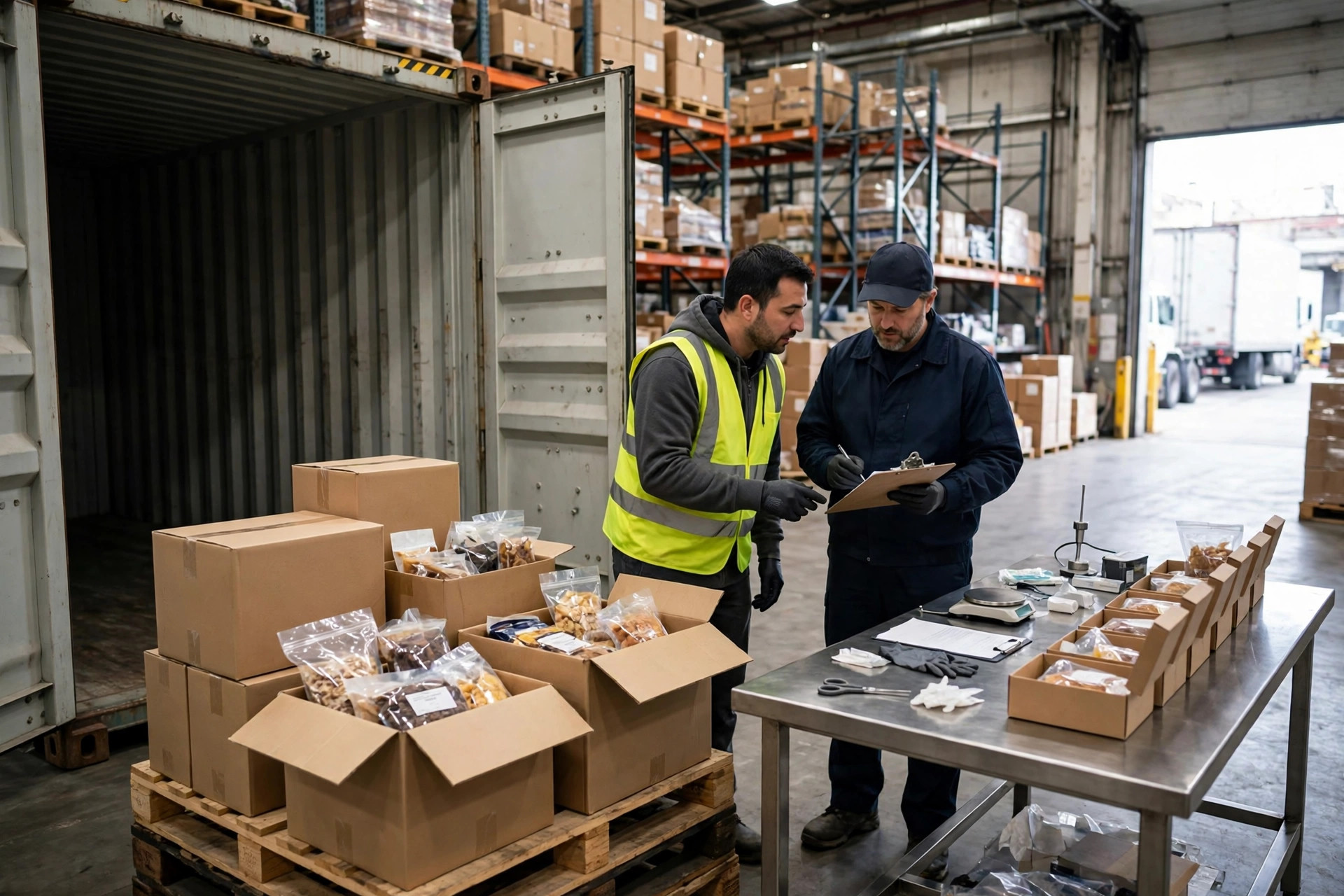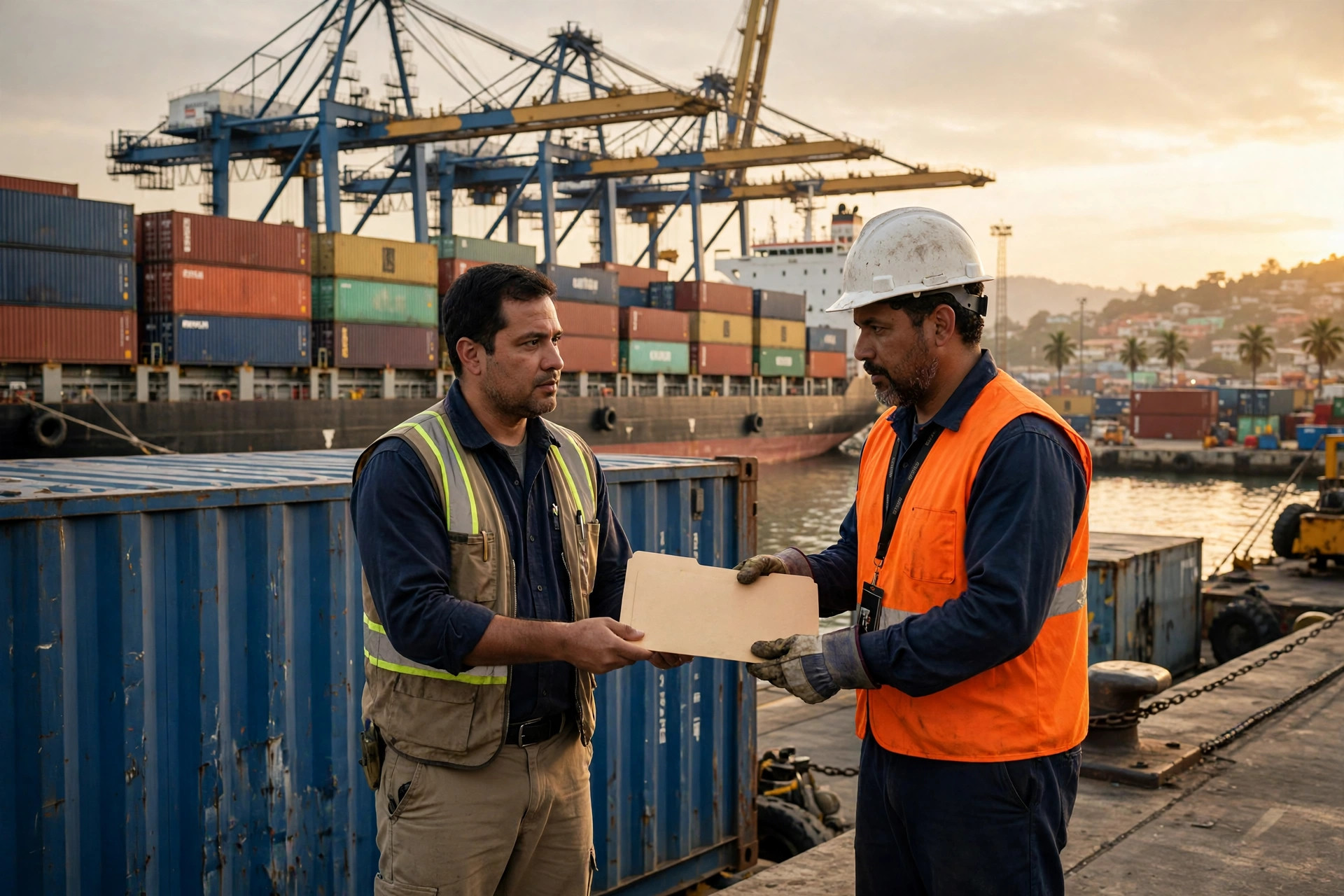
One of our clients tried the Venezuela import customs clearance process for the first time last year — a 40-foot container of auto parts, DDP Caracas. "Door to door, duties covered," the client said, and our sales rep promised it on the spot. Three weeks after the box landed in Puerto Cabello, the agent's bill arrived: taxes and fees on the SENIAT side alone had eaten 70% of the margin on the job. Sales came to me asking, "Where did this 16% IVA come from?"
From the line nobody priced into the contract. Here's the full breakdown of the Venezuela import customs clearance process: how SENIAT filing works, why the RIF is a hard precondition, and the sanctions screening step most shippers never see coming.
An honest word from the forwarder's side of the table: Venezuelan clearance isn't hard because the process is complex. It's hard because every step has someone who can hold you up — and your quote usually only covered the ocean freight.
The Venezuela Import Customs Clearance Process in Five Steps
Venezuela runs tax and customs through a single authority: SENIAT. Declarations go through its electronic system, every document must be in Spanish, and the commercial invoice has to be the original — photocopies are not accepted. That's straight from the U.S. Commerce Department's export guide.
A complete filing runs like this:
Step one, importer qualification comes first. The consignee needs a RIF (Registro de Información Fiscal) — Venezuela's fiscal ID number. Without a RIF, the customs broker can't even create the declaration. Get this done before the vessel berths; while the ship is still at sea you have time, once it's alongside you've run out of it.
Step two, document pre-check. Commercial invoice, bill of lading, packing list, certificate of origin — all mandatory; food and pharma need sanitary permits. Insurance and freight must be itemized separately on the invoice, and you quote both CIF and FOB — customs assesses duties on the CIF value.
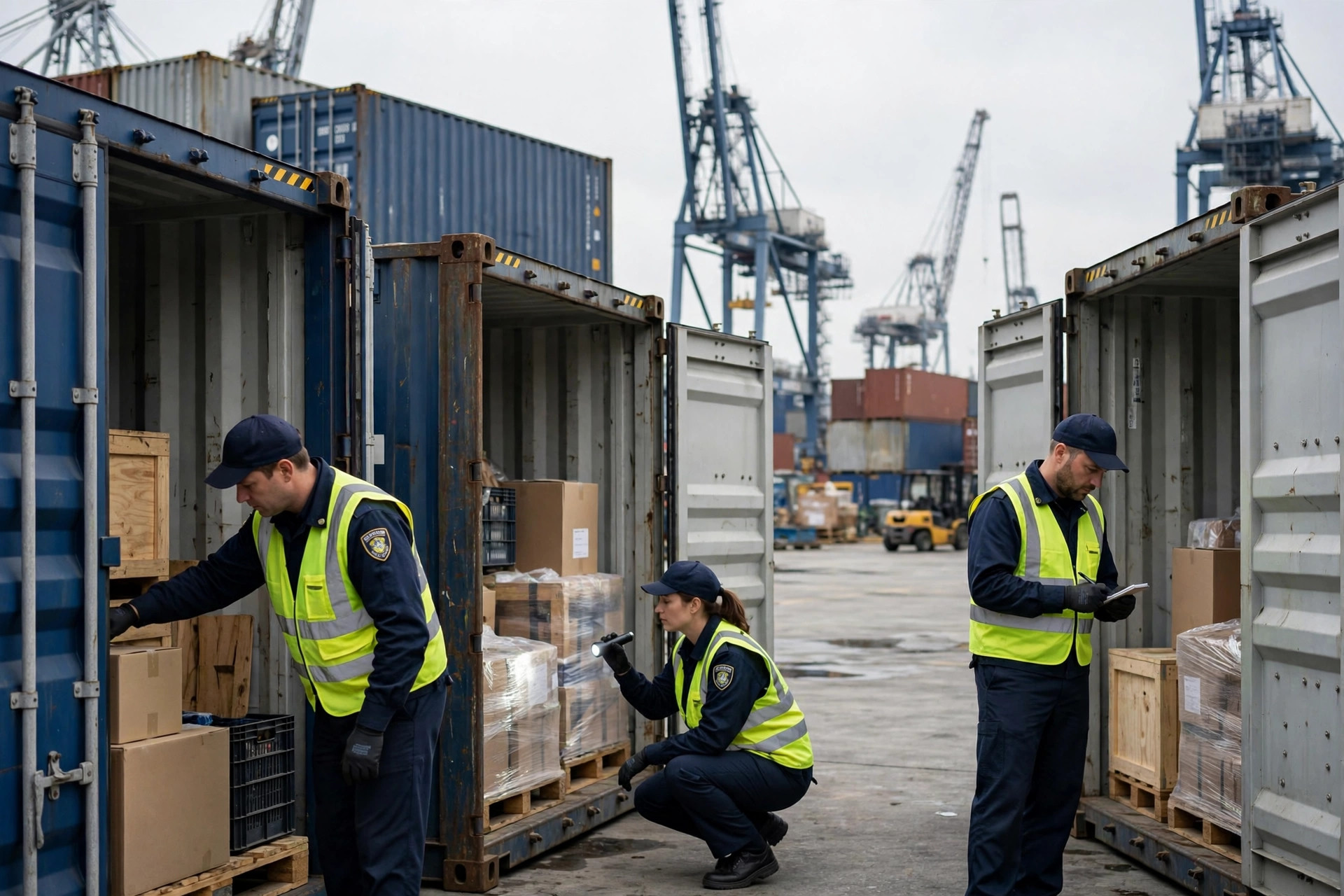
Step three, the broker files. Clearance in Venezuela must go through a licensed customs broker filing in the SENIAT system. The importer supplies the tariff codes; one declaration can cover multiple items for the same project, each listed with its own code.
Step four, pay then release. Import duties (5–20% depending on the tariff line; private vehicles are an outlier at 35%) plus 16% IVA, all payable before release. Watch the math order: IVA is assessed on CIF value plus duties plus customs service charges, not on the goods value alone. There's a 15% IVA band for luxury goods and an 8% reduced rate for items like basic foodstuffs and domestic air travel — rates can change year to year, so have your broker re-verify against the current tariff before you quote.
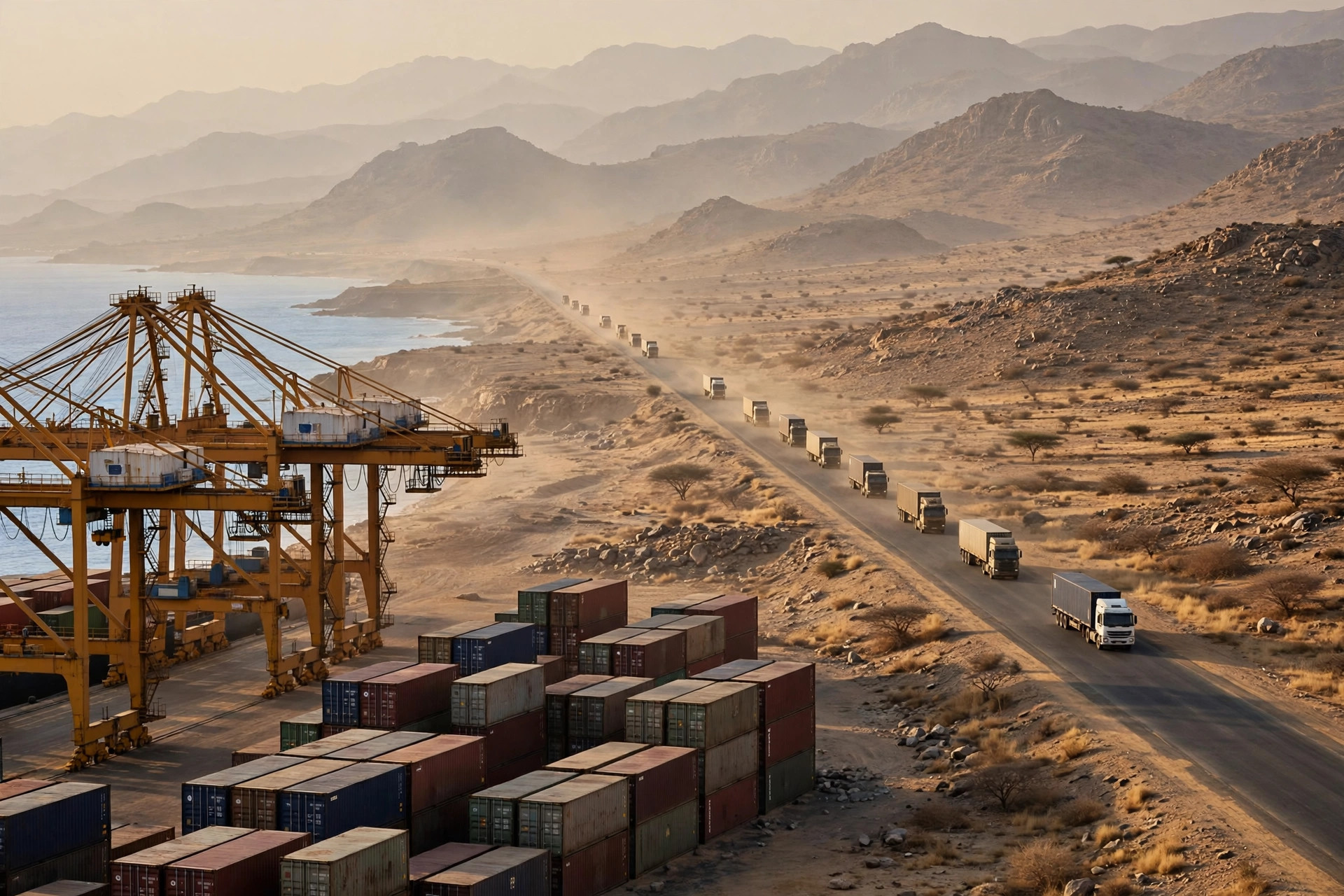
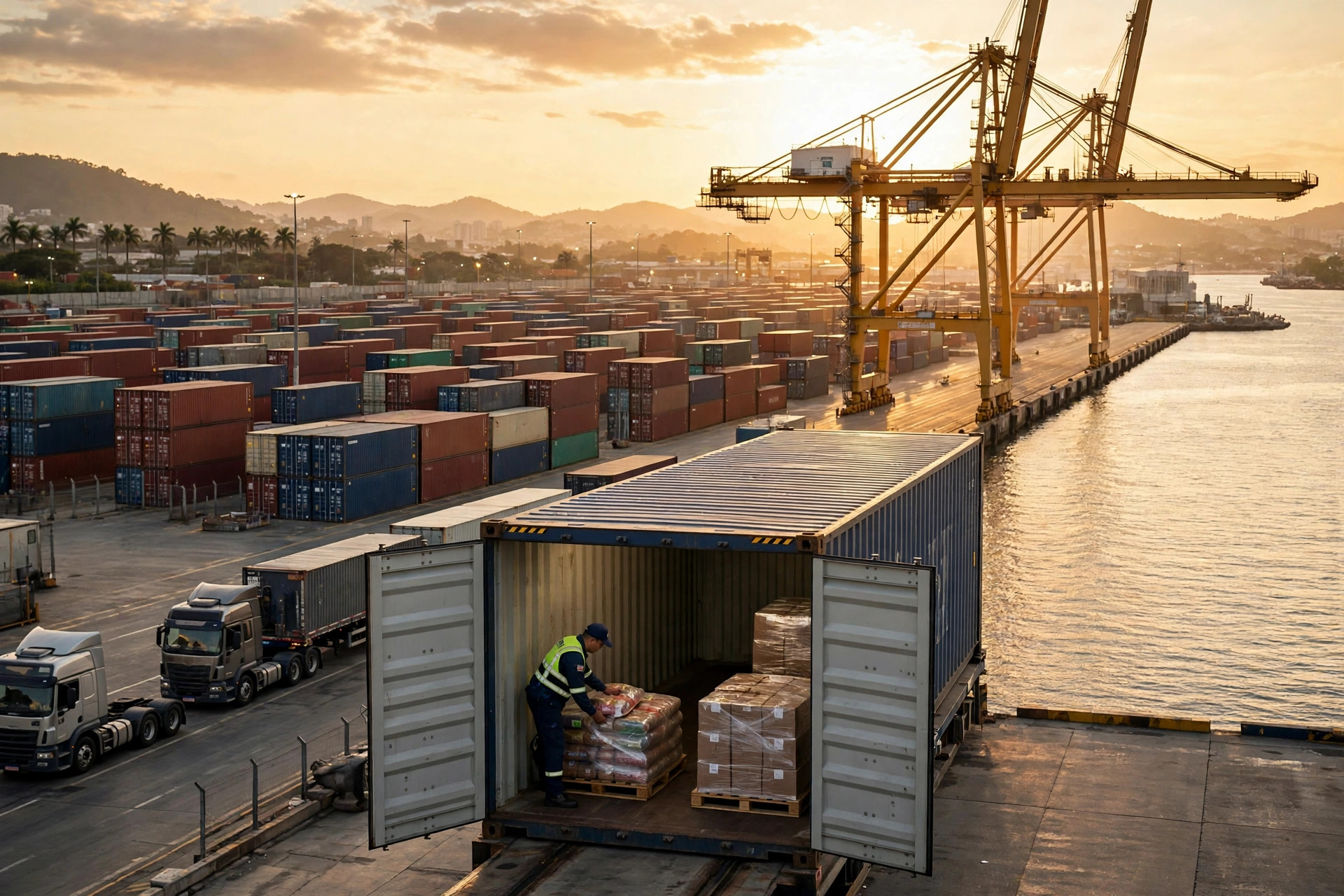
Step five, pickup and inland. Puerto Cabello is Venezuela's largest container port; La Guaira is closest to Caracas. From Miami to Puerto Cabello, full-container ocean transit runs 7–14 days (forwarder-published schedules), but plan door to door on a 3–5 week basis — clearance and inland drayage are the variables. After the June 2026 earthquake shut La Guaira's terminal, several carriers temporarily diverted to Puerto Cabello — check your carrier's current port rotation before booking; don't sail on old habit.
The 16% IVA: The Line Most DDP Quotes Forget
Back to our auto-parts client's math. DDP Caracas meant every tax and fee from Puerto Cabello clearance onward was on the seller. Our rep had priced ocean freight plus the broker's fee and stopped there.
Here's the reconstruction, using the client's own declared value and public rate schedules:
| Cost line | Basis |
|---|---|
| CIF goods value | Declared value; freight and insurance itemized on the invoice |
| Import duty | Tariff band 5–20%; auto parts typically land around the 10% band — verify against the current schedule |
| IVA | 16%, assessed on CIF + duty + customs service charges |
| Broker + port charges | Actuals, quoted per port per box |
| Total tax load vs. goods value | Easily reaches 25–30% |
See it? The 16% IVA isn't calculated on the goods value — it's calculated on goods value plus duty plus service charges. Tax on tax. Leave that line out of a DDP quote and you've just prepaid SENIAT's bill for your client. The forwarder's iron rule on Venezuela DDP: put taxes on their own line in the quote, with rates marked "per the broker's verification against the current SENIAT schedule."
The RIF: An ID You Can't Borrow
The second client's story is even more typical. A trading house new to Venezuela asked us: "The RIF takes time to get — can we file under your forwarder's RIF first and sort it out after the cargo releases?"
I told them to forget it. The RIF is the importer's fiscal identity. In SENIAT's system, the declaring party, the tax-paying party, and the cargo-claiming party must be one and the same. File under someone else's RIF and at best the declaration bounces back while your box burns demurrage in the port; at worst it's treated as a false declaration and the cargo gets seized. Venezuelan customs takes "name doesn't match" far more seriously than you'd expect.
There's exactly one correct way: the consignee gets its own RIF in advance, and the consignee name, RIF number, and B/L consignee match character for character across every document. One letter off and the broker has to amend — amendments take time, and time is demurrage. This is the conversation to have with the client at quoting stage, not after the vessel sails. The RIF isn't a "we'll figure it out" item; it's a precondition.
Sanctions Screening: The Step the Venezuela Import Customs Clearance Process Most Often Misses
This is the most counterintuitive part of the whole story — and the kind of thing only the forwarder's side of the table knows.
Most people assume the sanctions risk in Venezuela sits with customs. It doesn't. Customs only cares about SENIAT's money. The real choke point is the money trail. The U.S. Treasury's OFAC runs targeted sanctions on Venezuela (31 CFR Part 591), not a comprehensive embargo — the Commerce Department puts it plainly: as long as your counterparty isn't on the SDN list and isn't the Venezuelan government, PDVSA, or an entity 50%-or-more owned by them, private-sector business can proceed.
But "can proceed" and "your bank lets it proceed" are two different things. Every bank in the chain — remitting bank, intermediary, beneficiary bank — screens all parties against the SDN list, including the 50% rule look-through (entities indirectly 50%-or-more owned by a sanctioned party are hit too). One of our U.S. clients had a wire held by an intermediary bank's compliance team because the beneficiary's name contained a word "resembling" an SDN-listed entity. The money sat for two weeks. The box sat in Puerto Cabello for two weeks. Demurrage kept ticking.
So for Venezuela business, run sanctions screening on three layers:
First, screen the people. Consignee, notify party, payer, intermediaries — run the full set through OFAC's SDN search and keep written records. OFAC's recordkeeping requirement is five years.
Second, screen the money route. Ask the client which clearing path the payment takes before you quote. Dollar clearing through U.S. correspondent banks gets the strictest compliance review; euro or regional-bank routes may be smoother, but pre-clear with the bank's compliance team either way.
Third, watch general license expiry dates. OFAC's general licenses turn over every few months — some expire without renewal, some get tightened. In January 2026 OFAC issued a fresh batch covering oilfield equipment. Policy changes faster than vessel schedules, so long-term contracts need a clause covering sanctions-regime changes, with re-pricing rights.
Next Time You Negotiate the Contract, Ask These Three Questions
The Venezuela import customs clearance process isn't mysterious: RIF first, original Spanish documents, broker filing, pay-then-release. But three traps in this lane have to be closed in the contract before they open in the port:
Ask the client: "Is the RIF done? Does the B/L consignee match the RIF name character for character?" — don't wait until the vessel has sailed to ask.
Ask yourself: "Does my DDP quote list the 16% IVA and duties on their own line, at rates re-verified by the broker?" — with tax-on-tax math, one missing line sinks the job.
Ask the bank: "Has the payment's clearing path been pre-cleared by compliance? Is the SDN screening documented in writing?" — customs can release the cargo while the money never arrives, which is the same as not releasing it at all.
The client only cares whether the goods arrived. The forwarder's job is the long string of line items before they do. On the Venezuela lane, priced right it's good business; priced wrong it's charity work.
By Susan, 3PL Sales Director