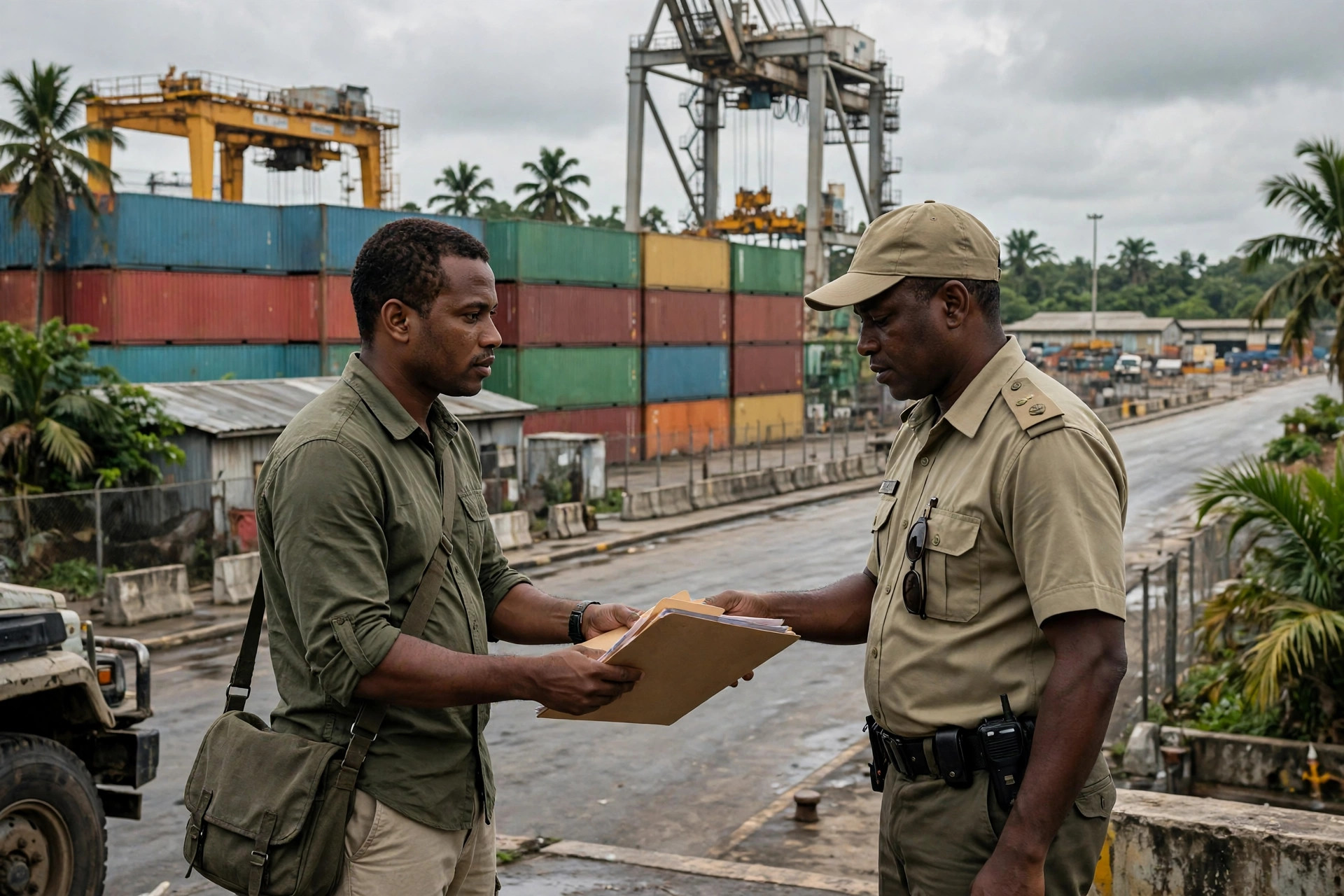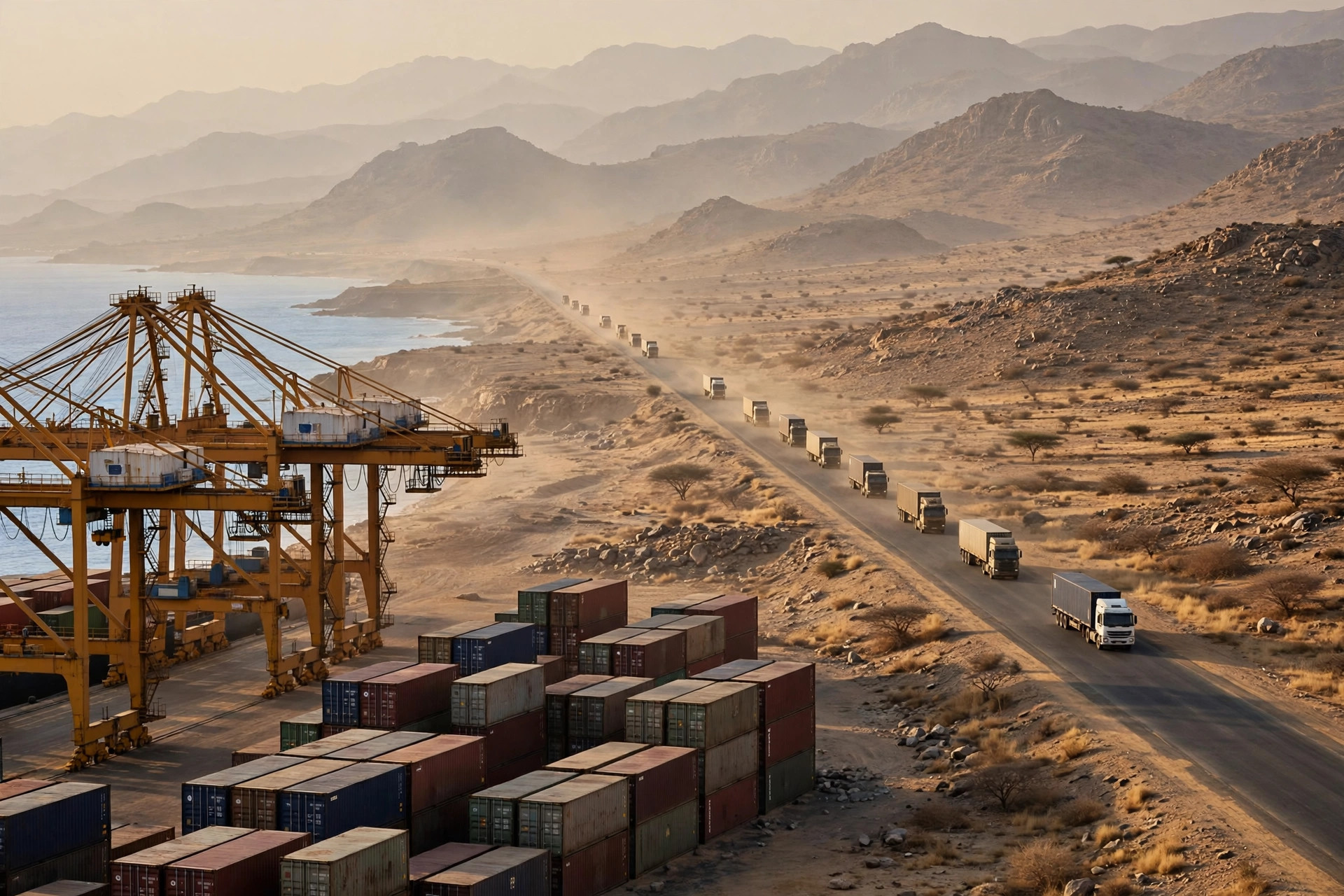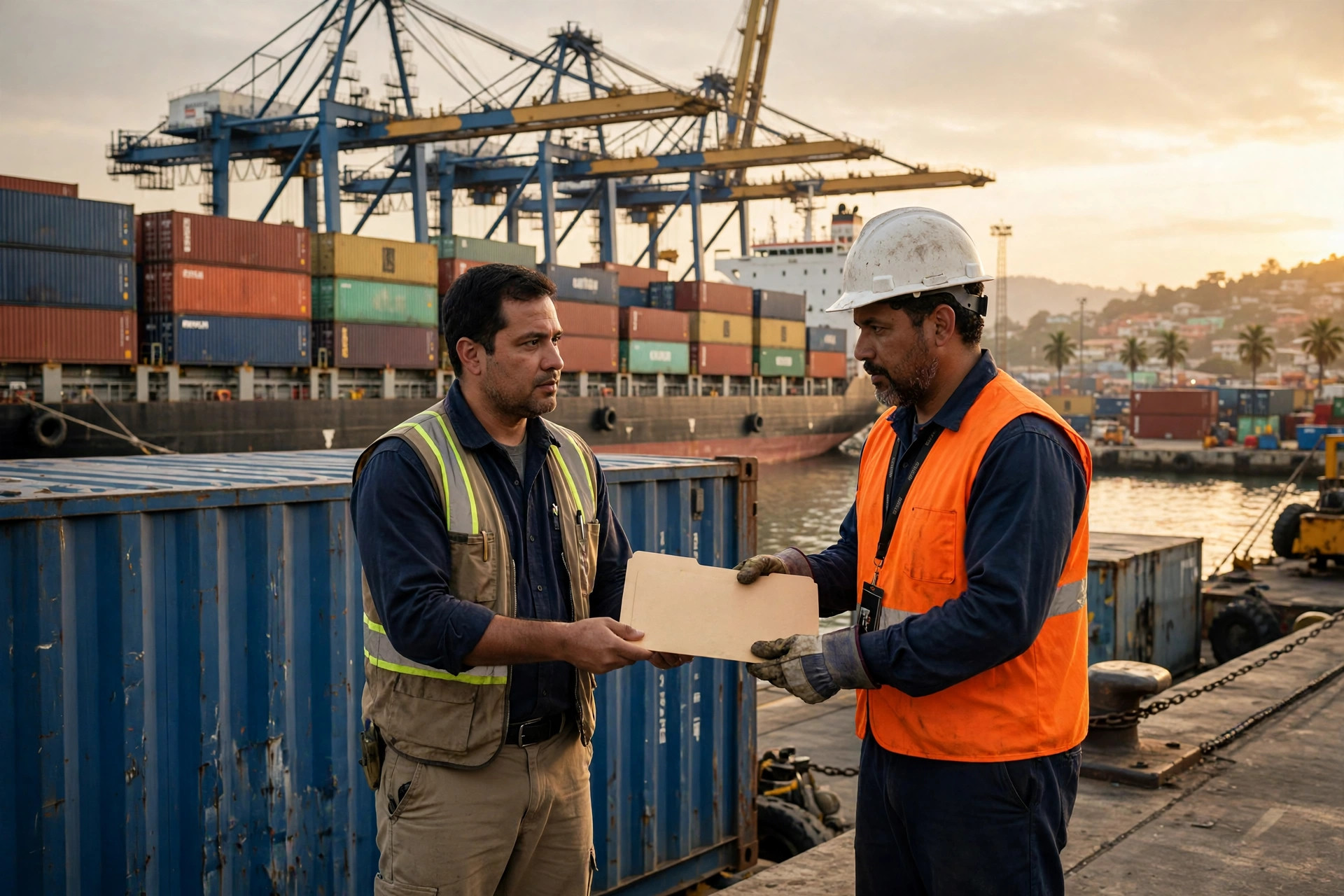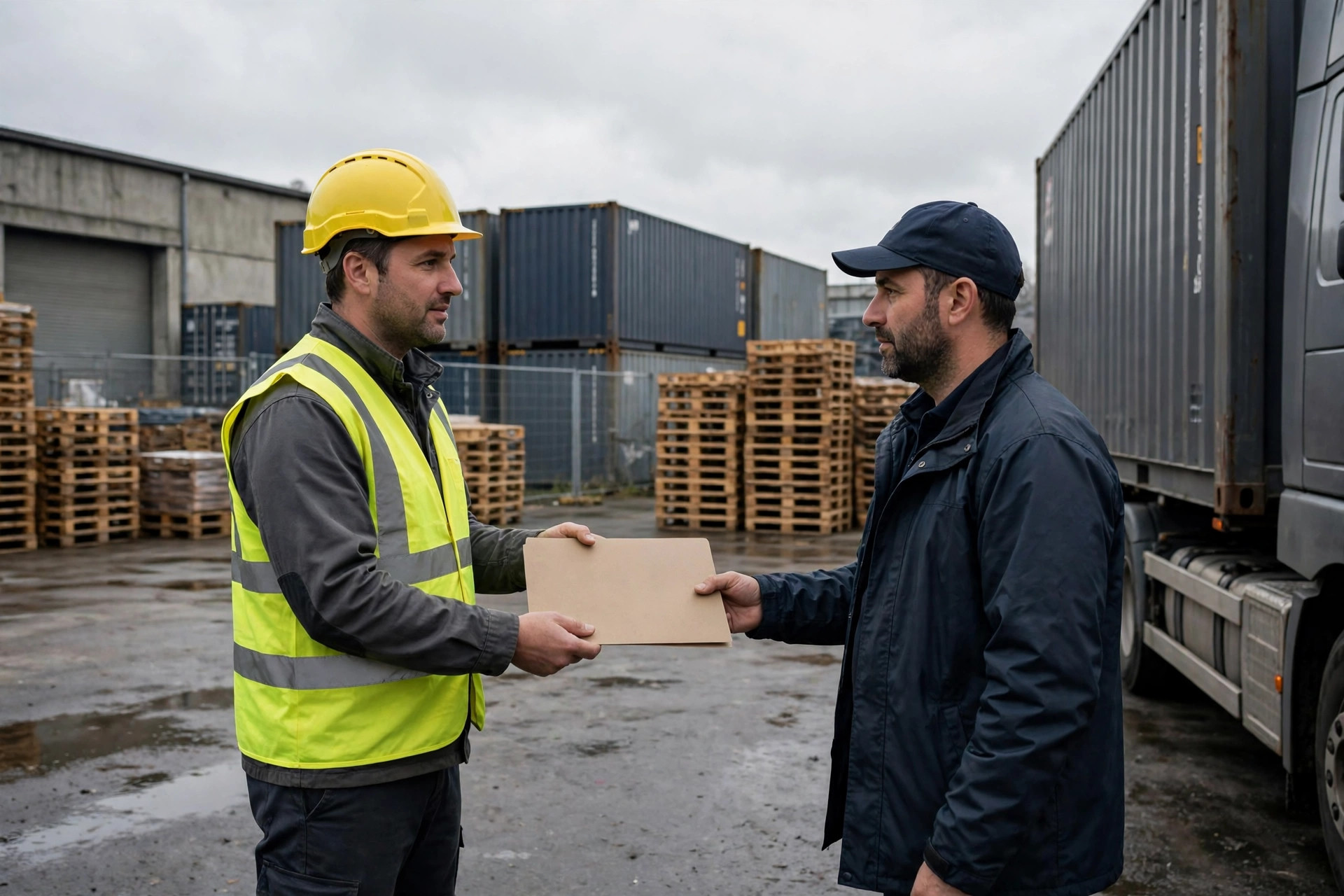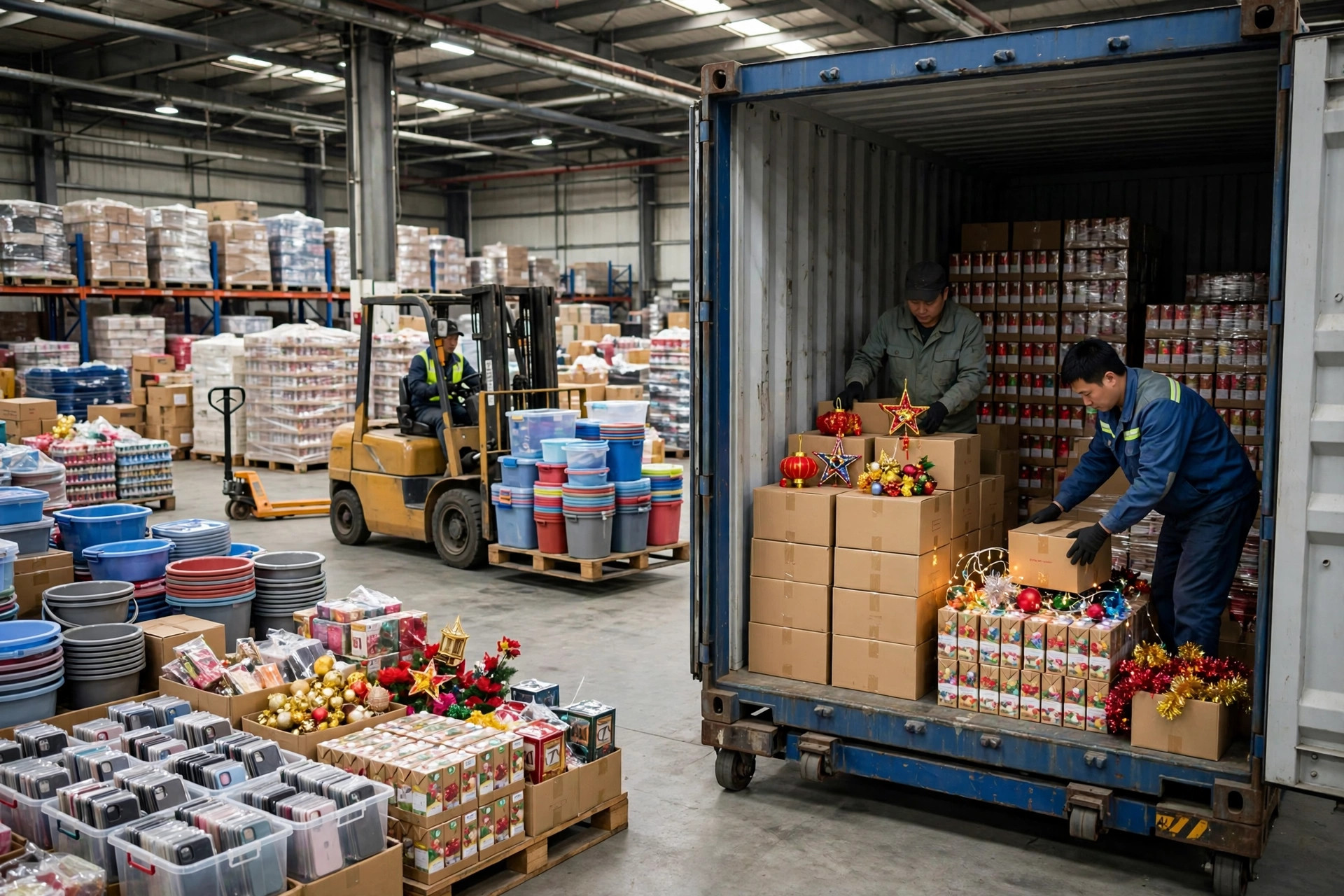
Let me tell you something. I've been running the Yiwu route for years, and back in the fall of 2023 I stood at the gate of a consolidation warehouse next to the small-commodities market, watching box truck after box truck back in to unload — Christmas light strings, plastic storage bins, phone cases, goods from a dozen different merchants, all getting stuffed into one 40-foot container. The warehouse boss handed me a cigarette and said, "Shifu, this shipment goes out under market procurement 1039. Single declaration capped at 150,000 US dollars. Customs accepts that number, and so does the bank."
My first thought was: if this lane had existed a few years earlier, a lot of small bosses would never have had to gamble on buying someone else's export paperwork.
What 1039 actually is: a lifeline for merchants who can't get invoices
Market procurement 1039 is, plainly put, a dedicated lane customs opened for small-commodity exports. Supervision code "1039." Under the General Administration of Customs Announcement No. 221 of 2019, the deal is: buy goods inside a recognized market cluster, keep each customs declaration at or under 150,000 US dollars in value, and a qualified operator handles export clearance right there at the place of purchase.
It has three practical advantages, each aimed at a real pain point for small merchants:
First, tax-exempt, no refund. Under the Cai Shui [2018] No. 89 policy on market procurement exports, eligible exporters in pilot areas get VAT exemption on goods that haven't gone through export tax refund procedures. Note the wording: exempt, not refunded. Sounds like a free lunch — I'll do the math on that later.
Second, no invoice, no problem. Suppliers who can't produce special VAT invoices can still export. That one sentence cures a headache shared by countless small factories and market stalls.
Third, simplified declaration. When one declaration covers more than five product varieties, customs allows a simplified filing. Anyone who's done small-commodity exports knows: dozens of SKUs on one ticket, item-by-item declaration, will drive a customs broker insane.
There's a fourth point most people miss: the foreign exchange regulator has dedicated support policies for market procurement trade settlement (Hui Fa [2020] No. 11), so operators can settle foreign exchange through banks on the compliant path. Check current bank and SAFE rules for the exact procedure. Once that lane works, the money comes home clean.
Old Chen's pivot: from bought paperwork to 1039
Old Chen has sold holiday decorations out of Yiwu for over a decade — Christmas, Halloween, dozens of containers a year. Before 2022, he always exported on bought paperwork: no import-export license of his own, so he paid to borrow someone else's export title.
Then in the fall of 2022, a shipment to the Middle East got pulled for inspection at Ningbo port, and the company whose title he'd bought stopped answering the phone. The goods sat in the port for over half a month while his customer called every day, and his deposit nearly evaporated. Years earlier he'd had money frozen for three weeks going through an underground money changer. He told me his hair went visibly gray that month.
In 2023 he switched to 1039. Still no license of his own, but now he works through a qualified operator in the pilot market: each declaration around a hundred thousand dollars, under the 150,000 cap; VAT exempt, no refund claimed; suppliers without special invoices don't hold anything up; settlement goes through the bank, and the money lands with peace of mind. His words: "I used to make money scared. Now I make money sleeping well. How much is a separate question."
The Dalang consolidation warehouse: how you account for a dozen merchants on one ticket
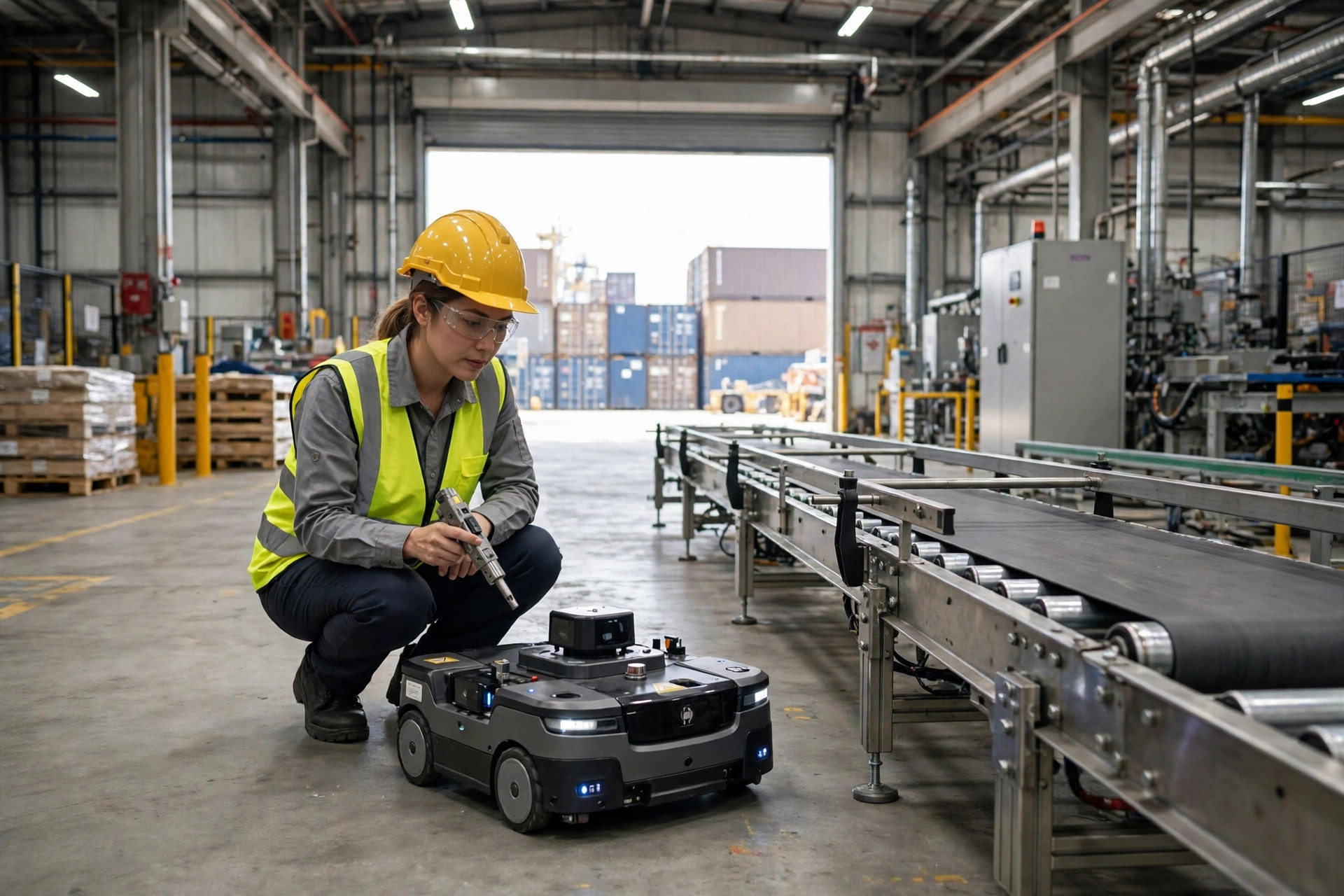
In the spring of 2024 I ran a load of hardware fittings from Dalang, Dongguan, down to Huangpu port. I walked into the consolidation warehouse doing the shipment, and it opened my eyes: a 2,000-plus square meter floor, goods from a dozen-plus merchants staged in zones, workers scanning with PDAs — one scan of the shipping mark and you know exactly which ticket a carton belongs to.
The boss walked me through the warehouse math of consolidation. Five jobs:
Collecting: goods from multiple merchants arrive separately and get staged by ticket. One missing carton and you're chasing it down.
Sorting: split by declaration ticket, by shipping mark, by destination port. Mix up one ticket and it's an incident.
Container loading: how to pack a 40-footer for maximum cube — heavy at the bottom, light filling the gaps. That's craft.
Declaration handoff: the packing list must match the declaration line by line — variety, quantity, value, zero errors.
Evidence: photos of the loading, seal numbers on record. When an overseas customer disputes, those photos are everything.
What impressed me most was the scanning at the sort stage. A dozen merchants, dozens of varieties — counting by hand, you'll mix up tickets sooner or later. One PDA scan and it's clear: which ticket, which container. In consolidation, automation isn't fancy. It's survival.
The warehouse math: spend a little, sleep a lot
Let me lay out the cost side for everyone. On the 1039 chain, the cost items look like this:
| Cost item | Notes | | Consolidation handling | Per ticket or per CBM, per each warehouse's quote | | Container stuffing | Loading, stowing, palletizing included | | Declaration agency | 1039 simplified filing, cheaper than general trade | | FX settlement fee | Compliant bank channel, per bank's current rates | | Tax: exempt | VAT exempt — but no refund; input tax stays in your cost |
Compare that against the hidden bill of bought paperwork: the bought title looks cheap until an inspection holds your cargo, your settlement gets frozen, or the tax bureau comes knocking retroactively. Old Chen's half-month delay at Ningbo — demurrage plus customer claims — cost him more than a full year of 1039 compliance would have.
So the math works out like this: 1039 isn't the cheapest road. It's the road you sleep on.
1039, 9710, 9810: don't walk through the wrong door
Plenty of bosses mix up these codes. One explanation, done:
| Mode | For what cargo | Key point | | 1039 market procurement | Multi-variety small batches bought in markets | No invoice needed, exempt-no-refund, 150,000 USD cap per declaration | | 9710 cross-border e-commerce B2B direct export | Export against overseas orders | E-commerce orders through the CBEC channel | | 9810 CBEC export to overseas warehouse | Ship to overseas warehouse first, sell later | Goods move before the order, fits overseas-warehouse stocking | | 0110 general trade | Bulk, invoiced | Refundable, for proper large orders |
One line to remember: if you have special VAT invoices and can claim refunds, don't crowd into 1039. Take your refund through general trade like an adult. If you can't get invoices and you ship multi-variety small batches, 1039 is your lane. Our site's October 10 piece on 9710/9810 covered the cross-border e-commerce lane; this one covers the market procurement lane. Different doors — don't mix them up.
The counterintuitive part: "exempt, no refund" sounds like a bargain and isn't
One last contrarian point: plenty of people hear "tax-exempt" and their eyes light up, thinking 1039 is a way to game the system. Wrong.
"Exempt, no refund" means the VAT is waived — and the refund isn't yours either. The input tax stays buried in your cost. If you hold special VAT invoices and general trade would hand you back a double-digit refund rate, going 1039 means throwing away money that's rightfully yours.
So 1039 was never a tax-saving tool. It's a survival lane for small merchants who can't get invoices and can't claim refunds. If you can't do that math, stay away. If you can, the road keeps widening.
Compliance looks expensive until something goes wrong — then you learn how cheap it was. Better the slow honest road than the fast crooked one. Fifteen years behind the wheel, and that's the one line I trust.
By Shifu Zhao, Trucking Veteran (15 yrs)