We ran AI workforce scheduling in our warehouse for six months — from "what does software know about rostering?" to "we can't live without it now." No algorithms in this piece, just the floor-level view: what it actually took off our plate, whether the math works, and the three things it will never get right.
Let me be honest with you: in a warehouse, rostering is the most thankless, most exhausting job there is.
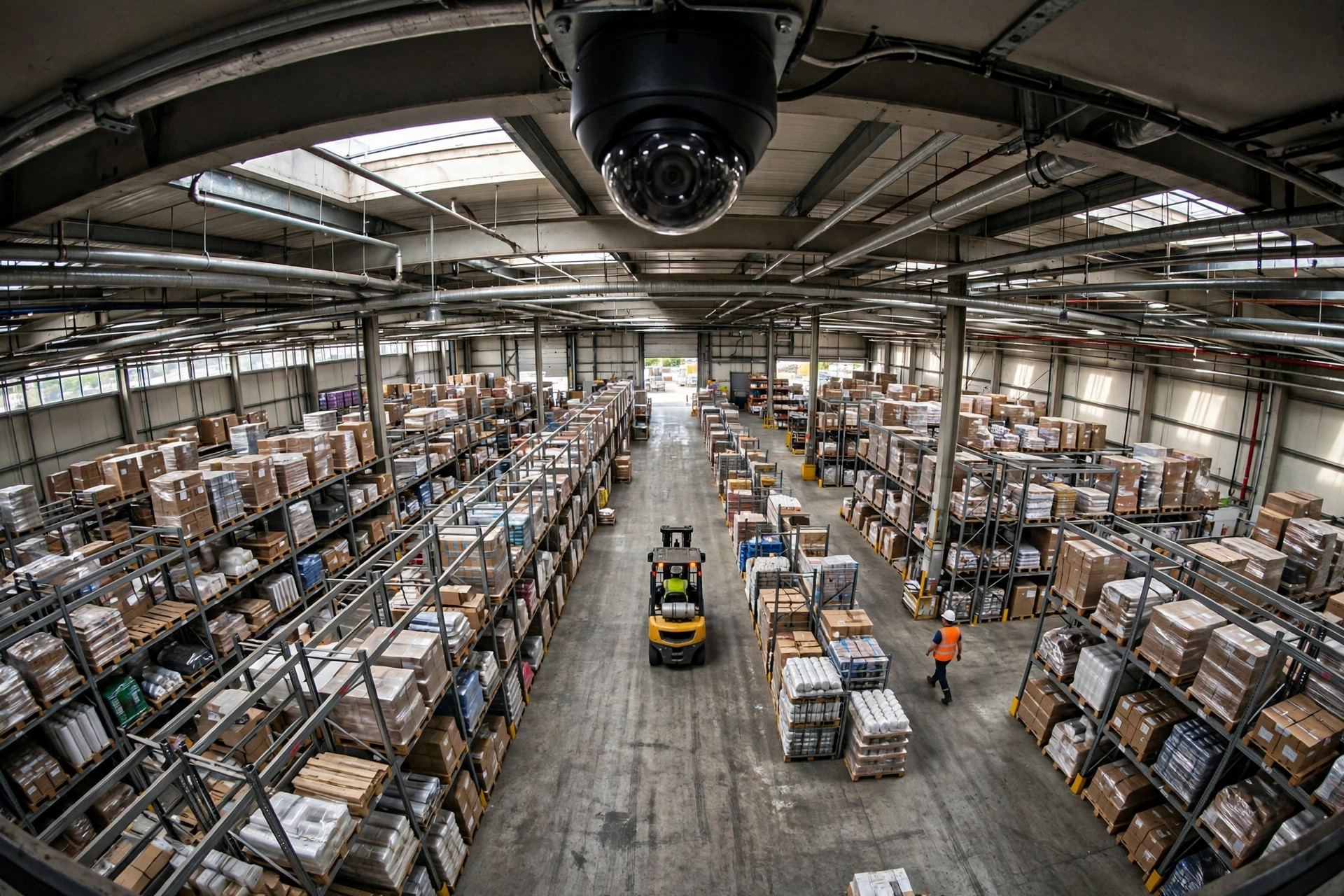
Early November last year, the week before the big e-commerce peak. Monday, 6 AM, still dark outside. I walked into the warehouse and my night-shift supervisor, Lao Wang, caught me at the door with bloodshot eyes: "Chen, we're five people short again today." He'd reworked the schedule three times on Sunday night: three call-outs sick, two temps who just never showed. The picking zone was suddenly five people down, and the night shift's backlog still wasn't cleared by 8 AM. The day shift stood around in the aisle waiting for work while the forklifts idled. Operations called at 7 sharp asking whether today's waves would still ship on time.
Standing there in the aisle, I had one thought: we just can't schedule our way out of this anymore.
Scheduling was never about filling boxes on a spreadsheet. Anyone who's done it knows: building a weekly roster means juggling a dozen things in your head at once.
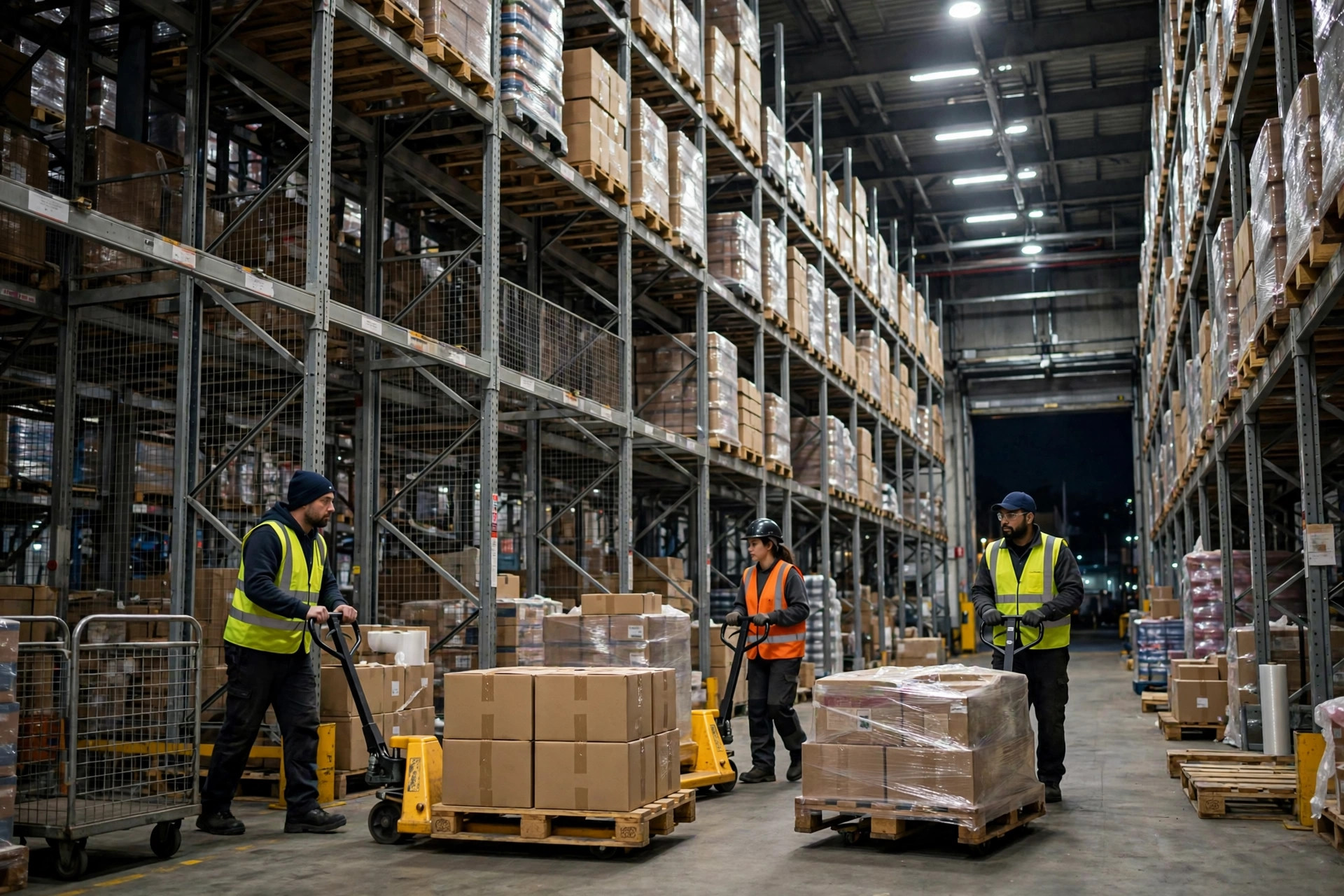
Next week's order volume, and which hours the waves peak. Two hundred people — who holds a forklift license, who picks fast, who can only pack, who just worked six days straight and can't take another. The rookie-to-veteran ratio: every team needs experienced hands guiding the new folks. Temps: which days they can come, how many will actually show — you call for 20, 14 show up, and that's a good day. Then the leave requests, the shift swaps, the personal stuff: whose kid starts school, who needs a hospital run. None of that's on the spreadsheet. It all lives in the supervisor's head.
We used to do it all in Excel, by hand. Every Sunday night, the supervisors sat in the office grinding through it for three to four hours, then cross-checked each other's work so nobody scheduled an uncertified driver on a forklift. And the moment peak-season volume swung, the whole schedule was trash — the next morning it was shouting and phone calls, begging people to come in.
Putting AI Workforce Scheduling to the Test: One Team First
Honestly? I resisted AI workforce scheduling at first. Rostering is about people. What does a machine know about people? But after that peak season, the boss said it straight: figure out scheduling, or we'll blow up again next peak.
We started with an Excel template with some rules baked in. Useless — the template made the sheet prettier; it didn't take a single thing off the supervisor's brain.
Then we switched on the scheduling module in our labor management system — our WMS vendor built it, with an AI scheduling feature inside. We didn't dare roll it out warehouse-wide. We piloted it with one picking team, 40-odd people, for two months. What the AI actually does comes down to three practical things:
First, it forecasts how many people — and what skills — each shift needs, from historical orders and the promo calendar. Not gut feel. Two years of data.
Second, it swallows every constraint at once: skill tags, leave, max consecutive workdays, night-shift rotation, and spits out a first draft. That was the supervisors' biggest fear — missing a constraint. Two hundred people. Nobody can keep "who's on day six" in their head.
Third, every morning at 6, it pushes a "today's adjustment" based on actual attendance and the day's orders. Picking is three people short? It recommends pulling two cross-trained packers over. The supervisor decides in ten minutes.
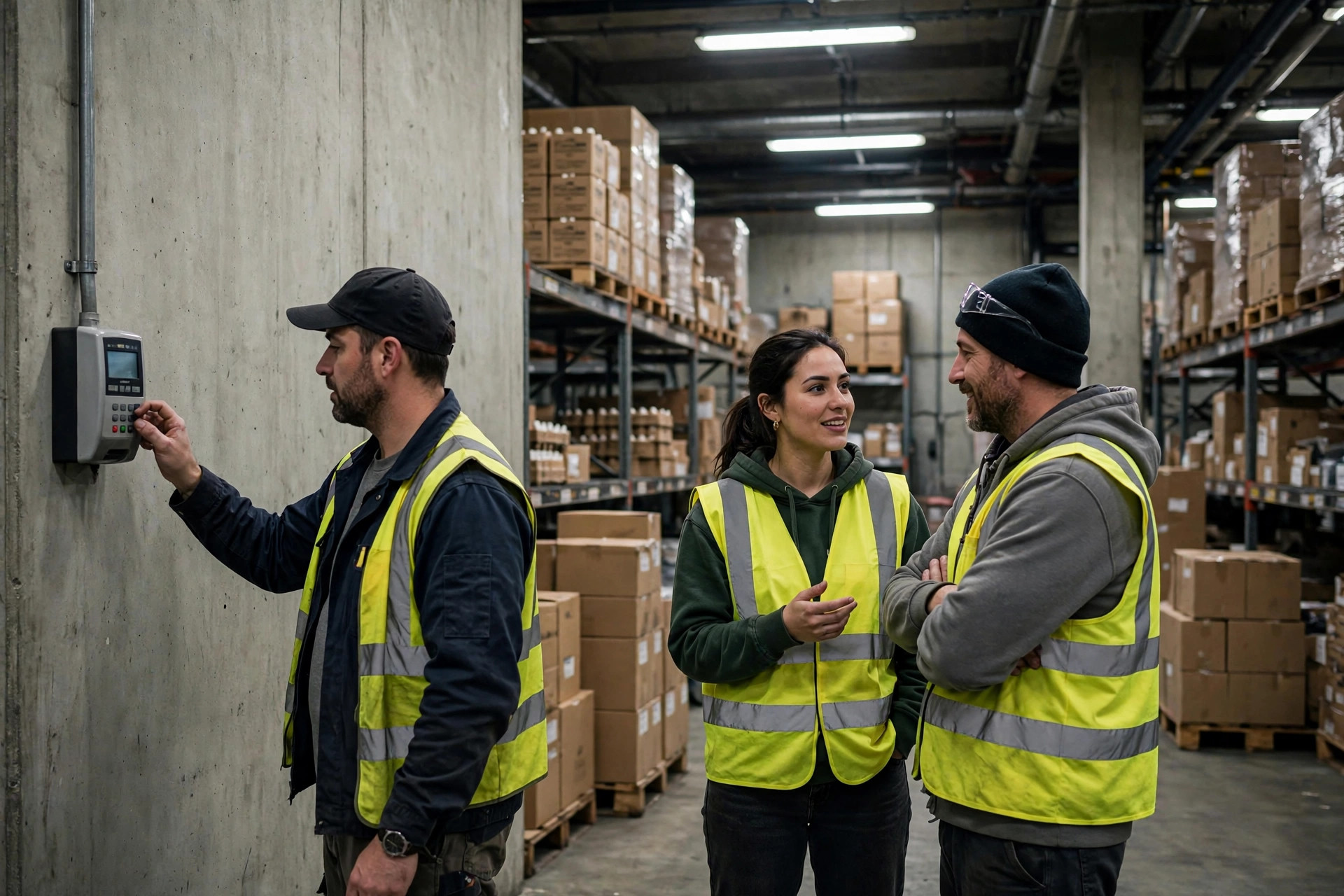
After two months, the supervisor went from "I have to rewrite this whole thing" to "I tweak 10% and it's good." That's when we dared to roll it out.
The Math: AI Scheduling vs Manual Scheduling
Here's the comparison everyone's really asking about — real numbers from our floor:
| Manual scheduling | AI first draft + supervisor review | |
|---|---|---|
| Time to build the roster | 3–4 hours every Sunday night | 20 minutes for the draft, 30 more to adjust |
| Peak-season temps | Call 10 extra "just in case" — idle hours cost money | Hire to the forecast, much smaller buffer |
| Covering no-shows | Phone calls one by one, often nobody picks up | System suggests candidates by skill tag |
| Shift-swap fights | "Why does HE always get days?" — daily | Transparent rules, nights/weekends auto-rotated |
| Quality | Depends on the supervisor's mood that night | Consistent, doesn't have bad days |
The savings come from three buckets: the half-day a week each supervisor gets back, the wasted temp hours, and the overtime and delays when peak shifts run short. Over a year, it covers the system cost with room to spare.
But here's the honest part: the biggest ROI isn't labor savings. It's not blowing up during peak. One blown peak — late penalties plus the customer complaints — costs more than a year of the system. Anyone who's lived through a peak season knows that math.
The Counterintuitive Part: It's Good Because It's Shameless
Six months in, here's my counterintuitive take: AI workforce scheduling works well not because the algorithm is brilliant, but because it's not afraid of offending anyone.
The real disease in manual scheduling was never bad math. It was favoritism. Veterans get looked after. Rookies never get nights. The connected guys get day shifts. Supervisors are human — the "looking after" creeps in. And everyone keeps score. "Why does he always get day shift?" — I've heard that a hundred times if I've heard it once. The AI plays no favorites. Whoever's turn it is for nights gets nights. Transparent rules. The fights stopped, and morale actually went up.
But — and this is the trade-off — there are three things it will never schedule right:
One: who can't stand whom. There's no field for that in the system. Only the supervisor knows.
Two: mentoring pairs. Which veteran is willing to coach rookies, and actually good at it — you see that with your eyes, not with tags.
Three: the human stuff. Whose kid starts school and needs a swap, who's dealing with a family emergency. The machine produces the "optimal" answer; to a human it reads as cold.
We actually tried full auto for two weeks — supervisors weren't allowed to touch the draft. The schedule was fine. The people weren't: "a machine made this, let the machine work it." So now the rule is: AI drafts, the supervisor must adjust, usually 10–20%. And people accept it.
My conclusion: scheduling is people management, not arithmetic. AI can do half of it. The other half still needs what you know about your people.
How We Run It Now
The whole warehouse runs on it now. The routine is locked in: every Thursday the AI publishes next week's draft, supervisors finalize by Friday, it's posted Saturday. Complaints due by Saturday — after that, no changes. The hard rules are baked into the system: max consecutive workdays, night-shift gaps, minimum skill coverage per shift, veteran-to-rookie ratios. Nobody can override them — not even supervisors — without my sign-off.
Every morning at 6, the system pushes the daily adjustment. Ten minutes, done, executed same day. Once a month we review: how accurate was the forecast, temp show-up rates, overtime spend. Data talks; if a rule isn't working, we change the rule.
A few words for fellow operators, from our own bruises:
First, don't roll it out warehouse-wide on day one. Pilot with one team. Get it smooth, then expand. Push it everywhere at once and the floor will resist — the best schedule in the world means nothing if nobody follows it.
Second, clean up your data first. Skill tags, order history, attendance records — if those three aren't solid, the AI's output is garbage. Even machines can't cook without ingredients.
Third, tell your people upfront: this is here to take the grunt work off the supervisors, not to replace anyone. The supervisor still has the final say — say that first, say it loud. Lose the people's trust and no system saves you.
That's how we run it now. AI workforce scheduling: trust it halfway. The other half is still what you know about your people. A roster is made of people, not numbers — and that's one lesson the machine hasn't learned yet.
By Chen Feng, Warehouse Operations Manager