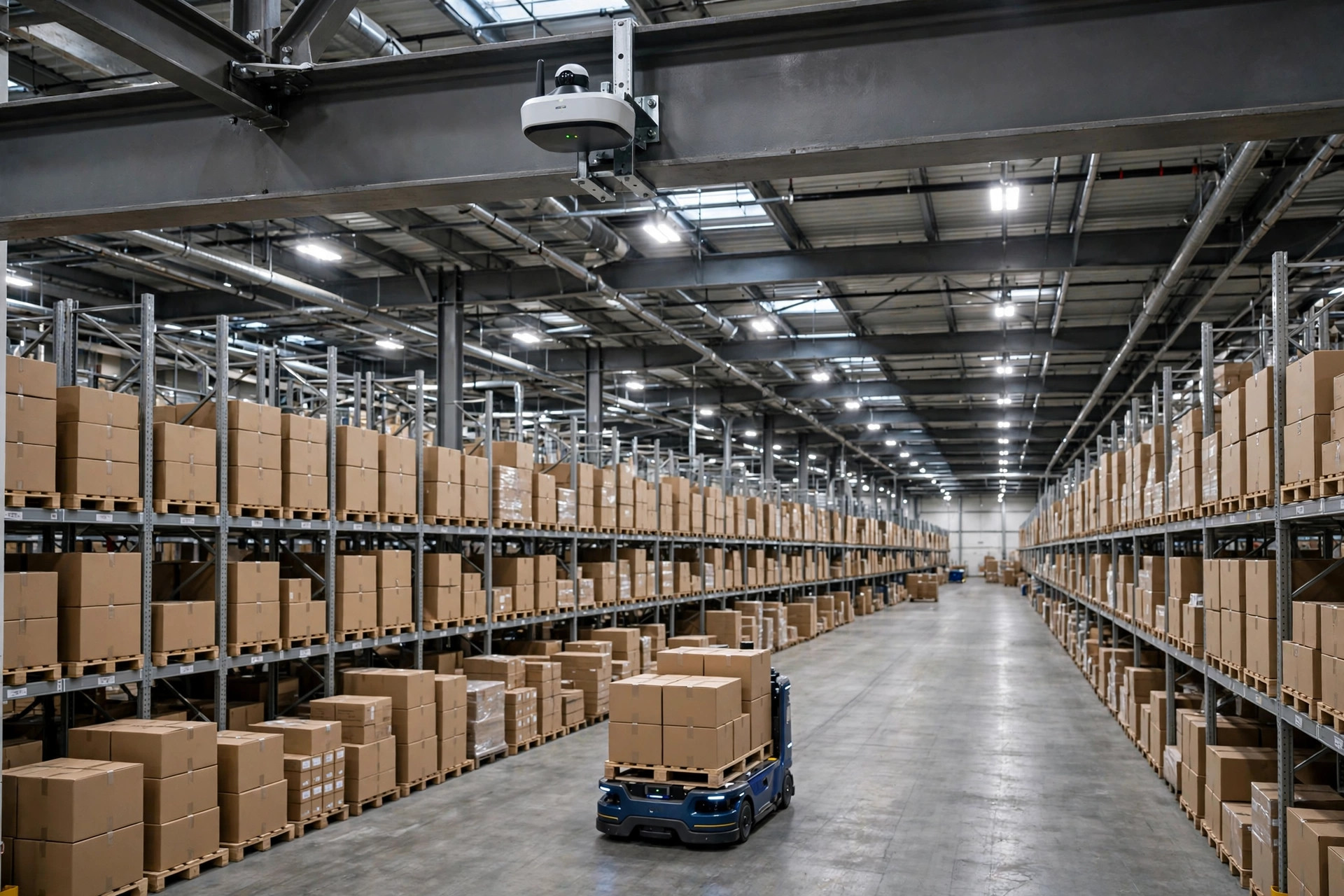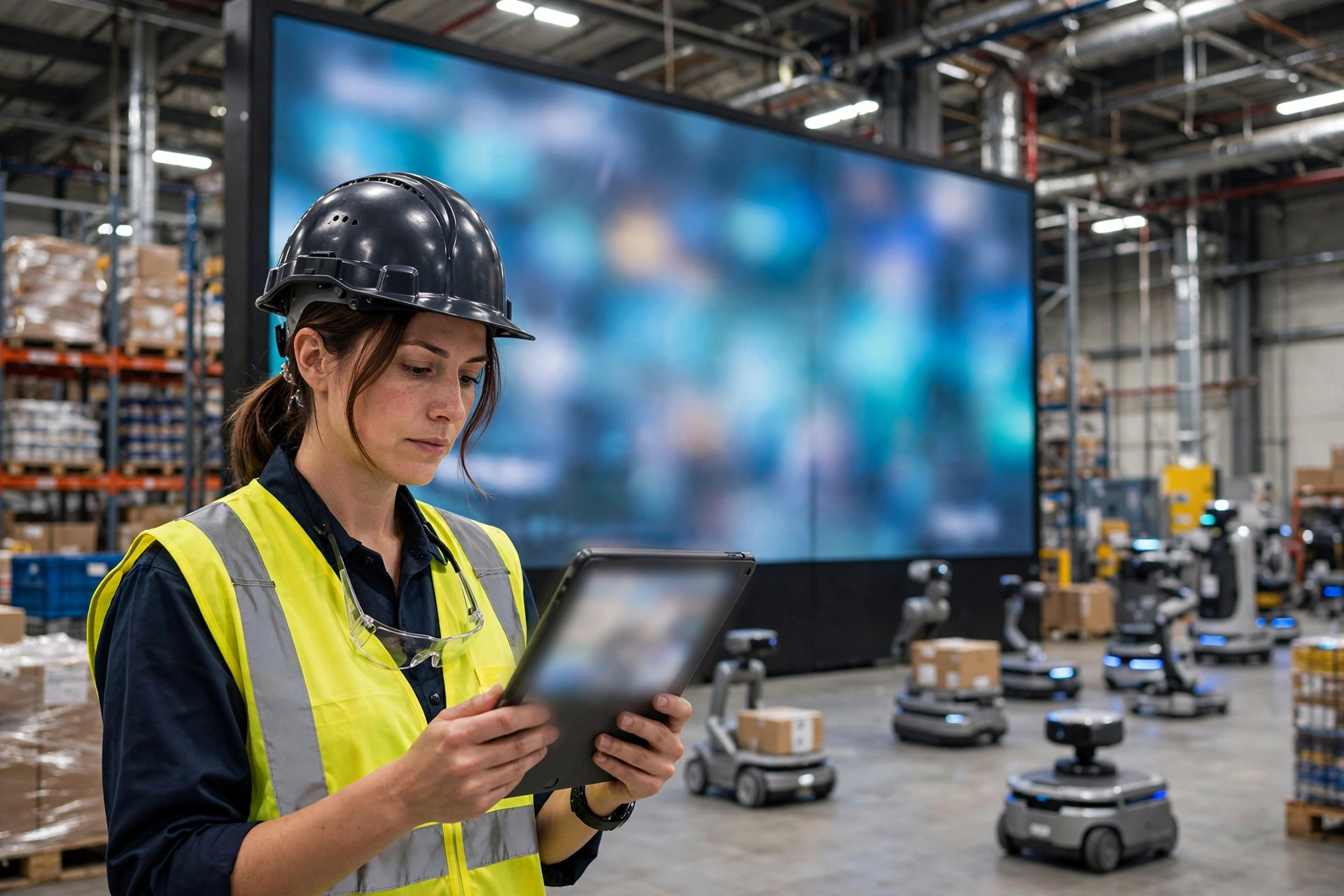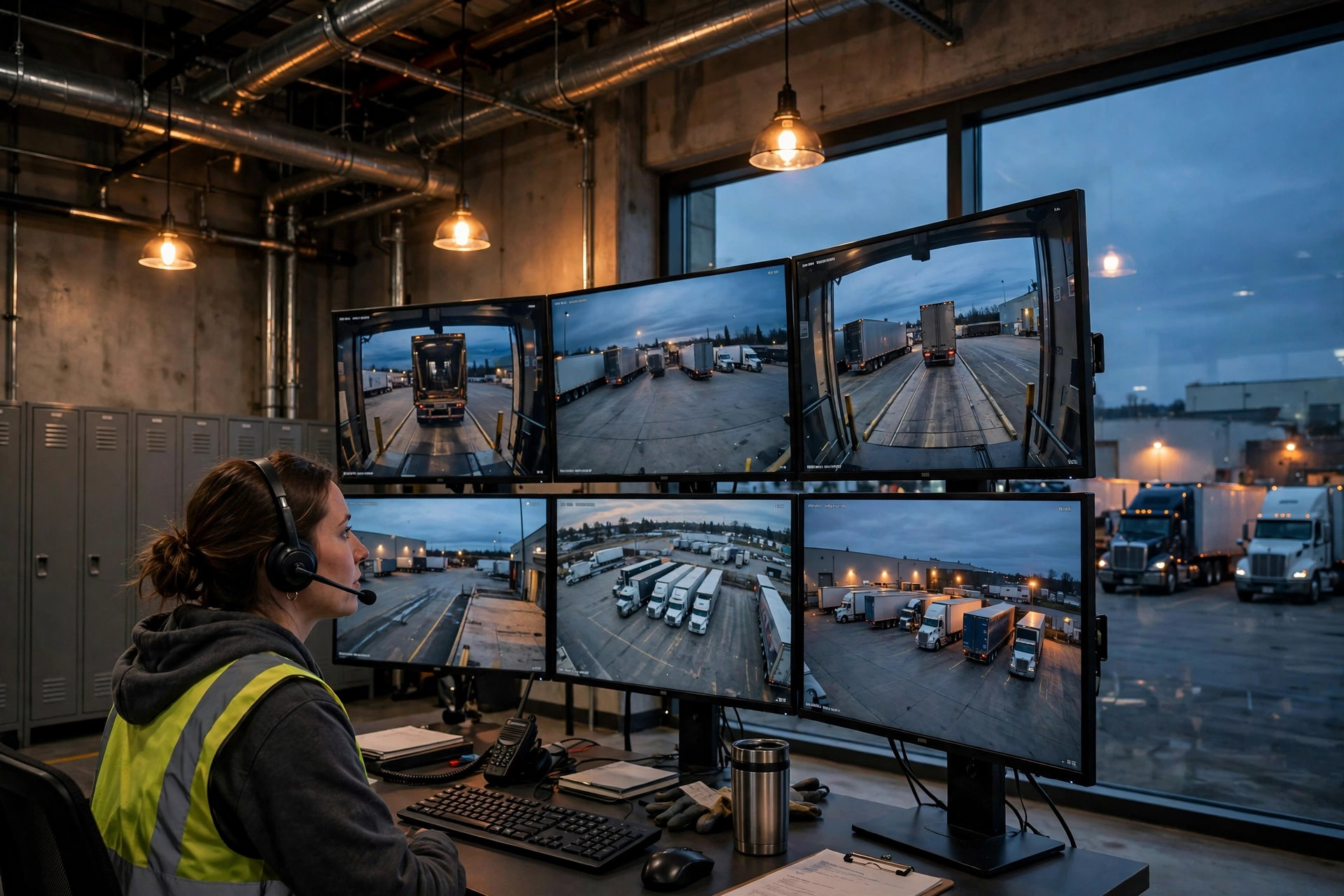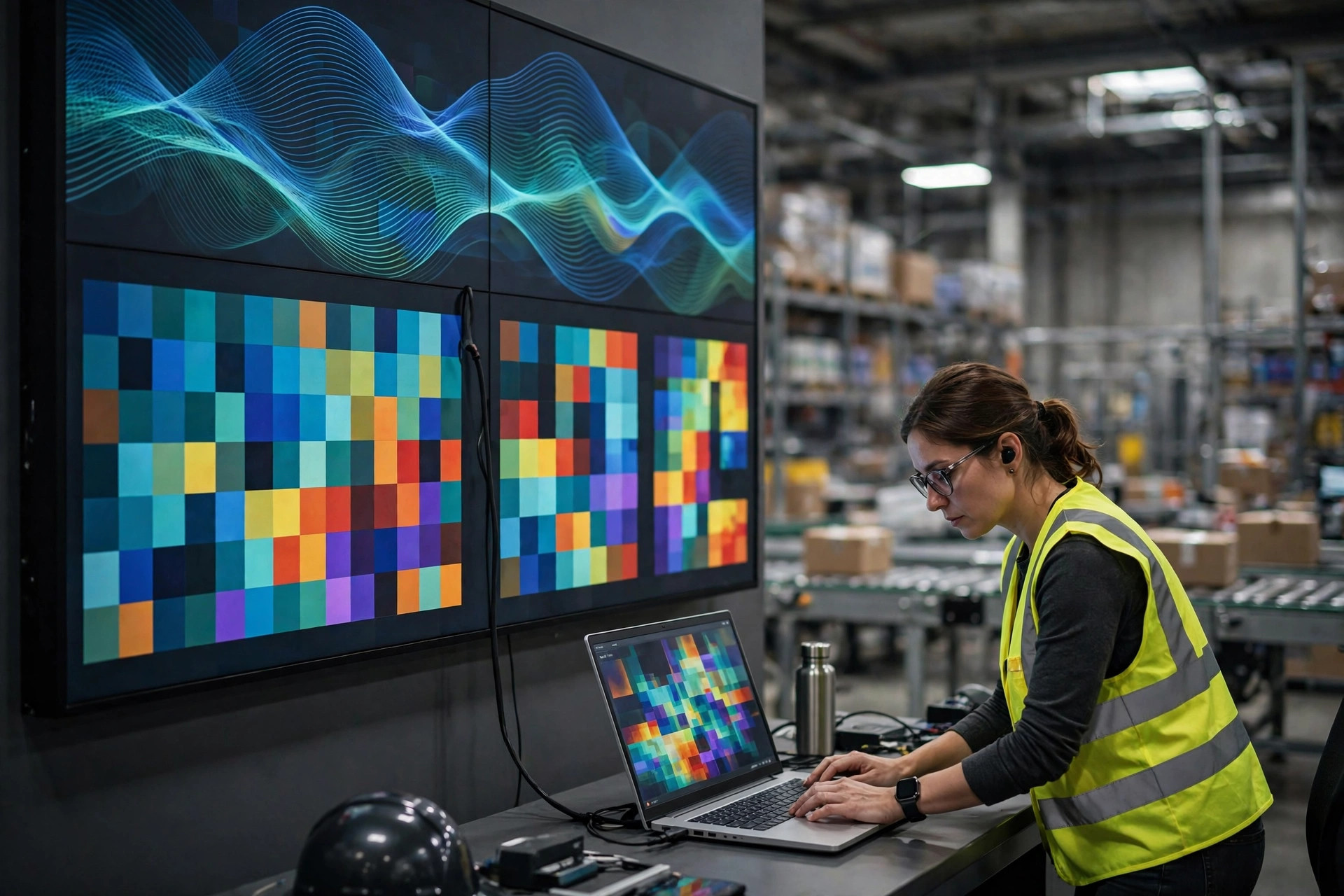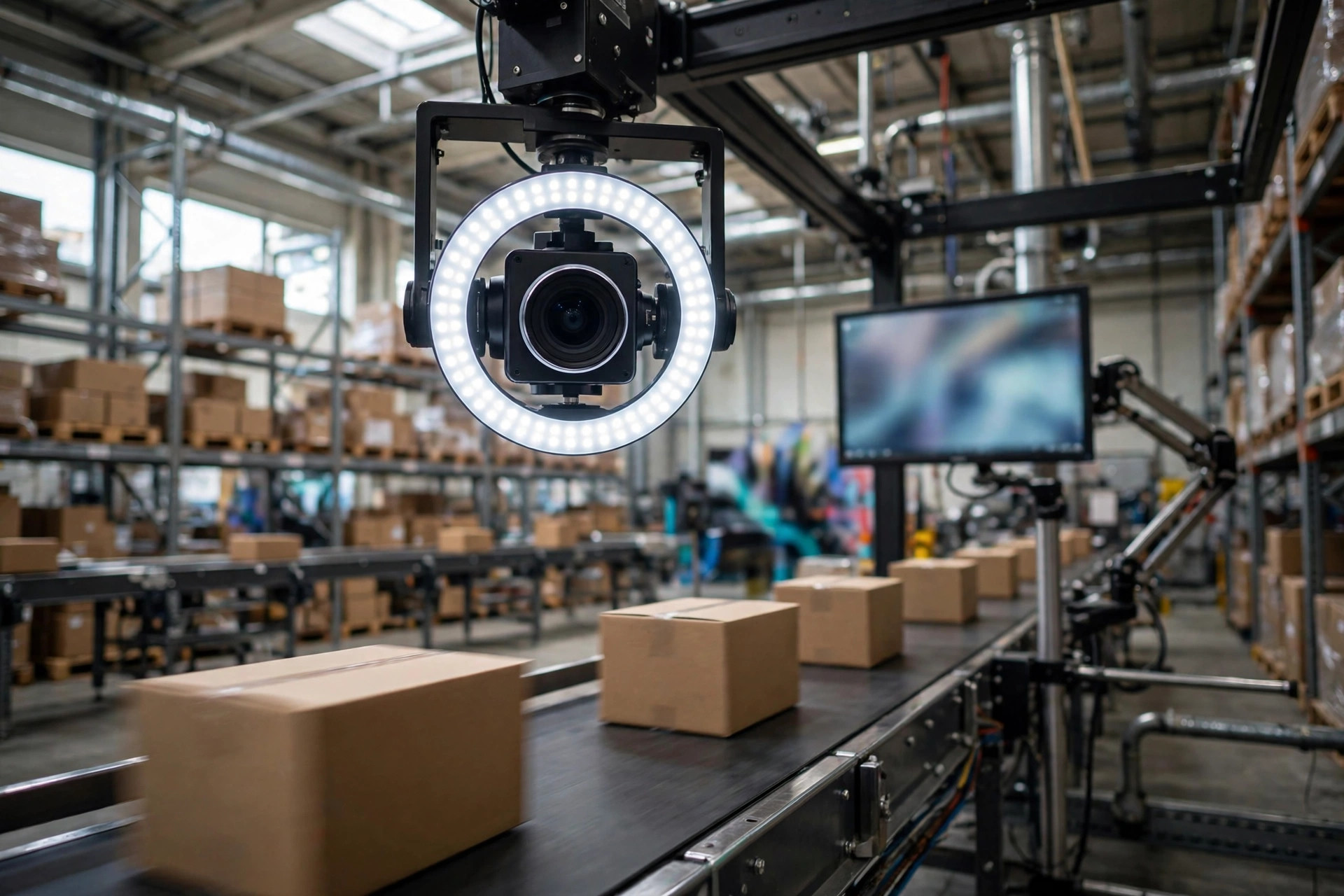
On recent visits to several warehouses, I noticed a curious pattern: everywhere a vision-based quality inspection system had gone live, the rework station had quietly gained a new job — cleaning up after the system's false alarms. A system whose spec sheet boasted impressive accuracy flagging dozens or even hundreds of "defective" parcels a day, and fewer than one in ten was actually defective. More interesting still, managers at several sites described the same side effect: after enough false alarms, inspectors went numb, clicking "pass" faster and faster, until genuine defects started slipping through with the noise. A system bought to save labor had become a new burden — and was quietly manufacturing the very misses it was meant to prevent.
Behind this pattern sits an inescapable quantitative relationship. Based on project retrospectives visible through public channels, false-positive rates in warehouse vision inspection rarely reach zero; in sustained operation they typically settle somewhere in the low single digits. And every notch you push false alarms down tends to push misses up a notch. This is not a vendor failure — it is a structural trade-off. False positives and false negatives are two ends of the same seesaw, and the confidence threshold parameter decides where you sit on it.
What False Alarms Really Cost: Tally the Full Ledger First
Most people undercount the cost of a false alarm as "a few extra parcels to look at." The real cost has three layers, each more expensive than the last.
The first layer is direct labor. Every false alarm means an inspector stops what they are doing, walks over (or pulls up the image), verifies, and releases — a minute or two, gone. A few hundred false alarms a day multiplies into several extra hours of labor daily. One full inspection position can exist solely to "babysit" the system's false alarms.
The second layer is lost tempo. False alarms break the rhythm of the conveyor, and serious ones stop the line. During outbound peaks, ten minutes of downtime costs far more than an extra headcount.
The third layer is the most expensive and the easiest to overlook: alarm fatigue. Human-factors research has long shown that when the vast majority of alarms are false, people systematically desensitize. The slide from "I check every alarm carefully" to "I batch-approve everything" takes only a few weeks. And once desensitization sets in, genuine defects get waved through too — false alarms convert into misses. Whatever tuning effort you saved will come back multiplied, in the form of customer complaints and returns.
So before touching any parameter, get this ledger straight: total cost = (false alarms × cost per review) + (miss rate × shipment volume × cost per miss). There is no magic in the formula; the hard part is filling in your own four numbers. Many warehouses have never even counted "how many false alarms per day," yet are debating "threshold 0.6 or 0.7." That is putting the cart before the horse.
The Essence of Tuning: The Precision-Recall Seesaw
The core parameter of a vision inspection system is the confidence threshold: the model raises an alarm only when its confidence that "this is a defect" exceeds the threshold. Set it low — better safe than sorry — false alarms rise, misses fall. Set it high — better to let one through than cry wolf — false alarms fall, misses rise. No single setting optimizes both ends at once. That is the entire foundation of tuning work.
In practice, I group tuning strategies into three postures, each suited to very different situations:
| Posture | Threshold | False alarms | Misses | Fits | | Conservative (better safe) | Low | High, low-single-digit range | Low | Food, pharma, high-value goods where a miss is catastrophic | | Balanced | Medium | Medium | Medium | General e-commerce outbound QC with adequate review staffing | | Aggressive (better to let through) | High | Low | High | Mostly cosmetic flaws that don't affect use, tight review staffing |
Which posture to choose should not be an engineer's gut call — it should fall out of the total-cost formula above: pick whichever posture minimizes total cost. A food-warehouse project I followed in 2024 illustrates the point well. After raising the carton-damage detection threshold from 0.5 to 0.75, false alarms dropped by roughly half — but misses climbed with them, and complaints went up instead of down. The eventual fix was not more tuning but tiered thresholds by defect severity: a conservative posture for serious damage (a miss is unacceptable), an aggressive one for minor creasing (a false alarm is unaffordable). A one-size-fits-all threshold lost to a graded reality.
Here is a counterintuitive judgment worth stating plainly: the system with the lowest false-positive rate is not necessarily the best system. Crank the threshold to its strictest and false alarms can hit zero — at the price of soaring misses. There is a sneakier "zero false alarms": the system routes every uncertain case to a human reviewer. The false-alarm rate looks great, but human workload hasn't budged — the machine has simply handed its job back to people. What deserves optimizing was never the false-positive rate as a single metric, but total cost. Those who tune to a single metric usually end up with a system that "looks great on the dashboard and is unusable on the floor."
Most False Alarms Aren't the Model's Fault
In my observation, more than half of on-site false-alarm problems trace back to something other than the model. Before tuning, run a false-alarm attribution exercise: pull a week's worth of false-alarm samples, classify them, and work through four areas.
Lighting first. Warehouse lighting is orders of magnitude messier than lab lighting: direct sun through skylights shifts through the day, forklifts throw moving shadows, and color temperature differs between day and night shifts — all of which make the same carton "look different" to the model. I saw one project where forty percent of false alarms clustered between 3 and 5 p.m. — exactly when sunlight slanted through the skylights. The fix wasn't tuning; it was adding shrouds and switching to constant lighting, and false alarms dropped sharply.
Camera placement second. One 3PL site had mounted its camera at a conveyor curve, where cartons jolted and tilted through the turn — label creases kept getting classified as "missing labels." Moving the camera to a straight section nearly eliminated that class of false alarms. A model can only see what it sees; if what it sees is shaking, no parameter will save you.
Sample bias third. Training data is mostly "standard product shots," while the real floor has crooked tape, crushed corners, and slanted labels. When false alarms cluster visibly (say, one carton type false-alarms far more than others), the gap isn't a parameter — it's missing data feedback for that category.
The threshold itself, last. Only after the first three are cleared and the remaining false alarms are randomly scattered does threshold tuning become meaningful. Reverse the order and tuning becomes papering over engineering problems — the harder you tune, the more exhausted you get.
The Next Divide: From Tuning to the Data Flywheel
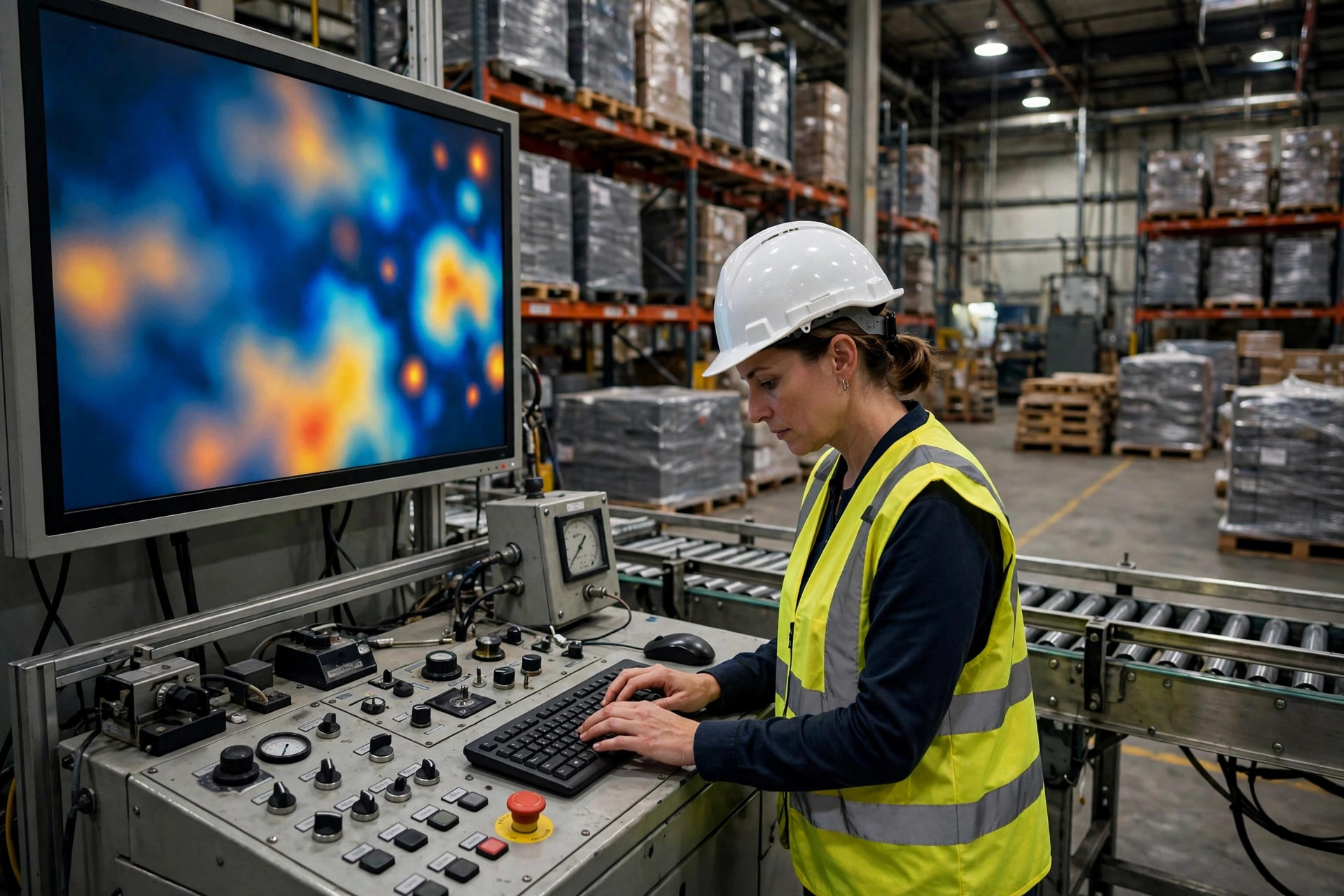
Let me offer a judgment with a timeline. Based on how project cases and vendor offerings have evolved over the past few years, I believe 2024–2026 marks the exhaustion of "tuning dividends": the optimization squeezeable out of thresholds and parameters alone has largely been squeezed by leading projects, and public retrospectives talk less and less about "tuning" and more and more about "closed data loops." Two lines of evidence support this: first, the shape of new offerings — mainstream vendors are nearly all pushing "confidence-tiered routing with human-in-the-loop," where high-confidence cases auto-release, low-confidence ones go to humans, and uncertain samples flow back into training; second, the changing language of retrospectives — recent write-ups devote visibly more space to "false-alarm attribution" and "data operations" than to "model selection."
Two to three years out, the competitive edge in inspection systems will shift from model accuracy to data operations: whoever most efficiently feeds on-site false alarms and misses back into training data will own the system that gets smarter with use. The takeaway for warehouse managers: at selection time, don't just ask "what is your accuracy rate." Ask "how fast do false-alarm samples flow back into model updates." The first is a lab number; the second decides whether the system you buy gets sharper with age or drifts further off course.
I will leave an open question rather than a conclusion: when false-alarm rates fall so low that an inspector encounters only a handful of genuine defects a year, who guarantees the inspector stays vigilant? Technology solved an old problem — is it quietly manufacturing a newer, subtler one: human over-trust in the machine? There is no standard answer yet, but every warehouse deploying vision inspection will eventually have to answer it.
By Dr. Chen, Supply Chain Researcher