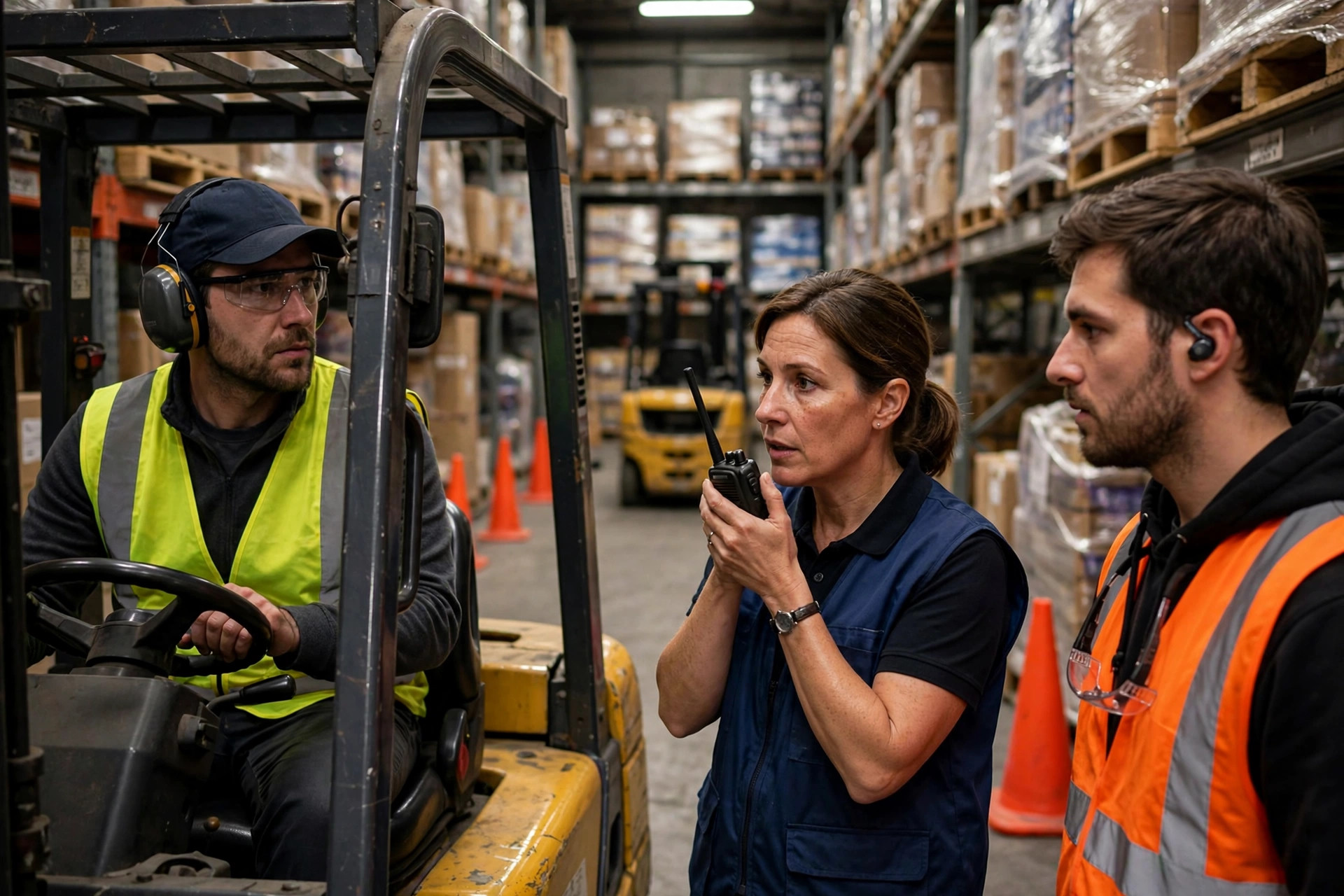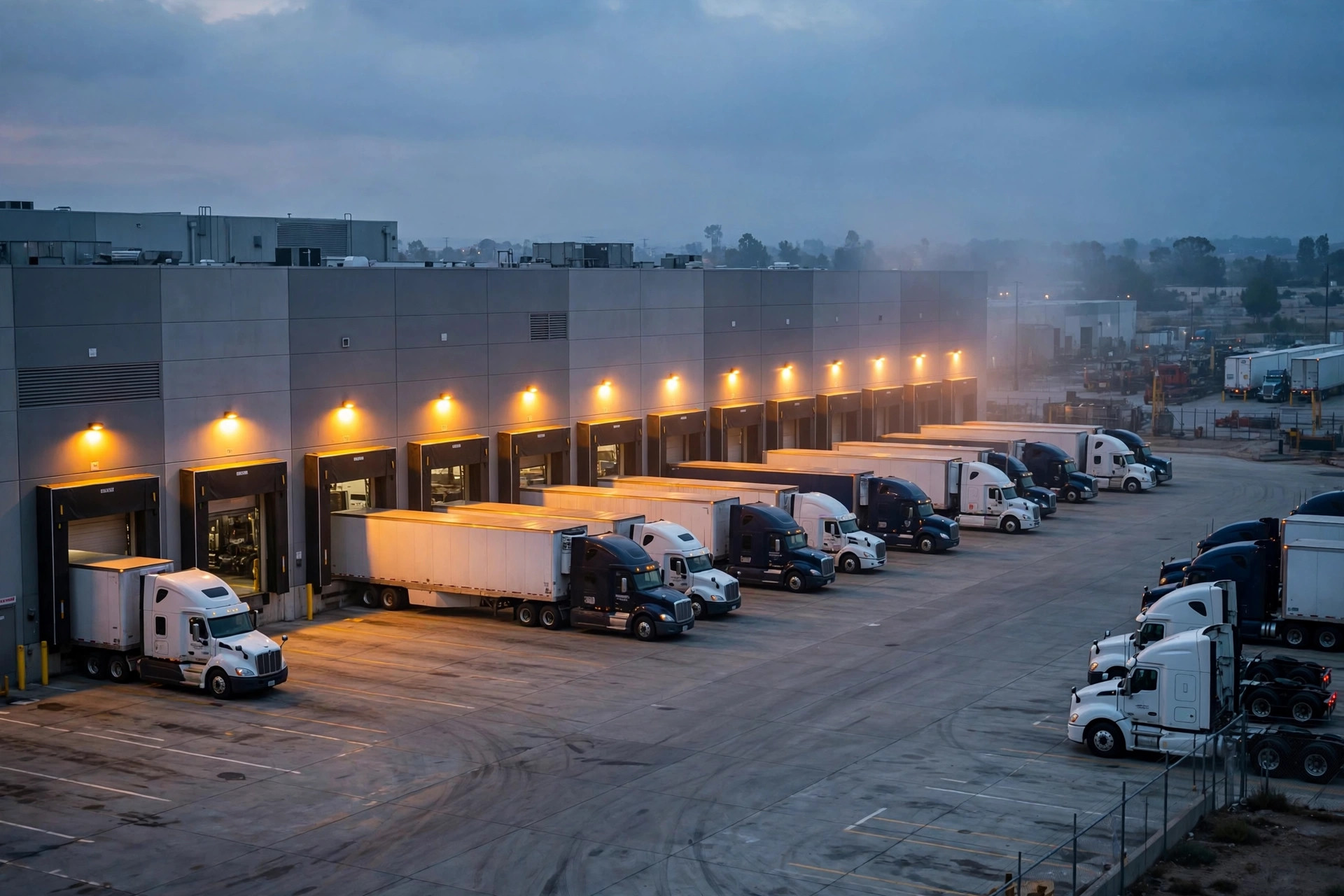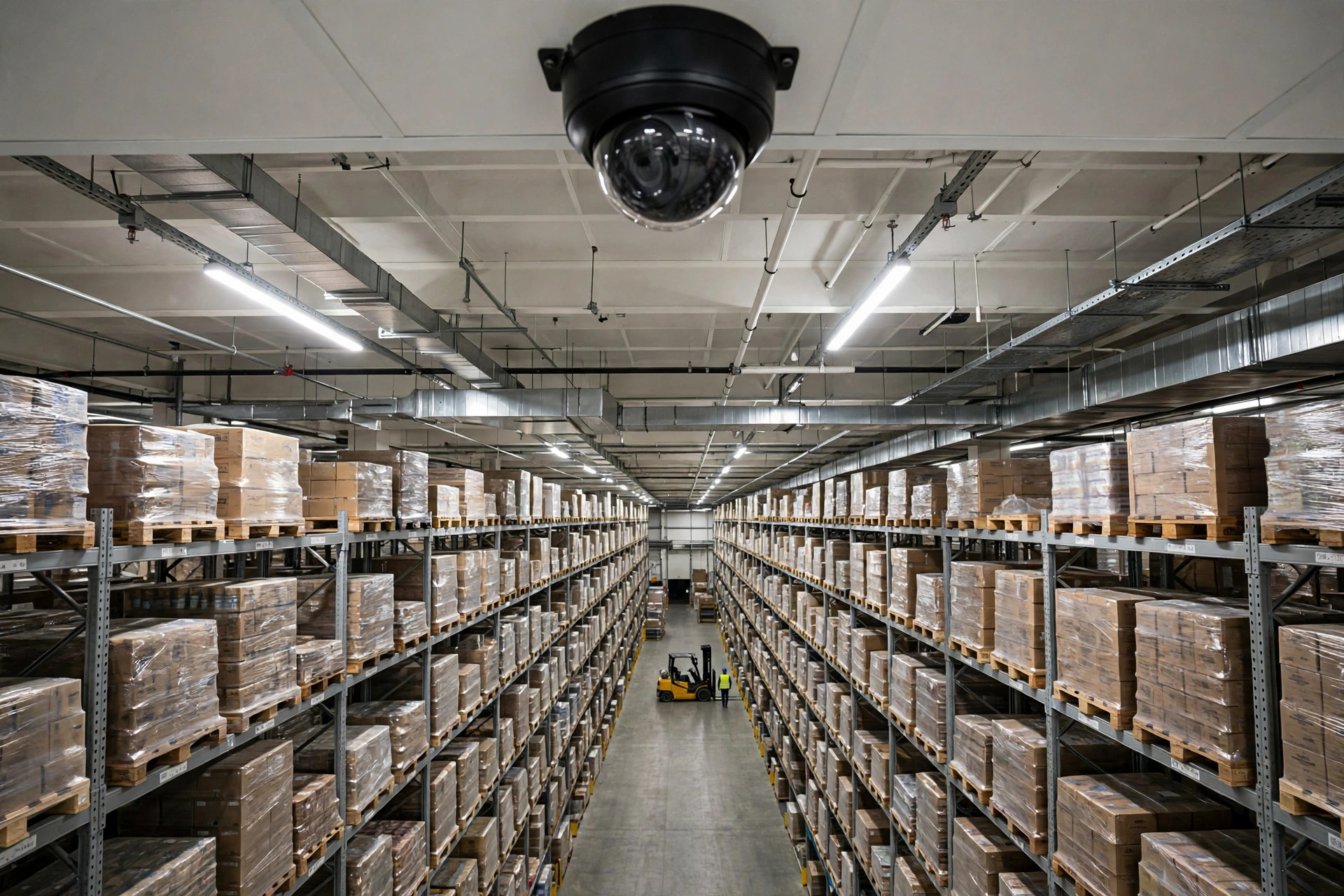
November 2024, two weeks before Black Friday. Our warehouse in Ontario had 14 trailers backed up at the receiving dock, waiting to unload. Around 1 a.m., night-shift supervisor Li came running over, voice shot: "Feng, we're fighting with the driver again. Three pallets, every outer carton busted. Driver swears it left the factory like that, the supplier says it got crushed in transit. All we've got is two blurry phone photos. Nobody's owning it."
If you run a warehouse, you know this scene. The receiving dock is where more fights break out than anywhere else in the building. Carton damage inspection used to be all human eyes, and that works fine in the slow season. But when peak hits and the conveyor is flying, nobody flips over every carton to check the corners. Misses become routine. And the real killer comes later: when there's a claim, you can't prove the damage arrived that way. The carrier won't own it, the supplier won't own it, and nine times out of ten the warehouse eats the loss.
Let me be straight with you: when I first heard "AI vision inbound damage detection for the warehouse," I rolled my eyes. I'm a floor guy — "AI" usually means some software salesman telling stories. Then early in 2025, one of our home-goods clients shipped us a container of floor lamps. Seven or eight outer cartons arrived caved in, lampshades shattered everywhere. The claim dragged on for three weeks — the carrier said it was loaded damaged, the forwarder blamed the road, and the client was on us daily to pay up. We ate most of it. All I could think: if someone had snapped a timestamped photo of those cartons the second they came through our door, those three weeks of arguing would never have happened.
How AI Vision Inbound Damage Detection Actually Works on Our Dock
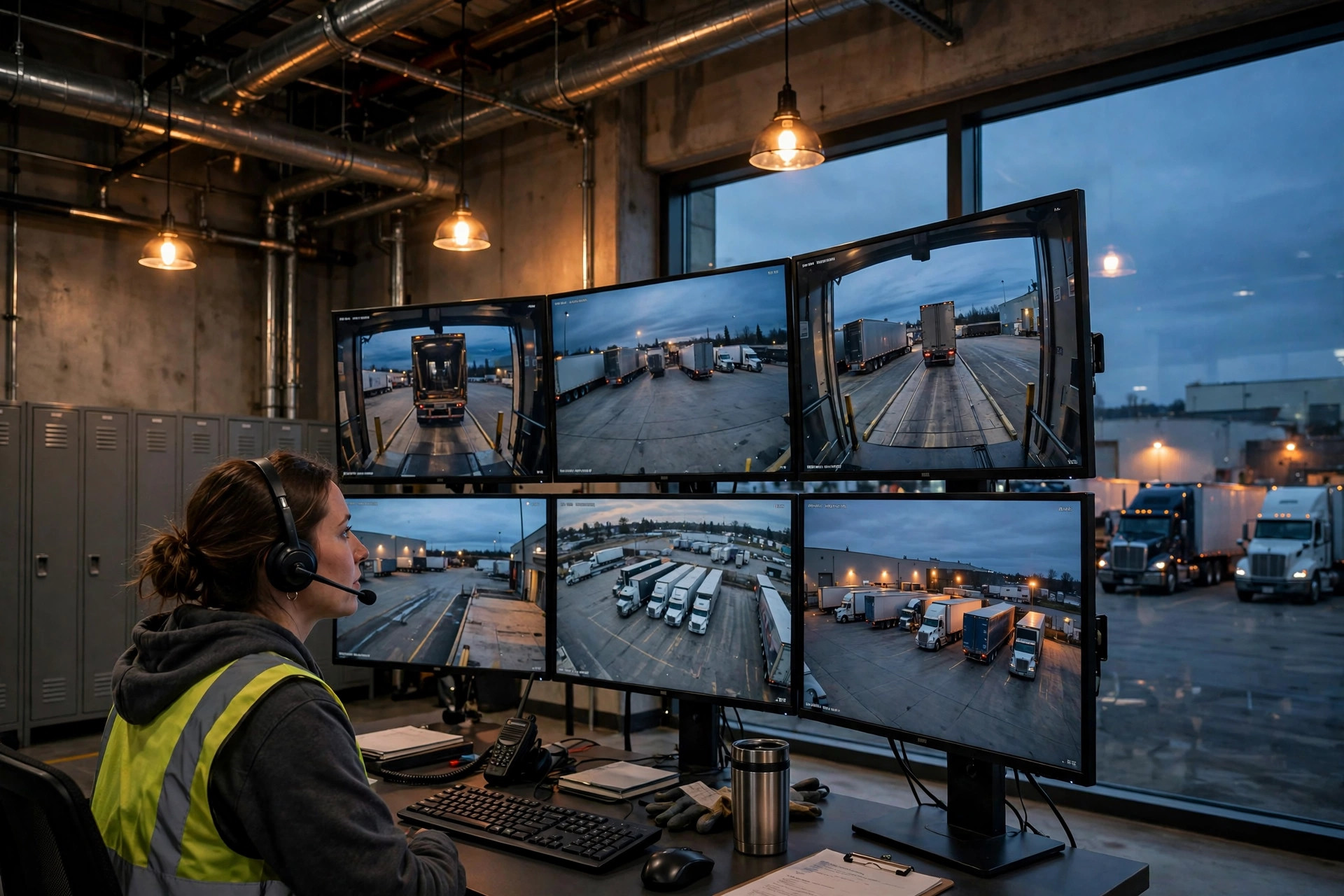
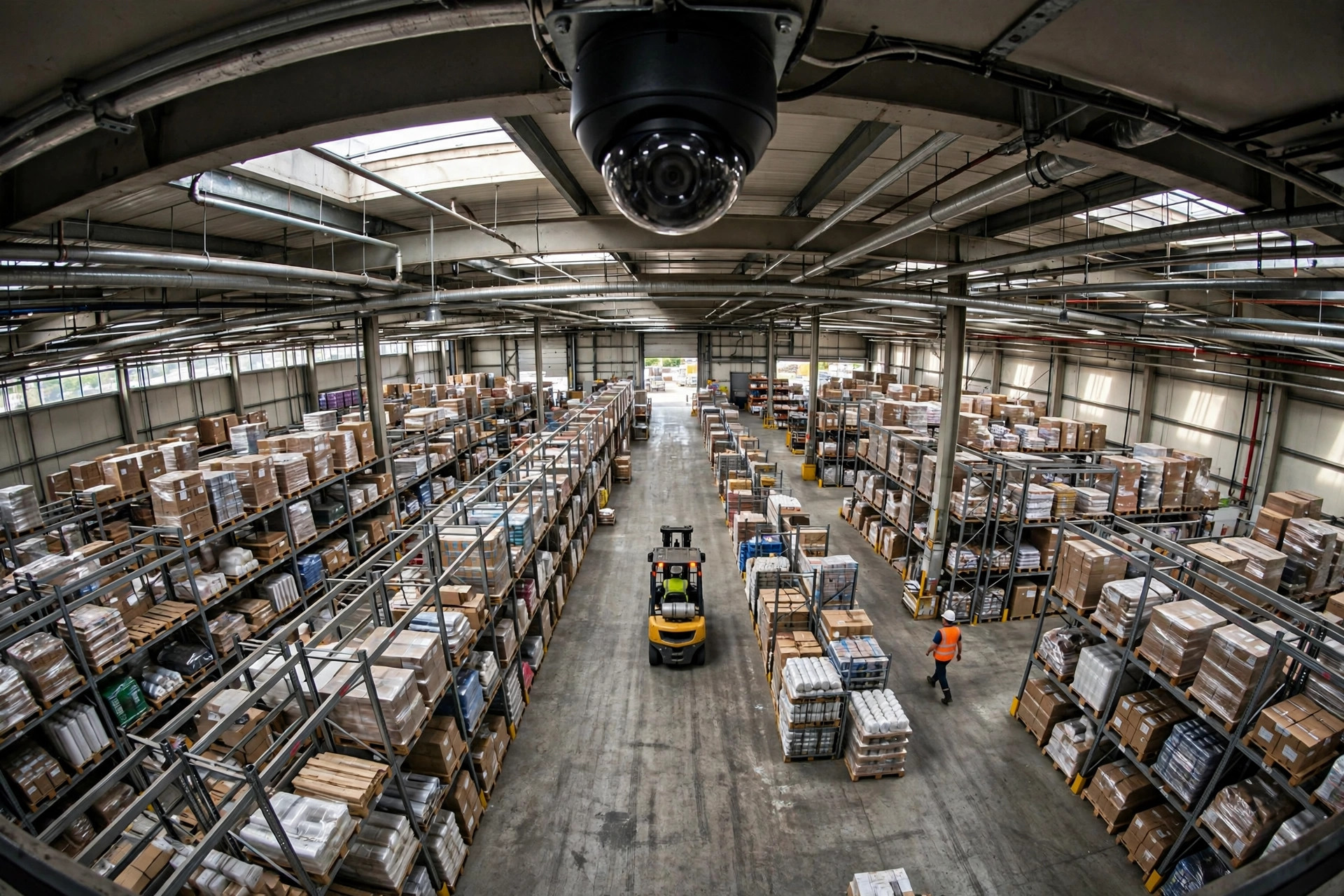
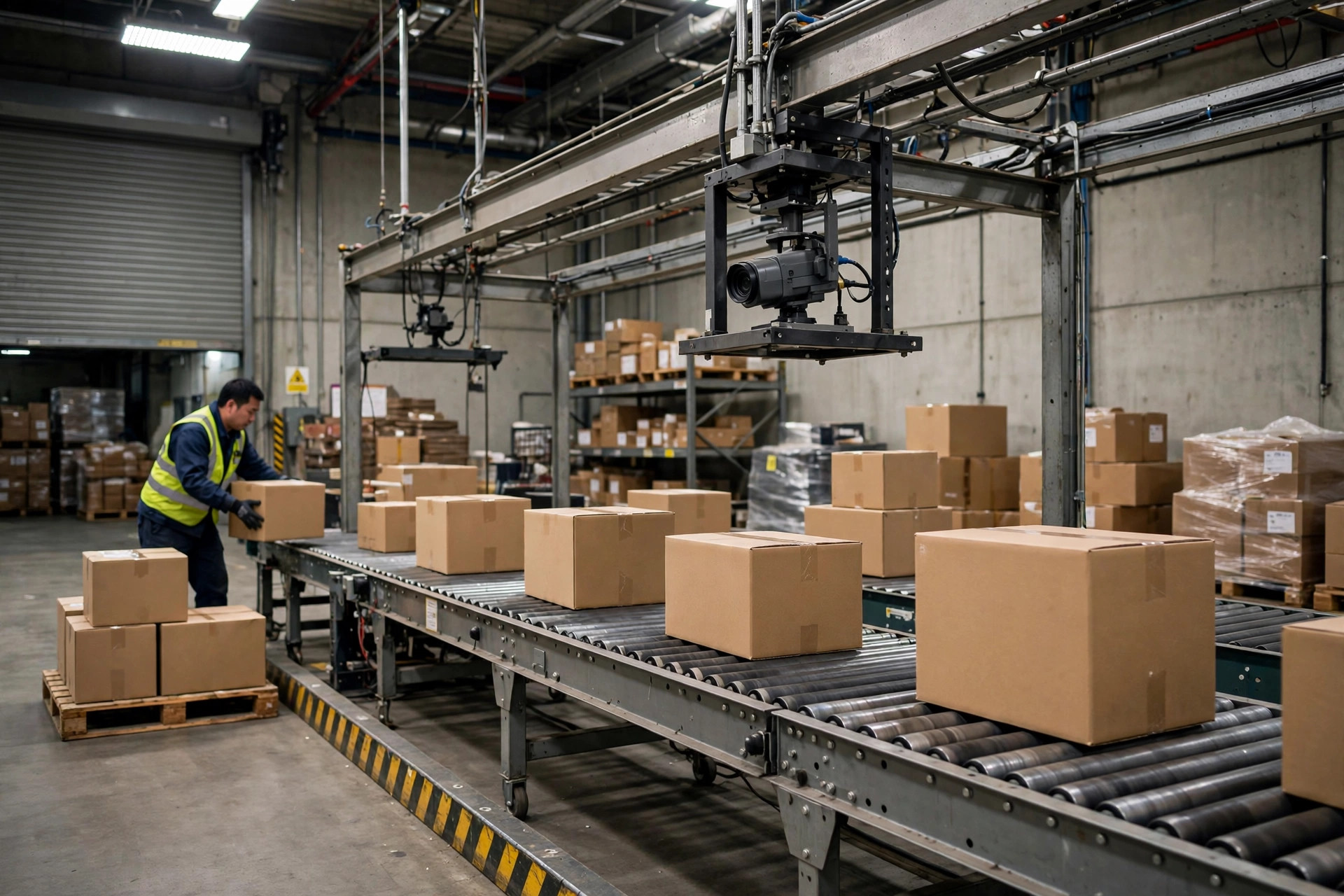
What we run now is simple, nothing magical. Two industrial cameras mounted over the receiving conveyor — one shooting top-down, one from the side. Every carton gets photographed as it passes, and the model grades damage into three buckets: minor (scuffed, straight to stock), inspect (looks off, diverted to a hold cage for a human to open), and reject (visibly wrecked, photographed for evidence and sent back).
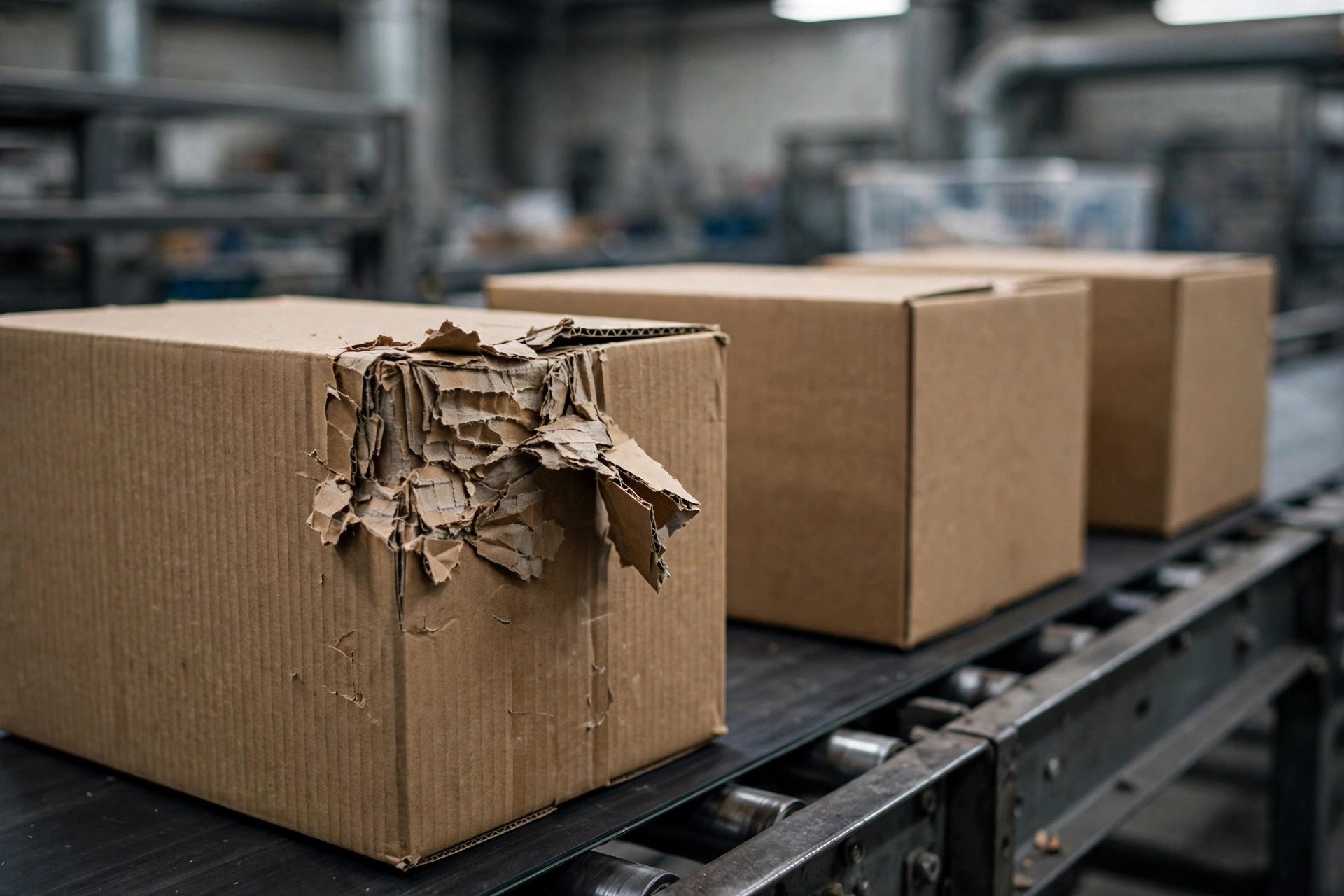
The "divert" part matters more than people think. The old way: an inspector spots a sketchy carton, yells, the whole line stops. Now the suspect carton gets pushed to a side cage while the main line keeps running. During peak, that never-stopping line is worth serious money.
But don't expect it to work on day one. Our first week, the model flagged every tape reflection as "damage." The hold cage filled up like a mountain, and my inspectors told me this thing was worse than their own eyes. That's normal. Every vision system goes through this phase. What matters is how you tune the threshold afterward.
False Positives vs. Misses: Tuning the Threshold Is the Whole Game
This is the most practical lesson in the entire system: false positives and misses — you have to pick your poison. There is no having both.
A false positive is a good carton flagged as bad. The cost is re-inspection labor: the hold cage piles up, inspectors work overtime opening cartons one by one to confirm "this one's fine," and morale tanks fast. A miss is a bad carton waved through. The cost is the old nightmare: damaged goods enter inventory, a customer receives a busted carton, and you're back to the three-week blame game with no evidence.
Here's how we tune it: by season. In peak, we tighten the threshold — better to over-inspect. One miss buried inside tens of thousands of peak orders blows up customer service far worse than the extra re-inspection labor costs. In the slow season, we loosen it and let the inspectors breathe. The threshold isn't a technical parameter — it's a management decision: how much re-inspection labor will you pay so no bad carton slips through?
And here's the counterintuitive take the AI vendors won't tell you: the real value of this system was never replacing inspectors — it's giving you evidence for the fights. Both inspectors are still here — the "inspect" bucket always needs a human making the final call. What the AI does is two things: it photographs every carton at the exact second it enters our building, 24/7, never blinking; and it fast-tracks the obviously fine cartons so inspectors only look at the genuinely suspicious few. Same people, but now when there's an argument, we have photos.
We had a live one this past June: a hardware supplier sent three pallets with every corner crushed. Before the driver signed the receiving paperwork, we sent three system-captured photos, timestamped to the second. The supplier looked for five minutes and replied, "We'll own it, file the claim." Discovery to admission: under half an hour. The old way, that ticket takes two weeks minimum.
The Math, Done Honestly
So let's talk money. Everyone asks me: what does this actually cost? I won't quote a number, because vendor quotes vary wildly — camera brand, whether you add dedicated lighting, software subscription versus perpetual license — too many variables, and any number I throw out would mislead. But I can give you how we did the math:
Two full-time receiving QC inspectors covering early and late shifts, year-round. Their annual labor cost would buy several of these camera setups with room to spare — the cameras are a one-time install plus modest yearly maintenance, while people get paid every year, take sick days, quit, and their eyes get tired on night shift. Cameras don't.
But labor is only half the ledger. The other half is the arguing cost: before the system, the damage claims we ate every year because we couldn't prove condition-on-arrival added up to real money. After the system, the "nobody can prove it" cases basically went to zero. Put both sides together, and our books had the equipment paid off in a little over a year.
Straight talk, though: this math works great for big operations and needs a hard look for small ones. If you receive a few dozen cartons a day and your inspector can eyeball every one, you don't need this. My rough cutoff: over 500 cartons a day at receiving, or you've eaten a "can't prove it" damage claim painful enough to remember — then consider it. Below that, phone photos on file plus a note on the receiving slip works just fine.
Three Steps to Go Live — Exactly How We Did It
Step one: record, don't judge. Cameras go up, and for the first month the model's verdicts are saved but trigger zero diversions. Inspectors work exactly as before while we compare the system's calls against human calls to build our sample set. Never let the machine start bossing people around on day one, or the floor will revolt.
Step two: judge, but humans backstop. The model starts grading into three buckets, every suspect carton diverts to the hold cage, and inspectors re-check each one by hand. We adjusted the threshold for nearly three weeks before finding the right setting for peak and slow season. Remember: there is no standard threshold. There is only your warehouse's threshold.
Step three: verdicts enter the workflow. "Reject" grades automatically attach photos to the receiving record, the shipment gets flagged as an exception in the WMS, and emails go out to the supplier and carrier on their own. Only at this point is the system truly live: the evidence chain runs itself, and nobody has to "remember to take a photo."
Three Reminders for Fellow Operators
First: lighting matters more than the camera. We skipped dedicated lighting at first; when the night-shift lights dimmed, false positives doubled overnight. One bar light fixed most of it. When a vendor talks pixels at you, ask about their lighting plan first.
Second: don't try to replace people in one move. We still have both inspectors, headcount unchanged. The AI moved their eyes from "look at every carton" to "look only at the suspicious ones" — efficiency went up, but the final call is still human. Anyone who tells you "install this and fire your inspectors," show them the door.
Third: the data is yours. Every photo and grading record lives on our own server from day one — switch vendors, the data walks with you. The longer it runs, the more accurate it gets, because the model learns your cartons, your lighting, your damage. That's an asset you can't buy off the shelf.
The receiving dock has been a battleground, and it was never won by whoever shouted loudest. It's won by whoever has the evidence. One camera doesn't just photograph cartons — it photographs your leverage for every argument to come.
By Chen Feng, Warehouse Operations Manager