Here's my verdict up front: for conveyor motor predictive maintenance, small warehouses shouldn't buy the big platforms, and large ones shouldn't jump straight to AI models either. Mount your vibration sensors and current clamps in the right spots, run simple threshold alerts for three months — that beats any fancy platform. Motors don't just die. They cough first. Vibration creeps up, current starts climbing. The signals are there weeks in advance. The problem is nobody's listening.
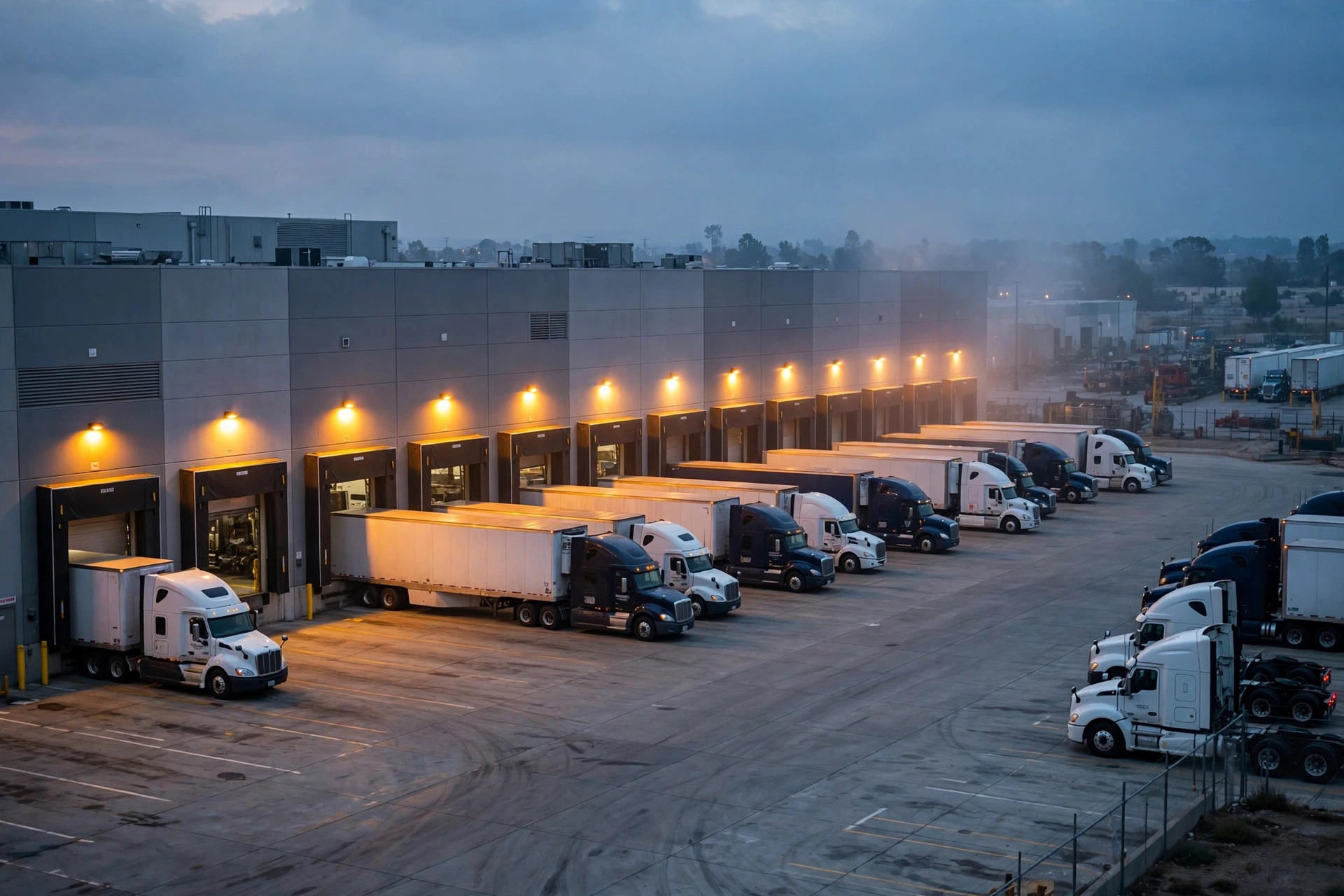
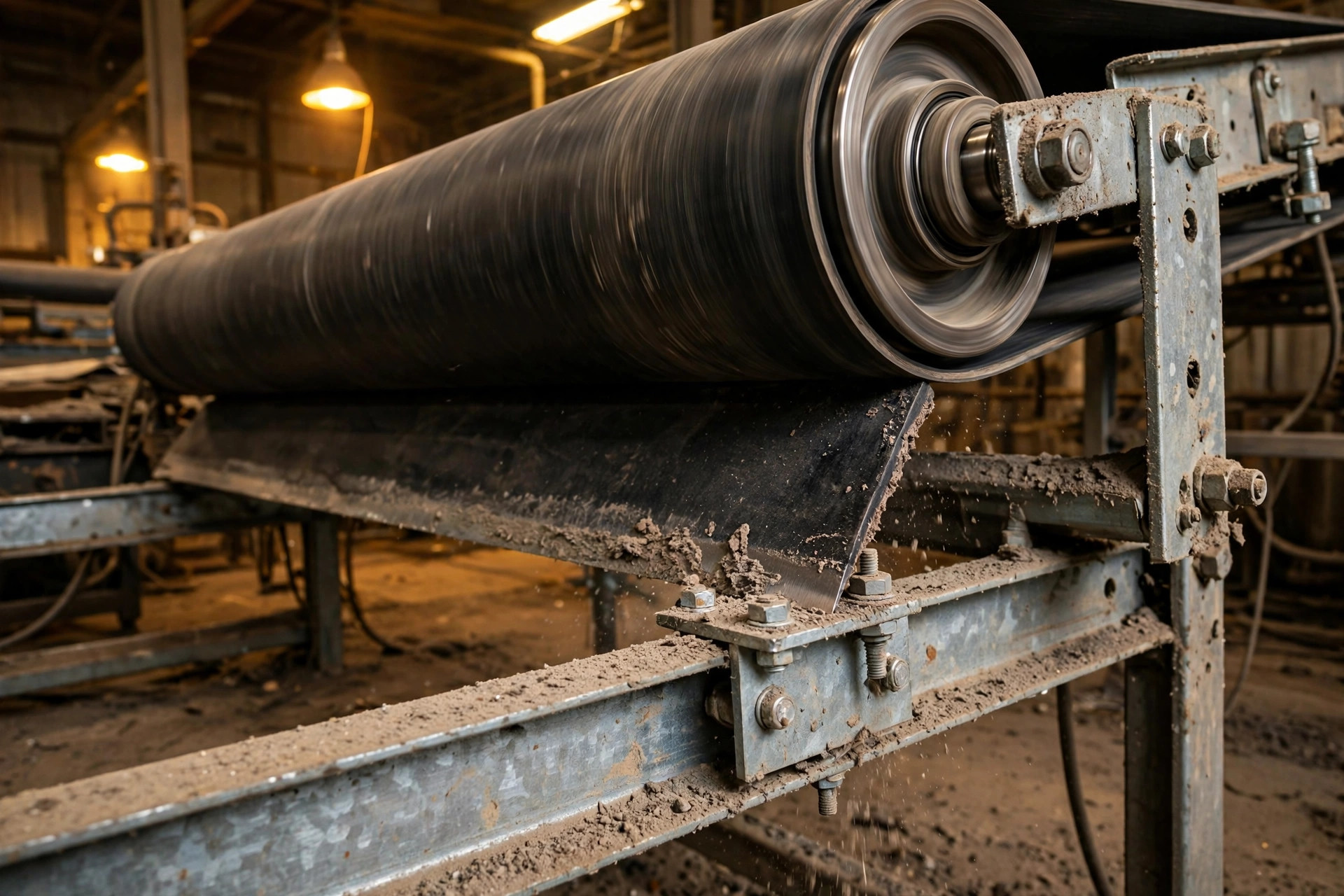
Fall 2024. I walked into a 3PL warehouse in Ontario, California — about 120,000 square feet — two weeks before peak season. The main conveyor's drive motor burned out. Four hours of downtime. They scrambled people to move freight by hand, rented emergency equipment, and ate late-delivery penalties from customers. One afternoon cost them the better part of a hundred grand. When they tore the motor down afterward, the bearings were destroyed — the balls deformed, the races scored. The old maintenance tech said something that stuck with me: that motor had been coughing for at least a month, and nobody heard it.
Since then I've followed predictive maintenance projects at several warehouses — some worked, some died quietly. Here's the honest accounting: where to put the sensors, where threshold alerts end and AI models begin, how to handle false alarms, and whether a small operation should bother at all.
A Sensor in the Wrong Spot Is Money in the Trash
Nine out of ten predictive maintenance projects don't die on the algorithm. They die on sensor placement. A vibration sensor only knows what it's touching.
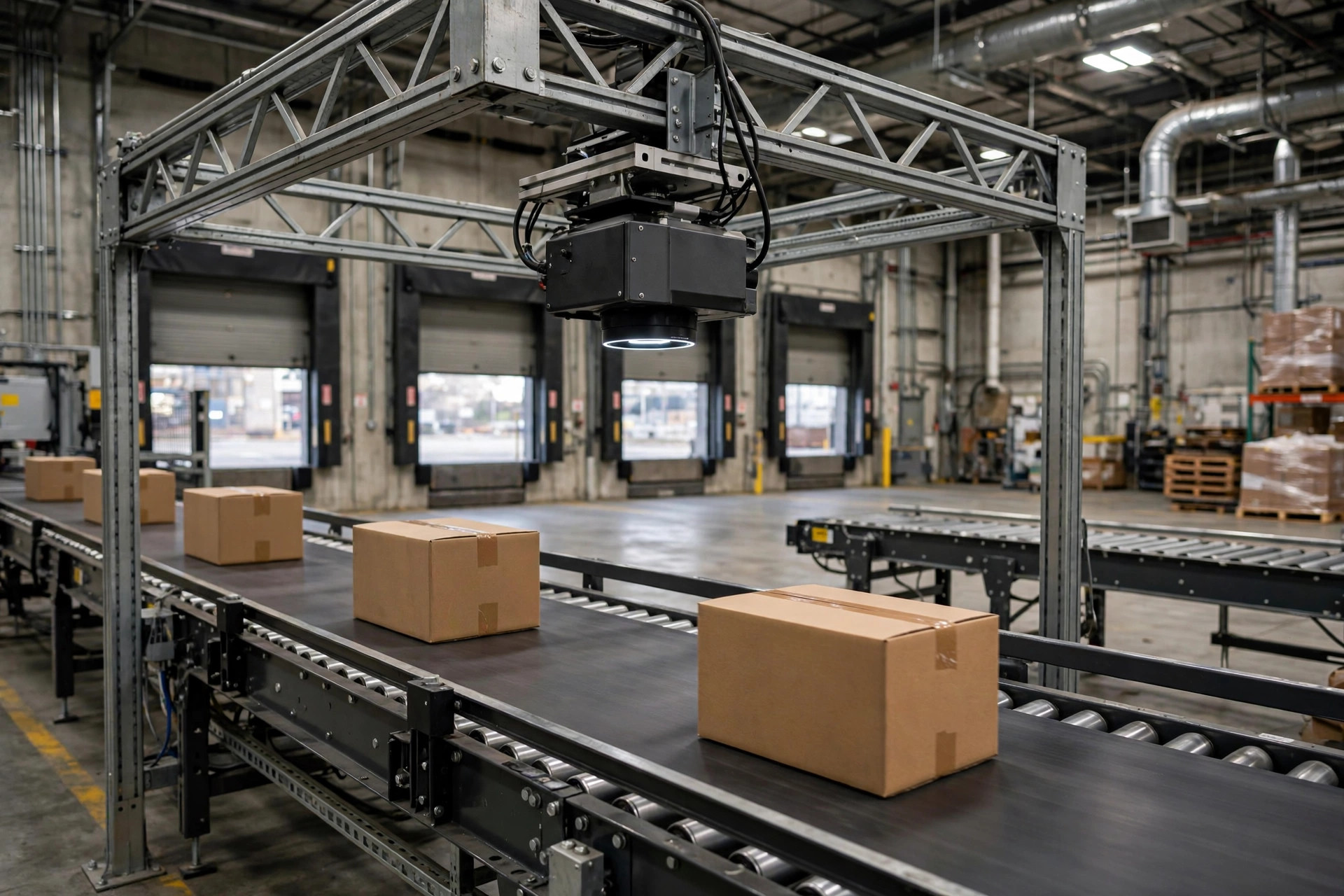
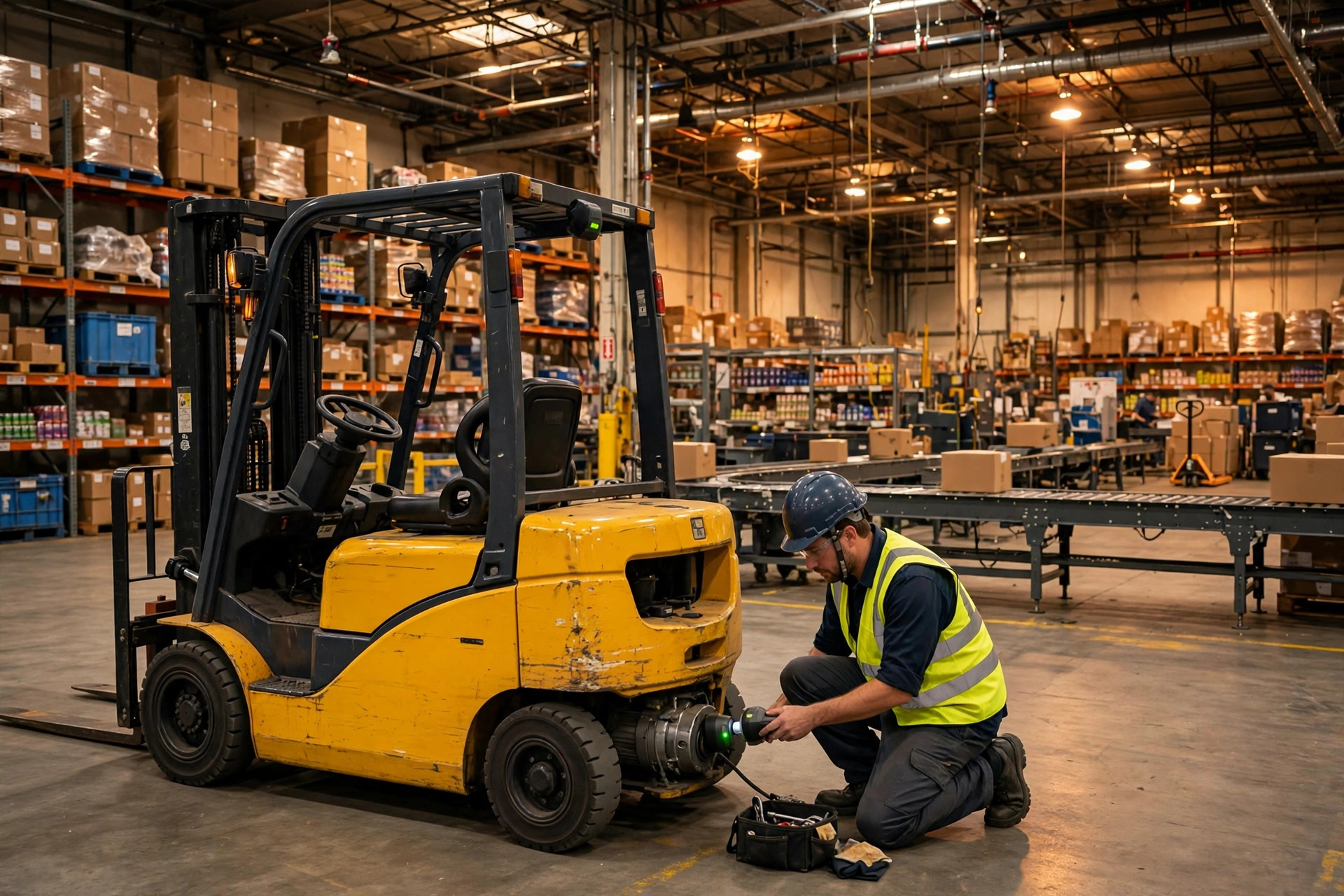
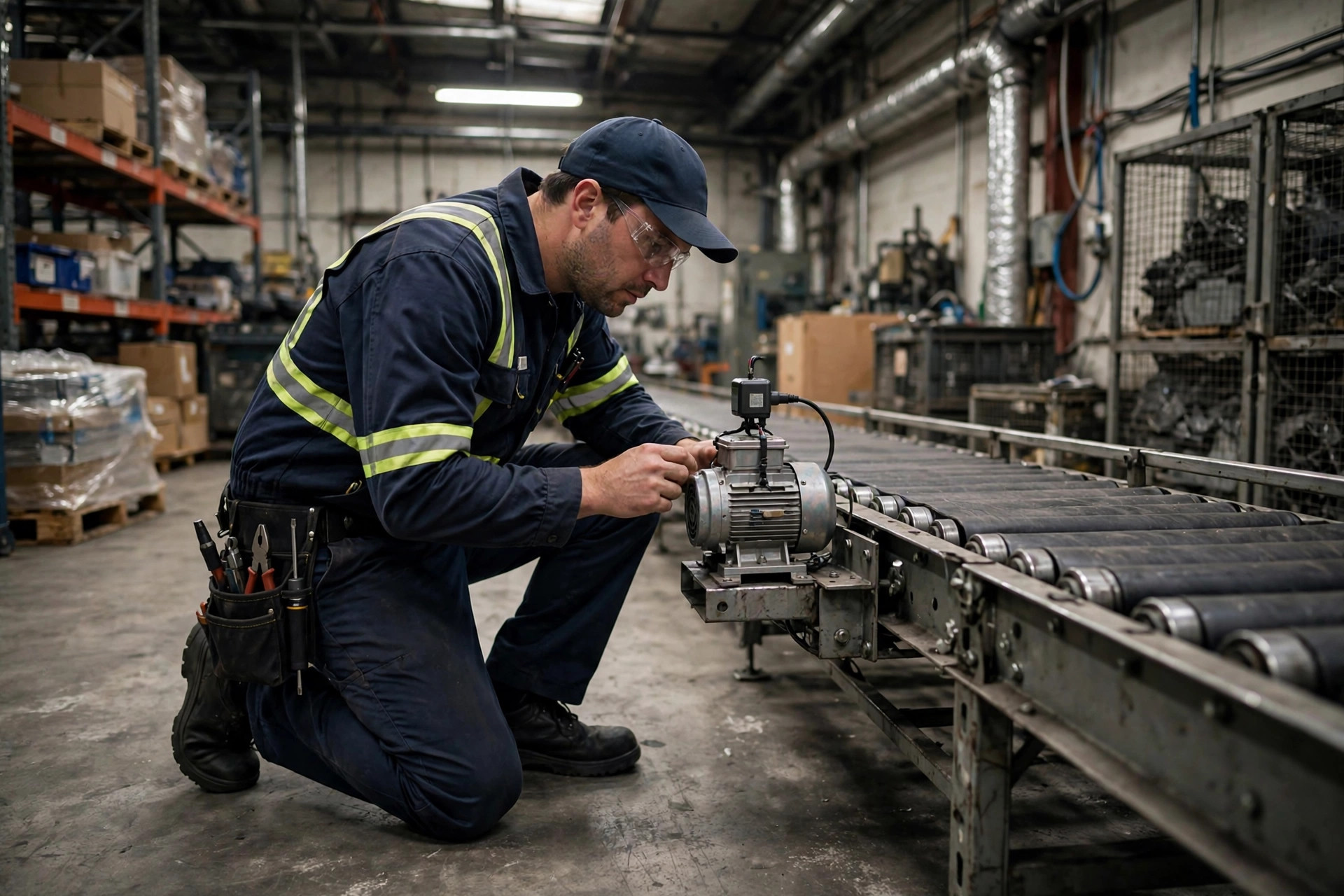
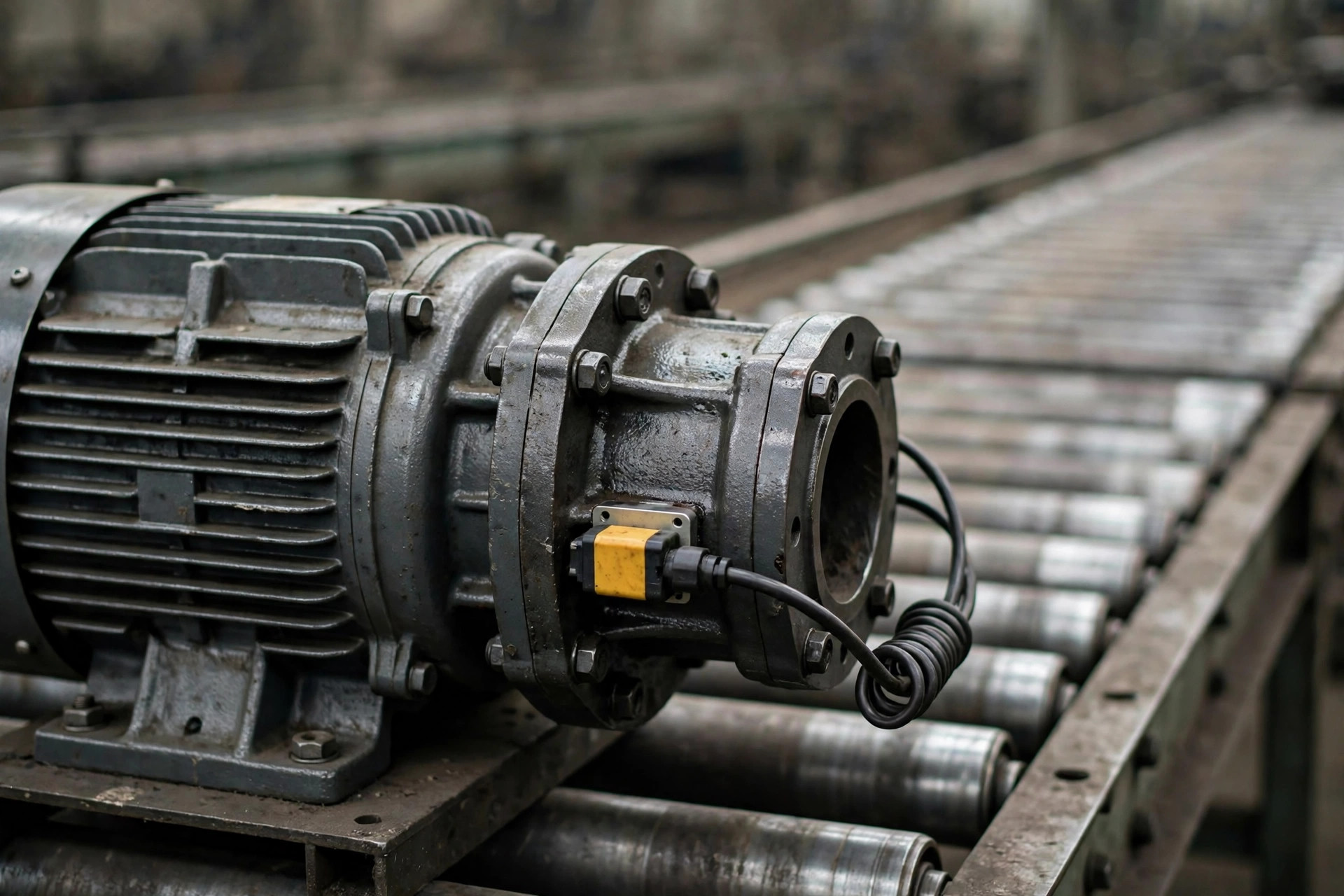
Start with location. Most warehouse conveyors run on gear motors, and failures concentrate in two places: the bearings on the motor's drive end, and the gears and bearings inside the reducer. So that's where your sensors go — on a flat surface of the drive-end bearing housing, and on the side of the gearbox casing. Flat matters. A magnetic base needs full, solid contact. The other half of the setup that people overlook is the current clamp, snapped around the motor's power leads. When bearings start to wear or load starts to drag, the first signal is often not vibration — it's current creeping upward, week after week.
Installation itself is easy now. Wireless tri-axial accelerometers are the standard: slap a magnetic base on the bearing housing, no shutdown, no drilling, ten minutes per motor. But I've watched the failure modes up close. One site stuck sensors on the motor's cooling fins — fins vibrate on their own, so every reading was noise. Another mounted them on the motor's sheet-metal cover; cover resonance buried the real signal under a pile of false alarms until management killed the whole project. It wasn't the technology that failed. It was the mounting location. One more detail people skip: instrument both the drive end and the non-drive end. Monitoring only one end means you're listening with one ear.
What does it cost? Let's keep it in honest magnitudes. One wireless vibration sensor plus its share of the gateway runs a few hundred dollars per motor. A full conveyor line with dozens of motors lands in the tens of thousands. That sounds like real money until you stack it against a single unplanned stoppage — remember the Ontario warehouse and its six-figure afternoon. The math isn't hard. But let me be blunt about what you're buying: early warning, not immunity. If anyone tells you sensors mean you'll never have a failure again, keep your wallet closed.
Threshold Alerts vs. AI Models: It's Not About the Tech, It's About the Data
Sensors are up, data is flowing. Now what turns that data into an alarm? Two camps, and their salespeople love to trash each other. The truth is less dramatic: the difference isn't technical superiority — it's whether you have the data.
Threshold alerts are the simple camp. Set a red line for vibration and current; cross it, get an alert. You can be running the day after installation, and it's cheap. The downside is just as obvious: false alarms. Seasonal load changes, a one-off jam, even a forklift clipping the conveyor frame can trip a threshold. And every false alarm trains your crew to ignore the next one. That's the inevitable fate of every threshold system left on autopilot.
AI model prediction sounds fancier, but the principle is plain: feed it three to six months of history so it learns what "normal" looks like for each motor, then flag deviations from that baseline. It's accurate — once the model actually knows your equipment. Without enough history, it's decoration. And it needs a human in the loop, recalibrating as equipment ages and duty cycles change. The classic way these projects die: a big platform purchase, three weeks of history, a model firing off nonsense alerts, and within three months nobody opens the dashboard anymore.
So here's my call: run thresholds for the first three months. Those months do double duty — you accumulate the history the model will need later, and you grind down the false-alarm rules in real conditions. Single spikes get ignored; a slow climb over consecutive days gets attention. Known disturbances like jams and seasonal swings go on a whitelist. After three months you have data, and your team has learned how to read it. Then layer the model on top, and it lands on solid ground. Skip straight to the model and nine times out of ten the project dies of "nobody looks at the dashboard."
False alarms deserve their own paragraph, because mishandled, they kill the system. My rule for the team is three steps. First, watch the trend, never the single point. Sensor data is noisy; one spike means nothing, but a steady climb over several days means something. Second, send a human. Have someone listen to the motor, feel for heat, check the live current reading. A veteran tech's ear is sometimes better than the sensor, and I'm only half joking. Third, schedule the fix — and slot it into a shift change or low-volume window whenever possible. False alarms aren't the real danger. The real danger is the boy who cried wolf three times and got ignored the fourth time, when it was real. That's the most expensive false alarm of all.
And the small warehouse question. If you're moving tens of thousands of orders a month, my advice is direct: don't buy the big platform. Buy two current clamps. During your weekly walkthrough, log each critical motor's current draw and plot the trend in a spreadsheet. That's the budget version of predictive maintenance, and it costs next to nothing. Here's the field wisdom: current creeping up over several weeks almost always means bearing wear or abnormal load. Catch it early, swap a bearing on a Saturday, a few hundred dollars, done. Get good at that before you talk about sensors, and get good at sensors before you talk about platforms. Tools serve scale. Without the scale, a person with a clamp meter and a spreadsheet beats most AI.
When was the last time someone put a stethoscope to your conveyor motors?