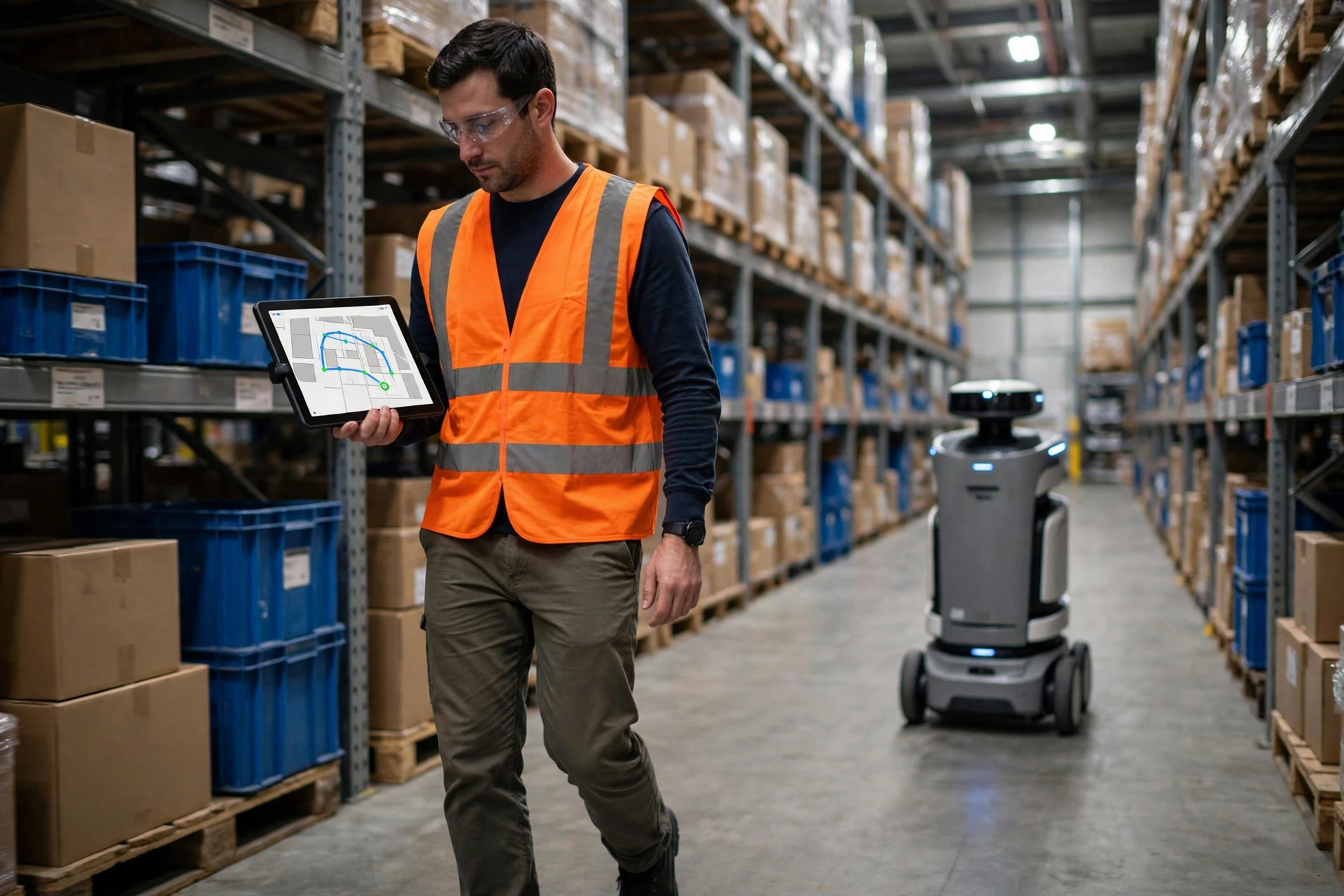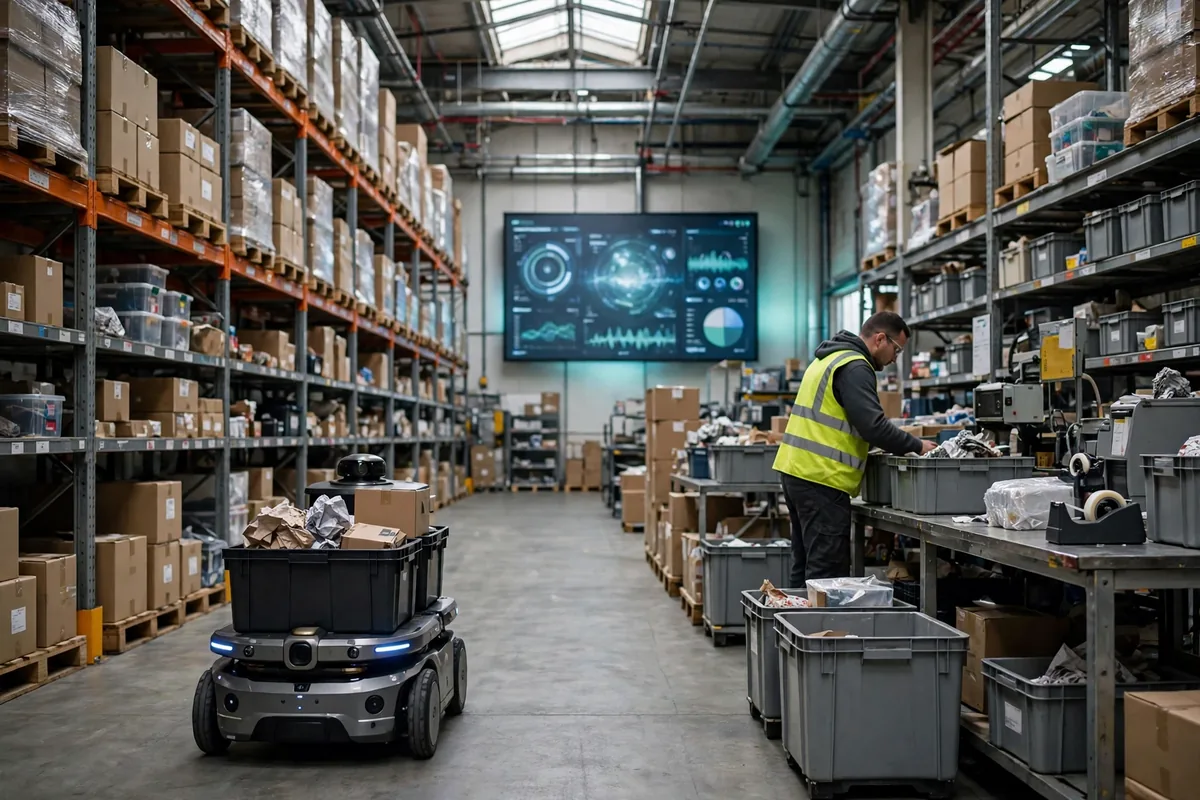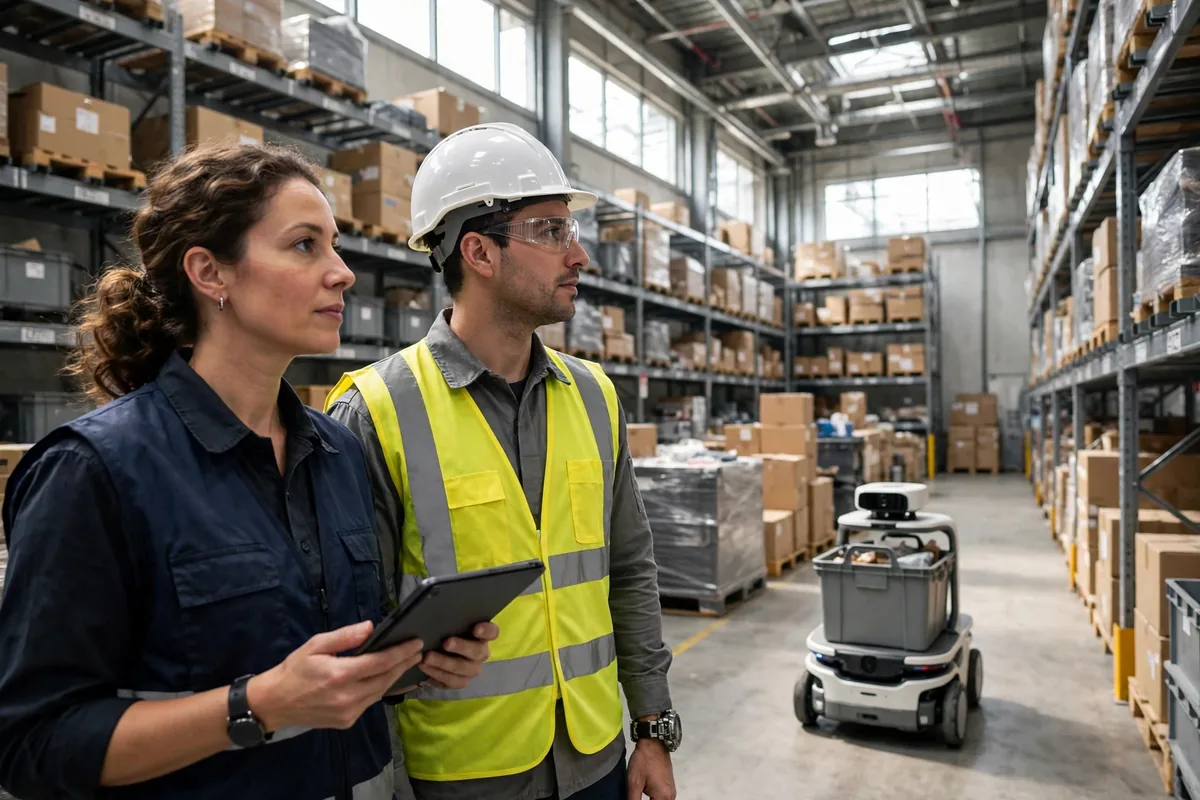
Let me tell you something. Last winter I sat outside a warehouse in Texas for four hours waiting to unload. It was not a traffic problem, and it is the reason I care about ai pilot project selection warehouse decisions. Inside, the whole place had come apart. The system said 300 cartons. The dock counted 287. Thirteen cartons short, and the whole warehouse spent the afternoon tearing the place apart. In the end it was one duplicated line on a receiving document, one shipment labeled twice. I sat in my truck burning fuel and money while the folks inside burned daylight. And I kept thinking: if something had just looked at that paperwork first, would any of this have happened?
I have been driving for fifteen years, and I have watched warehouses chase every shiny new thing. AI is the hottest one right now, and people keep telling me, Shifu, your warehouse needs AI. So I ask one question: AI for what? Nine out of ten cannot answer. Either it is "full warehouse intelligence" or "a big dashboard to look at." How much money is that, how much time? Get the first ai pilot project selection warehouse decision wrong and you burn six months, and nobody in the building believes in AI ever again. That is not me trying to scare you. That is what fifteen years on the road teaches you.
AI Pilot Selection: Pick Work You Can See, Afford to Get Wrong, and Put a Name On
My simple test for an AI pilot has three parts: you can see it working, you can afford it being wrong, and somebody owns it. You can see it working means the people on the floor notice the difference with their own eyes, not just a number floating on a report. You can afford it being wrong means that when the AI makes a bad call, a person catches it before a wrong shipment goes out the door. Somebody owns it means one named person checks the results every single day, and when something goes sideways, everyone knows whose phone rings.
By that test, the worst first pilot is anything that touches picking and shipping directly. Pick the wrong carton and you get a complaint, a return, a reshipment, and your brand-new AI carries all of it on day one. The right work repeats every day, in volume, where a mistake shows up immediately and costs almost nothing to fix.
Let me count a few. First, document recognition. Delivery notes, packing lists, invoices, a clerk typing them into the system one by one until their eyes cross. AI reads the documents, a person glances at the result and fixes what is wrong. The volume is there every day, mistakes show up on the spot, and fixing them hurts nobody. Second, exception detection. Stock counts that do not match, short deliveries, a location that has not moved in three days. Old hands used to catch these by feel. Now let AI sweep the data daily and hand the supervisor a short list of what looks wrong. Third, a light version of demand forecasting. Not next year's sales, just roughly how many cartons go out tomorrow, so you know whether to call in two extra temps. Get it wrong and the cost is small.
Here is the counterintuitive part: the flashiest scenario usually makes the worst first pilot. Fully automated picking, robot scheduling, a lights-out warehouse, it all sounds exciting, but those jobs are the beating heart of the whole building. Touch them and everything moves. A first pilot does not need excitement. It needs steadiness. The more boring the job looks, the better it is for going first. Document recognition sounds dull as dirt, but the hours it saves every day are visible to everyone on the floor.
Before You Spend a Dollar on an AI Pilot, Fill In This Table
Fifteen years of driving taught me one thing: if you do not check the road before you leave, you will be doubling back halfway there. Same with an AI pilot. Before anyone writes a check, fill in this table. If you cannot fill it in, do not start.
| Question to answer | What good looks like |
|---|---|
| How much volume per day | The same job repeats dozens or hundreds of times daily; too small is not worth it |
| How often does it go wrong now | Errors you can count, with causes you can name |
| Is the data there | At least a year of decent history, documents complete |
| Who catches mistakes | Someone reviews results daily and fixes bad calls fast |
| What does success look like | Written down before you start: hours saved, errors cut, in plain numbers |
I did not invent those rows. Anyone who does this work will tell you the same: volume big enough, errors measurable, data in place, responsibility named, success numbered. Miss one and the pilot drifts. The last row matters most. Write down what success looks like before you start, on paper, on the wall. When the pilot finishes, hold it against those numbers. Hit them, move forward. Miss them, stop and find out whether the data was bad, the scenario was wrong, or the vendor oversold. What you never want is three months in, the vendor saying it works great, and nobody able to say great at what.
One more piece of hard-won advice: run in shadow mode first. That means the AI watches from the side and touches nothing. Every day you compare its calls against your people's calls. After a few weeks, if it is accurate, let it take over. If not, keep training it. Call it a probation period. A new hire gets one, so why should AI get the keys on day one? During shadow mode the warehouse works exactly as before, zero risk, just the extra work of comparing results.
The numbers below are a hypothetical worked example. I made them up to show the math, not to describe any real warehouse. Assume a warehouse handles 200 document batches a day, manual entry 6 minutes per batch. That is 200 times 6, or 1,200 minutes, 20 hours, roughly two and a half clerks for a full day. With AI reading plus a human review at an assumed 1 minute per batch, that is 200 minutes, about 3.3 hours. The saving is 1,000 minutes a day, about 16.7 hours. Over 22 working days in a month, that is about 367 hours saved. The math does not need to be precise to the minute. It needs to sit on the table where the person who controls the money can read it.
Picking Wrong Costs More Than the Software
Here is another story from the road. In the fall of 2024, I delivered to a warehouse where the supervisor was complaining about an AI scheduling system bought that spring. It cost real money, and its schedules left night shifts empty and day shifts overcrowded. The supervisor had to fix them by hand every day. After two months the system sat in a corner gathering dust, and everyone in the building shook their head whenever AI came up. The money was gone, the time was gone, and the trust was gone. That is the most expensive cost of a bad pilot: not the software, but the trust of the whole warehouse. Trust takes six months to build and one bad rollout to destroy.
So my advice comes down to an old saying: slow is fast. Make the first pilot small, make it plain, and make it succeed. When it succeeds, everyone sees it, and the second and third pilots sell themselves. When the first one fails, you spend the next six months earning back trust before you can try again.
Here is the practical order I would follow. Pick one scenario, just one. Put one person's name on it. Set a review date, say six weeks out, and judge it against the numbers you wrote on the wall. Pass, and you expand a little. Fail, and you stop and ask whether the data was thin, the scenario was wrong, or the vendor talked too big.
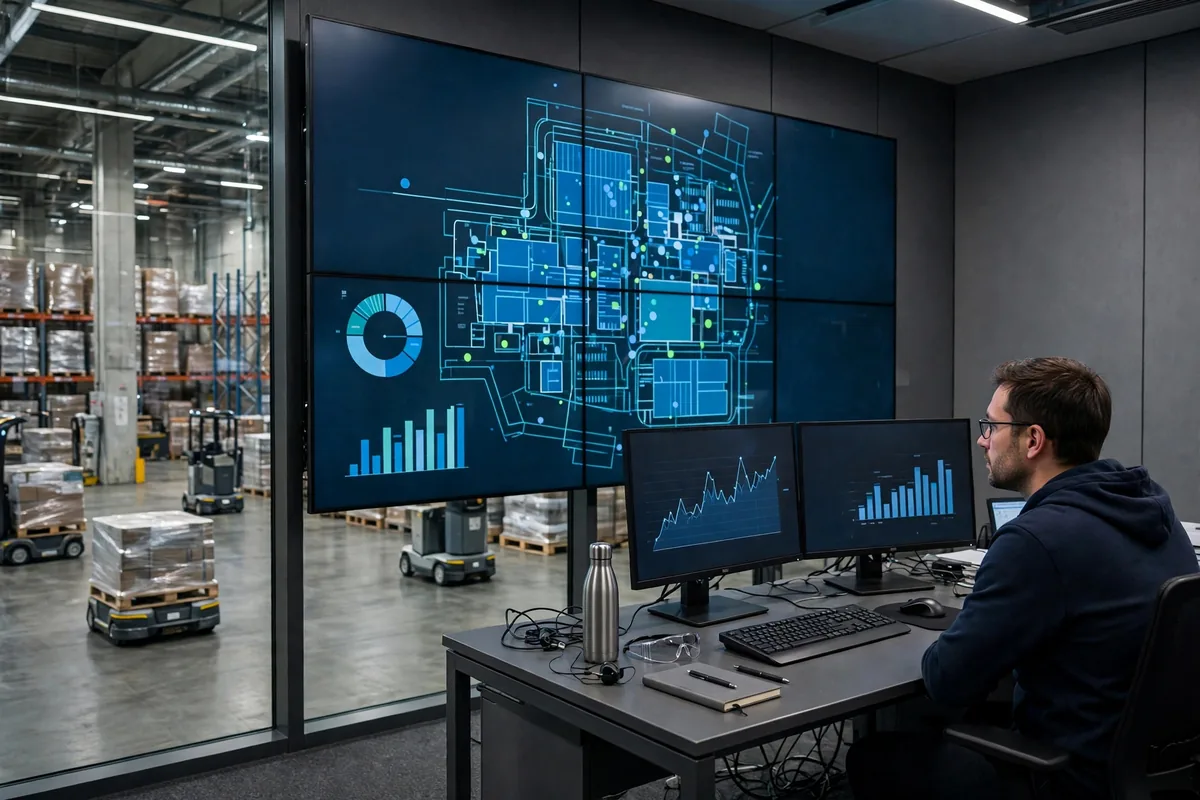
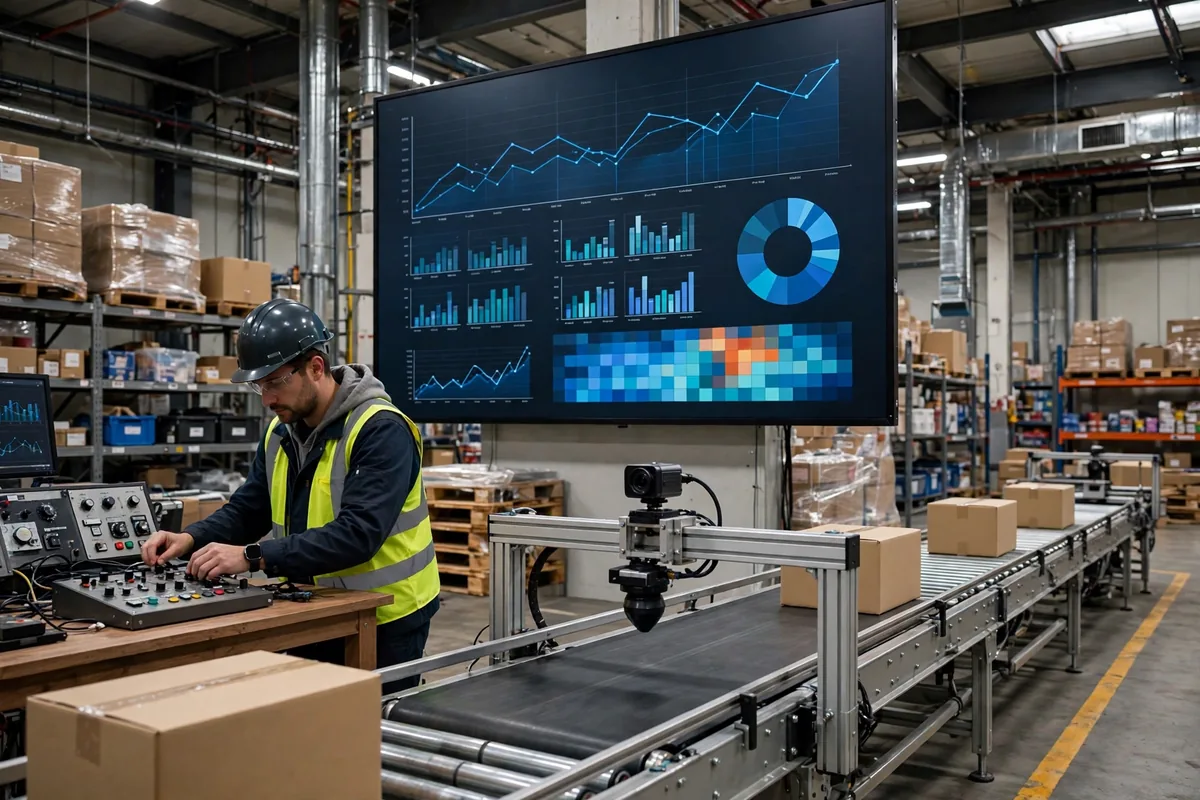
After fifteen years on the road, I have learned this: what is worth money in a warehouse was never the trendiest thing. It is the work that gets done steadily, every single day. AI is no different. Pick the right first scenario and it becomes a good helper that does real work. That is what good ai pilot project selection warehouse practice looks like: one small win, then the next. Pick wrong and it becomes a big screen on the wall, pretty to look at and good for nothing.
As the old saying goes, sharpening the axe does not delay the woodcutting. Do not skip the work of choosing.
By Shifu Zhao, Trucking Veteran (15 yrs)