Bottom line up front: 3D bin packing software genuinely saves money at outbound — but eight out of ten projects I've worked on didn't die on the algorithm. They died on dimension data that was flat-out wrong. Clean up your master data first. The smarter the algorithm, the bigger the mess it makes on top of garbage data.
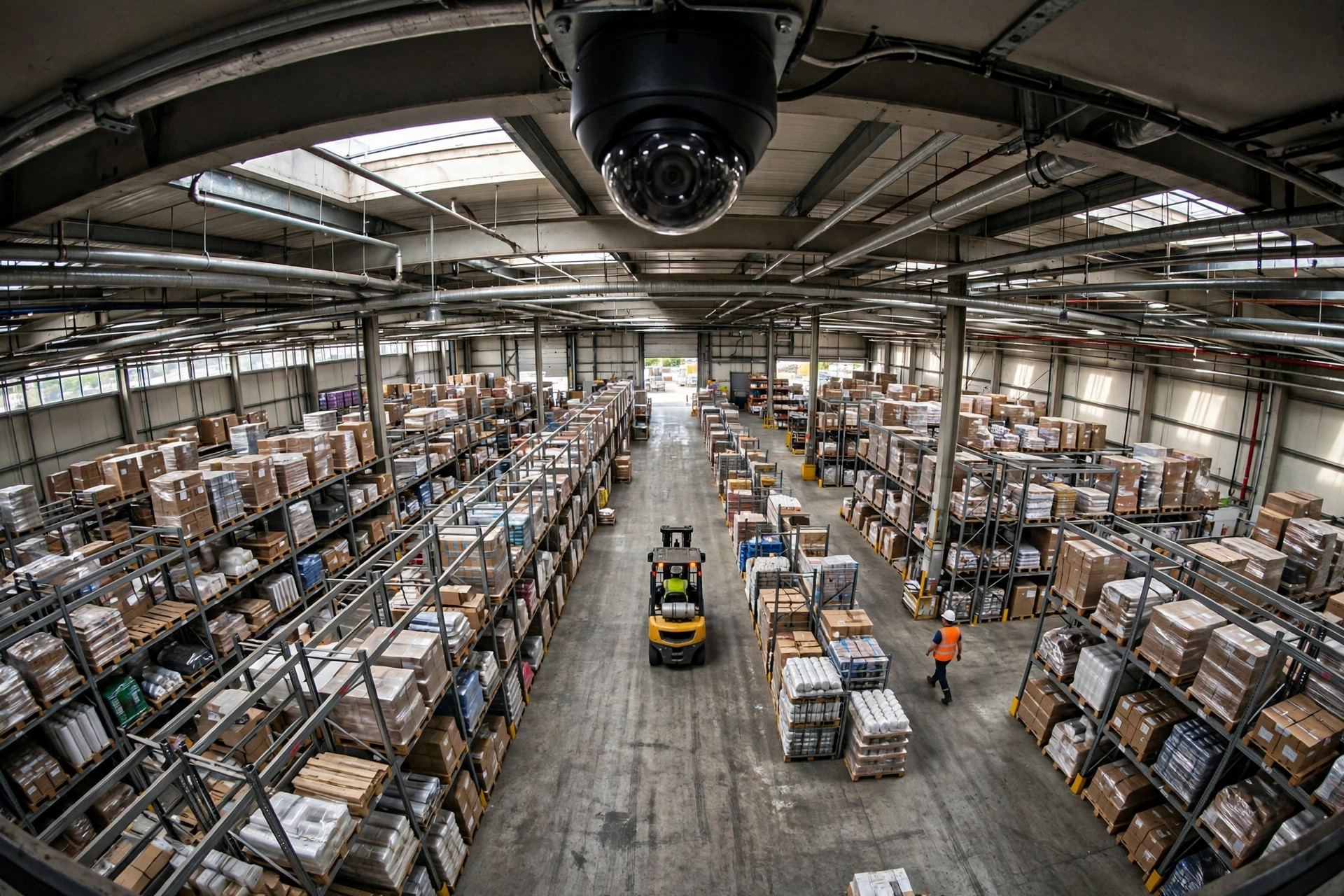
Why bother? Outbound is where a warehouse bleeds money quietly. You buy cartons one at a time and you buy freight by the pallet and by the cube. Every extra carton per order and every half-empty pallet is cash walking out the door. Bin packing optimization goes straight at both.
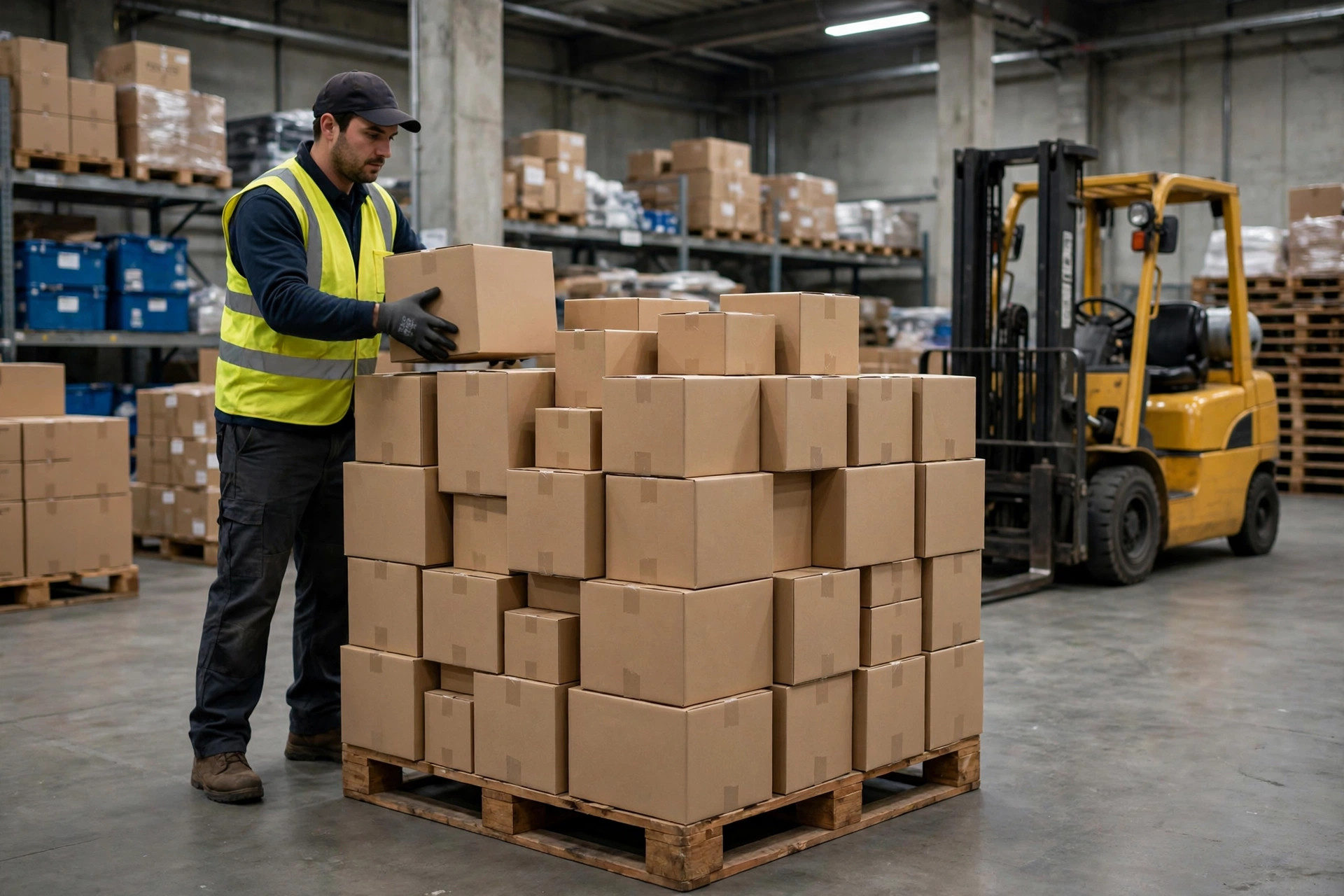
Let me show you the money first — a real project from 2023. A 3PL outside Los Angeles shipping auto parts: 60 pallets a day, pallet utilization at 72%. After bin-packing optimization, utilization hit 84%. The math: effective volume = 60 × 0.72 = 43.2 "full-pallet equivalents." Actual pallets shipped per day afterward = 43.2 ÷ 0.84 ≈ 51.4. That's 8.6 fewer pallets a day × 250 working days = 2,150 pallets a year. At roughly $95 per pallet for local delivery, that's about $204,000 a year in freight savings. They also cut carton sizes from 12 down to 7, saving another $60,000-plus a year on packaging. Total first-year project cost — software subscription, integration, data cleanup — came in under $150,000. I'll let you do the ROI math yourself.
What 3D Bin Packing Actually Computes
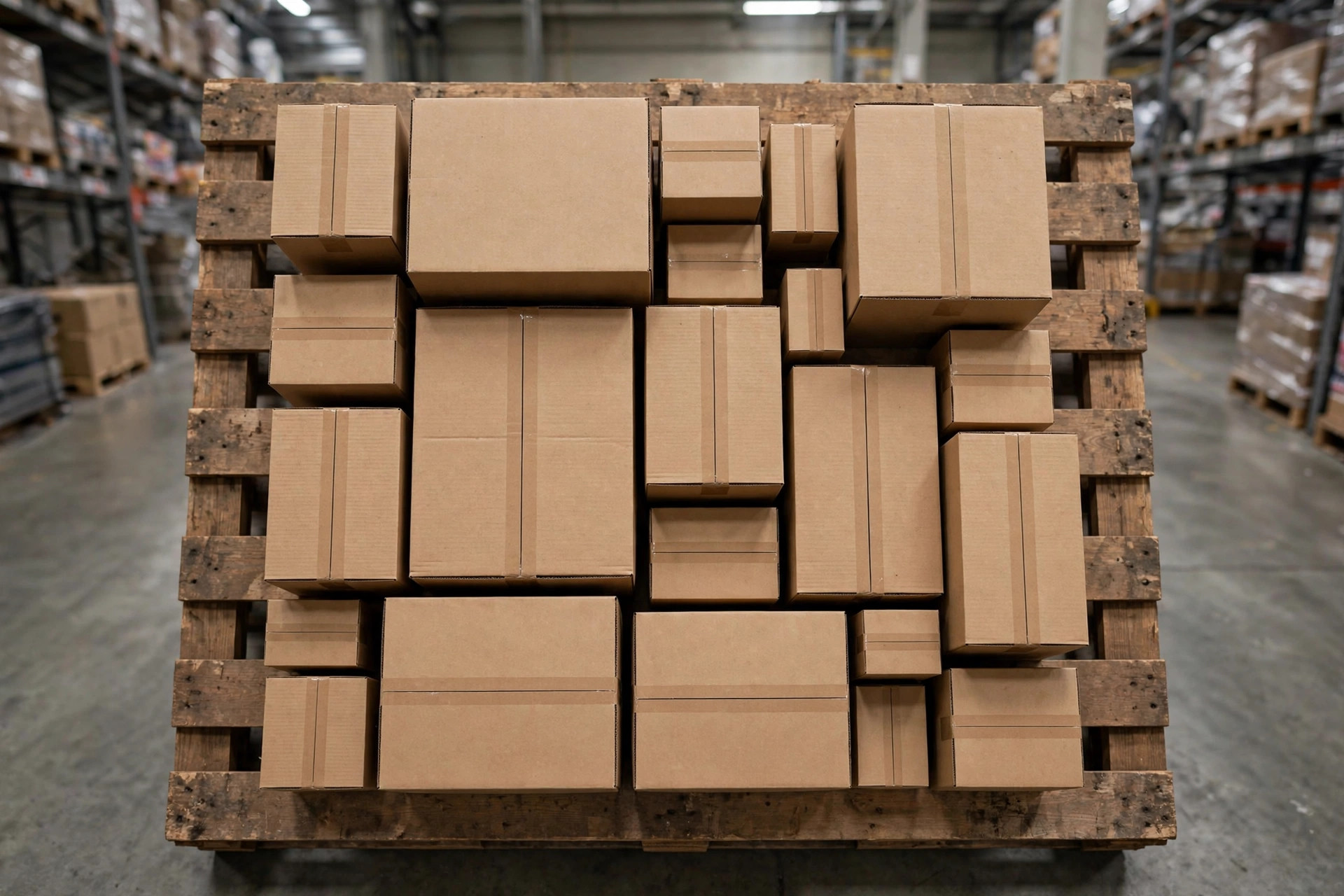
The one-paragraph version: 3D bin packing is NP-hard — brute force would take until the heat death of the universe once your SKU count grows. Every usable product on the market runs on heuristics: sort boxes by volume and weight, then greedily fill the largest empty space first. The so-called AI versions add exactly two things: they learn from historical orders which SKUs tend to ship together and pre-combine them, and they absorb business constraints — fragile items bear no load, heavy at the bottom, cold-chain separation. That's the whole theory. Everything else is engineering.
Get the input data straight before you sign anything — don't start the project missing any of these: physically measured length, width, height, and weight per SKU (measured, not whatever purchasing typed in years ago); constraint flags like fragile, do-not-compress, do-not-invert; and your order profile (mostly full-case or mostly each-pick). Without all three, the algorithm is sculpting garbage.
Three-Way Choice: Tribal Knowledge vs Rules Engine vs AI
| Dimension | Tribal knowledge | Rules engine | AI optimization |
|---|---|---|---|
| Fill rate | Depends on the veteran's mood, 60–75% | 75–82%, stable | 82–90%, improves with data |
| Implementation cost | Zero | Medium, 2–4 weeks of rule config | High, 2–3 months of data cleanup minimum |
| Maintenance | Walks out the door with the person | Rules start fighting each other | Model needs continuous feeding |
| Best for | Under 200 orders/day | Mid-size DCs with regular SKUs | 1,000+ orders/day, 10,000+ SKUs |
| Fatal flaw | Volatile, not replicable | Chokes on irregular items | Garbage data in, garbage out |
How to use this table: under 200 orders a day, stick with your veteran packers plus a few hard rules. Don't buy AI — the ROI doesn't pencil out. Plenty of people hate hearing that. It's still true.
Bin Packing Go-Live Eve Checklist: Five Steps
- Fix dimension master data first. Physically measure your top 500 SKUs — length, width, height, weight — and correct every mismatch in the system. Sample at least 10%. Skip this step and everything downstream is theater.
- Write business constraints in stone. Fragile bears no load, liquids never inverted, heavy below light — the algorithm can't "learn" these. A human has to declare them as hard rules in the engine config first.
- Pick the integration point. The standard chain: WMS releases the wave → pushes order lines (SKU + quantity) to the packing engine → the engine returns the plan (how many cartons, what goes in each, pack sequence, pallet build) → the pack-station screen shows a 3D diagram and prints the pack list. Keep API latency under 2 seconds — past 3 seconds, packers stop looking at the screen.
- Pilot one product category. Don't go whole-warehouse on day one. Take your most dimensionally boring product line, run it for 4 weeks, and watch three numbers: fill rate, damage rate, pack time per order. Expand only when all three behave.
- Close the loop with human review. Spot-check every order for the first two weeks — photograph actual packs against the algorithm's plan and feed discrepancies back into the constraints. Without this loop, the model degrades within three months.
Three Failure Modes — I've Seen This Exact Failure Three Times
Failure one: dimensions entered by whoever was in purchasing that day. The algorithm plans for 30×20×15 cm; the physical item is 32×22×18. It doesn't fit on the floor. Packers cursed for three days, then went back to packing by feel on day four, and the system was bypassed entirely. The fix is step 1 above. There is no other fix.
Failure two: irregular items. A Chicago home-goods e-tailer in 2024 — lamps and tower fans made up 30% of volume. The algorithm treats everything as its minimum bounding box, so the "saved" space was pure fiction on paper. Warehouses like this should split irregulars onto their own pack line first. Accept that at selection time, not after go-live.
Failure three: packers don't trust the screen. The 3D diagram can be beautiful; the veteran glances at it and says "I've packed this way for ten years." There's no technical fix for this one — run a head-to-head during the pilot: half the orders by algorithm, half by experience, damage rate and carton count on the table. The veteran goes quiet on their own.
Now the counterintuitive part: fuller isn't better. A carton packed to 95% fill shows higher damage rates in long-haul transit — no cushion left, one hard brake and everything crushes. The algorithm optimizes space, not "who sits on whom," so set fragile constraints by hand and target 85–90% fill. The last 5% belongs to reality.
One more trade-off, stated plainly: the cost is real — at least 2 months of master-data cleanup, 4–6 weeks of integration development, a month of retraining and habit change, with benefits typically visible around month six. If your boss expects results next month, don't start the project. But if you're shipping a thousand-plus orders a day on veteran eyeballs, every month you wait is tens of thousands leaking through your fingers.
One line to close: get the tape measure right before you talk about algorithms. Otherwise you're just optimizing a beautiful mistake.
By Lin Xiao, WMS Implementation Consultant