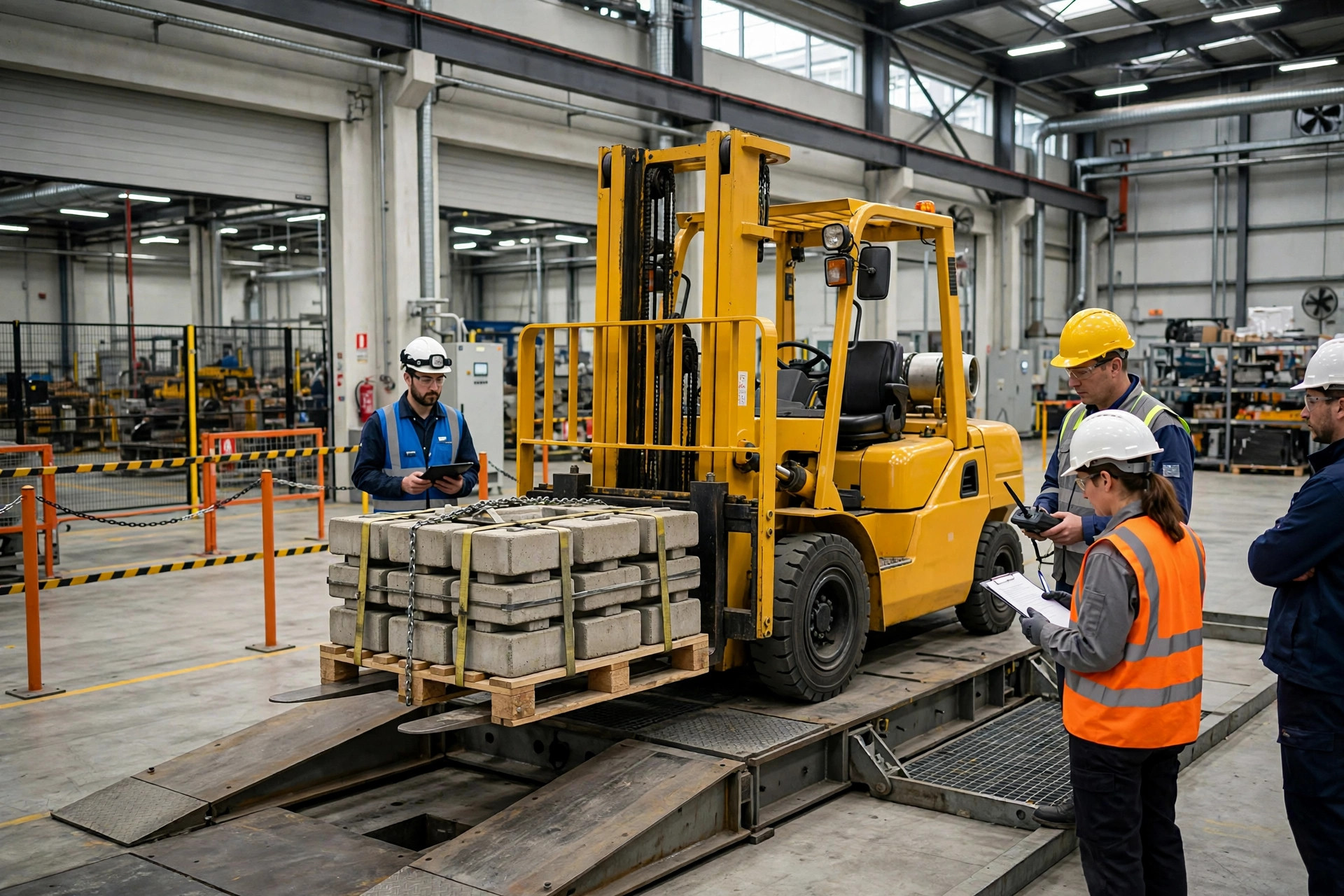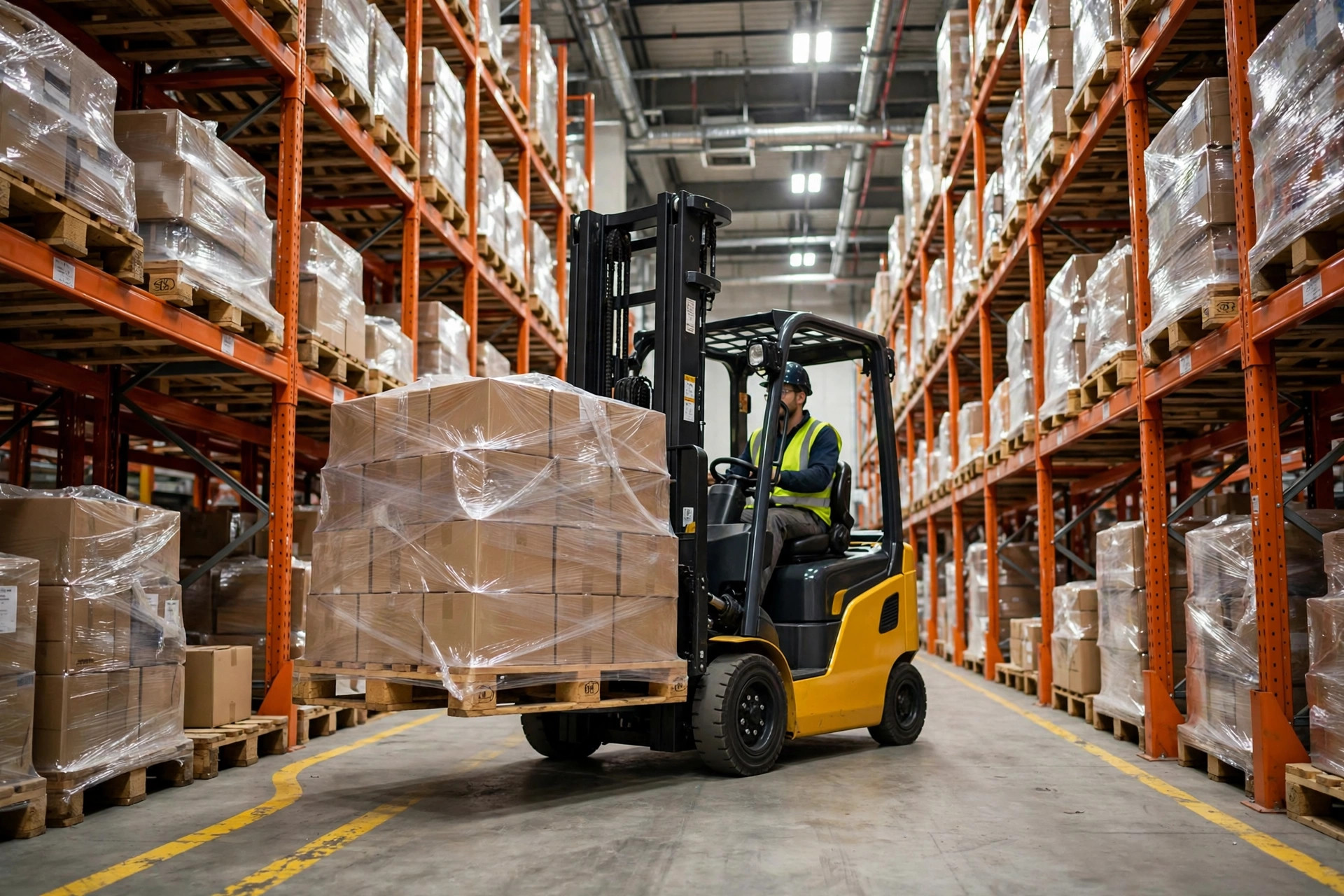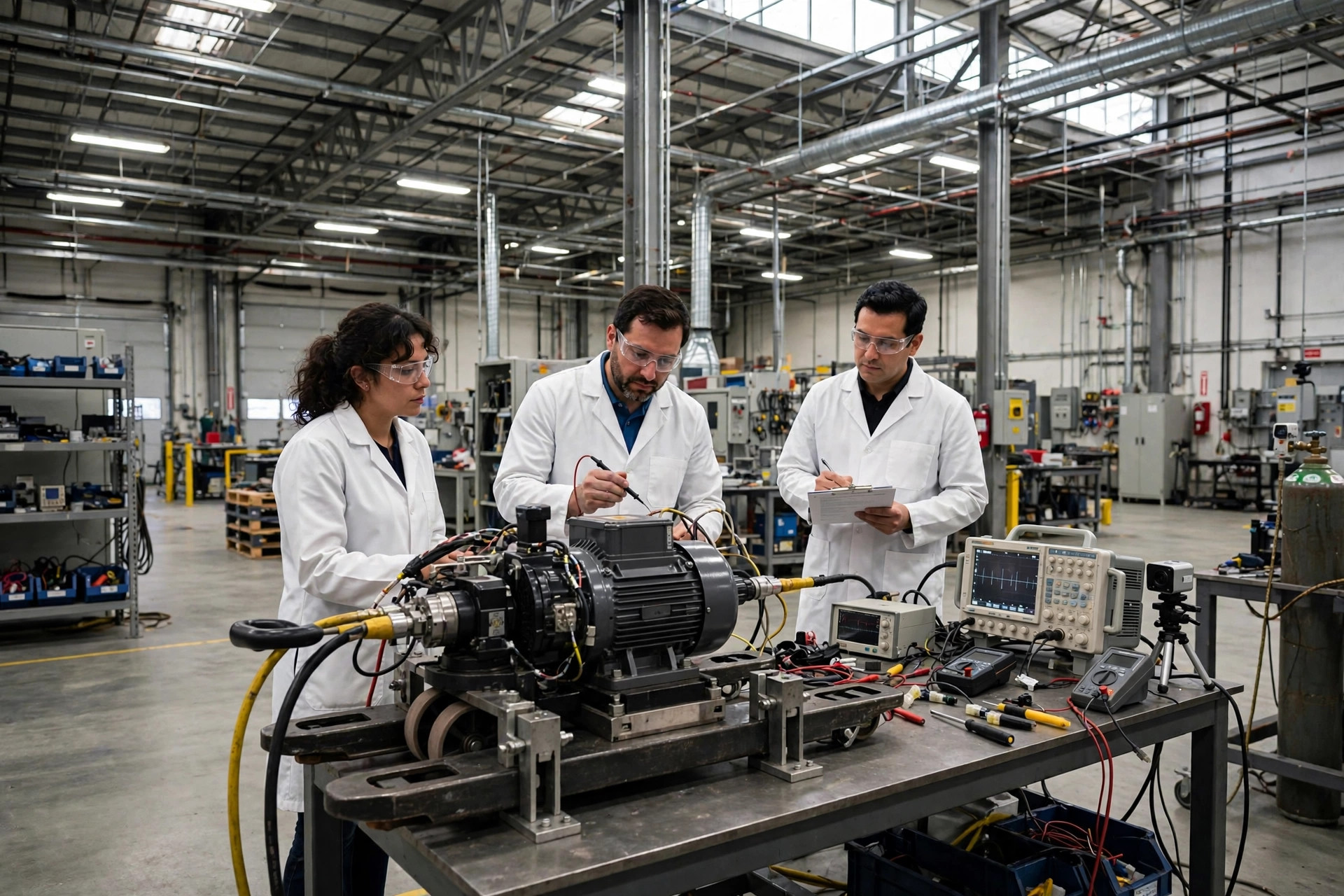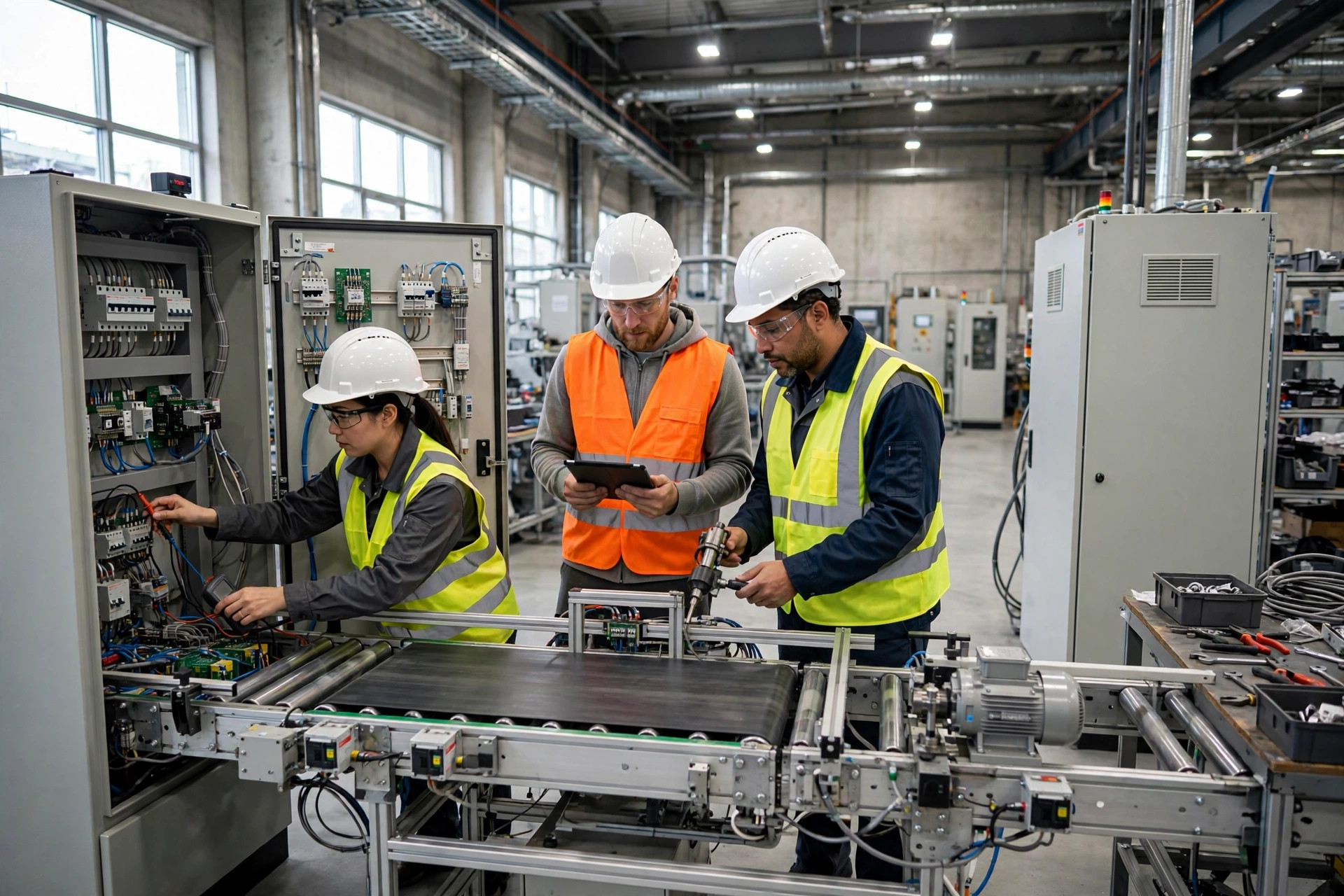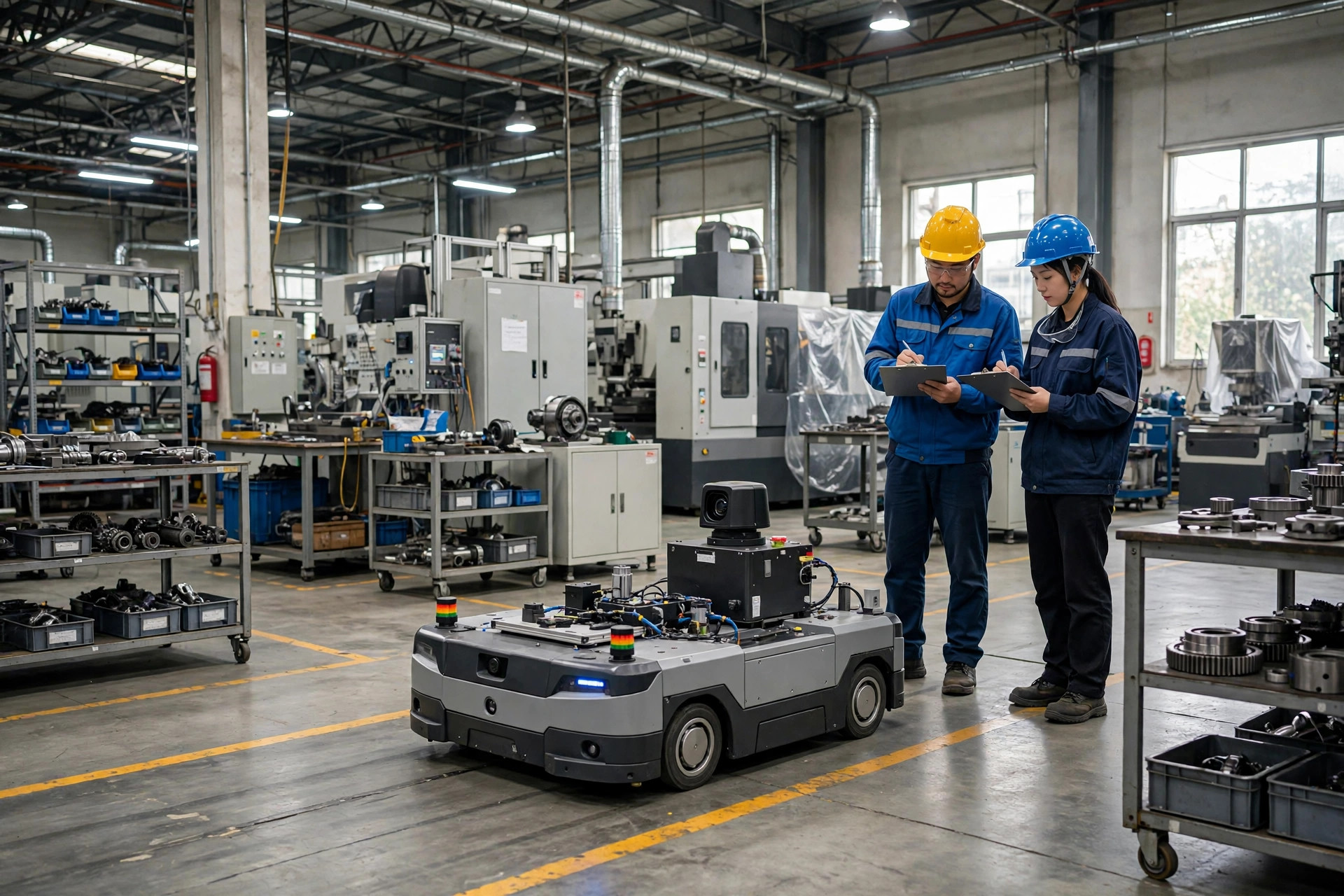
If you want to sell an AGV into an American warehouse, budget six to twelve months and something in the tens of thousands to low six figures. That is what the invoice looked like the last few times I walked a Chinese manufacturer through the whole process. And that is just the price of admission — product development is a separate bill.
Start with the basic fact: the United States does not recognize the CE mark. OSHA rules require electrical equipment in workplaces to be suitable for its installation and use, and in practice — with inspectors, insurers, and electricians — "suitable" is proven one way: a listing mark from an NRTL, a Nationally Recognized Testing Laboratory. When your AGV rolls into a customer's warehouse, nobody reads your technical file. They look for the little label.
Two roads: full listing or field evaluation
There are two ways through the electrical safety gate, and picking the wrong one burns money.
The first is listing. You send a sample unit to the lab, it goes through the full test program against the applicable standards, and if it passes, the product goes on the directory — with factory inspections every year afterward to make sure every production unit still matches the one that was tested. This is the road for volume sales, deliveries to multiple sites, and any project where the bid documents say "NRTL listed." Most American warehouse operators and their insurers write exactly that into their specs.
The second is field evaluation. After the machine is shipped, installed, and sitting in its final position at the customer site, an evaluation body sends an engineer to inspect it and apply a field label, one machine at a time. This fits custom-built equipment, handful-unit orders, and project-based delivery. It is priced per machine, per visit, with no follow-up factory inspections.
The economics pull in opposite directions. Field evaluation looks cheaper for one machine, but every machine you sell triggers another engineer visit. Listing costs more and takes longer up front, but the marginal cost collapses at volume — and there is a softer benefit that shows up in real sales conversations: a listing certificate changes how a buyer's engineering team looks at you.
Two details people usually learn the hard way. First, a field evaluation cannot be done in advance and shipped with the machine — it happens only after the equipment is installed at its final location, and the label goes on there. Second, not every lab can do field evaluations. Lab testing and field evaluation are two separate accreditations; a field evaluation body has to meet the competence requirements of NFPA 790 and be recognized by an accrediting body like A2LA or IAS. Confirm that separately when you pick a provider.
My verdict is blunt: if you plan to sell more than a handful of units in the U.S., go for listing from day one. "Let's do a field evaluation to cover this one order" sounds pragmatic until the second and third orders arrive and you are paying for the same gatekeeping all over again.
The timeline and the invoice
From kicking off certification to holding the certificate, the normal range is six to twelve months, driven mostly by lab backlog and how bad your remediation list is. Here is how the stages typically break down.
Document preparation: one to two months. Drawings, BOM, certification files for every component, nameplate artwork, the manual in English. This stage looks easy and slips the most — I have lost count of the Chinese manufacturers whose drawings did not match the physical cabinet, and every round of "please resubmit" at the lab costs weeks.
Sample testing: two to four months. The sample ships to a U.S. lab, and the queue is the biggest variable — two months of waiting in peak season is normal. The test program itself runs standard by standard. For an AGV, the two you cannot avoid are UL 508A, which governs the construction and safety of the industrial control panel, and NFPA 79, the electrical standard for industrial machinery, which covers everything from the supply disconnect and emergency stop to the wiring out to motors and sensors.
Remediation: weeks to months, depending on severity. Paperwork fixes close in weeks. Structural changes, component swaps, rewiring — the sample may go back to the factory and come back for retest.
Issuance: two to four weeks. Once every test passes and every finding is closed, the body runs its internal process, issues the certificate, and lists the product.
The invoice has four parts. Lab testing is billed per project or per hour, in the tens of thousands of dollars — get the lab's current quote, because this moves. The annual listing fee is due every year. Factory inspections happen at least annually under most programs (some quarterly), and the engineer's travel is billed on top. Remediation is the wildcard: new components and structural rework are real money. Add it up and the full bill for the first certificate typically lands somewhere between the tens of thousands and the low six figures.
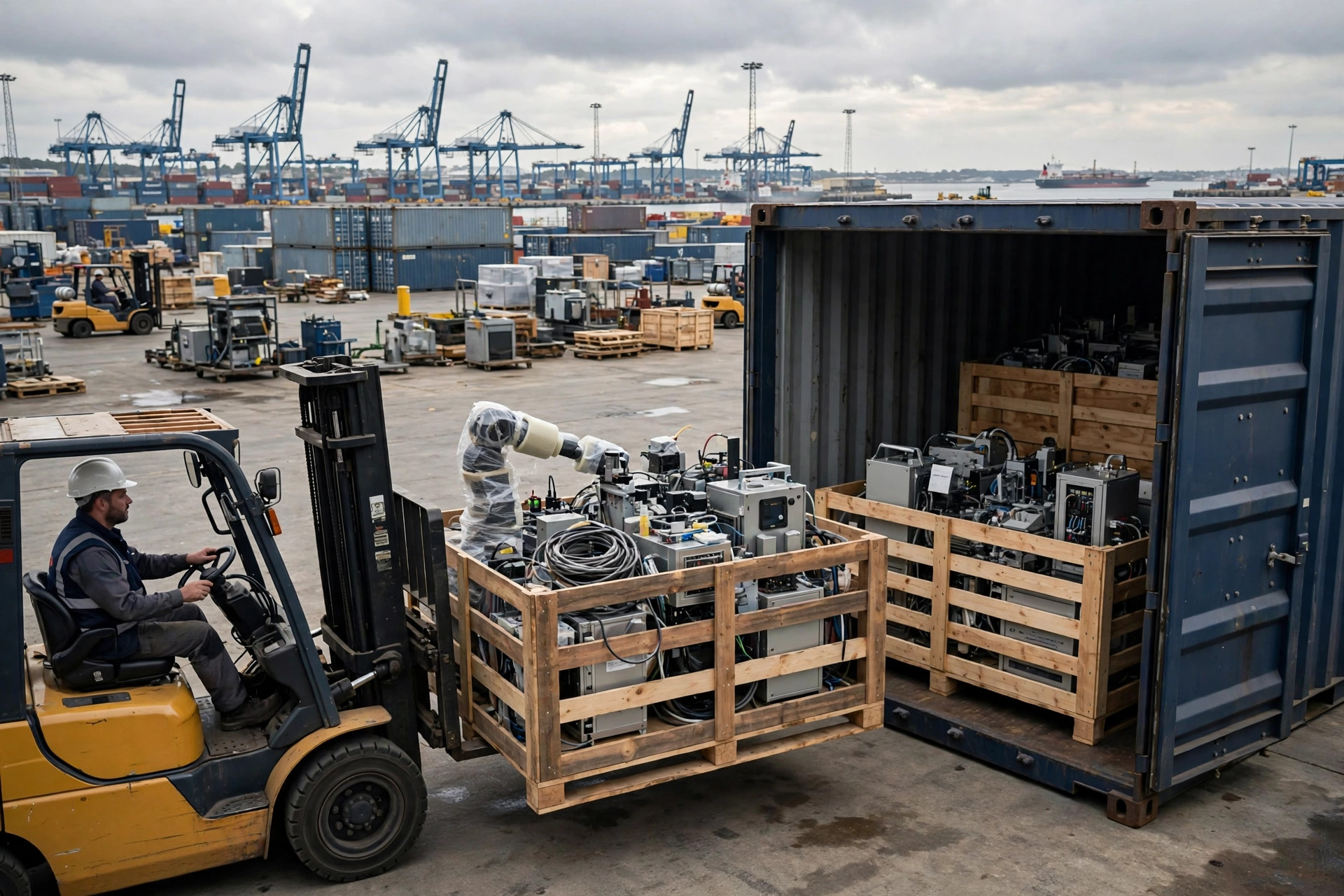
One more thing worth saying plainly: only after the certificate is in hand should volume units go into the container. The paperwork that got your sample through the lab is not the paperwork that clears mass production through customs — the commercial invoice, packing list, and declaration of conformity for volume shipment are a separate exercise. Do not reuse the sample set.
The three remediation hits everyone takes
The deficiency letters labs send back fall into the same three buckets, every time.
First, electrical spacings. Cabinets designed to CE habits routinely fail UL's creepage and clearance expectations. The usual fix is bigger spacings, higher-rated terminal blocks, or a cabinet layout rework — and this one has a habit of cascading, sometimes forcing a change in enclosure size.
Second, emergency stop and safety circuits. NFPA 79 is explicit: the e-stop must cut all hazardous motion, and the machine must not restart on its own when the e-stop is reset — a deliberate restart action is required. I keep seeing AGVs whose e-stop kills the drive but leaves the control circuit alive, or that restart the moment the button is released. Both fail on the first test.
Third, markings and manuals. Nameplates missing the manufacturer identity, missing ratings, missing the SCCR (short-circuit current rating); no English manual. The cheapest bucket, and the most embarrassing — a few hundred dollars of work that somehow waits until the week before issuance.
And three traps at the business level.
When to start: the moment you have a serious U.S. prospect and the technical conversation begins — not when the purchase order lands. Six to twelve months of certification will murder your delivery date if you start at PO. The most painful case I have seen: a manufacturer that lost the customer after ten months of waiting.
How to pick a lab: look it up in OSHA's NRTL directory and verify two things — that the lab is on the list, and that its scope of recognition covers the standards you need to test against. "Yes, we can do that" over the phone is worth nothing; if the lab is not in the directory, the certificate is scrap paper.
The biggest trap of all: the golden sample versus mass production. The sample is built by the master technician, lovingly. Production swaps the breaker brand to save cost, changes a wire gauge, switches a supplier — and the factory inspector opens the BOM, finds it does not match, and the listing gets suspended. The re-inspection and remediation cost far more than whatever was saved. My rule: whatever went into the sample is what goes into production. Freeze the BOM, and route any substitution through a formal change process.
So here is the one thing to do tomorrow morning: pull the UL file for every component in your AGV's electrical cabinet and put it in a table. Whatever is missing a file, switch to a listed component on your next buy. That table costs nothing, and it is the only part of the entire certification you can start today. When testing day comes, you will find that a little homework up front buys back months of remediation.