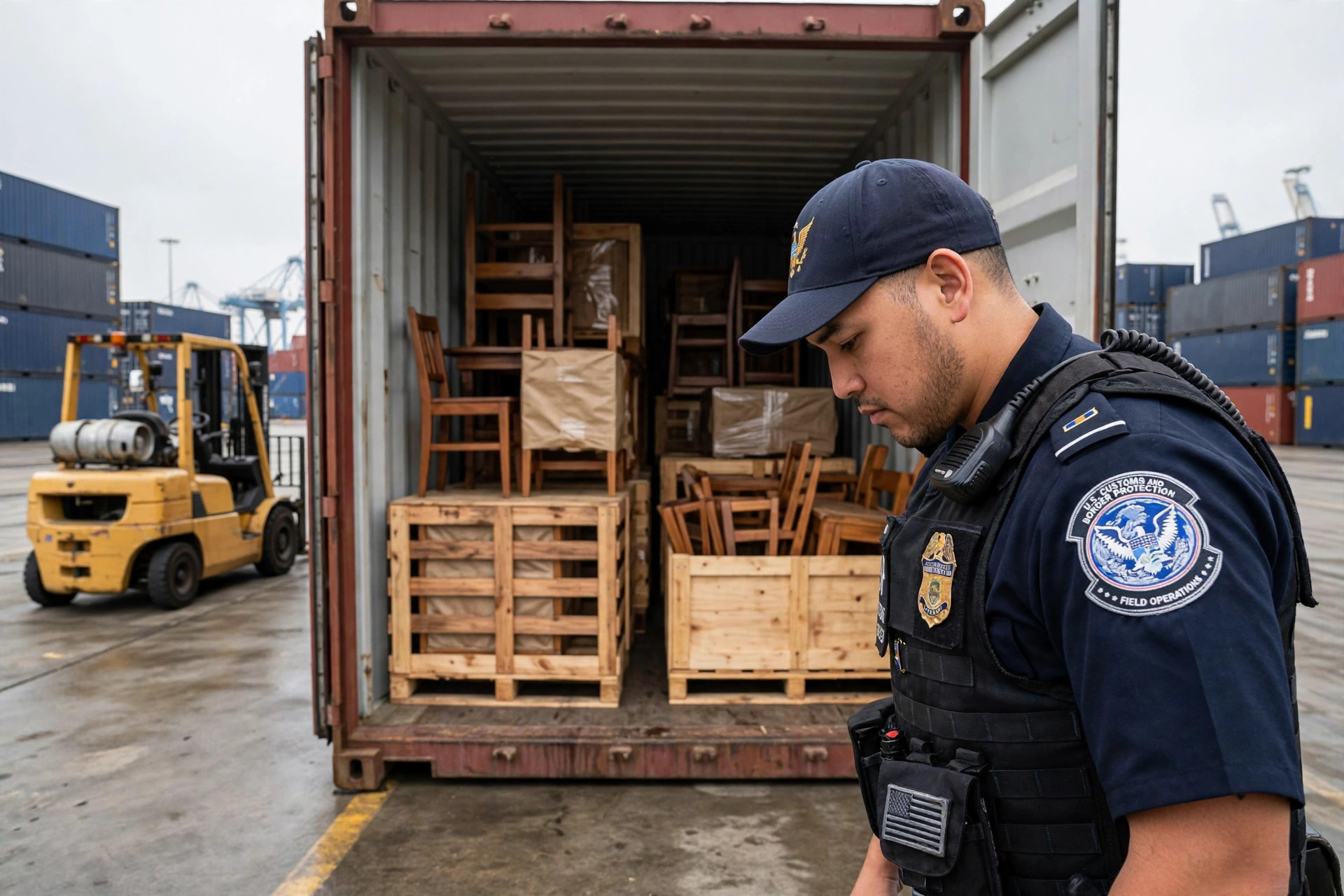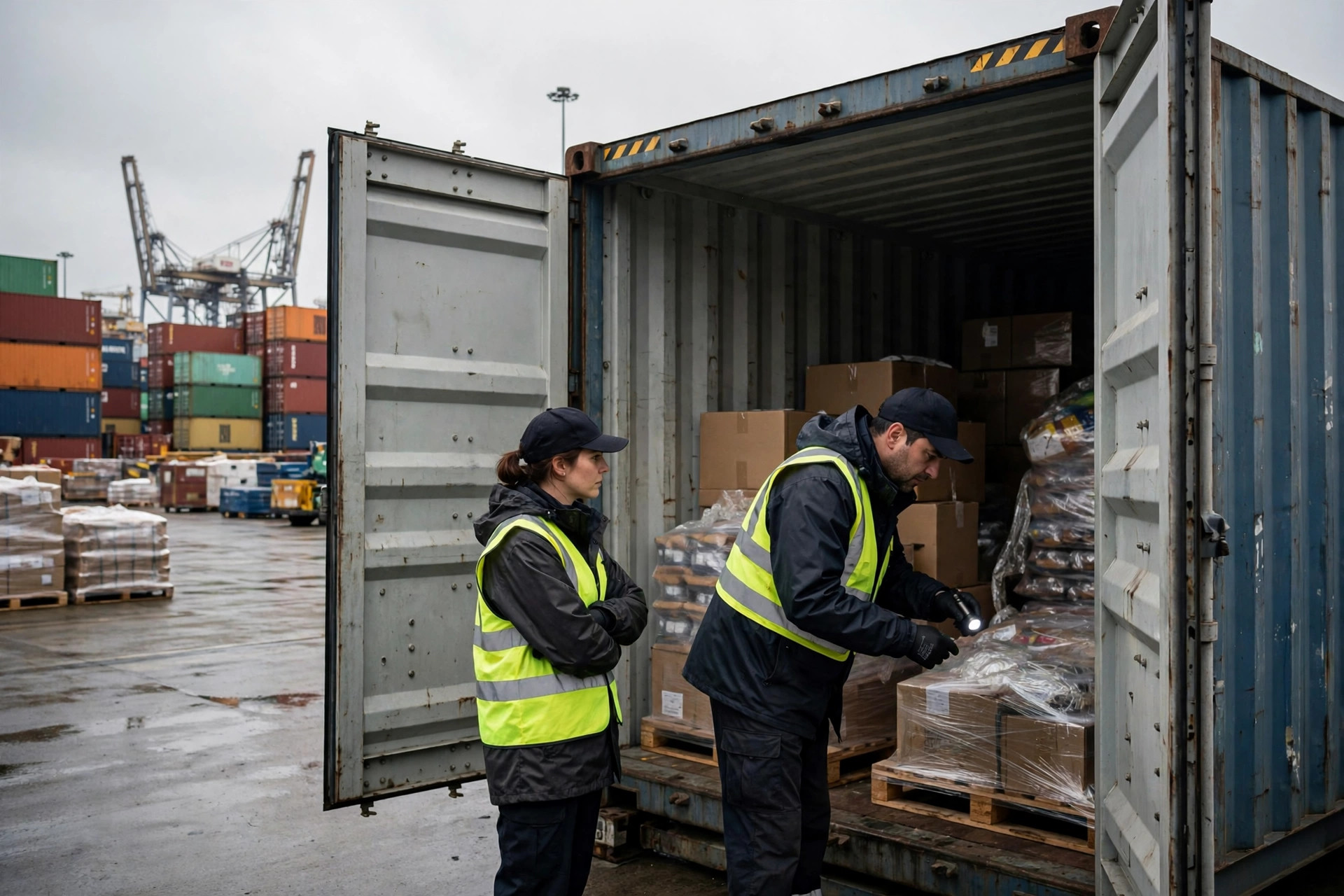
Here's the bottom line up front: antidumping and countervailing duties, stacked together, can multiply a product's landed cost several times over. I'm not exaggerating. Section 301 tariffs look brutal until you see an AD/CVD rate next to them — then 301 starts to look gentle. And the worst part? These duties can be applied retroactively. Your goods can clear customs, sell through, and the duty bill still shows up at your door.
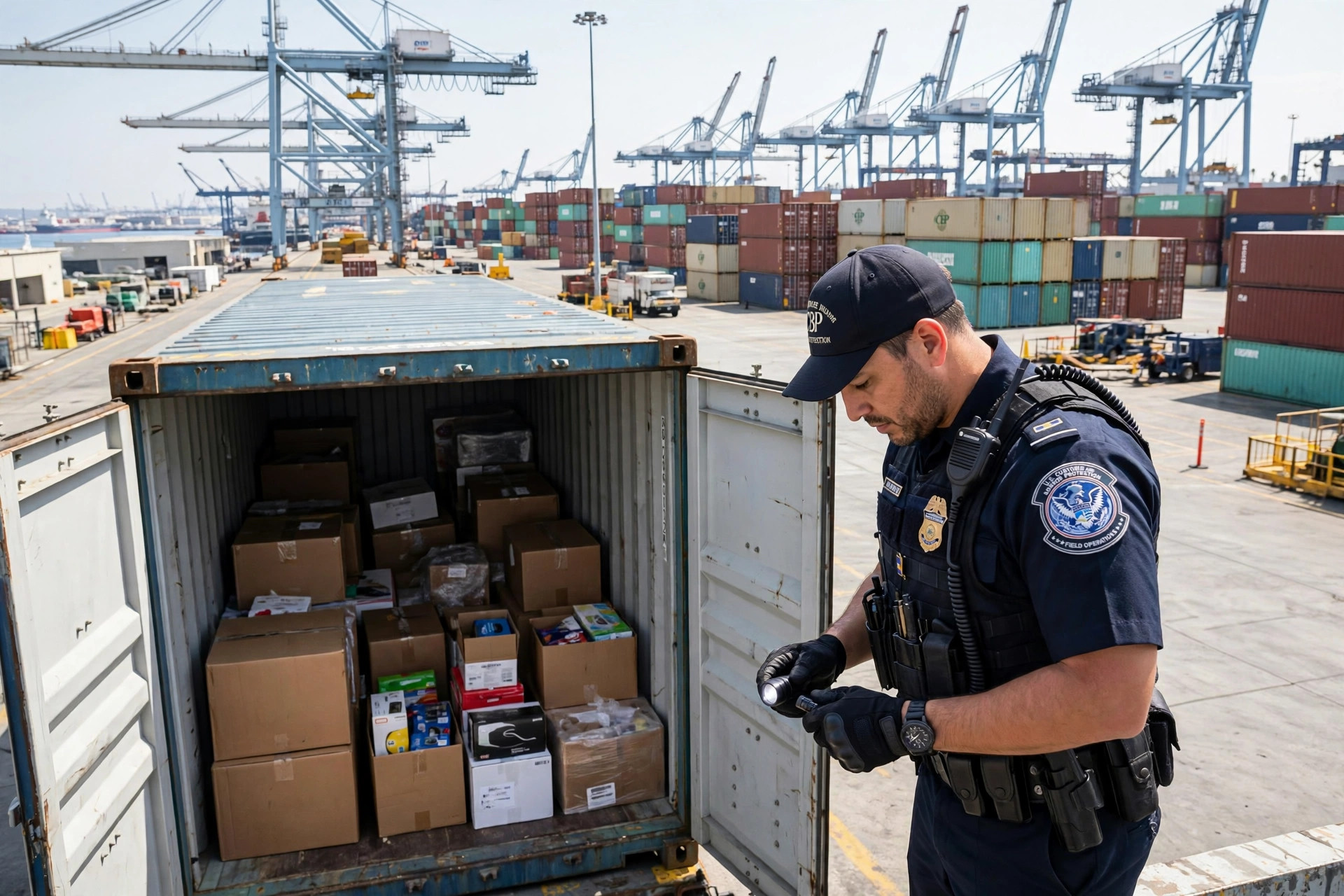
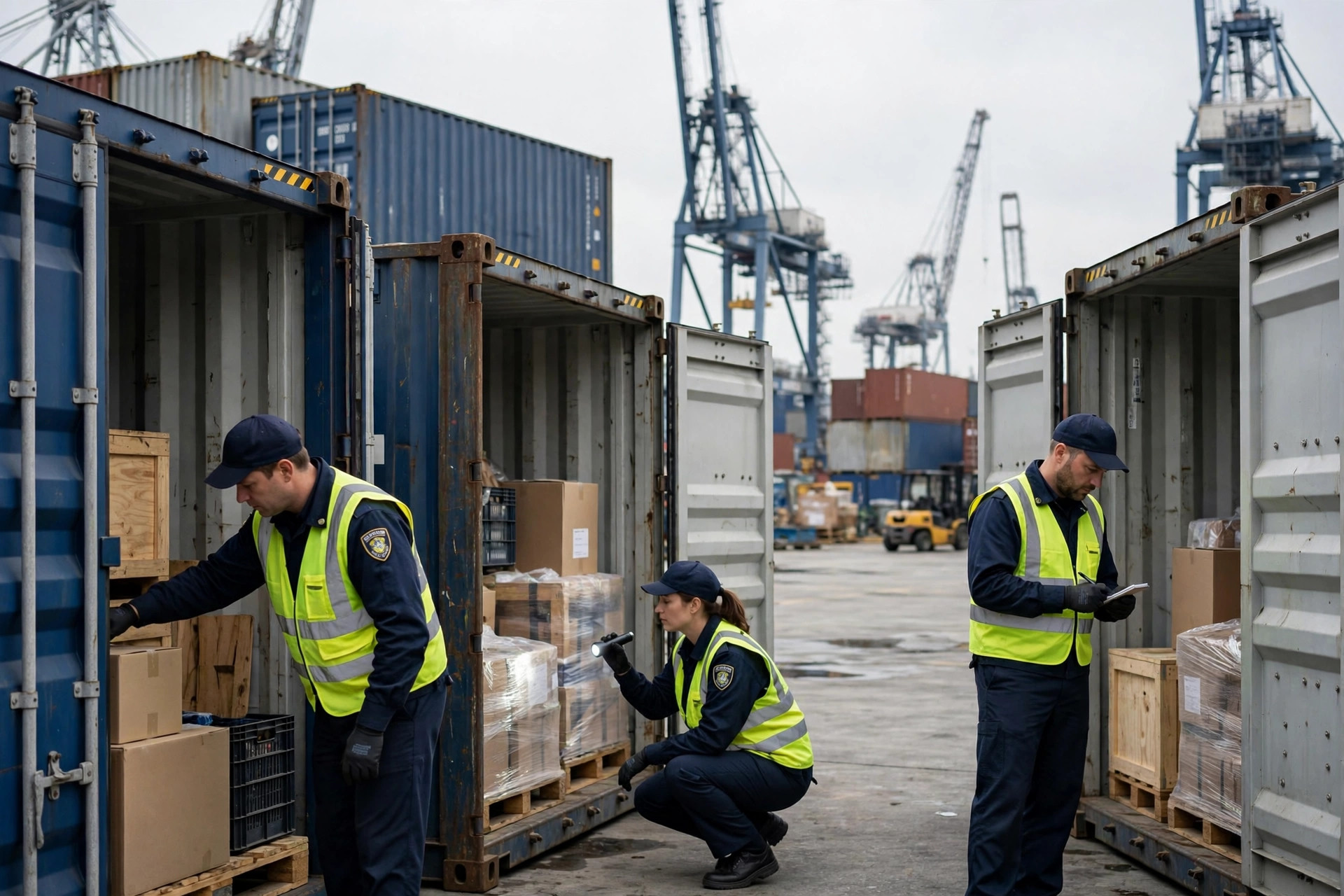
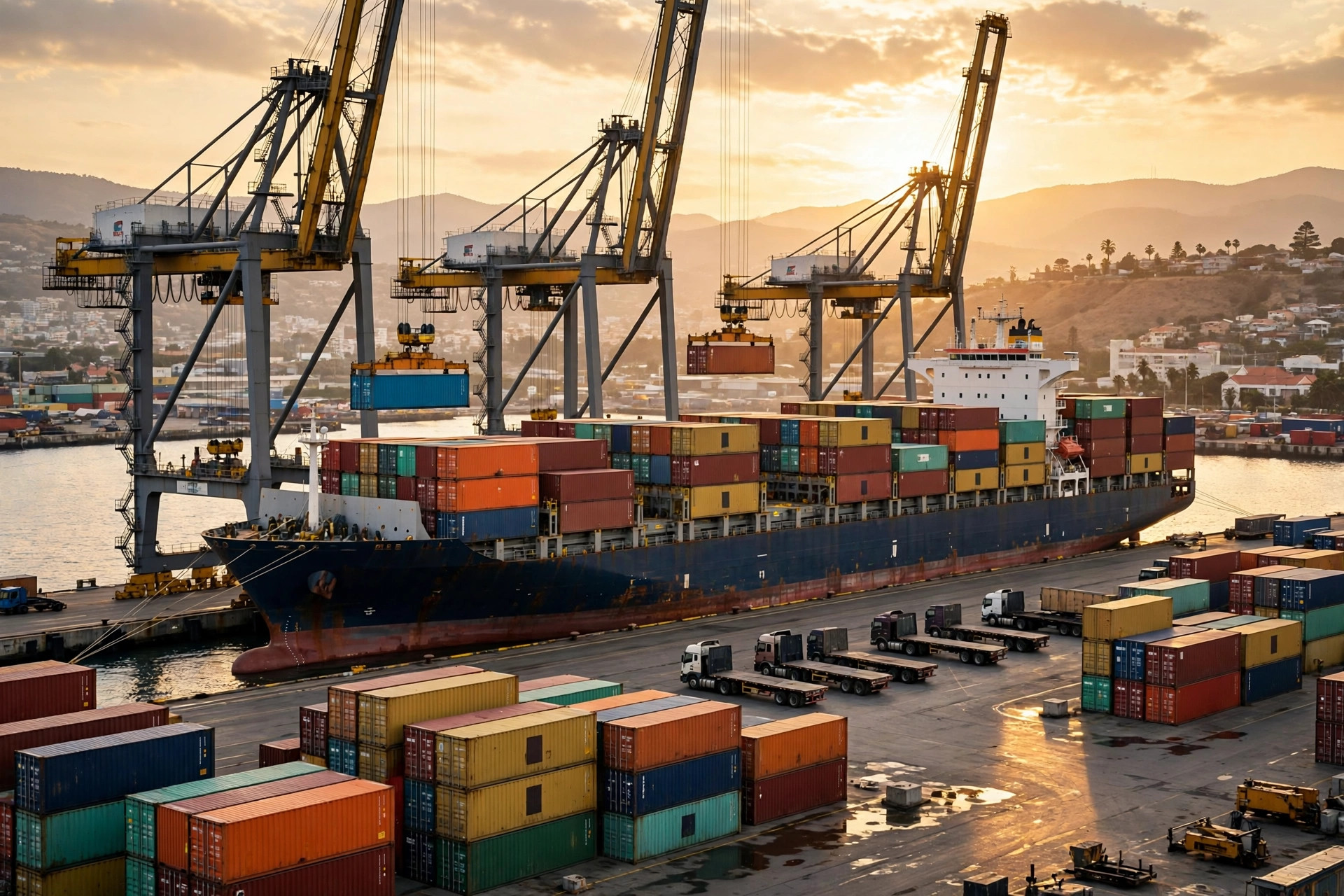
Last fall I met an outdoor-furniture importer near the Port of Long Beach. His containers had been sitting at anchor for two weeks when his broker called: his product had landed inside the scope of a new antidumping investigation, and from the initiation date forward, every container needed a cash deposit before it could be released. He did the math — the deposit was higher than the value of the goods in the container. While his freight was on the water, he had no idea any of this was coming.
That is the fundamental difference between AD/CVD and ordinary tariffs. A Section 301 tariff is a posted price — you know your cost before you place the order. AD/CVD is "pay now, true up later." When Commerce issues its preliminary determination, cash deposits start flowing at an estimated rate. A year or two later comes the final determination, and the rate can come in higher than the preliminary. You make up the difference. The final rate is whatever Commerce publishes in its final determination notice — every estimate in between is just a placeholder.
So how high can it actually go? I won't quote specific duty rates here, because every case is different and quoting one would mislead you. But I'll describe the magnitude. Antidumping duties target the "dumping margin" — the gap between the export price and normal value. In some cases that gap is staggering. Countervailing duties target government subsidies; on their own they can look manageable, but they stack on top of antidumping duties, and the combined total routinely runs several times the original tariff.
There's a detail most importers miss: cash deposits start at the preliminary determination, not the final one. The investigation is still underway, nothing is decided, and every one of your shipments is already paying at the estimated rate. And under a "critical circumstances" finding, duties can reach back 90 days — merchandise that cleared before initiation can get hit. The goods are sold, the profits are distributed, and then the bill arrives. That is the moment that breaks importers.
Find Out Yourself Whether Your Product Is on the List
Don't wait for your broker to tell you. Your broker has hundreds of clients; by the time the news reaches you, it may be too late. Do it yourself — half an hour gets you a preliminary answer.
What to check? Start with Commerce's public list of ongoing investigations. The key is the "scope description," not the product category headline. The scope spells out the boundaries — material, dimensions, end use. Where your product lands against those lines determines whether you're in or out. Judging by the headline alone will mislead you nine times out of ten.
Second, check your HTS classification. Many importers set their HTS codes years ago and never updated them while their products evolved. AD/CVD scopes are frequently drawn around HTS numbers — one wrong digit changes everything. Ask your broker for your active HTS list and review it once a year. That habit alone saves serious money.
Third, check whether your supplier is on the mandatory-respondent list. Duty rates are set company by company: firms that respond to Commerce's questionnaires can earn their own separate rate; firms that don't get the country-wide rate, which is usually far higher. If your supplier never participated, you're buying at the most expensive rate on the menu. When qualifying new suppliers, put "willingness to cooperate with AD/CVD proceedings" on your vendor audit checklist, right next to the factory audit.

If You're Caught in It, Three Roads — None Pretty, All Legal
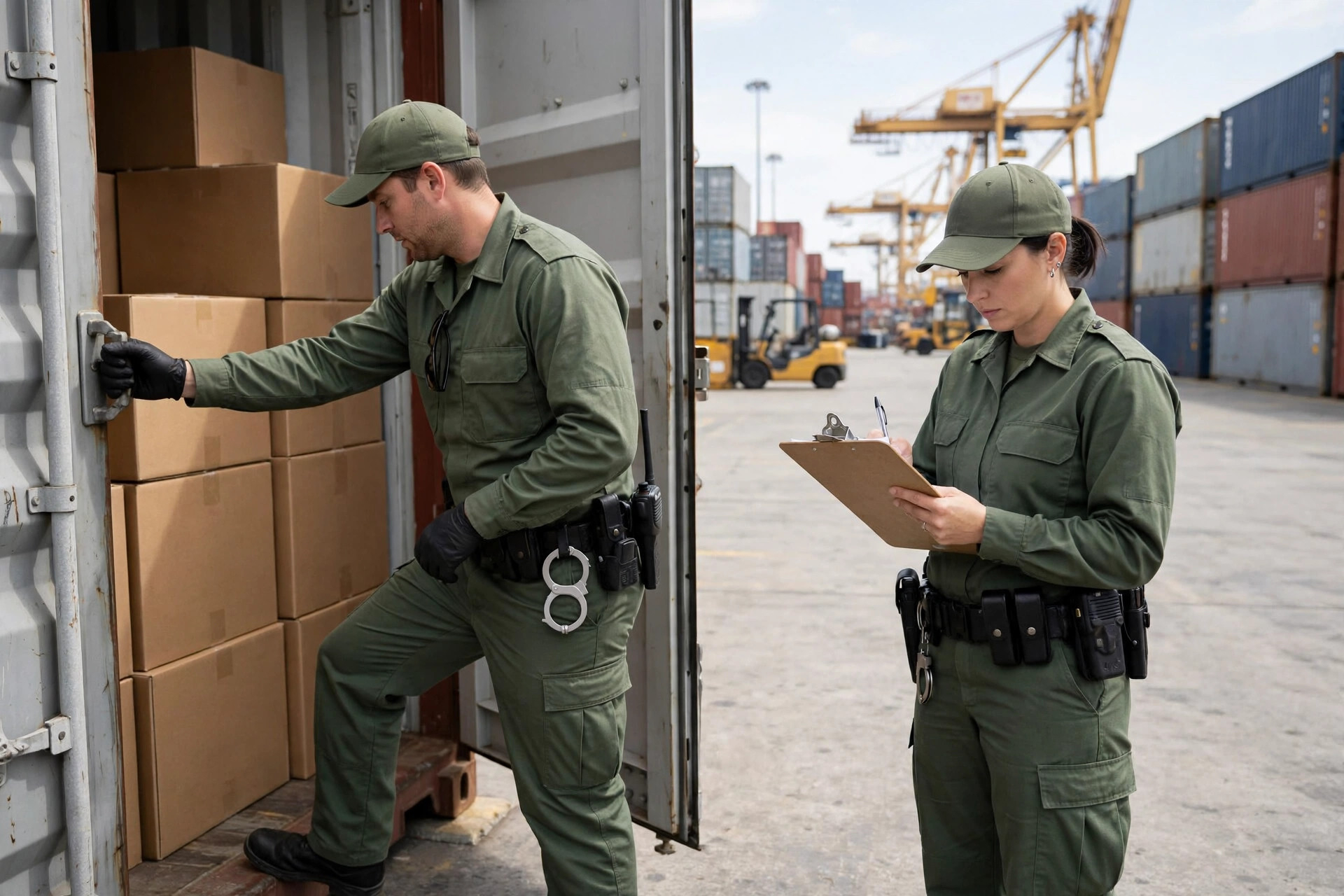
Let me be blunt first: none of the three options below is easy. But every one of them is legal. Transshipping to wash the country of origin, misdeclaring where goods were made — that's illegal, and when Customs catches it, it's criminal liability. I've watched someone try it: goods seized, under investigation, and the "savings" didn't come close to covering the damage.
Road one: participate in the proceeding and fight for a separate rate. Commerce sends questionnaires to investigated companies. Answer them, cooperate with verification, and you can earn a rate far below the country-wide number. It costs money and time — lawyers, cost data, months of work — and smaller importers often assume they can't afford it. But run the arithmetic: the gap between the separate rate and the country-wide rate, times your annual import volume, usually pays for several lawyers. For high-volume goods, this road pays best.
Road two: shift sourcing to a country outside the scope. Sounds simple; the execution is full of traps. The new supplier's capacity, quality, and lead times all need revalidation — figure on the better part of half a year. And mind the "substantial transformation" rule: shipping Chinese-made semi-finished goods to a third country for light assembly and a new label doesn't change the origin. The duty still applies. A real origin shift means a real supply-chain shift. Don't play word games.
Road three: restructure the product. Some scope descriptions are drawn with fine lines — change the material, change a dimension, and the product falls outside the scope. This demands reading every word of the scope description with a lawyer who knows the terrain. Restructuring isn't cutting corners; it's finding a lawful way to survive inside the rules.
You can combine them. The importers I've seen handle this best run two tracks at once: participate in the proceeding to defend a low rate on the existing supply chain, while building an alternative origin as long-term insurance. Two plans, no panic when the bill arrives.
Draw the Legal Line First, Then Talk Survival
The AD/CVD game has public rules. What wins is information and preparation. Here's a self-audit checklist you can start this month:
- Pull the HTS classification for everything you import, and review it once a year
- Search Commerce's public postings for any ongoing or decided AD/CVD cases touching your products
- Ask your suppliers: did you participate in any proceeding, and what rate did you get
- Add "AD/CVD cooperation" to your new-supplier audit form
- Model it: if your core product gets hit, how many months of cash flow do you have
Final duty rates are whatever Commerce publishes — I won't guess them for you. But here's a judgment I'll stand behind: AD/CVD investigations will get more frequent, not less. If you import into the United States, this is no longer an elective. It's a core course. The importers who check early and prepare early feel the duty bill as pain; the ones who don't may feel it as fatal.