Here is my conclusion up front: 5S in a warehouse is not a big cleanup. It is a system that lets a new hire stop asking for directions in three days. If it cannot do two things — get a new person working on their own in three days, and make problems visible at a glance — then it does not matter how shiny the floor is. I have seen too many warehouses run four big cleanups a year, take beautiful photos each time, and still lose the same scanner in the same corner every week.
What 5S Actually Controls in a Warehouse
Sort, Set in Order, Shine, Standardize, Sustain. Five words that sound like a poster on a factory wall. Here is the plain version: the first three are actions, the last two are what keeps them alive. Sort clears out what does not belong. Set in Order gives everything a fixed home. Shine cleans that home up. Standardize turns the first three into a rule. Sustain keeps the rule running when nobody is watching. In a warehouse, the whole system controls one thing: anything that belongs somewhere is obvious at a glance, and anything that does not belong somewhere is obvious at a glance.
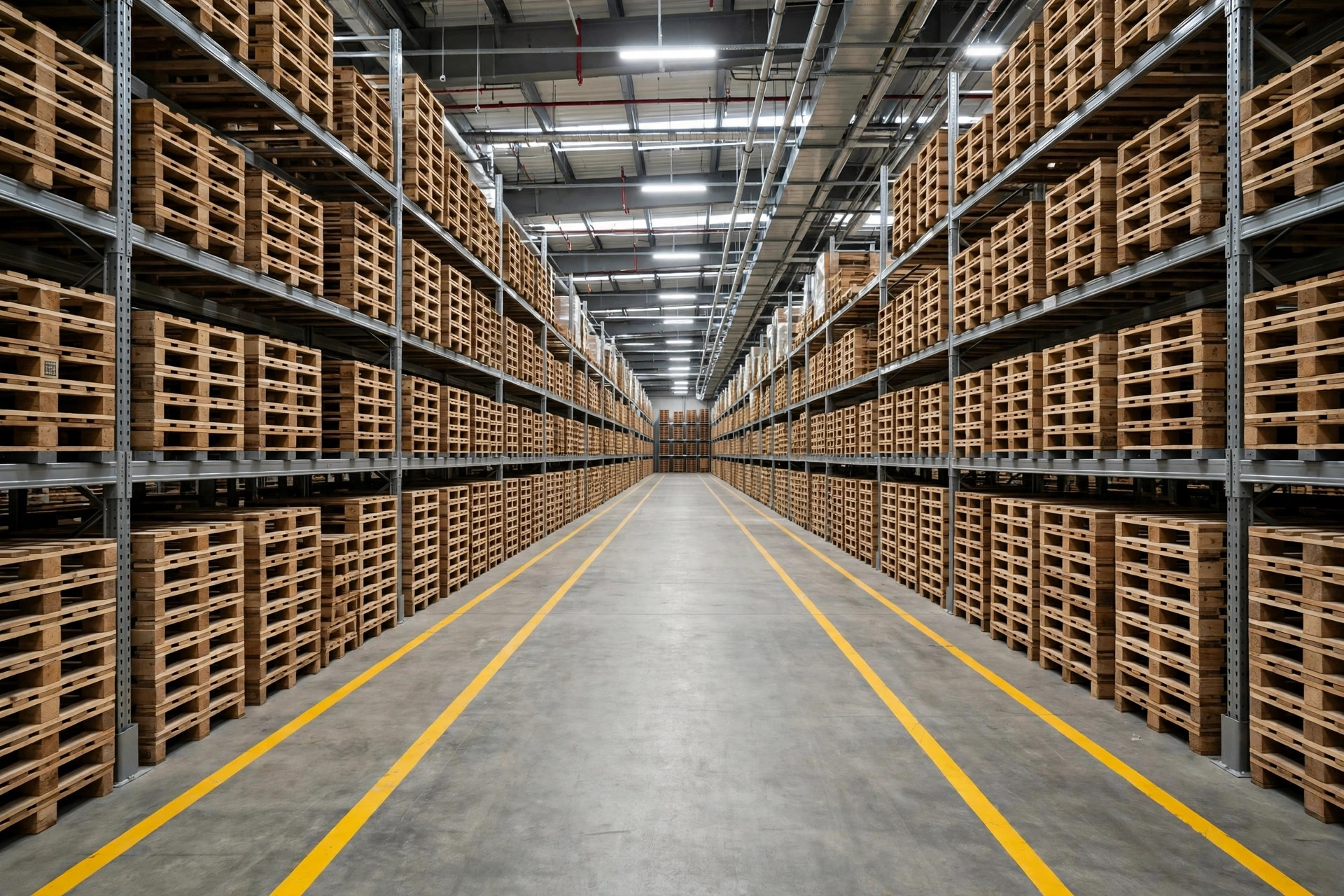
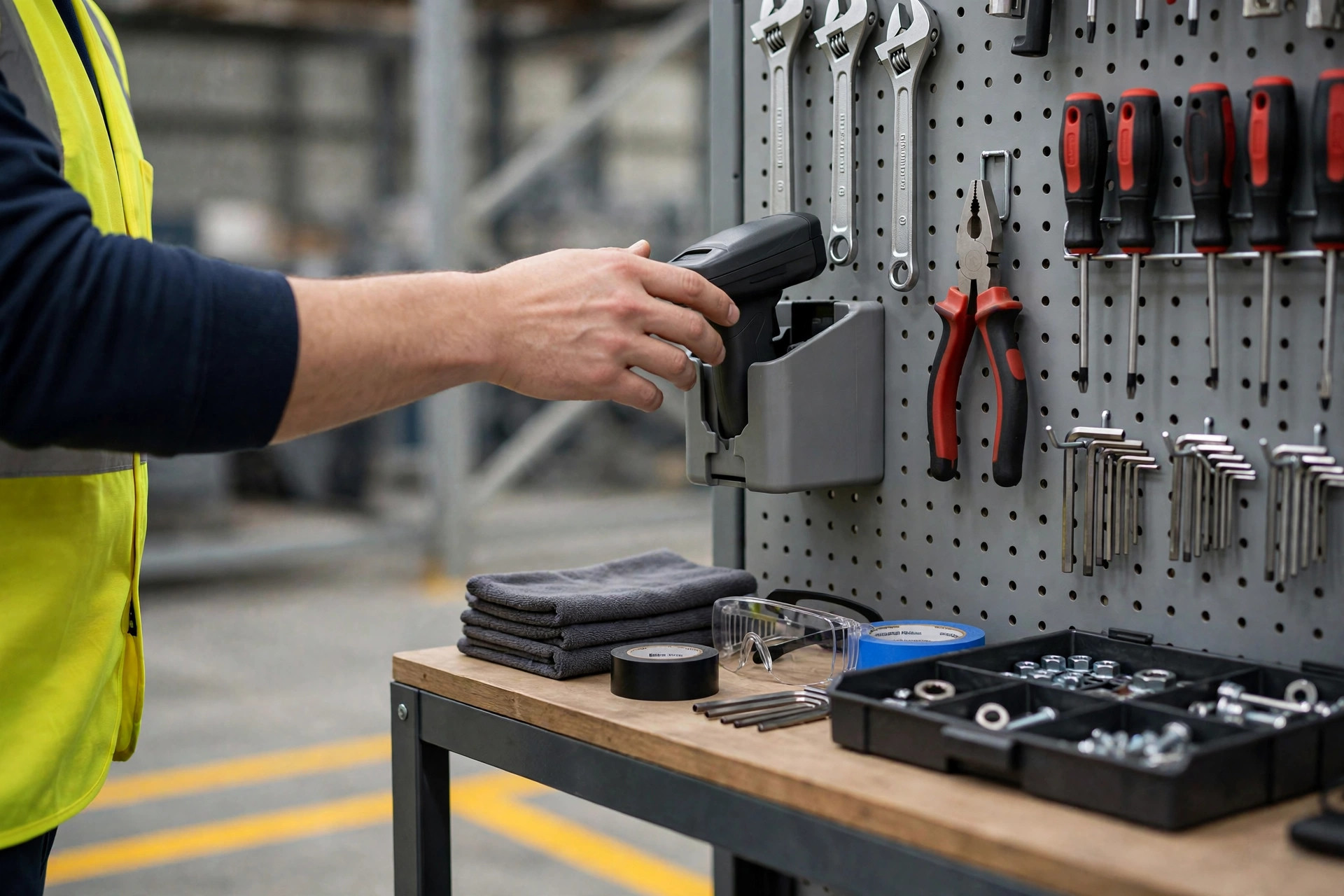
In 2019, I worked with a third-party logistics warehouse in Ontario, California, doing fulfillment for e-commerce sellers. A little over 20,000 square feet, about thirty people. The owner told me he could not keep new hires. Peak season came, and the place fell apart. I spent two days on the floor, and the problem was not the people. It was the environment. A new picker named Chen asked 17 questions on his first day: where are the scanners, where are the empty pallets, where is the returns area, where is the label paper, where do damaged goods go? Every time he asked, a veteran had to stop working to answer. The veterans got interrupted and annoyed. The new guy felt lost and nervous. Three people quit that month, all for roughly the same reason: too chaotic, impossible to learn, exhausting to work in. We changed exactly three things: painted floor lines marking aisles and staging areas, hung a number on every bin location, and gave scanners, tape, and box cutters fixed homes. Two weeks later, a new hire asked two or three questions a day. The people did not get smarter. The environment got simpler. When the environment is simple, people do not have to rely on memory to do their jobs.
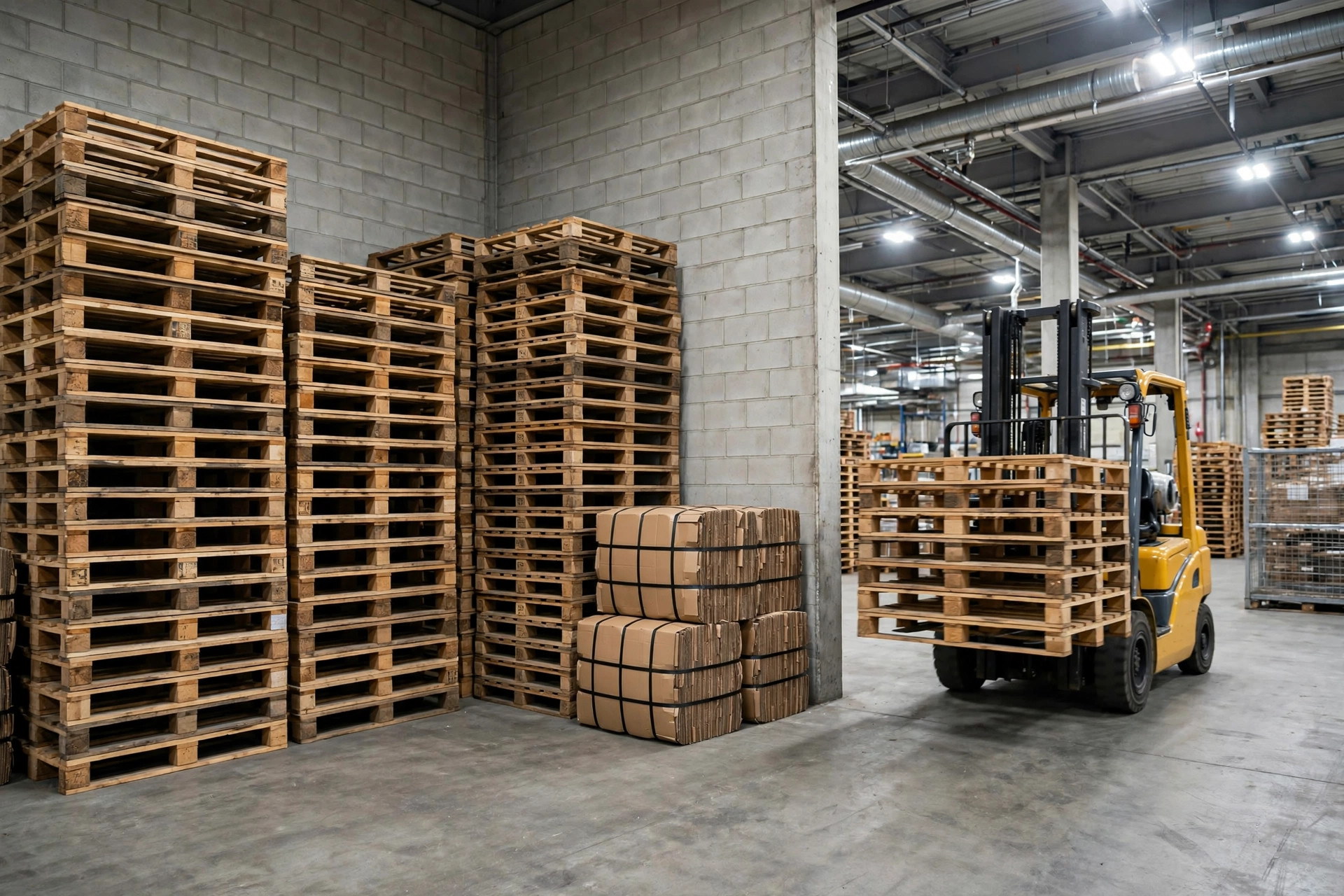
In 2022, I saw the opposite failure in a warehouse over 150,000 square feet. A big client was coming for an audit, so the whole building did a one-week cleanup blitz. Overtime, all hands, aisles clean enough to run in. Audit day looked perfect. The client was happy. A week after the client left, pallets were back in the aisles and tools were missing again. There are two sides to this. A blitz can pass an audit — that part is true. But a blitz has a cost: the crew learns that the whole exercise is a show put on for outsiders. The next time you push it, the first question you get is: which customer is visiting this time? One staged performance destroys the credibility of every real effort that follows. Big warehouses fear this most of all. Once headcount grows, campaigns turn rules into props for inspections.
Small and large warehouses need different approaches, and this is where most managers go wrong. A small warehouse should not try to do everything. The owner leads it personally and fixes three spots first: scanners go back to their home, consumables live in one place, the returns area gets a painted line. Once those three hold, the warehouse has a skeleton of order, and the rest can follow. A big warehouse is the reverse. The owner cannot watch everything. It needs zone ownership: one person responsible for each zone, rotating spot checks every week, problems fixed the same day. A big building runs on mechanism, not willpower.
Where the Money Really Goes
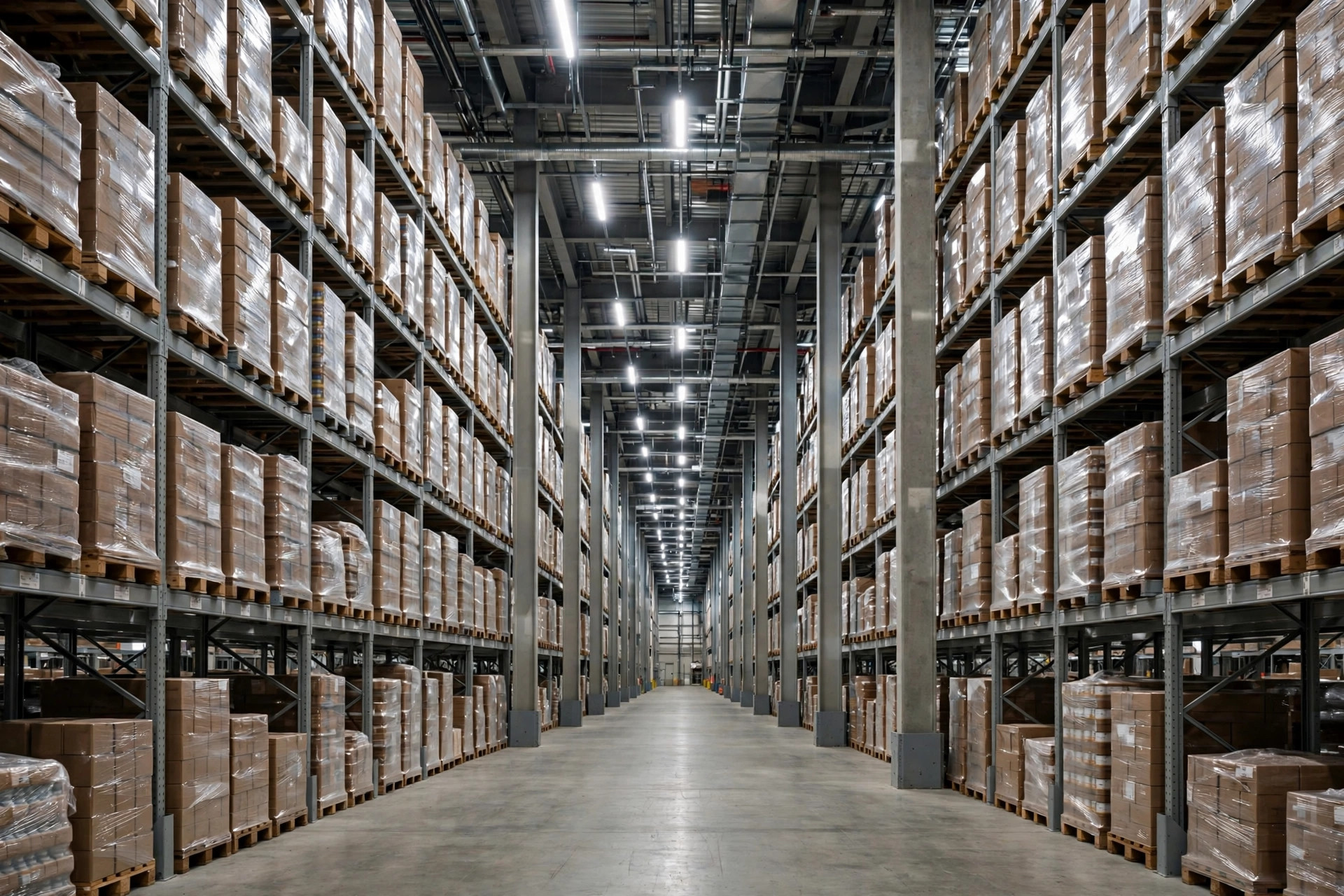
Let me run the numbers. A warehouse with 30 people, where each person spends 15 minutes a day looking for things — scanners, pallets, label paper, a product that should be in its bin. Thirty times 15 is 450 minutes. That is 7.5 hours a day. You are paying one full person every day just to look for stuff, which over a year is a full-time employee's hours gone. And that does not count the mis-shipments and missed shipments caused by not finding things. One wrong shipment means freight, customer service, and a return — all real money.
| Where the money goes | Cost | What you get back |
|---|---|---|
| Floor lines separating aisles and staging | One-time, small | Aisles stop being storage |
| Bin numbers and zone signs | One-time, small | New hires stop needing a guide |
| Fixed tool homes with outlined spots | One-time, small | A missing scanner is obvious instantly |
| Five-minute end-of-shift reset | Five minutes a day | Standards stop sliding |
Put plainly, the method costs little and saves the time that leaks away every day. Flip it around and the same math holds: if you do not spend that little money, you pay a 7.5-hour-a-day "looking-for-stuff tax" until the day the warehouse closes.
Keeping Warehouse 5S Alive After the First Month
First, a five-minute reset before the end of every shift. Not a monthly deep clean — a daily small reset. Tools go back to their homes, aisles get cleared, anything in staging either goes into stock or gets a note explaining why it is there. Five minutes, set a timer, stop when it rings. Five minutes a day beats five hours a month, because mess grows daily, not monthly. And the supervisor has to be the first one doing it — if the boss stands and watches, the crew treats it as extra work.
Second, take a "standard photo" of each zone and post it at the zone entrance. The photo is the standard: how product should be stacked, where tools hang, how wide the aisle should be. No ten-page manual needed — one photo is enough. New hires arrange things by the photo. Veterans check by the photo. Supervisors audit by the photo. Retake the photo every quarter, because when the layout changes, the photo changes with it.
Third, spot-check one zone a week. Never run a whole-warehouse inspection. A whole-warehouse inspection is no inspection — walk the entire building and everyone knows you cannot really check it all. This week receiving, next week picking. Find a problem, fix it on the spot, take a photo. Keep the timing unpredictable, because a scheduled check becomes another performance. Post the results, good or bad, without sugarcoating.
Here is the counterintuitive part: the cleanest warehouse is not always the fastest. During peak picking, a workbench with some clutter is normal. If you demand spotless, people spend half their time tidying instead of working. The goal was never cleanliness. The goal is visibility: a pallet sitting where the aisle should be empty is visible at a glance; a tool missing from its outline is visible at a glance; a bin that has sat empty for three days with nobody restocking it is visible at a glance. Cleanliness is a side effect. Visibility is the point. Get that order backwards, and the system starts fighting productivity — and of course the crew resists it. The trade-off is real: what you want is "messy but ordered," not "spotless."
Try this three-day test on your own new hire. Can they find the scanner, the empty pallets, and the returns area without asking? Does a veteran get interrupted fewer than three times a day? Does the five-minute reset actually happen? Does the weekly zone check get done, with problems fixed the same day? If all four hold, the system is standing. If not, do not rush to buy new equipment. Fix the floor and the fixed homes first. Equipment solves a speed problem. Order solves a no-mistakes problem. Do not mix up the order.
Next time you walk your own warehouse, do not look at how shiny the floor is. Watch whether a new hire dares to walk it alone. If they do, the system works. If they do not, ten more rounds of mopping will not fix it.
By Lao Mi, Supply Chain Veteran (20 yrs)