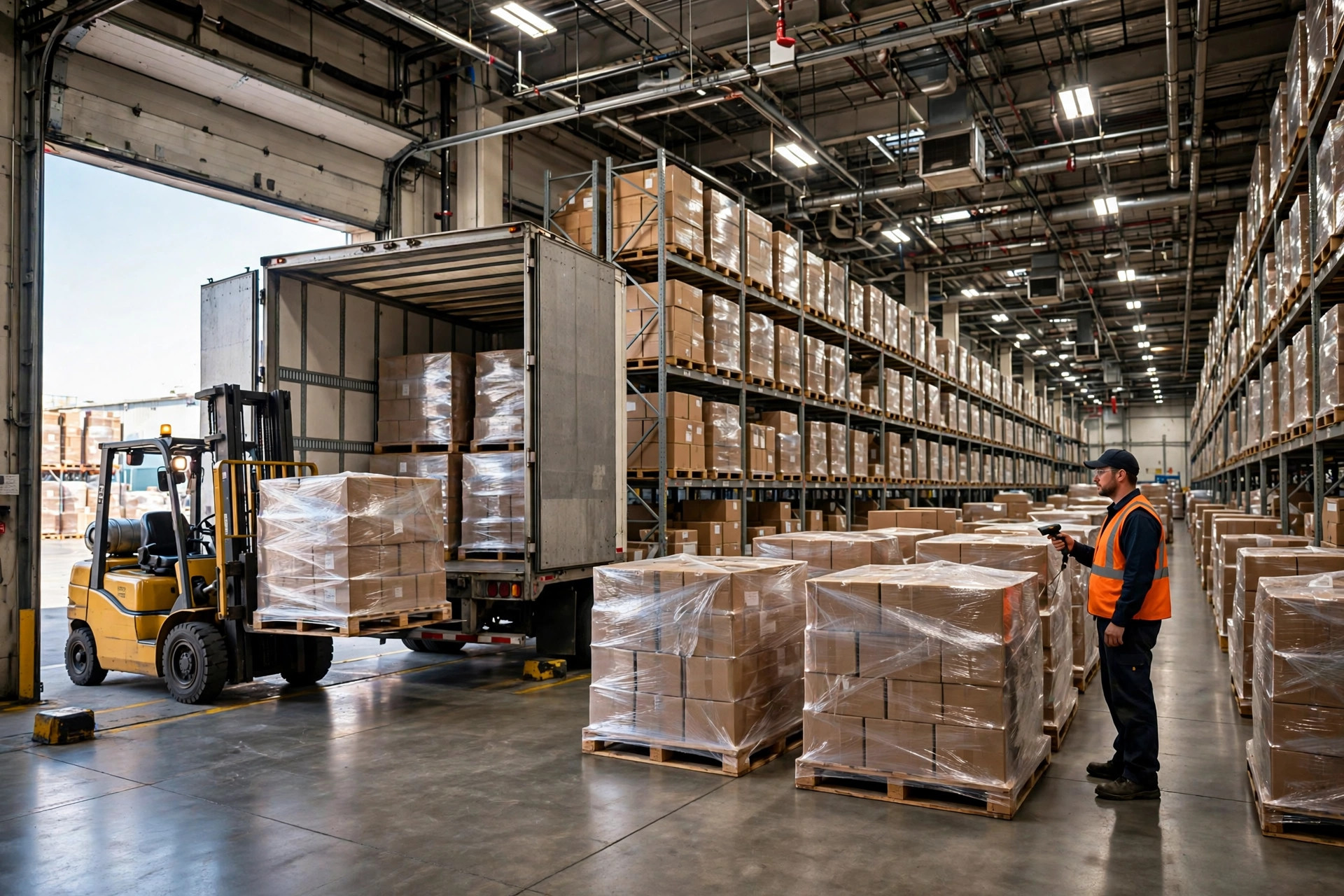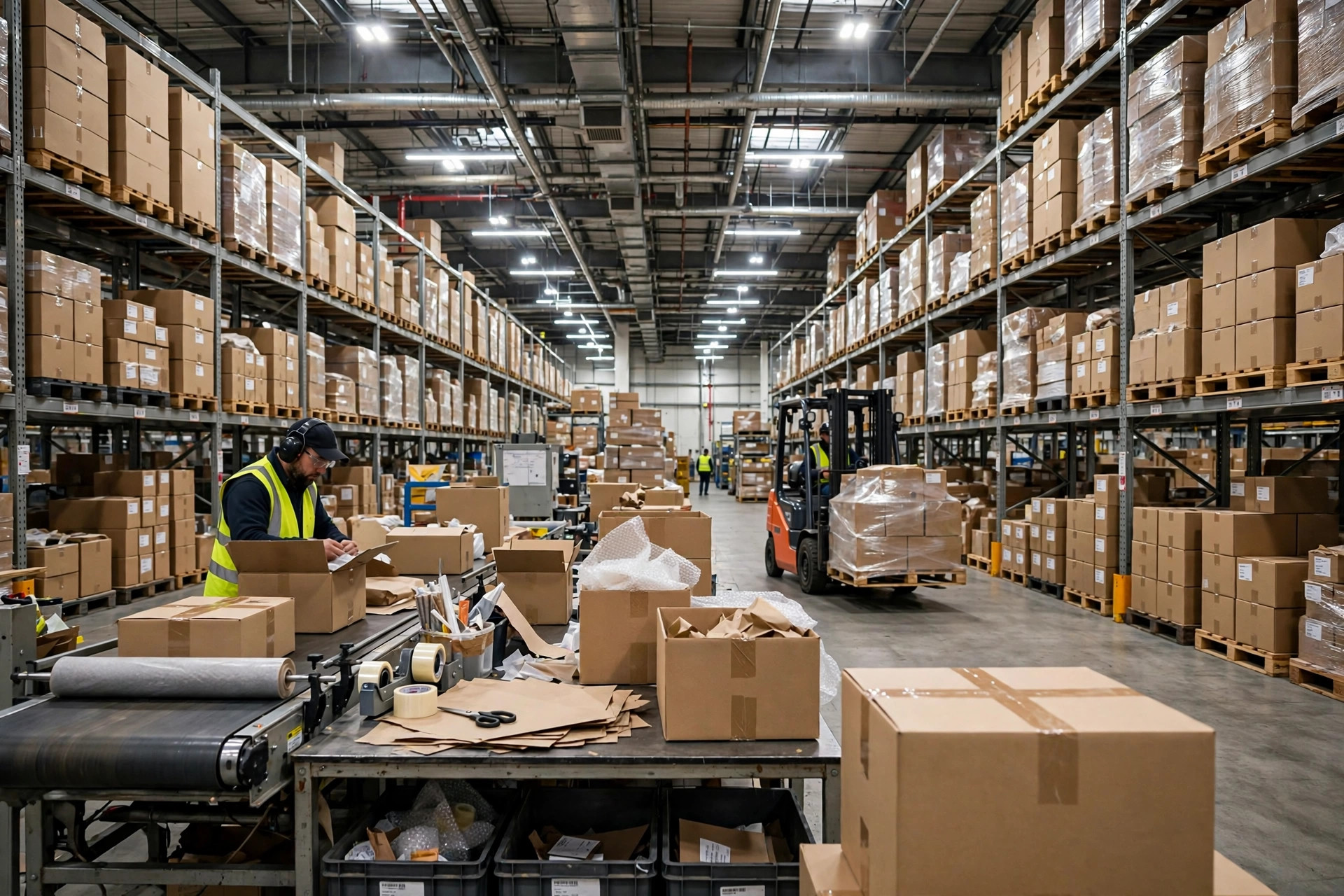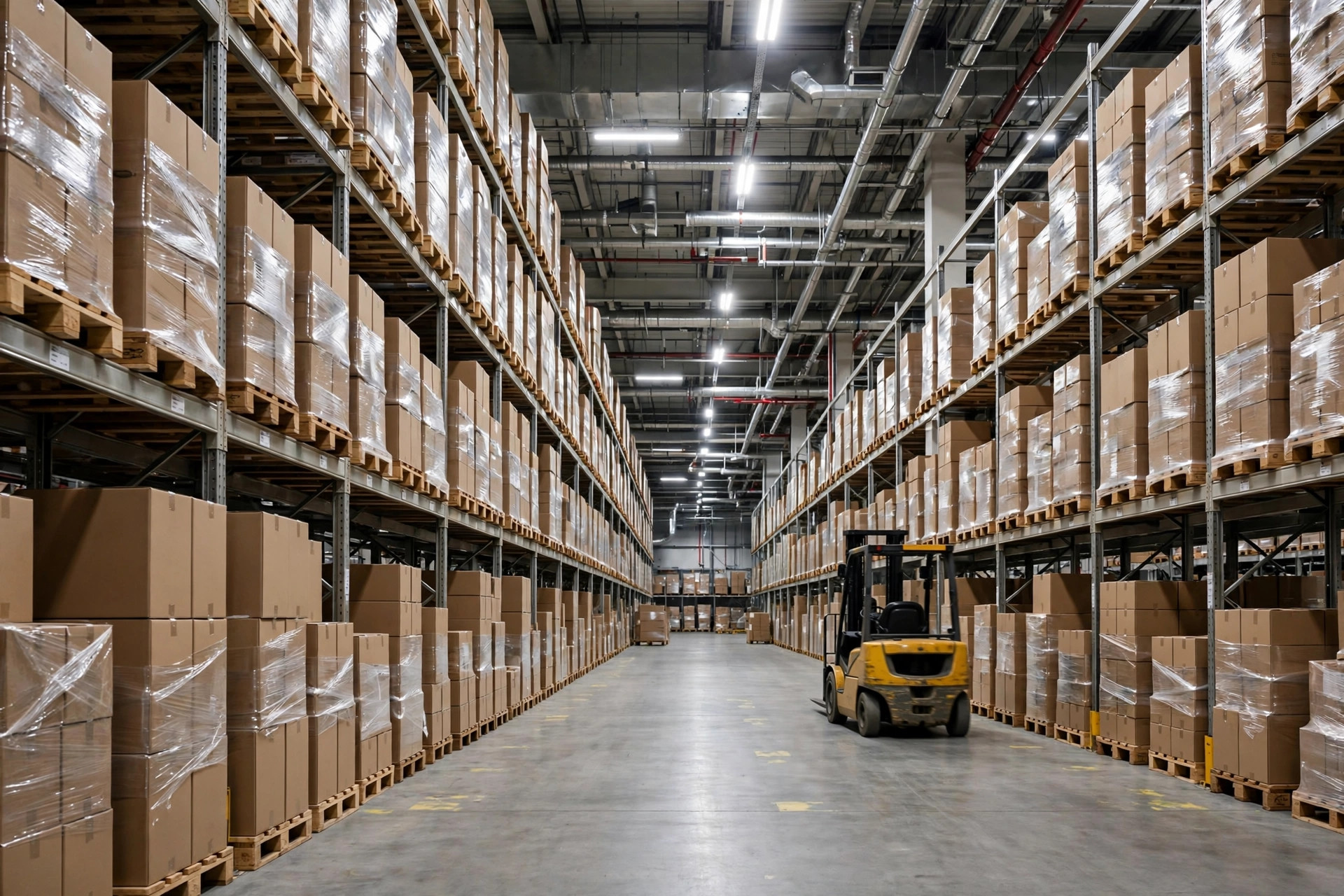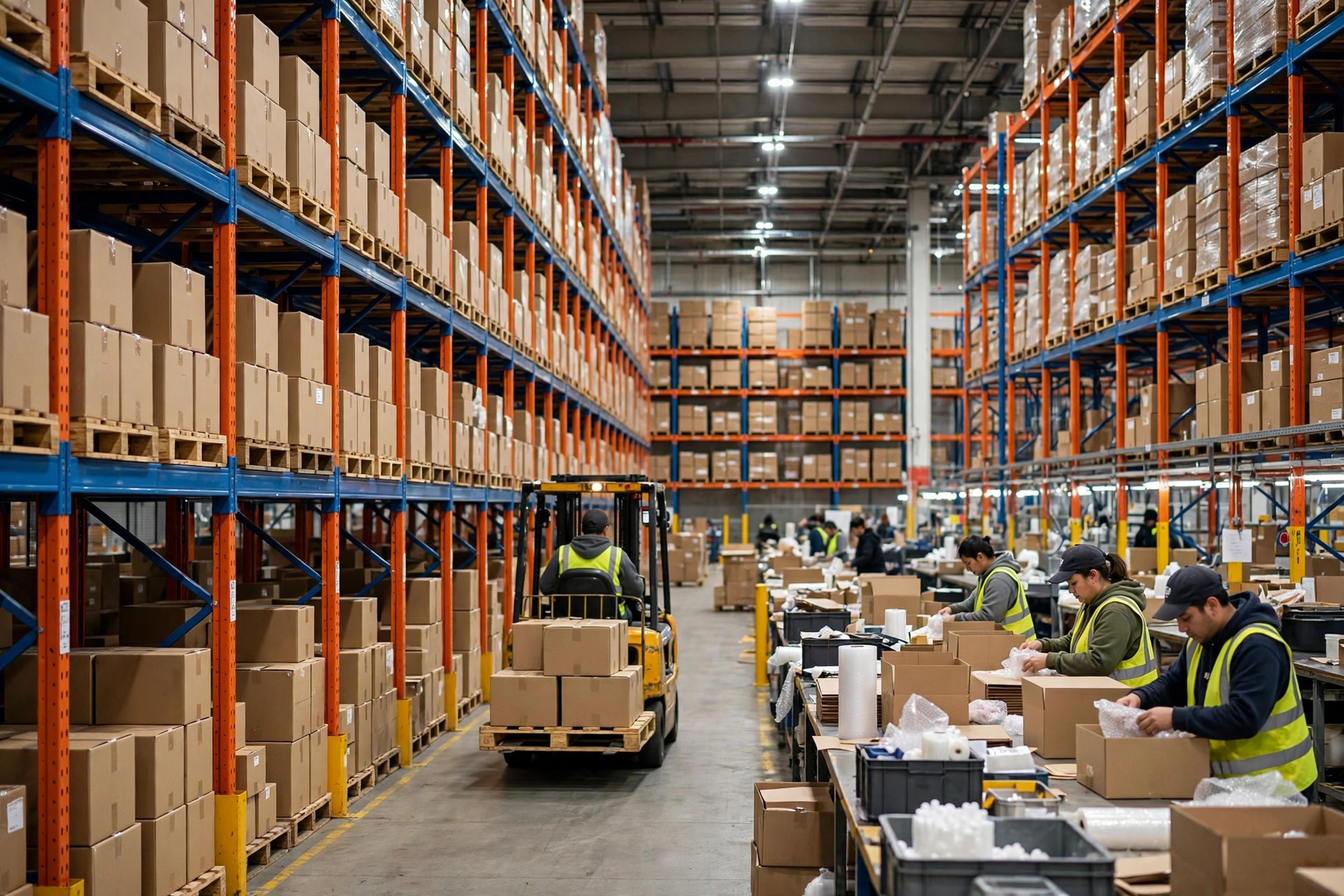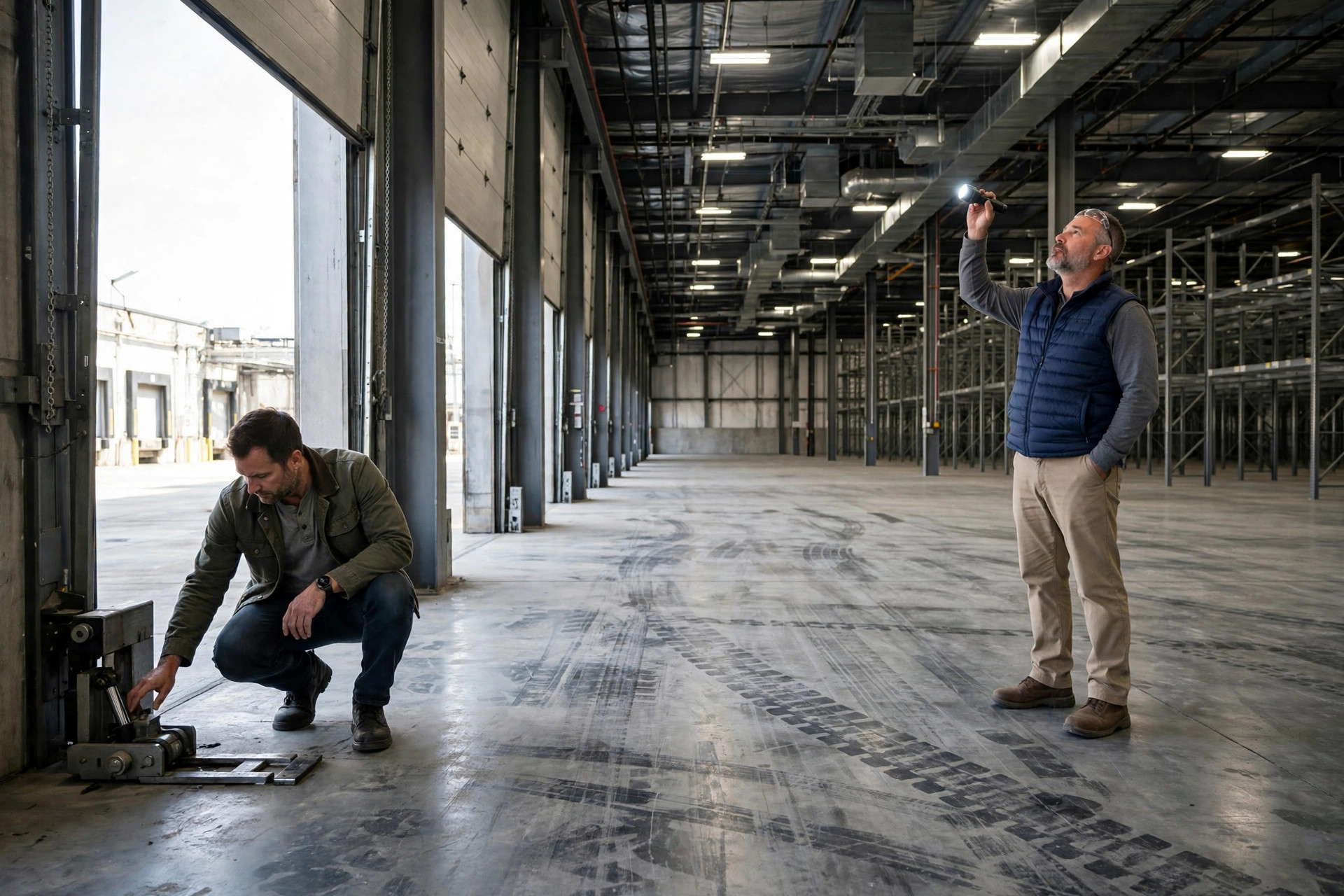
In 2019, I toured a 3PL warehouse in New Jersey with a client. The quote was beautiful: storage 15% below everyone else, all-in handling fees, looked like a steal. Twenty minutes inside and the picture changed: sprinklers only reached half the rack height, 7 of 12 dock doors actually worked, and a live WMS inventory lookup took thirty seconds. The client wanted to sign on the spot — "the price is too good." I stopped him. Three months later that 3PL got shut down for two weeks over fire-code violations. If he'd signed, his peak-season inventory would have been doing time inside.
Since then, I have one rule for every client: tour the building before signing a 3PL contract, and tour it with a checklist. The quote was written by sales; the warehouse is run by operations. The gap between those two is where your next three years of pain live. These 20 checkpoints, in four groups, take half a day. Bring this list — if more than five items fail, walk away.
Start With the Building: Don't Compromise on the Stuff That Keeps You Alive
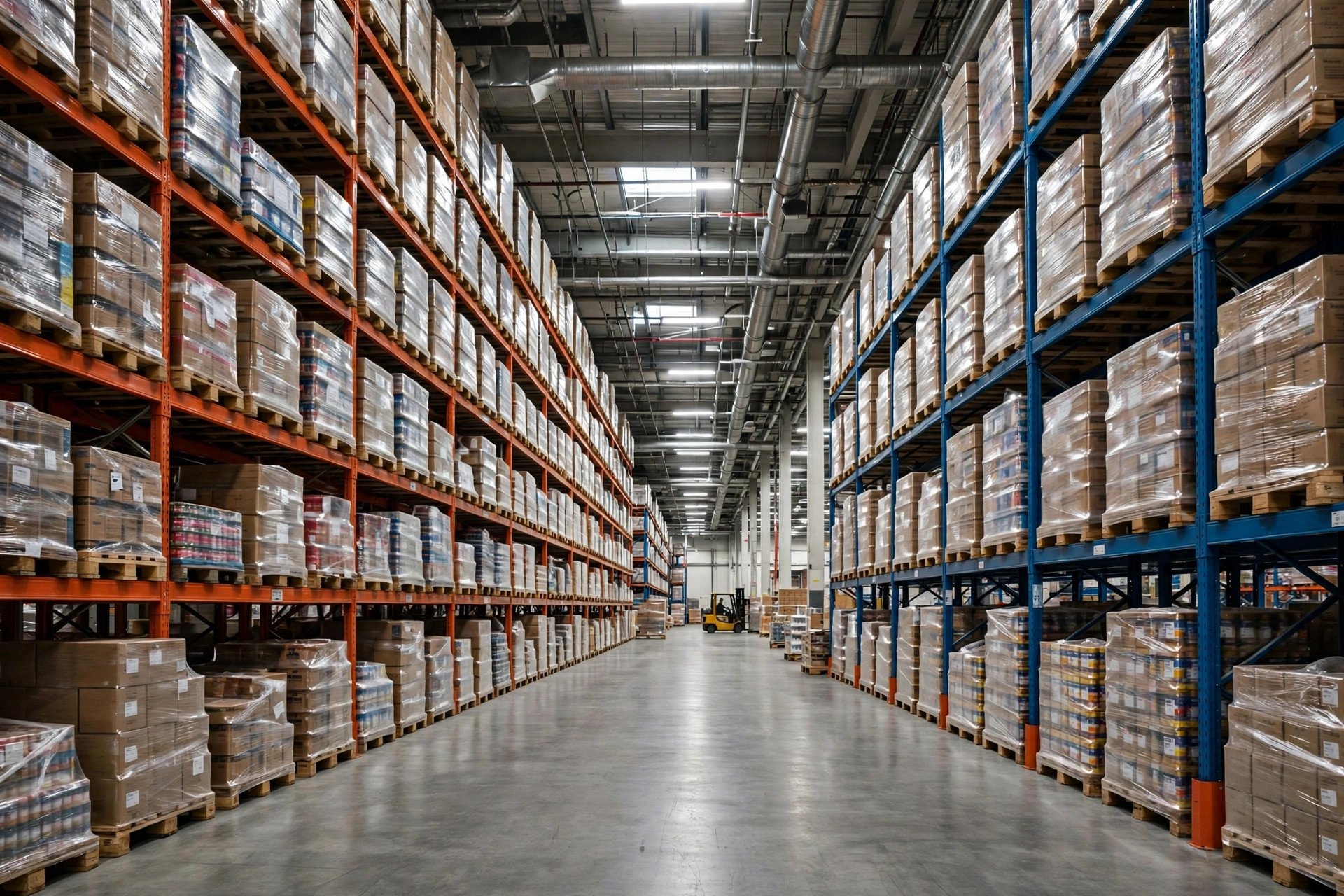
- Do sprinklers reach the top of the racks? Walk to the end of an aisle and look up. Heads must sit above the highest stored goods. Plenty of retrofitted buildings only sprinkler half the rack height, leaving the top levels exposed. This is my instant walk-away item — a fire isn't a money problem, it's a prison problem.
- Are fire zones and egress paths clear? Check whether roll-up fire doors have freight staged under them and whether exit paths are blocked by pallets. In peak season, 90% of warehouses "temporarily" store in the aisles — temporarily, for three months.
- Does the roof leak? Tour on a rainy day if you can. Look for water stains on top-level inventory and patched floor spots. The 3PL will always say "it's fixed." Believe half of it.
- Does clear height match your racking? A 32-foot clear building might be quoted at six rack levels when the fire permit only allows four — those extra two levels are fiction. Ask to see the fire permit. Verbal promises don't count.
- Does dock height match your equipment? Standard dock is 48 inches. If your freight arrives floor-loaded in containers, ask about a dedicated live-unload area. Don't discover the forklift can't get in when the first truck arrives.
Then Floors and Doors: Efficiency Hides in the Details
- Is the slab flat and rated for your weight? Crouch down and look for cracks and patch strips. For heavy zones (pallets over 2,000 lbs), get the floor load rating in writing as a contract exhibit. Bad slab means leaning racks and forklift tires wearing out twice as fast.
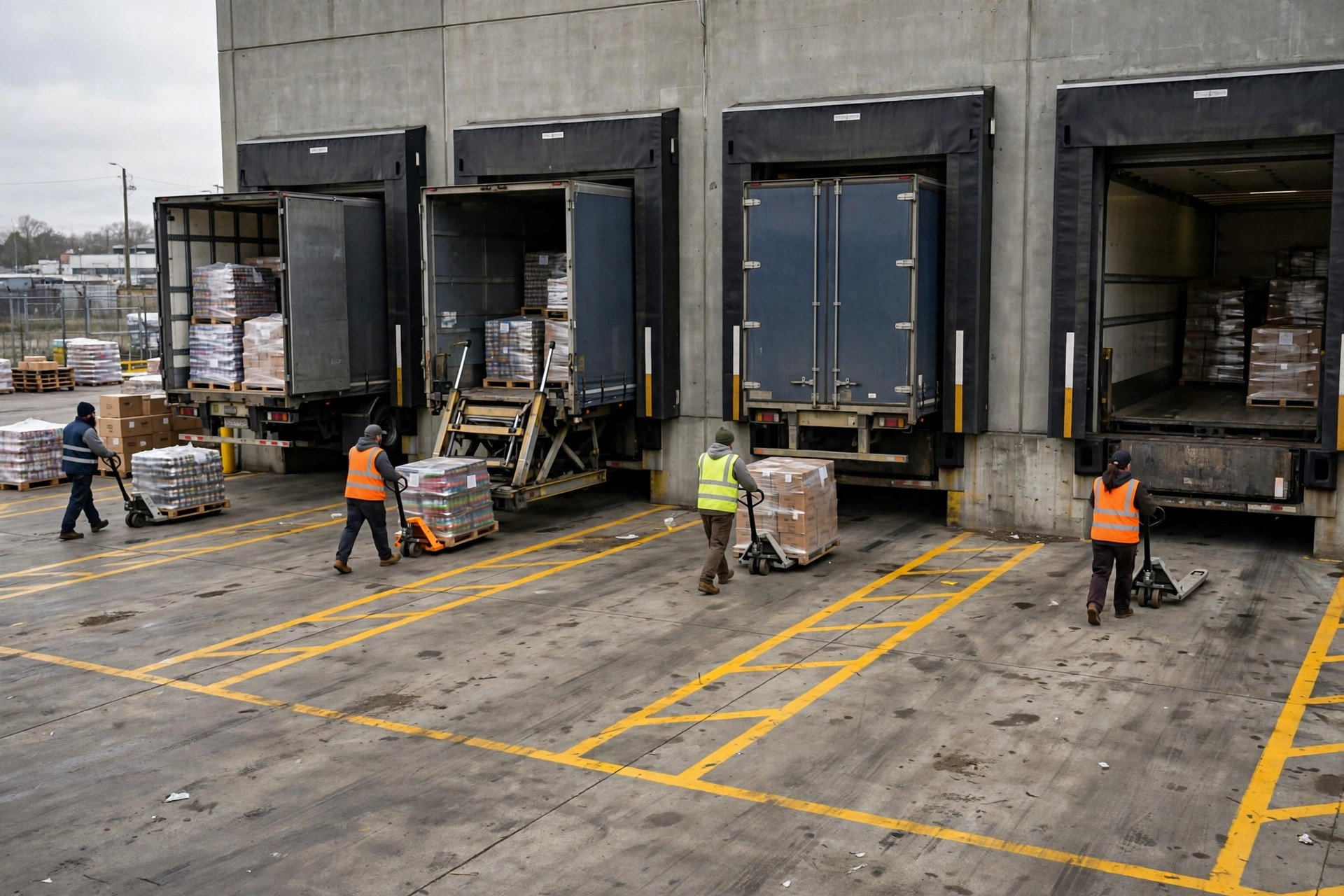
- How many dock doors, and how many actually work? Count total doors, then count the ones that open and close properly. I've toured an 18-door building with 11 working doors — in peak season, doors are the lifeline. Check for bollards too; chewed-up door frames usually mean sloppy management.
- Do the docks have levelers? A door without a leveler means manual unloading — an extra hour per container. Older buildings are full of "display doors" that open but don't really work.
- What share of the building is staging? Below 10% is a red flag — the moment volume spikes there's nowhere to work, and forklifts and people fight in the aisles. Ask the ops manager to show you current staging. If it's full now, it's always full.
- How are lighting and ventilation? Dim buildings have high mispick rates — walk to the farthest aisle and check brightness. In summer, notice the air: poor ventilation doubles summer turnover, and then nobody's minding your freight.
Systems and People: The Inside of a 3PL
- Demo the WMS end to end, live. Skip the slides. Have an operator run one order live: receive, putaway, pick, ship. Inventory lookups slower than 10 seconds mean the system is held together with hope. Key questions: does it support your EDI/API integration method, and who pays the integration fee?
- How — and how often — do they cycle count? A 3PL that only does annual physicals and hits 95% accuracy is doing well. Ask for the cycle-count frequency and variance process, and ask to see last month's variance report. If they can't produce it, you have your answer.
- What's the staffing and turnover? Ask the ops manager: headcount here, peak headcount, how many left last year. In a building with over 50% turnover, your freight is handled by strangers on an assembly line. Accuracy won't be great.
- Is there a real dedicated contact? Many 3PLs promise "dedicated support" at signing; in practice one rep covers 20 accounts. Get escalation contacts and response times into the SLA. Ask a floor operator "who do you call when something breaks" — if they hesitate, management is chaos.
- How tight is security? Is the gate manned, are visitors logged, are there camera blind spots in the storage area? Ninety percent of shrinkage is internal. Every unmonitored corner is where your freight goes to disappear.
Contract and Money: Get the Ugly Talk Done First
- Are the billing units unambiguous? Storage by pallet or by square foot? Handling per order or per unit? Is there a minimum? I've seen quotes by the pallet settled by "occupied positions" — one concept, three math versions. Ask for a sample real invoice.
- Is there a peak-season surcharge clause? Many contracts hide a 20–30% peak uplift that nobody mentions until the October invoice lands. Read every accessorial: labeling, re-boxing, special handling — and pin down the triggers.
- What's the insurance and liability cap? How much per lost unit, and is there a per-shipment ceiling? Standard 3PL liability is usually shockingly low; insure valuables yourself. Photograph the liability clause. Discovering "3x freight charges" after a loss is a special kind of pain.
- How painful is termination? Notice period, penalties, "de-racking fees" to pull your goods out. When a partnership ends, clean exit terms matter more than anything. I've seen 180-day notice requirements — that's a lock-in, not a contract.
- How are rate increases set? Is there an annual cap, and what index does it track? "About 3% a year" means nothing until it's in writing. Without it, a 10% hike next year leaves you with zero leverage.
Walk all 20 and you'll know where you stand. Three instant walk-aways, any one of which ends the tour early: non-compliant fire protection, a WMS that can't run a basic flow, an ops manager who can't answer "how many people left last year." No price is good enough to override those — in 3PL, the cheap building always bills you later.
Don't sign on the spot. Sleep on it, and the next morning re-read every failed item and ask yourself one question: if five of these blow up simultaneously in peak season, can I survive it? If not, find another building. Choosing a 3PL isn't dating — don't settle.