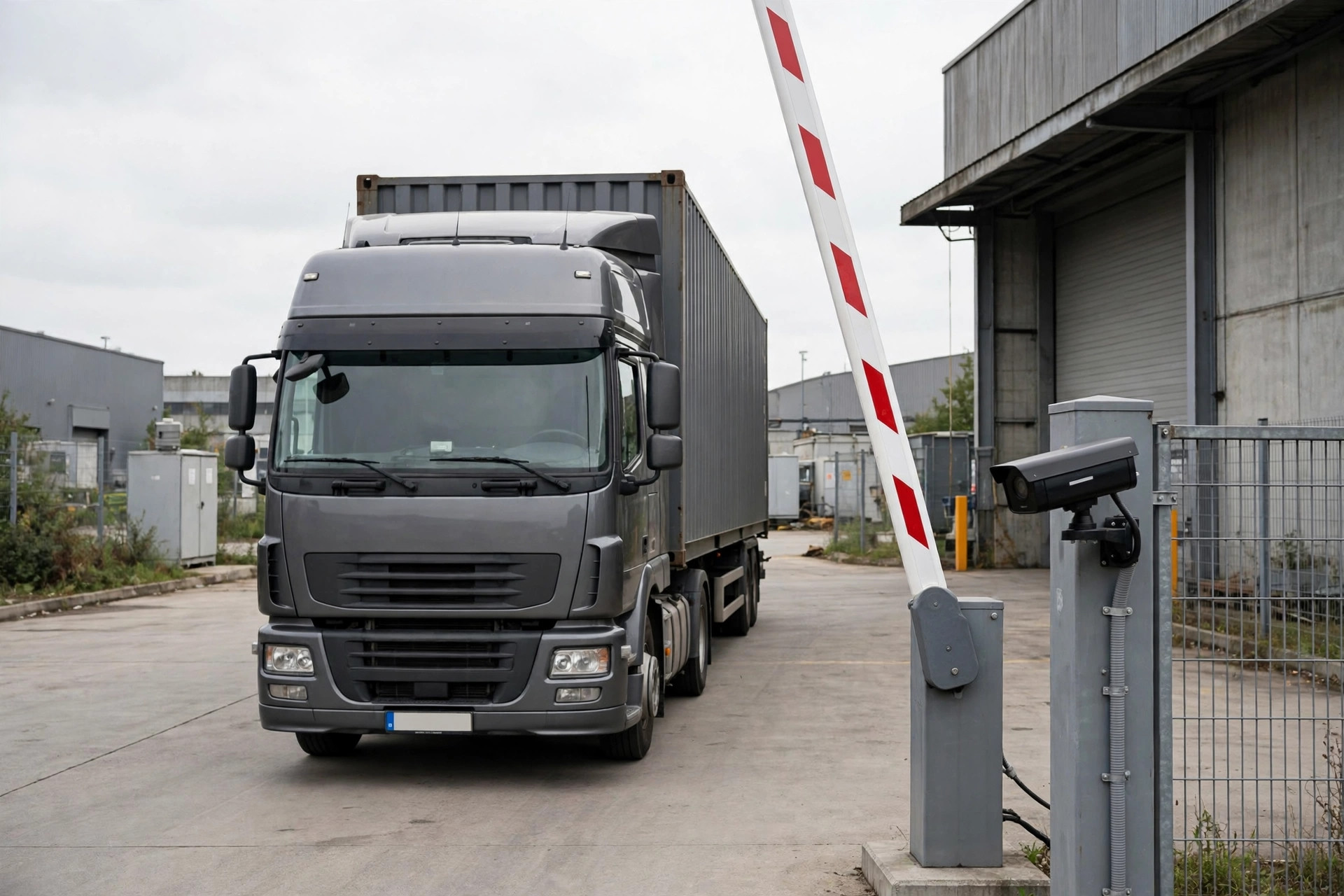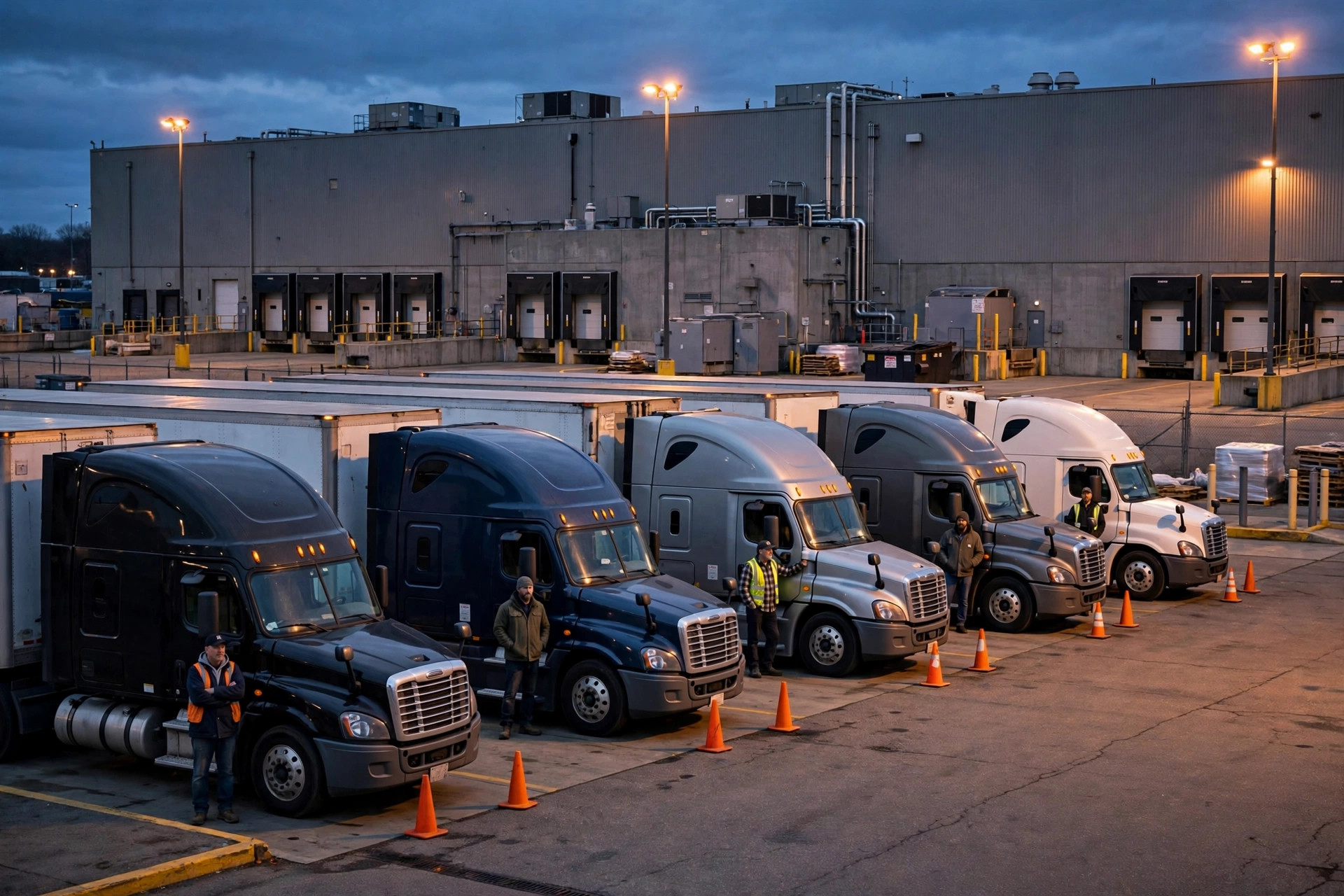
Let me tell you something. August 2024, 2 a.m., I'm parked outside a 3PL warehouse in Fontana with the A/C running, six trucks still ahead of me in line. My appointment was for 3 p.m.
The load was a 40-footer I'd pulled from the Port of Long Beach, and the shipper was in a hurry. I showed up at 2:30, thinking an early check-in would get me loaded sooner. The guy at the little window didn't even look up: "Get in line. Eleven trucks ahead of you." So I waited. And waited. I dozed off twice in the cab. They finally called me at 1:40 a.m., loading took another hour. By the time I rolled out, the sky was getting light.
Then came the lumper fee. The warehouse guy says: "You unloading yourself, or you paying $85 for our lumpers?" Me, hand-unloading 26 pallets solo? Yeah, right. I paid the $85 out of pocket. Getting reimbursed by the shipper took two months of paperwork. Fifteen years on the road, and I've seen plenty of 3PL warehouses like this one — the appointment is decoration, the lumper fee comes out of your pocket first, and detention pay? Forget about it.
(The dollar figures below are ranges common in U.S. trucking — your contract is what counts.)
What This Tells You: Drivers Aren't on the 3PL's Scorecard
A 3PL warehouse gets graded on shipper satisfaction: on-time order rates, inventory accuracy, clean invoices. How long a driver waits at the gate appears on exactly zero reports. So you get this strange picture: the monthly report to the shipper looks beautiful, while the drivers at the gate are cursing.
But the shipper pays for it eventually. A driver stuck six hours misses his next appointment. An $85 lumper fee paid out of pocket gets mentally added to the next quote for that warehouse — every dispatcher I know keeps that kind of book. In the driver group chats, everybody knows which 3PL is a nightmare to get into and which one moves fast. Here's the twist: the warehouses with the worst lines end up with the highest long-term rates. The labor the warehouse saved gets paid back by the shipper in freight costs, with interest. That's the trade-off nobody puts in the proposal: the warehouse saves pennies, the supply chain spends dollars.
Detention? The common industry term is two free hours, then $50–75 an hour. But at a 3PL warehouse, who do you bill? The shipper says "I didn't make you wait." The warehouse says "detention is between you and your carrier." Most of the time it dies right there, and the driver eats it. I'm telling you: every place that makes the driver "just eat it" sends the bill to the shipper sooner or later — just under a different name.

Good Warehouses vs. Bad Ones: A Driver Can Tell in One Look
What does a bad warehouse look like? Let me count the ways. The appointment windows are fiction — first come, first served, and early birds get punished. No place for drivers to rest; you can't even use the restroom, standing in the sun in July. The lumper fee depends on the day's mood, and good luck getting a proper receipt. The worst one: they make you sit two hours after loading for your paperwork, calling it "the system hasn't posted yet."
And a good one? March 2025, I delivered to a 3PL in Ontario that I'll never forget. Appointments sliced into 30-minute windows. A big call-number screen at the gate, like a bank. Driver lounge with water, WiFi, a microwave. My load: appointment at 10, loaded by 10:40, paperwork in hand by 11. One hour, door to door. And guess what — dispatchers fight over that warehouse's freight. Drivers want to go there, so on-time performance takes care of itself, and the shipper never misses a sailing.
The difference isn't the size of the building. It's whether they treat drivers like people. Plain truth: driver experience is the mirror of how a warehouse is really run. If they can't manage the line at their own gate, do you trust them with your inventory?
Here's something shippers usually don't know: the good warehouses put appointment performance in the operations report they send the shipper. That Ontario facility sends a monthly sheet — average driver wait 42 minutes, on-time load rate 96%. The shipper takes those numbers to their own customers and stands a little taller. See? Driver experience done right becomes the 3PL's competitive edge.
Advice for Shippers: Ask These Three Questions Before You Sign a 3PL
Shipper friends — when you're picking a 3PL, don't just stare at the storage and handling rates on the quote. Those are the visible costs. Driver experience is the hidden ledger, and it always lands on your bill. Before you negotiate, ask three questions:
First: what's the average driver wait time? Make them show data. If they can't produce it, they aren't managing it — and unmanaged defaults to three hours plus.
Second: is there a lumper fee, who pays, what's the rate? Get it in the contract. Never let the driver front the money. Make a driver pay once, and that carrier won't take your freight next time — then you're paying a premium to find someone who will.
Third: how is detention calculated, and who settles it? Spell it out so nobody argues later. Two free hours then hourly billing is the industry norm — the point is having it in writing with someone accountable.
And if you can, go sit outside their gate for half a day yourself. Count the trucks at 3 p.m. Ask the drivers how long they've been waiting. Half a day of your time can save you from a very expensive mistake — because no quote ever says "average queue: five hours."
Advice for Warehouses: Small Money, Big Fix
Warehouse folks, let me give it to you straight. Fixing driver experience doesn't cost real money:
Slice appointments into 30-minute windows with automatic overrun alerts — it's a software feature, cheaper than you think. Put a call-number screen at the gate; a used display costs next to nothing. A driver lounge with a few chairs and a water cooler runs under $500 — but one driver praising you in the group chat is worth ten ads.
Negotiate the lumper rate with the shipper up front, put it in the contract, and bill it directly — stop making drivers front the cash. Streamline the paperwork: bills in the driver's hand within 30 minutes of loading. A driver's time is money too; every hour he leaves earlier is an hour your dock frees up sooner. Everybody wins.
There's an old saying: make things easy for others, and things get easy for you. The driver isn't your employee, but the steering wheel in his hands decides when your freight reaches the shipper. Treat drivers a little better, and the whole supply chain runs a little smoother. That's a deal you can't lose.
By Shifu Zhao, Trucking Veteran (15 yrs)