We had a client who signed with a 3PL in Chino, California, in early 2024. Before signing, he laid three quotes side by side on his desk and compared them for two full weeks, then picked the one with the lowest unit rate. Six months later he showed up with a stack of invoices, genuinely offended: "Susan, I picked the cheapest 3PL pricing model. How am I paying the most?"
I told him: you compared unit rates. 3PLs make their money on structure.
I've said that line to a hundred clients — sorry, "client partners." Today I'll show you what's actually inside a 3PL quote: per pallet, per order, per square foot, and which one is quietly overcharging you.
Two clients, two 3PL pricing models, one lesson
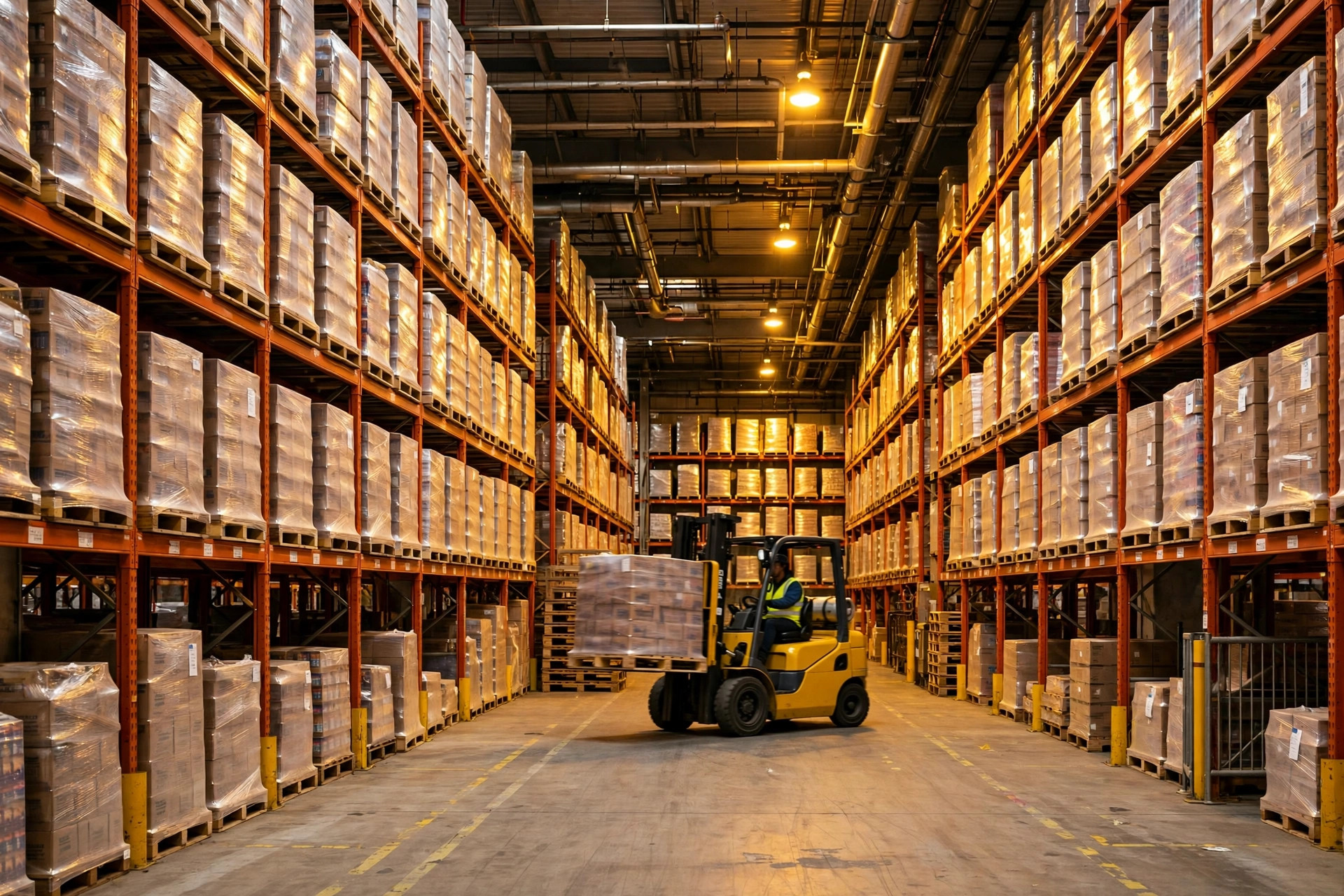
Client number one sells small home goods. In 2024 he set up in California's Inland Empire: 300-odd pallets in storage, 10,000+ orders a month. Of the three quotes, per-pallet billing looked like the winner — storage charged by the pallet, one clean rate, easy math. He signed.
Three quiet months. Then month four's invoice landed nearly 30% above his estimate. He called, and customer service explained, politely: first, 40-plus of his pallets were half pallets, and "anything under a full pallet bills as a full pallet" — page 8 of the contract; second, receiving and relabeling were line items, not included in the pallet rate; third, the quarterly adjustment clause — fuel and labor went up, so the rate moved 5%.
He was furious. Honestly? It was all in the contract. Nobody reads page 8. And those half pallets hurt the most: the better his products sold, the more his pallets got broken down, the more half pallets he accumulated — every one billed as a full pallet. Per pallet looks cheap until you learn that a half pallet costs full price. That's the one line about per-pallet billing that no 3PL salesperson volunteers.
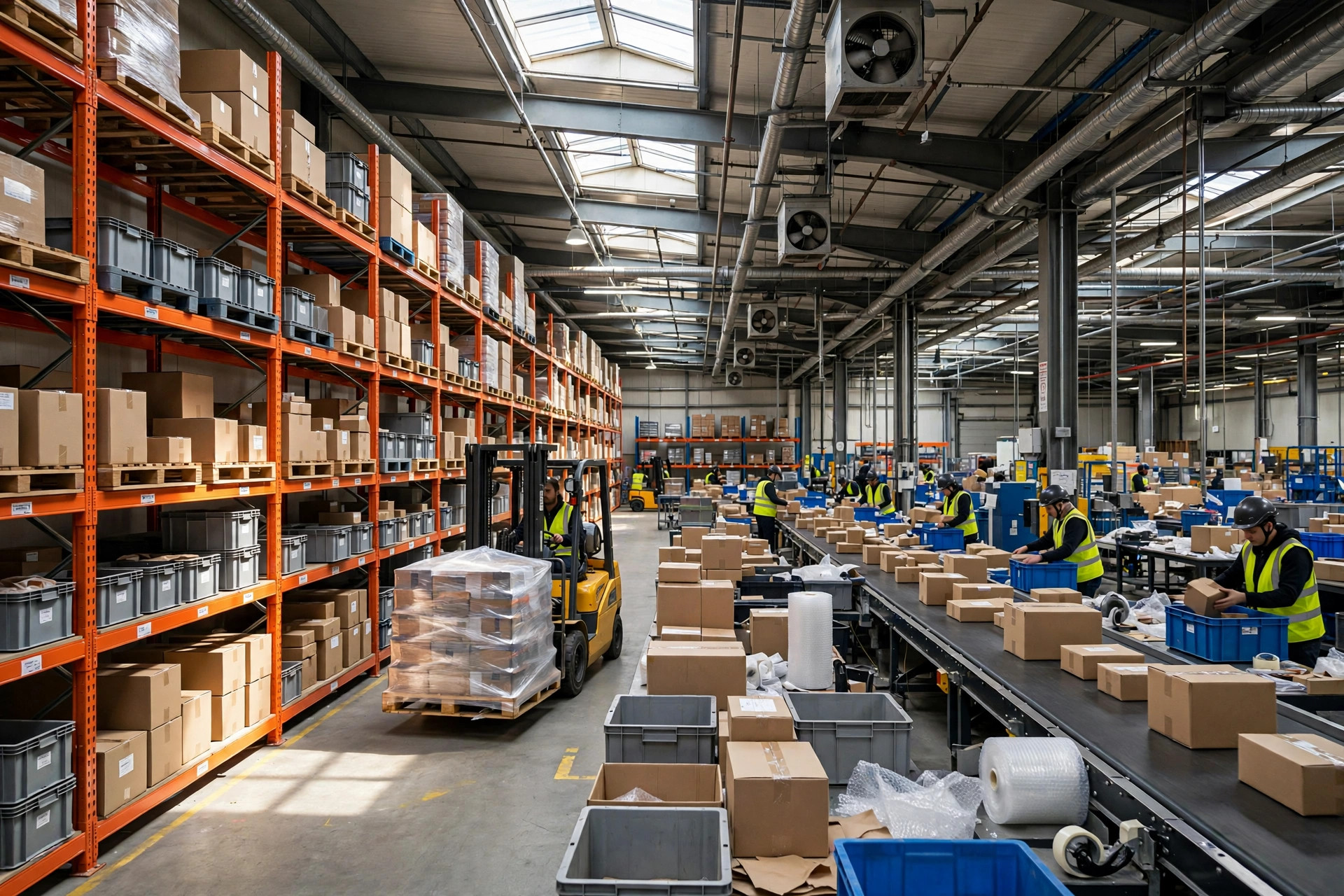
Client number two sells holiday gifts and signed per-order billing in 2025. Normal months: 8,000 orders. Peak season: 24,000. Per-order sounds fair — you pay per order shipped, the harder they work the more they earn, right? His fulfillment bill nearly tripled over peak while the storage portion barely moved.
Here's what per-order billing actually is. It's never "one price per order." Open the quote: base order fee, per-unit pick fee, packaging materials, system integration fee — one order with three units stacks four charges. When volume triples, the warehouse's labor cost does go up, but picks per labor hour go up too, and that productivity gap goes straight into the 3PL's pocket. And the off-season is the real killer: volume gets cut in half, the invoice drops, but the monthly minimum in the contract pins him down — miss the volume commitment, pay the minimum anyway.
So per pallet punishes your product profile; per order punishes your volatility. Clients always ask me which is cheapest. My answer is always the same: show me your product, show me your order curve, show me your seasonality. Comparing unit rates without those three is theater.
The third model: per square foot, and how they measure your "foot"
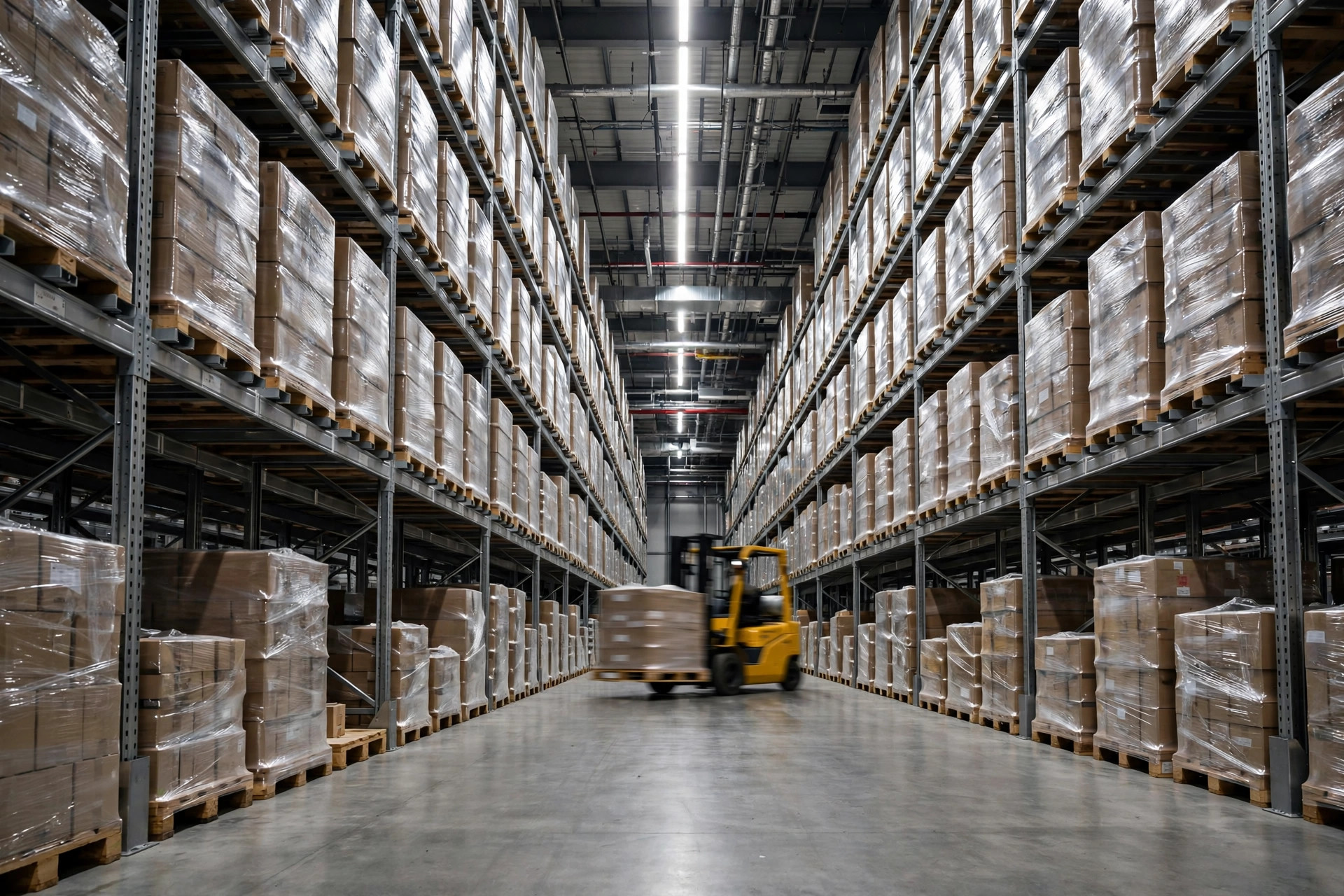
The third model gets less attention, but certain clients love it. In 2023 an importer near the Port of Los Angeles brought in four containers at once — freight that sits for months and turns maybe four times a year. He took a dedicated area billed per square foot: 9,000 square feet carved out for him, monthly billing, dead simple.
The trick with per-square-foot is in how they measure. Do fire lanes count as yours? Forklift aisles? How is common area allocated? Every 3PL measures differently — some use the footprint of your goods, some convert occupied rack positions into square footage. I've seen the same inventory measure 15% apart. And per-square-foot is usually "space plus basic management" bundled, with picks billed separately — beautiful while freight sits still, painful the moment it starts moving, because then you're paying on both ends.
Per pallet vs per order vs per square foot: 3PL pricing models side by side
| Per pallet | Per order | Per square foot | |
|---|---|---|---|
| Billing unit | Pallets x month | Orders x touches | Sq ft x month |
| Best for | Standard freight, high pallet utilization, steady volume | Volatile volume, many SKUs, small parcels | Slow-moving, long-term storage |
| Where the 3PL's margin lives | Half pallets billed full, add-on tasks itemized | Base fee plus stacked charges, the productivity gap | Measurement method, common-area allocation |
| Biggest trap | Broken-down pallets get expensive | Peak-season runaway, off-season minimums | Freight moves, you pay twice |
| Negotiation lever | Get partial-pallet rounding in writing | Cap the add-ons, negotiate the minimum | Confirm the measurement standard in writing |
Math time — the same profile through all three models. Say: 350 pallets in storage, 12,000 orders a month, roughly 9,000 square feet of operating space. Using 2026 U.S. market ranges you'll see in public quotes (ranges only, for scale — your actual quote rules): pallet storage $15-$30 per pallet per month; per-order pick and pack $2.50-$4.00 per order at B2C small-parcel scale; dedicated space $0.70-$1.50 per square foot per month.
- Per pallet: 350 x $15-$30 = $5,250-$10,500/month in storage alone, before a single pick. Fulfillment for 12,000 orders adds roughly another $20,000-$30,000.
- Per order: storage is often bundled with an included pallet count or billed separately; picking runs 12,000 x $2.50-$4.00 = $30,000-$48,000/month. Predictable when volume is steady, uncontrollable when it swings.
- Per square foot: 9,000 x $0.70-$1.50 = $6,300-$13,500/month for space, with picks billed separately on top.
Notice how much those ranges overlap. That's the counterintuitive part: the quote with the lowest unit rate usually has the longest list of surcharges. What determines your annual spend isn't the unit rate — it's whether your product profile and volatility match the billing structure. Get the structure wrong and overpaying 20-30% a year is completely normal. I've watched it happen more than once.
Where the margin hides, and the three questions that expose it
Three places 3PLs love to hide money. Start with the surcharge schedule: receiving fees, labeling, returns processing, photo documentation, special packaging — a serious 3PL's quote appendix runs two pages of surcharges. If you only read the big rate on page one, you've seen the tip of the iceberg.
Then the monthly minimum. Monthly or quarterly volume commitments, due even in the dead season. For a young company with unstable volume, this clause is the biggest invisible killer. Negotiate it down, or negotiate the first six months exempt.
And the rate-adjustment clause. When labor, fuel, and insurance rise, the 3PL raising rates is fair — but "how many days of written notice" and "how many adjustments per year" must be nailed down. I've seen contracts that allow increases with "15 days' email notice." Getting that email 15 days before peak season leaves you exactly one option: pay up.

So next time you negotiate a contract, ask these three questions:
- "How do you bill half pallets and loose inventory? Can we put the rounding rule in the contract?" — this one is for per-pallet deals.
- "What's the monthly minimum? If we miss it in slow months, can we pay actuals — or get the first few months exempt?" — this one is for per-order deals.
- "Can you itemize every surcharge? And for peak surcharges and regular adjustments — how much written notice, and how many per year?" — this one works on all three.
Watch the salesperson's face when you ask. A 3PL with nothing to hide will walk through each one line by line. One that starts squirming probably has a page two.
Here's the truth: no 3PL pricing model is born shady, and none is born honest. The difference between a fair deal and getting fleeced is whether you did the math down to the structure level before you signed.
By Susan, 3PL Sales Director