Last spring I sat across a conference table in Ontario, California, watching a prospective client red-pen our contract template. He reached the 3PL warehouse limitation of liability clause, paused, and said: "So if you lose my goods, you pay full value, right?"
I smiled the smile every 3PL sales director learns to smile. "Not exactly," I said. "Let me tell you about a client of ours."
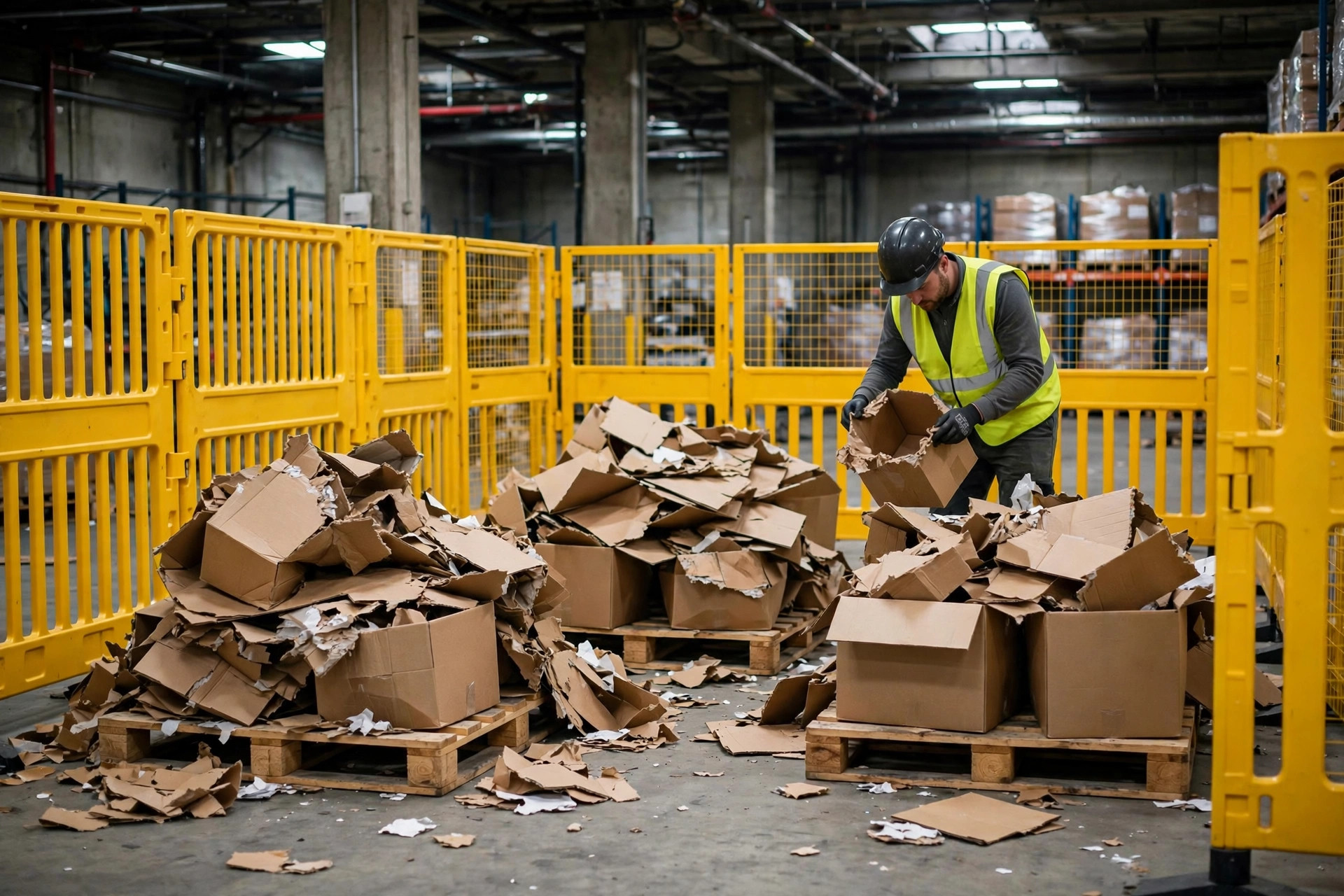
In 2024, a beauty brand storing with us in Los Angeles lost a full pallet of sheet masks. Vanished between cycle counts — cameras checked, inbound and outbound logs combed, nothing. Goods value: a little over $80,000. They filed a claim under the limitation of liability clause. The payout was $6,000.
The client was furious. "You lost $80,000 of my goods in YOUR warehouse and you pay me six grand? You wrote this contract yourself!"
We did write it. And the clause said exactly what it said. The problem was that nobody had explained what it meant at signing. After a hundred-plus warehouse contracts, I can tell you this is the most misunderstood clause in the entire agreement. Here are the three misunderstandings that cost shippers real money.
The Cap Is a Ceiling, Not a Promise
A 3PL warehouse limitation of liability clause never answers "how much will you pay me." It answers "what's the most you'll ever pay me."
That $6,000 came from a simple formula buried in the contract: liability per occurrence capped at two times the client's monthly warehousing charges. Their monthly bill was $3,000. Two times that is $6,000. The $80,000 goods value? The clause never mentioned it.
Three things vendors rarely volunteer.
First, the cap is usually per occurrence, not per pallet or per shipment. One pallet lost is one occurrence. Ten pallets lost in the same incident is very likely still one occurrence. Don't do the multiplication in your head — the contract won't.
Second, consequential damages are almost always excluded. Marketplace fines for stockouts, a lost key account, brand damage — excluded in nearly every 3PL contract I've negotiated. Only direct losses qualify, and only up to that ceiling. Where there's any doubt, the contract and the policy wording govern. I point every client at that sentence before they sign.
Third, a cap is not an automatic payout. You still have to prove the warehouse was at fault, file through the insurer, and survive the claims process with its evidence requirements. Plenty of shippers read "cap of $6,000" as "I collect $6,000 if anything goes missing." The procedure in between is what surprises them.
"Paid at Goods Value" Is a Conditional, Not the Default
This is the deepest misunderstanding of the three. Most shippers sign believing lost goods get reimbursed at goods value. The contract usually runs a different algorithm. In practice there are three:
| Method | How it pays | Condition |
|---|---|---|
| Multiple of service charges | Capped at 2–3x your service fees | Default — no declaration needed |
| Declared value | Pays the value you declared | You declare value at signing and pay for it |
| Full actual loss | Dollar for dollar | Effectively unobtainable, short of gross negligence proven through legal proceedings |
See the catch? "Paid at goods value" sits in the middle row, and it comes with a condition: declared value. You declare the value of your goods when you sign (or when freight arrives), the warehouse insures against it, and the premium shows up in your rates — typically a small percentage of declared value that varies by provider. Ask for the number during negotiation; don't discover it during a claim.
In 2025, a pet-food client of ours learned this the expensive way. To save on the declared-value surcharge, they declared $50,000 on shipments actually worth $120,000. A small warehouse fire damaged a batch. The insurer paid $50,000. The client said, "But my real loss was $120,000." The insurer said, "We only collected premium on $50,000." Both were right. The mistake was the decision to save a little upfront — a decision that cost them $70,000 in unrecoverable loss.
Declared value is a straightforward trade: how much are you willing to pay for the right to be reimbursed at goods value? Skip the declaration and you default to row one — a multiple of service fees with a shockingly low ceiling. Declare honestly and the premium is real money, but so is the payout when things go wrong. No right answer, just math worth doing before you sign.
A Signed Contract Is Not an Insurance Policy
The subtlest misunderstanding: many shippers assume the liability clause means the warehouse has bought them insurance. Not quite. A 3PL's warehouse legal liability policy covers the warehouse's own negligence — operator errors, sprinkler failures, inadequate security. Most policies won't touch:
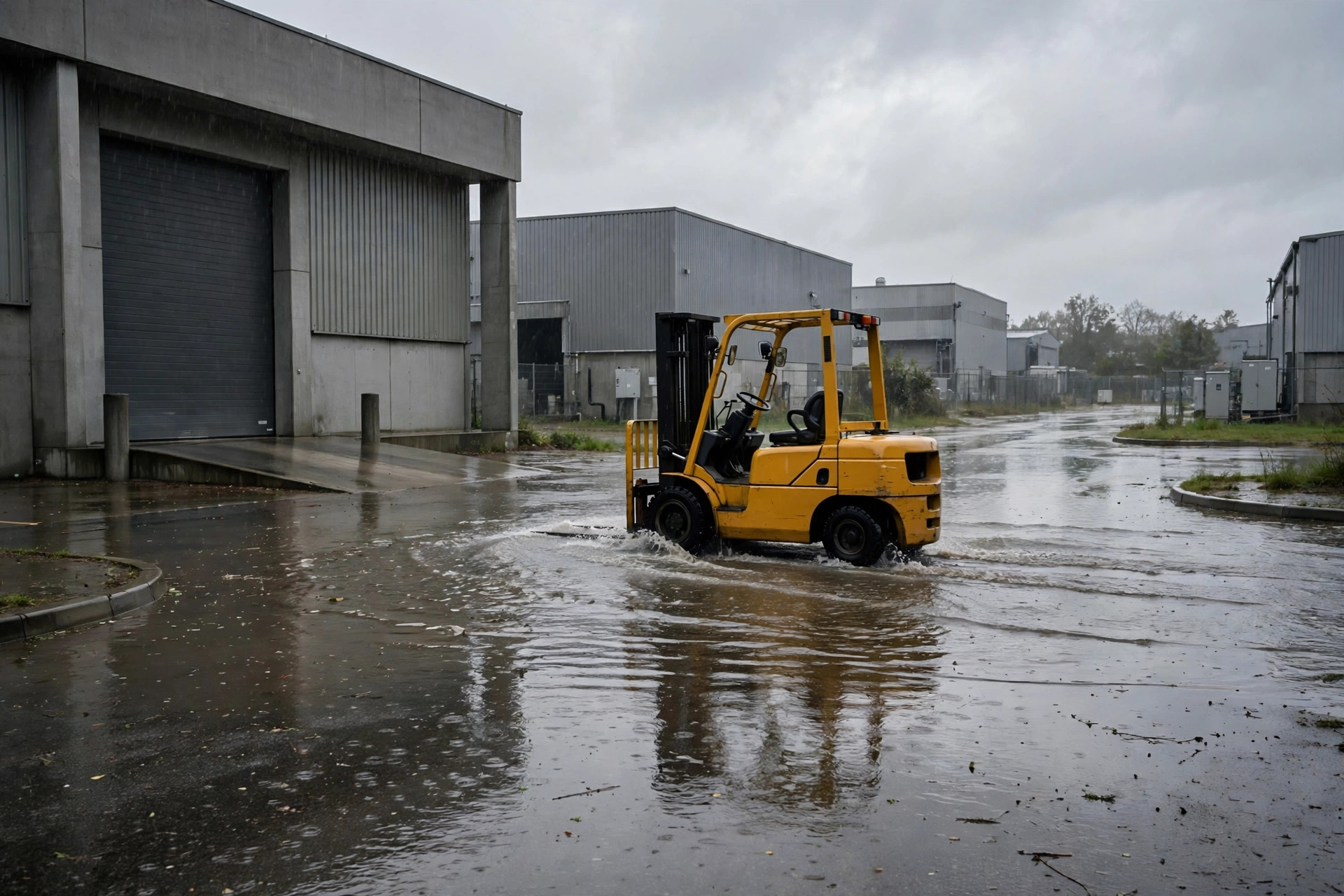
- Force majeure: hurricanes, floods, earthquakes — beyond anyone's control;
- Third-party theft: a break-in isn't negligence if basic security was in place;
- Inherent vice: expiration, defective packaging, natural deterioration of the goods themselves.
And there are two numbers your sales rep won't bring up unprompted: the per-occurrence deductible and the annual aggregate limit. Below the deductible, you may collect nothing at all; once earlier claims exhaust the annual aggregate, later incidents go unpaid. Both figures sit in the policy. Ask to see the certificate of insurance before you sign — it takes ten minutes and it changes the conversation.
One more piece of candor from the vendor side of the table: the warehouse's insurance protects the warehouse, not your goods. If your goods are valuable, buy your own cargo insurance. The annual premium is modest relative to goods value, and when something happens you deal with your own insurer instead of arguing with your 3PL. I give this advice to every high-value shipper, large or small — including the ones who'd rather not hear it.
Read That Clause Twice
So here's my parting advice — not the three questions themselves (by now you know which three to ask), but the mindset behind them: the cheapest line in your 3PL contract is the one that caps what they owe you. In my experience, the shippers who negotiate that line the hardest tend to stay with us the longest. Nobody minds tough terms. What kills partnerships is signing in the dark and blaming each other when the lights go out.
By Susan, 3PL Sales Director