We had a client — small home appliances — who lost three pallets in a 3PL warehouse outside Los Angeles last summer: a textbook 3PL warehouse cargo insurance liability case. Tens of thousands of dollars in goods, gone. The owner's first words: "It disappeared inside your warehouse. You pay for all of it. Obviously." The 3PL's reply was equally confident: "Section 12 of the contract caps our liability. That's all there is." They argued for three months. In the end, the client recovered a fraction of the cargo's value — not even close. The real fight was never about the missing pallets. It was about insurance — who pays for it, what it covers, and what it quietly leaves out. I hear this story at least three times a year, and the script barely changes. The problem is never really "who's right." It's that when the contract was signed, the two sides understood 3PL warehouse cargo insurance liability in completely different ways. The shipper thought paying for storage meant buying full insurance. The 3PL thought: my quote never priced in that risk. That gap is where the money dies.
What Shippers Imagine vs. What the Contract Actually Says
Here's some insider truth from the 3PL side of the table: warehouse pricing is built on limited liability. Nearly every US warehouse contract carries a limitation-of-liability clause — the 3PL's responsibility for lost or damaged goods is capped, usually by weight or per shipment. Why? Because you're paying for handling, not for insurance. If 3PLs had to cover full cargo value, storage rates would multiply, and shippers would be the first to walk away from the quote.
So step one, before you sign anything: find that clause. It hides in the "Liability" or "Limitation of Liability" section, small print, buried near the back. If the legal English makes your eyes glaze over, pay a lawyer for one hour to read it. That's money well spent. I've watched too many clients sign whatever sales pushed across the table, then read the contract word by word after the loss — too late.
3PL Warehouse Cargo Insurance Liability in One Table: Shipper's Policy vs. 3PL's Policy
The second misunderstanding is deadlier: plenty of shippers assume their cargo insurance covers goods sitting in a warehouse. Look at this table first:
| Shipper's cargo insurance | 3PL's liability insurance | |
|---|---|---|
| Protects | The shipper's goods | The 3PL itself (its legal exposure) |
| Pays out to | The shipper | The 3PL first, then onward to the shipper per proven fault |
| Covers storage? | Not always — many policies cover transit only | Usually covers warehouse operations, but capped |
| Can the shipper claim directly? | Yes, straight to their own insurer | No — fault must be proven against the 3PL first |
Two different policies, two different protected parties. The shipper's cargo policy protects "my goods." The 3PL's liability policy protects "the 3PL from being sued into oblivion." When cargo vanishes in a warehouse, the shipper gets paid either through their own cargo insurance (if the policy covers the storage leg) or by proving the 3PL's negligence and going after its liability coverage — which is still throttled by the contract's liability cap. Two paths, different money, different evidence, different effort.
Your Cargo Policy May Only Cover the Road: the 3PL Warehouse Cargo Insurance Gap
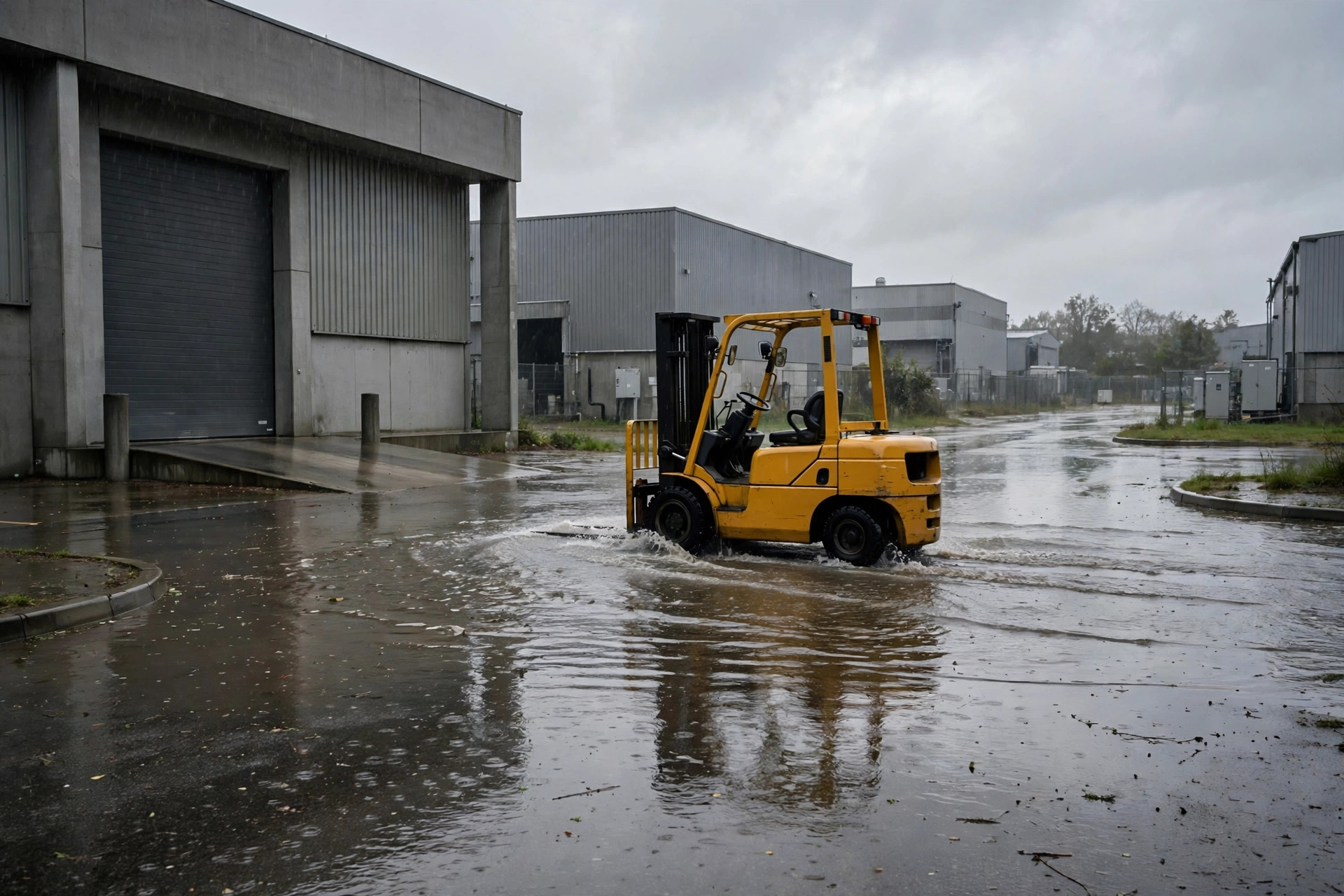
Another client of ours, outdoor furniture in Florida, learned this the hard way. During hurricane season two years back, a roof leak soaked a batch of inventory. The client was calm: "I bought door-to-door cargo insurance." The insurer's response was one sentence: does your policy include a storage clause? No? Then warehouse-period losses aren't covered. The client went pale — years of premiums, and it turned out the policy only protected the goods while they were moving.

This is the most common trap in 3PL warehouse cargo insurance liability: many cargo policies default to transit-only coverage, and storage needs a separate clause at a separate price. Your goods sit in a 3PL building for three months, and those three months might be completely uninsured. Asking "does it cover the storage leg?" when you buy the policy costs little; asking after the loss costs everything. Exact terms and pricing depend on your policy wording and your broker — get it in writing, not as a verbal promise.
When It Happens: A Three-Step Claims Playbook
When the loss is real, follow this order. Don't improvise.
Step one: written notice within 72 hours. Email the 3PL's customer service and your insurance broker with the time, place, damage details, and estimated value. A phone call doesn't count — it must be in writing. Wait more than a week and the insurer's first question will be about you, not the loss.
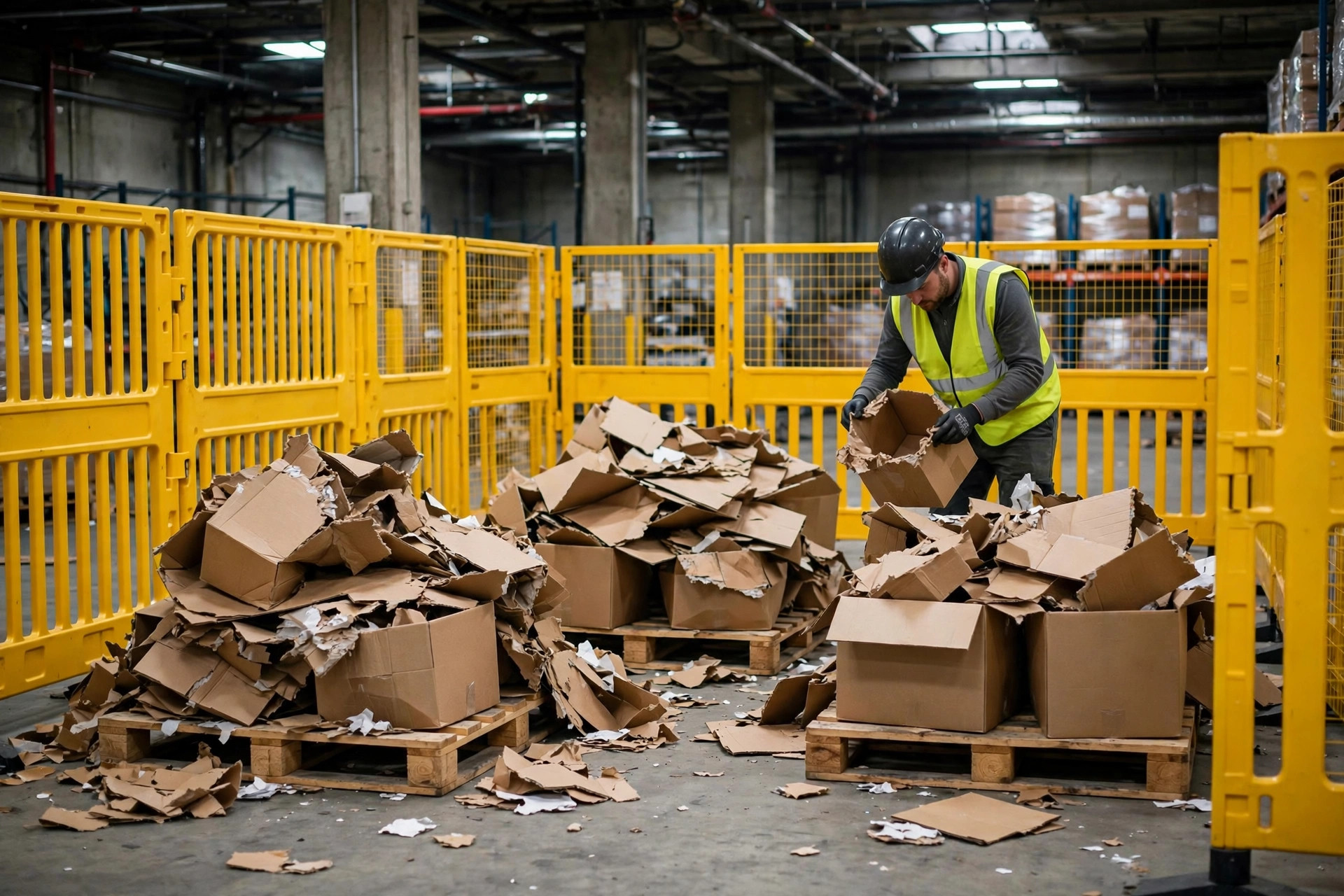
Step two: preserve evidence. Photos, video, and keep the damaged goods exactly as found — don't clean up the scene in a hurry. The 3PL will produce an incident report; get a copy. Export your own inbound/outbound records and inventory reports too. You'll need all of it.
Step three: run both tracks. File with your own cargo insurer (fast, direct) and send a formal claim letter to the 3PL (slow, requires a fault determination). Filing both is fine and expected. Whichever pays out first, withdraw the other — but don't collect full value from both sides. That's fraud.
Three Questions on 3PL Warehouse Cargo Insurance Liability to Ask Before You Sign
Boil it all down to three questions. Ask them the moment you sit down with a 3PL:
One: "How is your liability cap written — by weight or per shipment?" If the cap is too low, negotiate a higher limit for a fee, or buy supplemental coverage yourself.
Two: "Does my cargo policy cover the storage leg?" Take that question back to your broker. If not, add a storage clause.
Three: "Are the claims process and timelines written into the contract?" If not, get them added. Seventy-two-hour notice, thirty-day assessment — spell it out and everyone saves themselves a fight later.
3PL warehouse cargo insurance liability comes down to one sentence: never let "I assumed" substitute for "the contract says." Your 3PL won't proactively cover risks you didn't pay for — not out of malice, but because the quote never included them. Ask these three questions, and the next time cargo goes missing, you'll at least know who to call and how much you can recover.
By Susan, 3PL Sales Director