AI · Análises técnicas
Forty AMRs, One Warehouse, Zero Crashes: How Multi-Agent Scheduling Actually Works
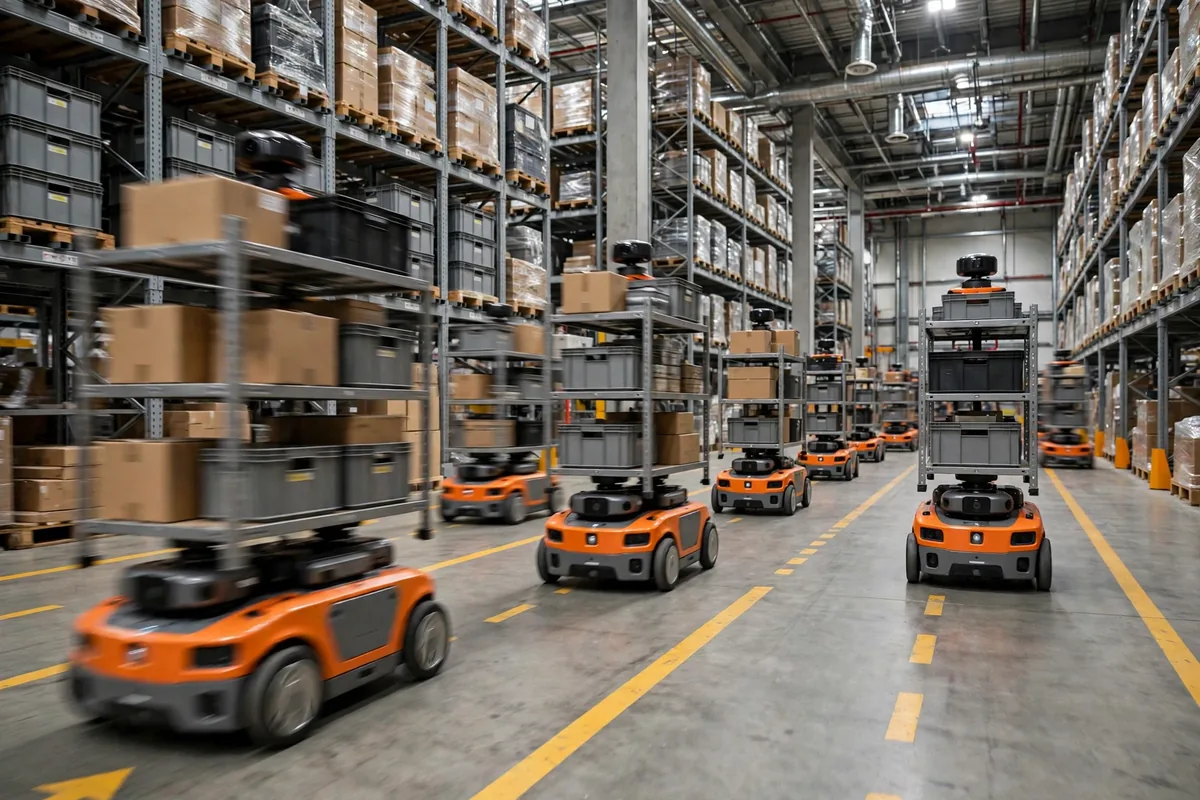
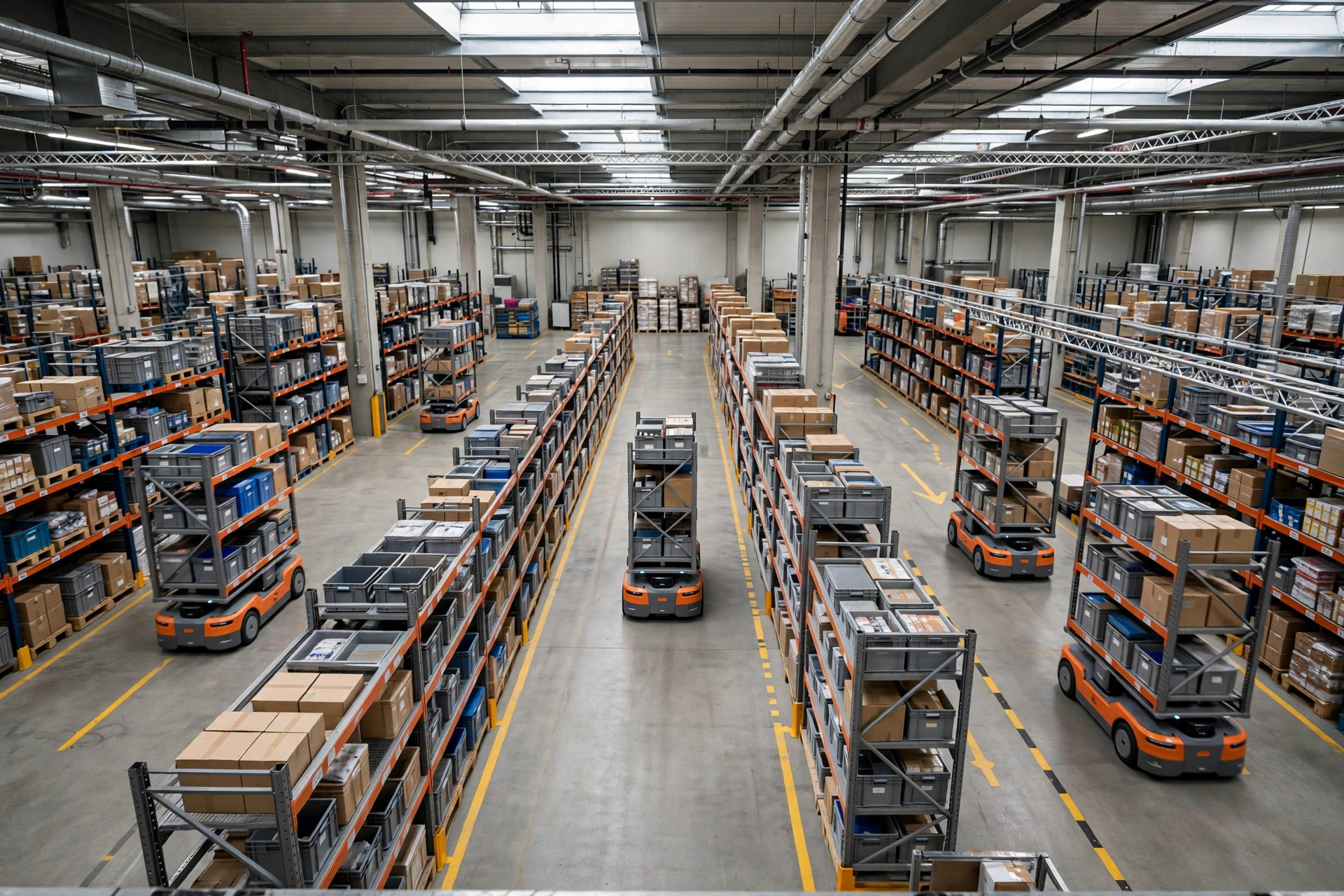
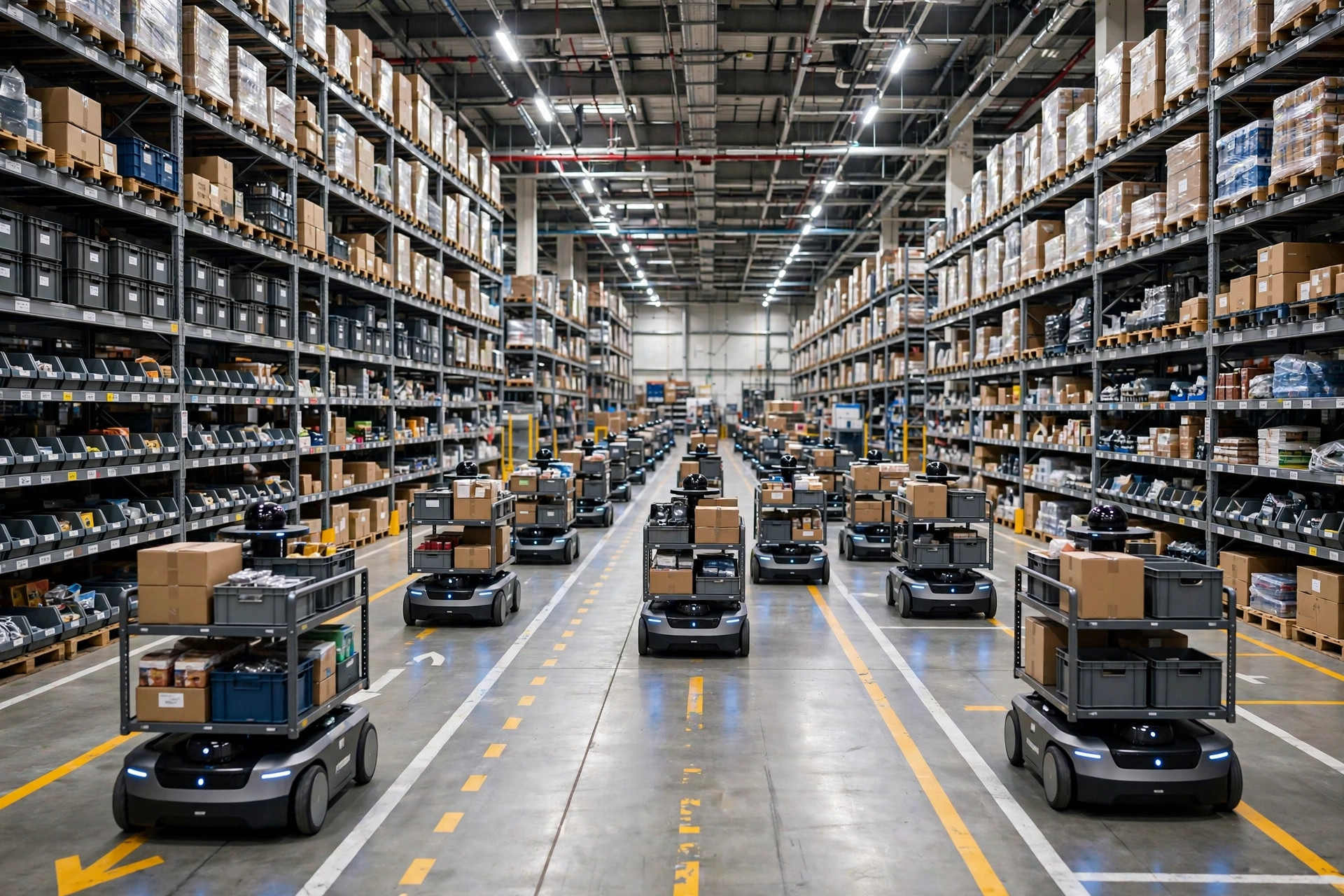
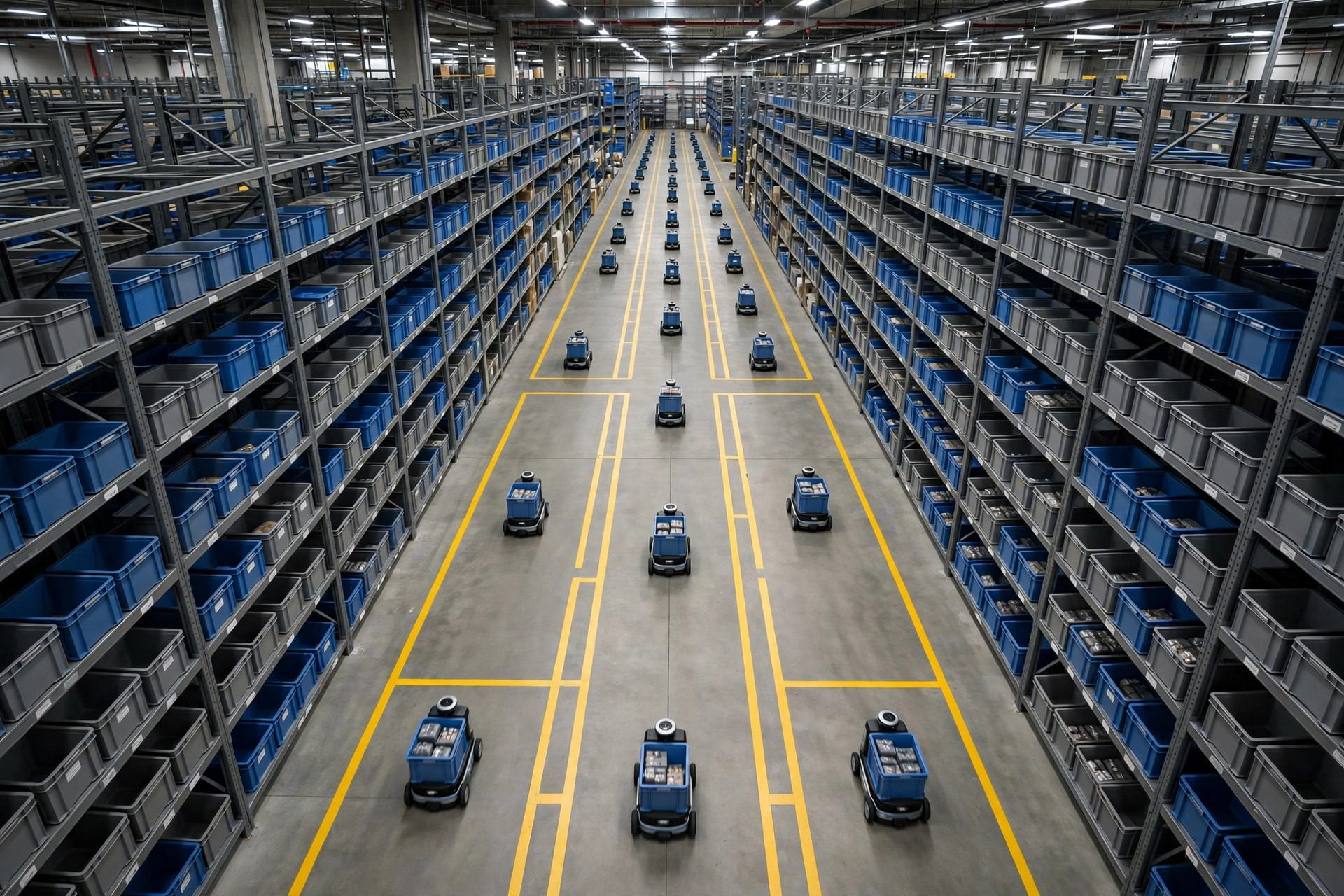
Picture this: forty autonomous mobile robots sharing one warehouse floor. They meet at intersections and yield to each other. They pass in narrow aisles without a scratch. Honestly, they're more disciplined than human drivers at rush hour. The first time I watched this from a mezzanine in a distribution center in Arizona, I stood there for a good twenty minutes with one question in my head: who is conducting this orchestra? After an afternoon with their engineers, I had the answer. There is no single "super brain" calling every move. There is a system called multi-agent scheduling. This article breaks it into three pieces — how jobs get assigned, how robots find their way, and what happens when two of them want the same patch of floor — and then tells you at what fleet size it is actually worth the trouble.
2026-10-05