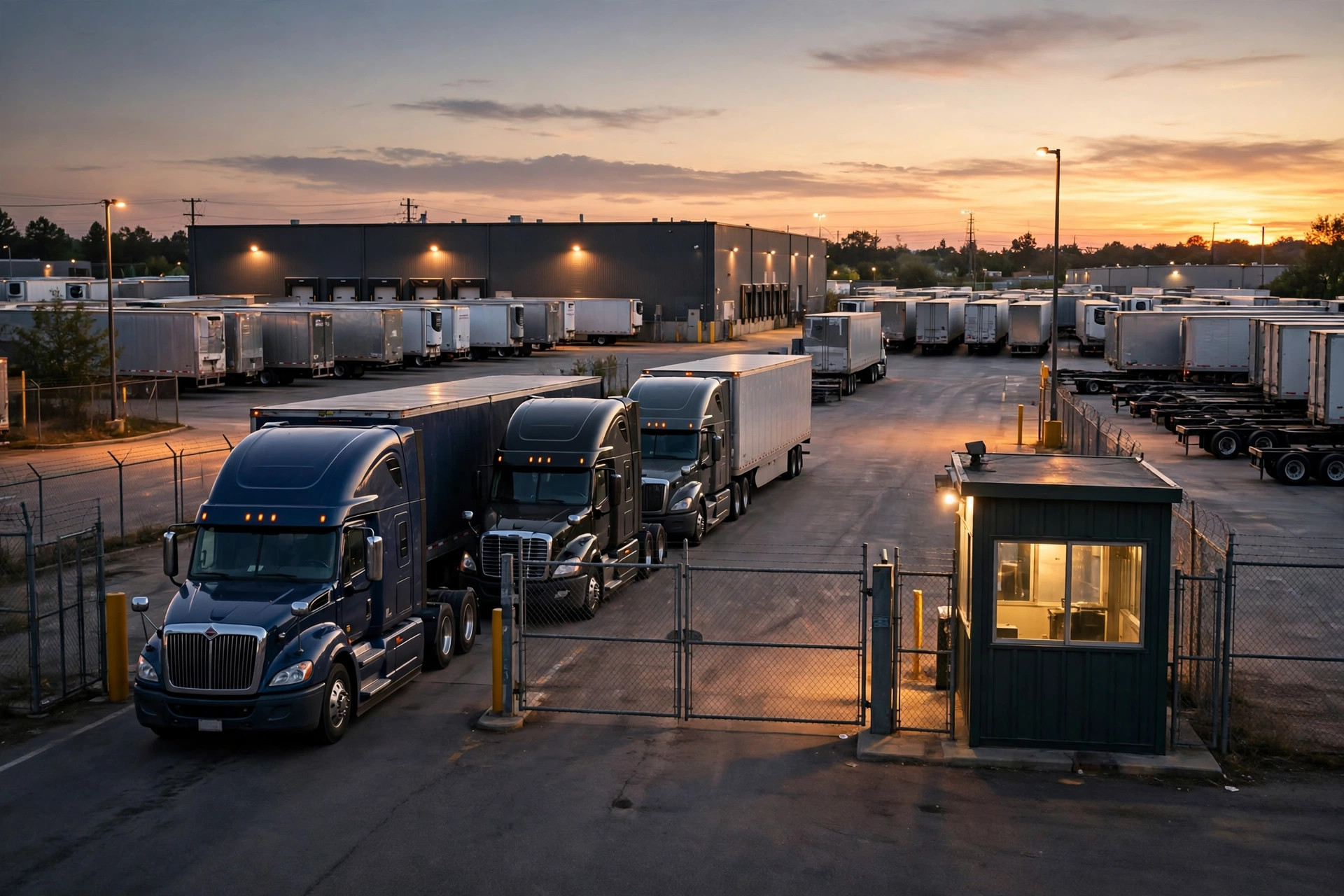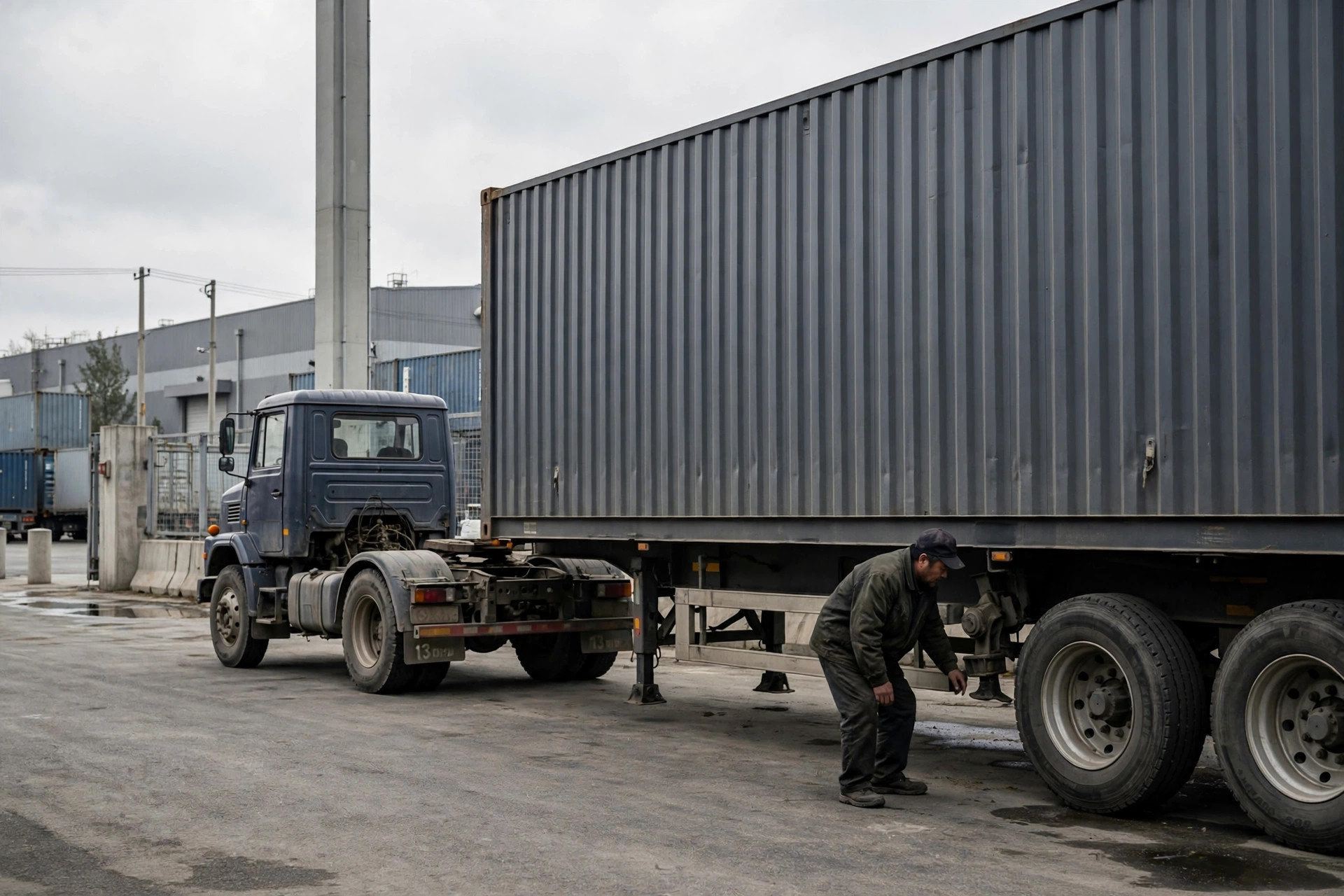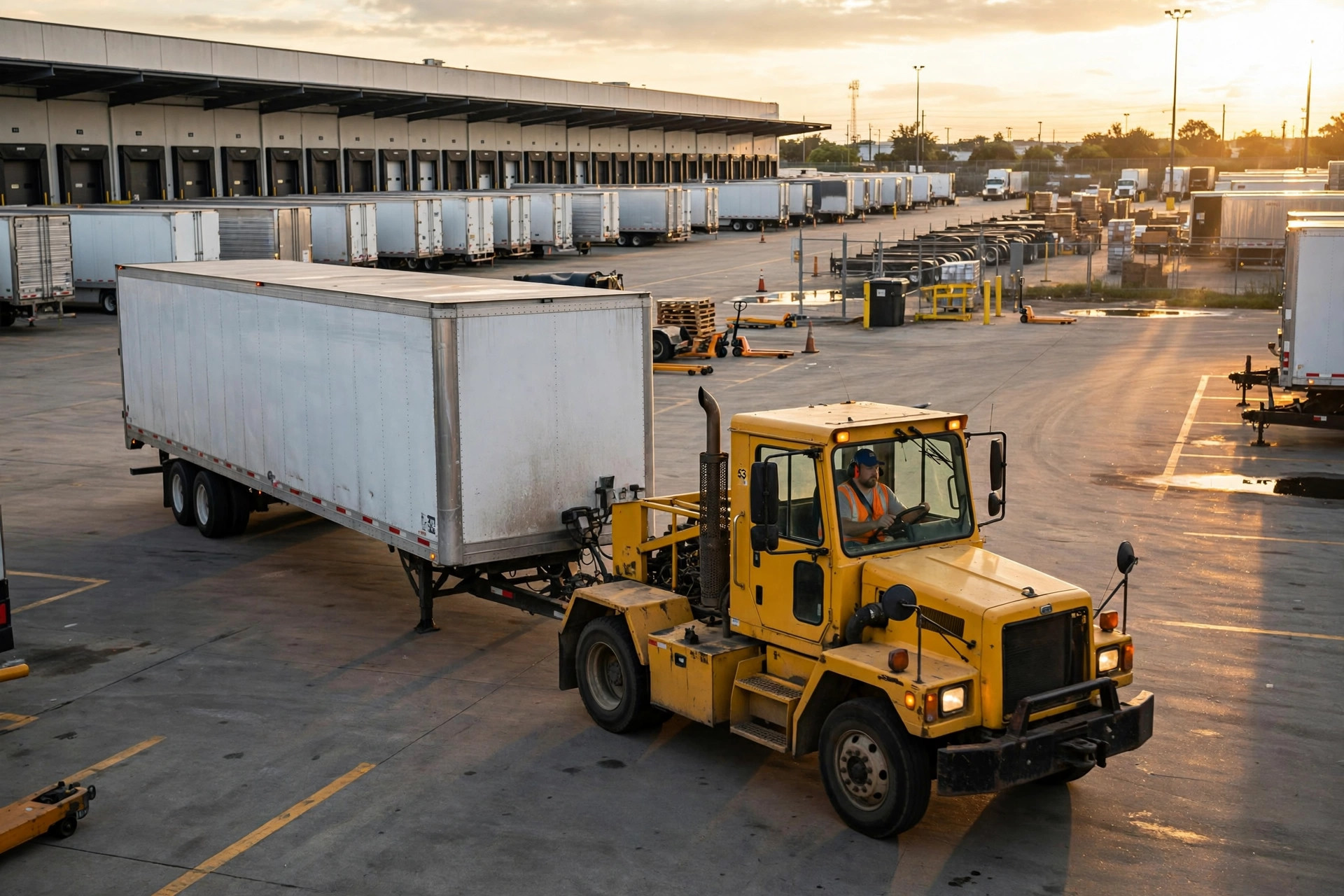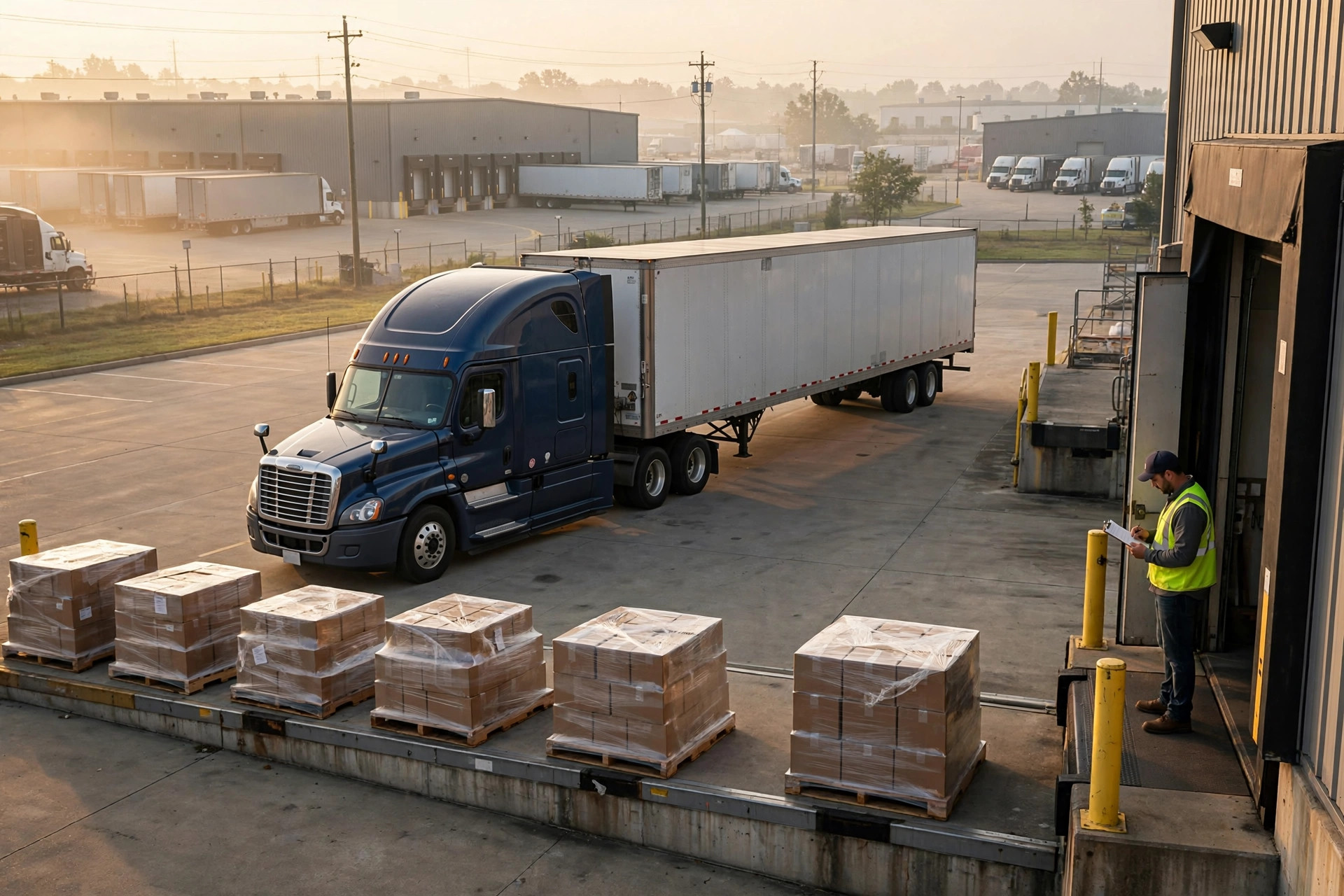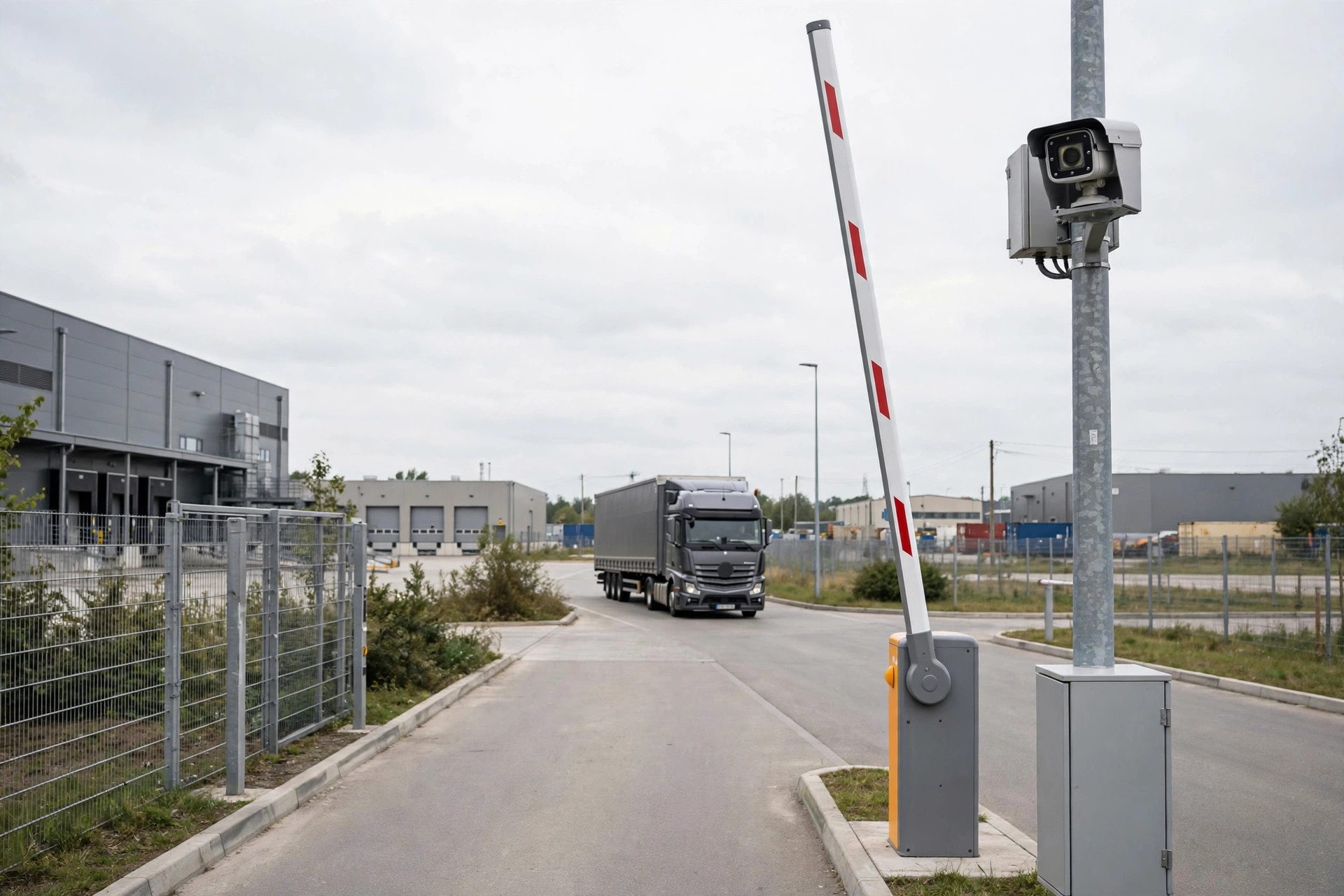
Bottom line up front: gate congestion isn't the guard's fault. It's the manual verification step.
Every morning at 8 AM, the same scene plays out at warehouse yards everywhere: trucks queued, drivers rolling down windows, a guard with a clipboard asking each one, "Which company? Got an appointment? What's the load?" Three to five minutes per truck, ten trucks in line, half an hour gone. Drivers curse, guards burn out, the warehouse manager gets the complaints.
I've seen this exact hole three times. The fix was the same all three times: license plate recognition plus appointment verification, automated gate. Here's the complete implementation checklist.
Why Plate Recognition Beats People
Manual verification has three fatal flaws:
Slow. Three questions, flipping through the appointment sheet, logging it in. Every step mandatory. Three minutes is fast.
Error-prone. Hand-copy one plate character wrong, and it won't match the appointment at the dock. Discovered at unloading, with the whole truck turning around inside the yard.
Unenforceable. Familiar faces get waved through, the appointment system becomes decoration, and every appointment record in the YMS is dirty data.
Plate recognition kills all three at once: the camera reads the plate in 2 seconds, auto-matches it against the YMS appointment, opens for a match, diverts the rest to manual. Per-truck gate time drops from 3–5 minutes to under 30 seconds.
The Five-Step Rollout
Step 1: Classify inbound vehicles.
Not every truck uses the same lane. Sort first:
- Appointment trucks (pickup/delivery with a YMS appointment) → automated lane
- Walk-ins and visitors (no appointment) → manual lane
- Internal and commuter vehicles → whitelist lane
Three vehicle types, three lanes. This foundation decides everything downstream.
Step 2: Spec the camera and barrier.
The plate camera must read every plate format on your roads, day and night. Don't buy anything under 99% recognition, and test the nighttime-plus-rain number separately; the daytime figure doesn't count.
Barrier arm cycle under 3 seconds. Sounds trivial; at 50 trucks in the morning peak, 2 seconds saved per truck is 100 seconds back.
Step 3: Integrate with YMS appointments.
This is the core. The camera is only the eyes; the YMS appointment is the brain.
The logic is simple: camera reads plate → queries the YMS for today's appointments → plate matches an appointment → barrier opens automatically; no appointment → display directs the driver to the manual lane; plate-appointment mismatch → divert to manual verification.
One integration trap: plate formatting, case, spaces, and special characters must be normalized identically on both sides. Otherwise recognition is right, matching is wrong, and the driver sits at the gate.
Step 4: Exception playbooks.
Automation dies on unhandled exceptions. Define them up front:
- Unreadable plate (dirty, damaged, cloned) → manual lane, guard checks license plus appointment
- No-show appointment → YMS auto-releases the dock slot, truck rebooks
- Network outage → fall back to manual logging with paper plus photo dual backup
Step 5: Two-week pilot.
Never cut over all lanes at once. Open one automated lane for two weeks and review daily: how many plates failed, how many false opens, what drivers complained about. Full cutover only when two weeks of data look clean.
Three Classic Rollout Failures
Failure 1: camera installed, YMS never integrated. That's a surveillance camera, not gate automation. Plate recognition must drive off the appointment record, or you've just replaced "human reads plate" with "machine reads plate" while verification stays manual.
Failure 2: automated and manual lanes not separated. Walk-ins honk behind the automated lane while appointment trucks can't get through. Physical separation is the simplest fix.
Failure 3: nobody maintains the camera. A dirty lens or a knocked-out-of-alignment mount drops recognition from 99% to 90%, and the queue returns. Wipe the lens monthly; put it on the maintenance checklist.
One-Line Summary
The gate is the yard's front door and the entry point for YMS data. Dirty data at the entrance means every schedule and every report downstream is wrong.
Plate recognition plus appointment verification, one investment, three problems solved: no more queues, clean data, and the guards stop taking the blame. Money well spent.
By Lin Xiao, WMS Implementation Consultant