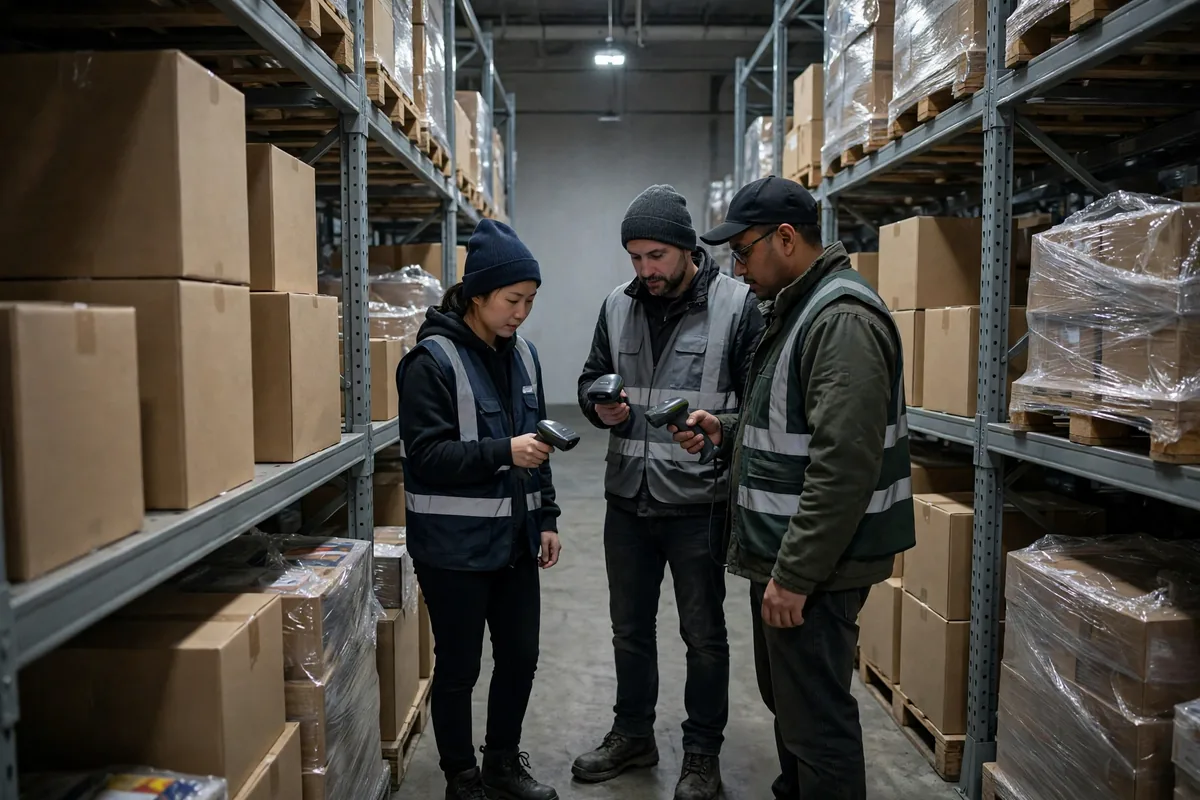
At 1:40 in the morning, halfway through the night shift, one of my pickers came jogging down aisle three with a handheld scanner frozen on a spinning circle. The order was stuck. I have seen that exact scene too many times: everything tests fine during the day, then the night shift starts and the system falls apart. So I made a rule in our building. A wms sandbox testing environment warehouse setup is not something IT gets to click through alone in an office. The people who actually work nights have to run a full shift inside it. If a release cannot survive one of our night shifts in the sandbox, it does not go live.
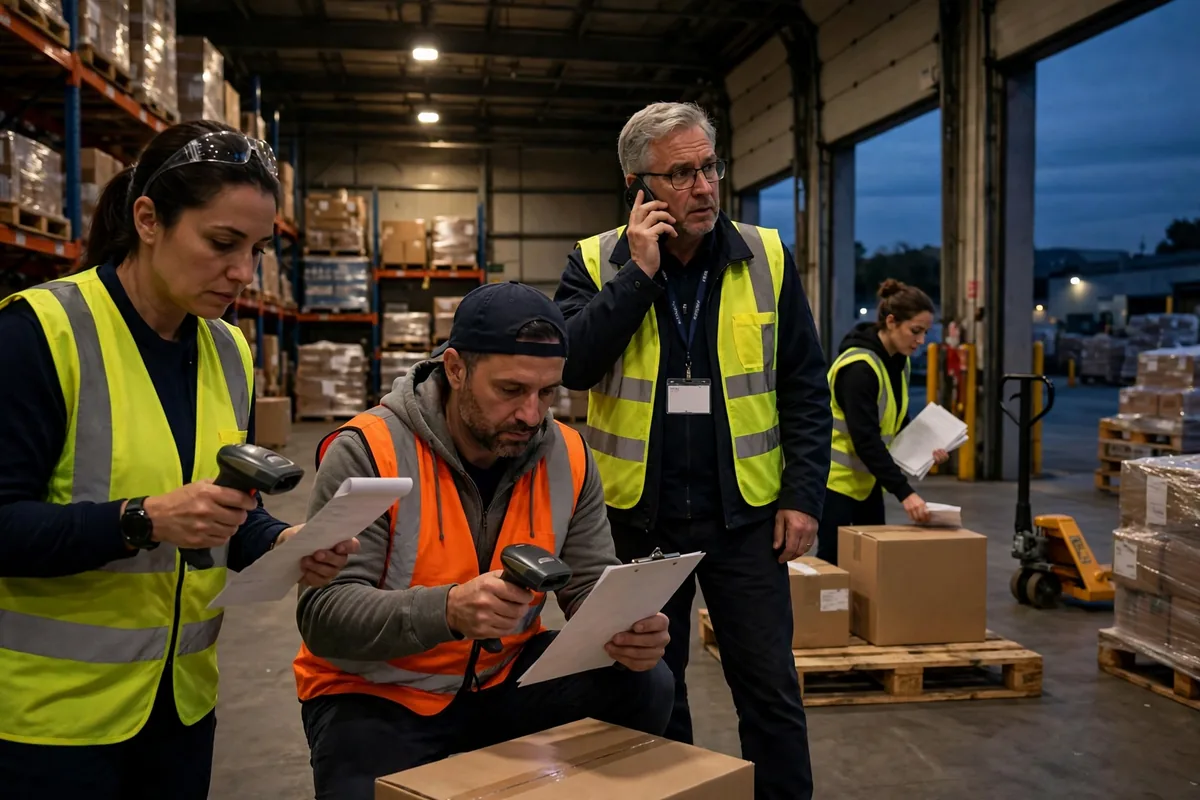
Day shift and night shift are not the same warehouse. During the day you have supervisors on the floor, full staffing, stable Wi-Fi, and someone to shout for when a screen does something strange. At night you have a skeleton crew, half of them temps, dimmer aisles, tired eyes, and handhelds that are whatever the day shift left on the charger. A workflow that feels smooth with a mouse in an office can be completely wrong for that crew.
Run a Real Shift in the wms sandbox
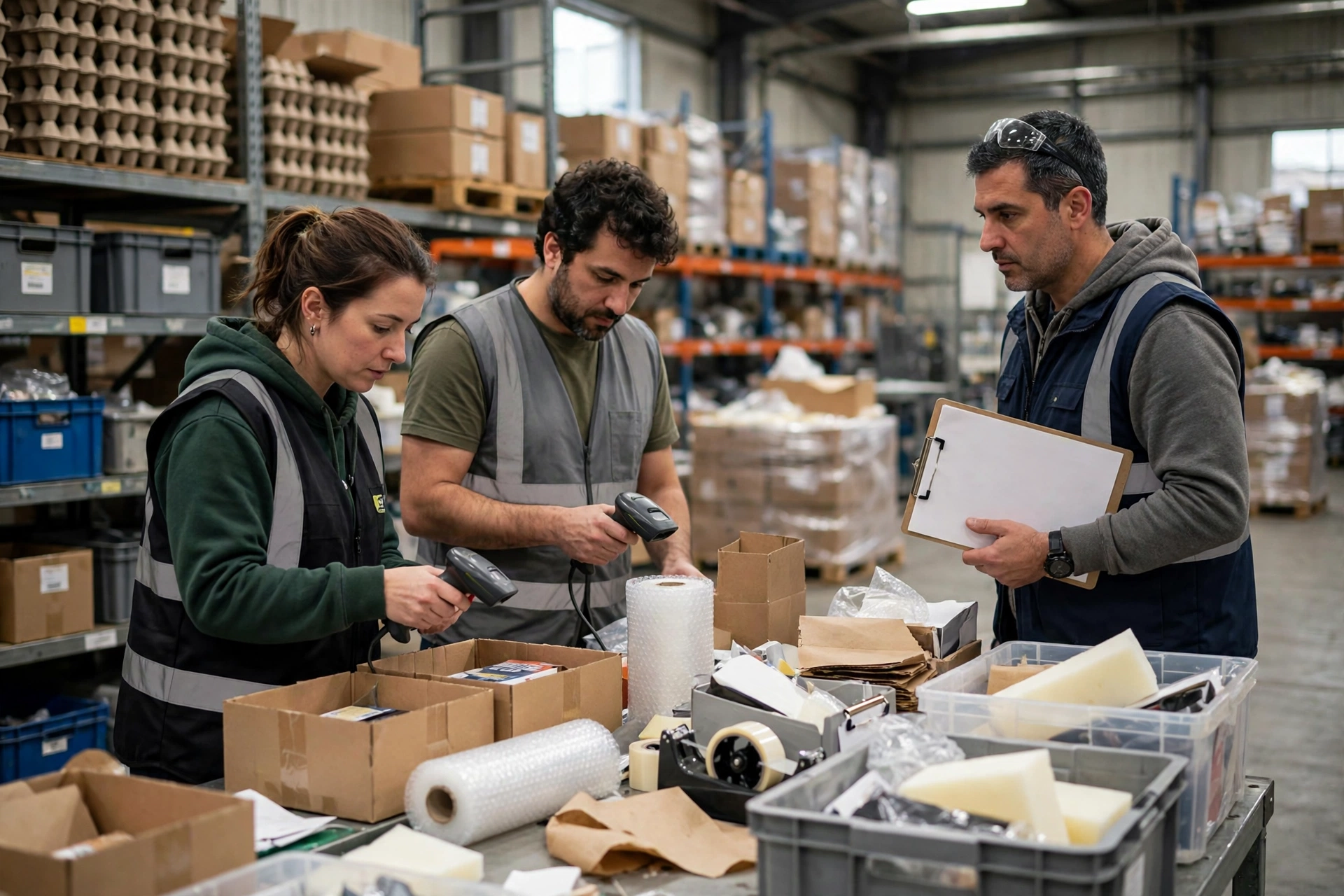
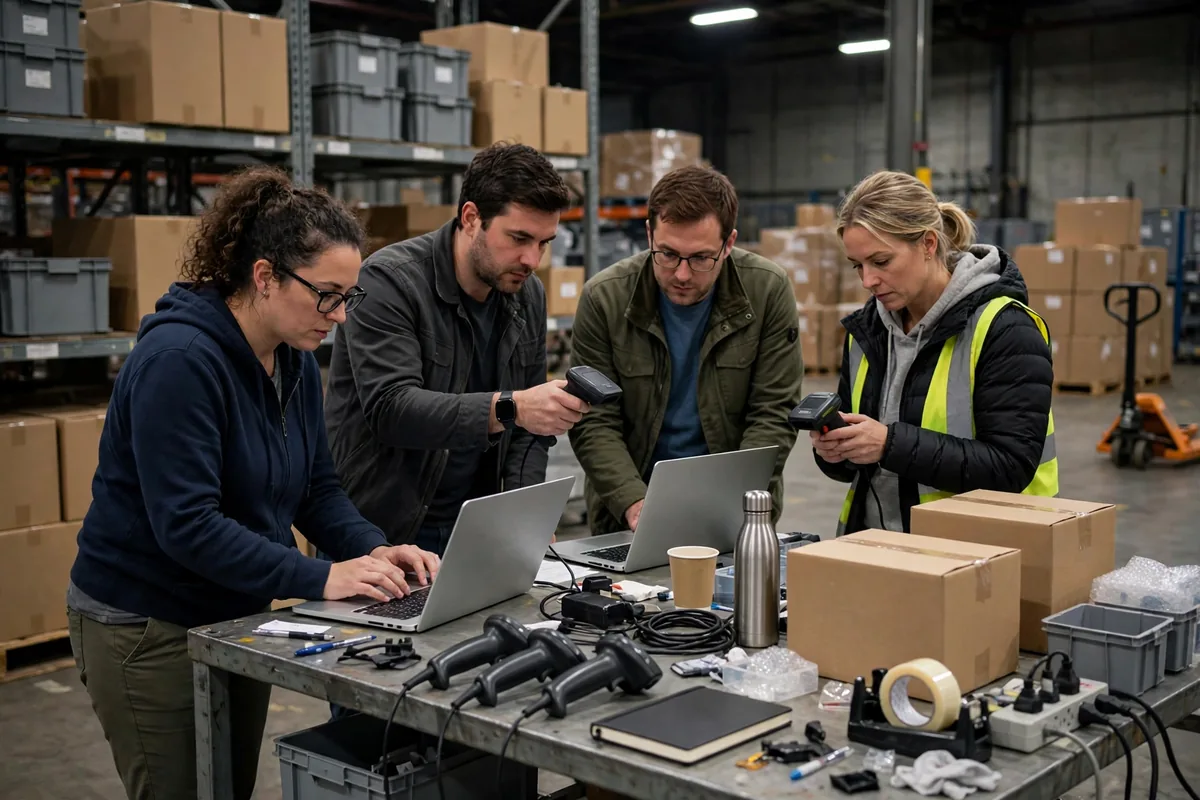
Here is what we do now. Before any meaningful change goes live — a new wave picking flow, a different pack verification step, a changed putaway rule — we schedule a mock night shift in the sandbox. We run it at real night hours, even if only for two hours, with the real setup: same headcount, same scanner models, same role permissions people use on the floor.
Last fall, right before peak, we rolled out new wave picking logic. IT tested it for three days during office hours and reported a clean pass. I was not convinced, so the night crew ran it in the sandbox. Two hours in, it broke. A temp picker named Chen had a standard picker account, but the new flow asked him to confirm a step that only a lead role could approve. The page simply blocked him. Daytime testing had used admin accounts the whole time, so nobody ever saw it. That one night produced eleven findings, and almost all of them were about permissions, accounts, or device models. If we had gone live as planned, the first night of peak would have been a standstill.
Here is the part people get backwards: a 100 percent pass rate in the sandbox is not good news. It usually means you only tested happy-path orders, the ones the system likes best. Real warehouses do not run on happy-path orders. You get damaged barcodes, phantom inventory, and customers cancelling five minutes after the wave drops. If your test night hits zero exceptions, you did not test. You rehearsed a fantasy.
Testing environment data the warehouse floor will trust
Sandbox data is the second trap. Plenty of warehouses are testing on data copied half a year ago: stale inventory counts, old location codes, missing barcodes. Testing on that is asking your crew to work in a fake building, and nothing you learn transfers.
Our standing rules are simple:
| Item | What we do | Why |
|---|---|---|
| Data refresh | Copy sanitized production data weekly, plus one extra refresh before peak | Old data hides real inventory mismatches |
| Freeze window | Freeze configuration two hours before the mock shift | Testing a moving target tells you nothing |
| Devices and accounts | Same handheld models as production, test accounts with real floor roles | Admin accounts mask permission problems |
| Logging | Record every exception on the spot: who, when, which step, what message | Memory-based reviews get the details wrong |
Sanitizing is not optional. Customer names, phone numbers, and addresses get scrubbed before anything lands in the sandbox. That is a hard line. But keep the shape of the data real: order profiles, location structure, inventory distribution. Wash it too clean and you are back to a fake building.
Volume matters too. Build your test orders at peak volume, not average volume, and mix in the ugly stuff — multi-line orders, oversized items, cross-zone picks. A flow that purrs along on small single-line orders can time out the moment waves get big. We learned that the expensive way.
Plant the Bad Orders on Purpose
The value of a wms sandbox testing environment warehouse exercise lives in the exceptions, so we plant them deliberately. Our checklist has to be fully worked through before anyone signs off:
- Barcode failures: scuffed labels, duplicate barcodes, barcodes that do not exist. Does the system freeze, or does it give the picker a way forward?
- Inventory mismatches: make the system quantity disagree with the shelf. When a picker finds an empty location, can they report a short pick in one tap, or do they wait for a supervisor?
- Cancellations and changes: cancel an order after the wave drops, change an address after picking. Does the system stop the shipment, or does cancelled freight still leave the dock?
- Drops and restarts: kill the Wi-Fi, power off a scanner mid-task. When it comes back, is the task still there?
- Permission edges: try lead-only functions with a picker account, try verification with a brand-new hire's account. Block what should be blocked, and nothing else.
Two winters ago we skipped this and paid for it. A new pack verification flow went live after flawless testing on normal orders. On the third night, a customer cancelled four orders, two of them already packed. The system had no interception at all. The boxes went on the truck, came back the next day, and we ate the reshipping and the apology. In the review it turned out nobody had ever tested what a cancellation should do at the pack bench. Cancellations now sit at the top of our planted list.
One more detail: do not tell the crew which exceptions you planted. Real problems do not announce themselves. Let people work at normal pace and watch their first reaction when something breaks, and whether the on-screen message makes sense to them at 2 a.m. If a picker cannot understand the prompt, that is a failed test, no matter what the log says. Messages are written for the floor, not for programmers.
Earn the Go-Live, Then Sign It
After the mock shift, we sort every finding into three buckets: fix before go-live, go live with a documented workaround, or operator habit that needs no change. Bucket one has to be empty before anyone signs. The shift lead and the supervisor on duty sign the sheet that night, on paper, by name. No ceremony, just ownership.
Pair veterans with new hires during these runs. Veterans are fast and quietly work around system flaws, which hides the flaws. New hires follow the prompts literally, step by step, and they stall exactly where the prompts are vague. Where a new hire stalls is where your system is genuinely hard to use. You will never find that sitting in an office.
My advice to fellow managers is plain: the sandbox is not an IT toy and not a box to tick before release. It is a dress rehearsal for your hardest shift. Whatever embarrassment your crew finds in a wms sandbox testing environment warehouse run is embarrassment you will not repeat on the first night of peak, with a full building watching. I have spent two of those nights digging out. I do not plan to spend a third.
By Chen Feng, Warehouse Operations Manager