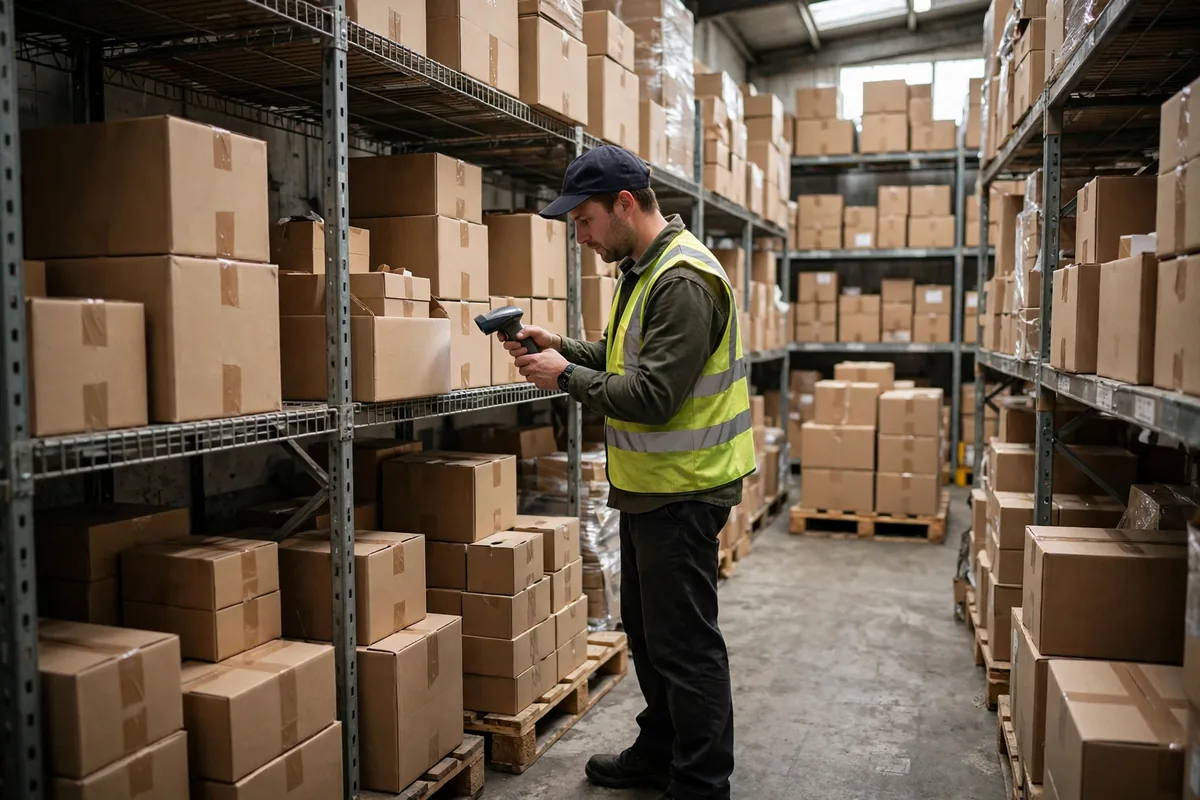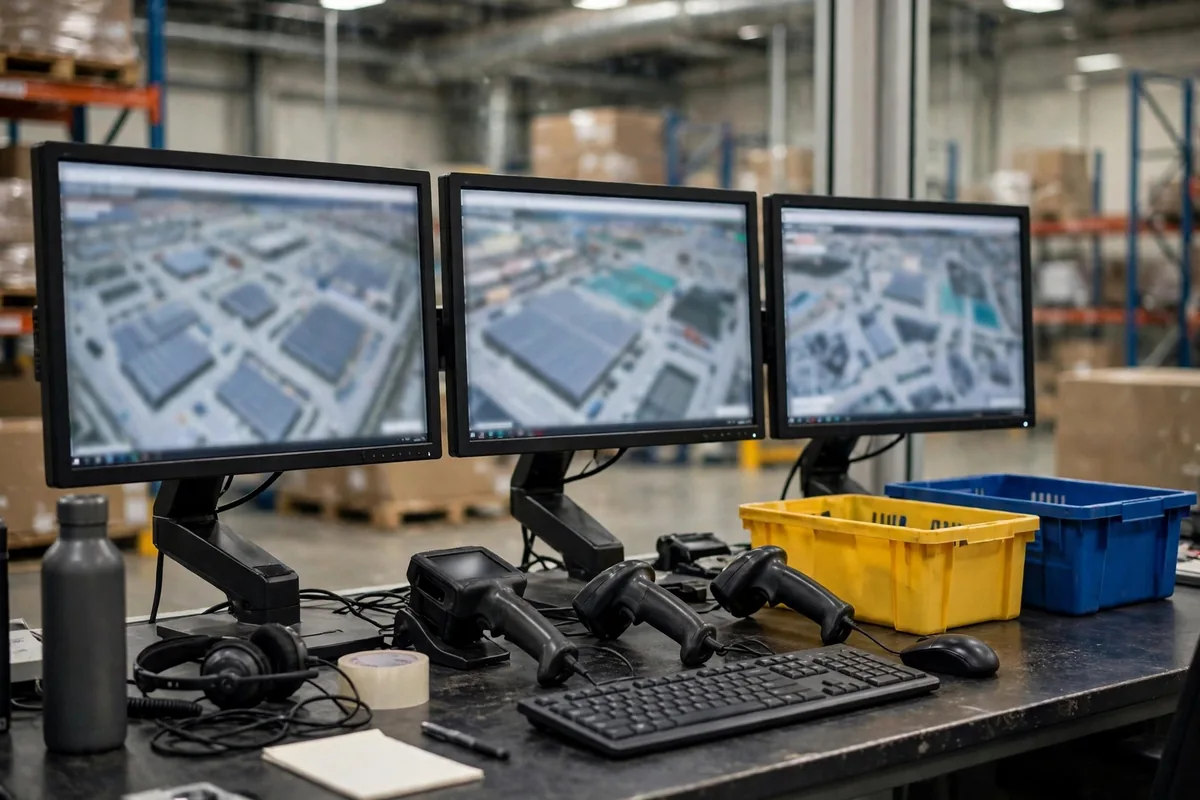
A WMS migration cutover warehouse switch starts like this: 6:30 on a Monday morning, me standing on the receiving dock holding two pick lists, one from the old system and one from the new. That is what it looks like from the floor, and no project plan I have ever seen captures it.
Our warehouse runs 200 people, about 8,000 orders a day, up to 14,000 at peak. The old system had been in place for seven years. The screens looked like they belonged in another century and the scanners froze at the worst moments, but every single person in the building could run it with their eyes closed. Swapping the system was never really about software. It was about whether 200 people could show up the next morning and do their jobs, and whether the orders would still leave the dock.
I slept less than 20 hours that whole week, but we did not miss a single day of shipping. Here is how it actually worked.
WMS Migration Cutover: The Two Weeks of Parallel Running That Wear You Down
We chose a parallel run, not a big-bang switch. Big bang sounds brave: swap everything over one weekend and everybody is on the new system Monday morning. But if something breaks, 8,000 orders break with it. Parallel running means the new system comes online while the old one keeps running, both systems issuing orders and recording stock, with a reconciliation every night.
We started with one zone as a pilot: Zone B, 1,200 locations, roughly 15% of daily volume, for two full weeks. The first week caught a real problem. A best-selling SKU had the wrong pack size in the new system. The old system shipped it by the case, the new one counted it by the piece, so pickers following the new screen picked one piece instead of a case of 24. It was only 32 orders, all caught the same day. Cut the whole warehouse over at once and 32 becomes 200.
Parallel running wears people out more than it wears out systems. Every order gets confirmed in the old system and then confirmed again in the new one. It is the same job done twice. Overtime in those two weeks cost us an extra $18,000, and morale dipped. One veteran told me straight: Boss, this is working two days in one. All I could do was stretch the shifts, add two people to nights, and put extra chicken in the lunch boxes. The parallel run is the safest option and the most expensive one, and the cost is measured in people and patience. Budget for that before you start, not after you discover it.
There was another trap. During the parallel run, stock counts in both systems had to match every single night. One evening we were 47 units out. We chased it until 2 a.m. and found the cause in returns: a return had been received in the old system and was still sitting in pending in the new one. After that night we made a rule: during parallel running, returns go through the old system only. The new system reads, it does not write. Two systems means double the work and double the chances to get something wrong, so every process needs one clear owner.
| Cutover pattern | How it works | Risk | Best for |
|---|---|---|---|
| Big bang | Swap everything in one weekend | One failure stops the whole warehouse | Small volumes, warehouses that can pause |
| Parallel run | Both systems live, nightly reconciliation | Double labour, processes can clash | High volume, cannot afford a missed day |
| Phased by zone | One zone at a time | Long timeline, two processes coexist for weeks | Large sites with independent zones |
At 8,000 orders a day, a missed day is 8,000 unhappy customers, so parallel running was the only honest choice for us. A smaller warehouse does not need this pain. Big bang over a weekend is cheaper and faster when you can afford the risk.
WMS Migration Cutover: Clearing the Decks Before the Freeze
The 48 hours before the cutover weekend matter more than the weekend itself. At 6 p.m. on Friday, the old system stopped taking new waves. Any wave half-picked had to be finished, packed, labelled and moved to staging. A wave that could not be finished was sent back to its locations in full, to be released again in the new system on Monday. Inbound was the same: trucks arriving after 4 p.m. on Friday were unloaded onto the dock and left untouched, pallets intact, to be received in the new system on Monday.
That Friday night I walked the floor with six team leads and counted the places where system and shelves disagree most: the fast-moving zone, the top racking levels, the returns area. All 86 locations in the fast-moving zone were counted, and we found 11 variances. The biggest was 60 units on one SKU, a counting error from the week before. The top racks came down one pallet at a time, were counted, and went back up. We finished at 1 a.m. Here is the truth: how clean the cutover goes is decided that night, by how carefully you count.
At 8 a.m. on Saturday the data froze. The old system went read-only and the migration began. The first job after the load was reconciliation: total SKUs, total locations, total stock, three-way matched. 12,000 SKUs, 8,600 locations, 430,000 units. All three numbers had to agree before we moved on. One number out, we stop and find it. You do not go live with a question mark in the stock file.
The Go-Live Weekend and the Rollback Line
At 3 p.m. on Saturday we held the go-live meeting. Me, the IT lead, the implementation consultant, and the customer service manager. We decided exactly three things: what time go-live officially starts, what counts as failure, and by what time we roll back if it fails. A rollback plan is not admitting defeat. It is the safety net for the customer. Our line was clear: if by 10 a.m. on Monday outbound volume was below 50% of normal, or the mis-ship rate passed 2%, we roll back to the old system. When the clock hits the line, nobody asks permission. You execute.
Sunday was rehearsal all day. We ran 200 real orders through the new system end to end: intake, wave release, picking, checking, packing, labelling, dispatch. The first run averaged 40 seconds slower per order, mostly hesitation at the checking screen. By the third run it was 12 seconds. Good enough. Go.
Monday at 6 a.m. I arrived an hour early. The first wave of 800 orders went out, pickers clumsy but moving. By 9 a.m. we had shipped 3,200 orders, about 85% of a normal morning. By 10 a.m. we were at 5,200, past the line, no rollback needed. The day closed at 7,600 orders, 400 short of normal, with zero mis-ships. At 9 p.m. I wrote one line in the team chat: no orders stopped today, thank you all.
Looking back, the technology was maybe 30% of a WMS migration cutover. The other 70% is people and timing. Parallel running costs real money, so budget it. The freeze demands real counting time, so protect it. The rollback line has to be written down before the weekend, with a clock on it. The most dangerous thing is going live with stock numbers you do not trust, or nobody willing to call a stop at 10 a.m. Systems can be replaced. A customer's trust cannot.
If your warehouse is about to switch systems, remember three things. Pilot first, never bet the whole building at once. Clear every open job before the freeze, and do not go live with numbers that do not reconcile. And set the rollback line in advance, then honour it when the clock says so. No hesitation.
By Chen Feng, Warehouse Operations Manager