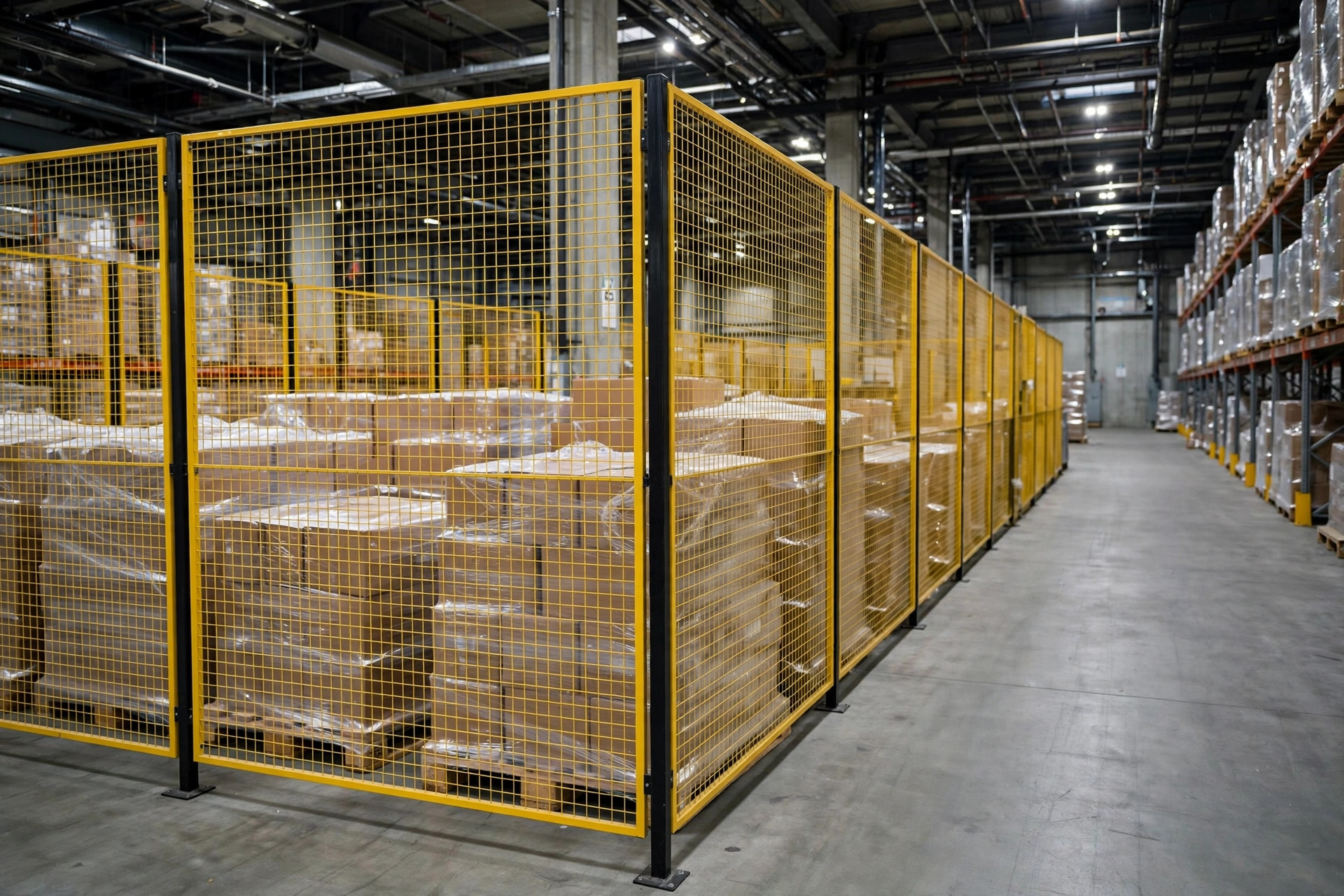
A 3PL outside Chicago once burned two weeks hunting for tens of thousands of dollars in missing inventory. Nothing was missing. It was sitting in three quarantine locations, some of it for the better part of a year, still showing as available in the system. I have been in American warehouses for twenty years, and I will tell you straight: most "lost" inventory was never lost. It was parked in an exception location, forgotten by everyone, and left on the books as sellable.
Four buckets, or one junk drawer
The root mistake is treating exception space as one big "pending" bucket. Damaged goods, inspection holds, disputed counts, and customer-rejected product all land in the same pile, and then nobody can manage any of it. I split exception locations into four types, each with hard entry and exit rules.
Quarantine is for receiving problems: crushed cartons, count mismatches, unreadable labels. Product goes in, and it does not come out until QC releases it. One-way door, one key holder.
Hold is for stop-sale situations: a quality complaint on a batch, a compliance question, a customer instruction to freeze. Every hold carries three things or it does not exist: who placed it, why, and when it expires.
Damaged is for confirmed write-offs: unsellable product waiting for disposal or vendor return. This must be physically separated from quarantine. I have watched warehouses stack "might still sell" next to "definitely cannot sell" until everything got written off together. That is a choice to lose money.
Dispute is for the orphans: cycle-count overages with no owner, receipts that arrived before the paperwork. Park them here with a claim deadline. Mine is two weeks: claimed and slotted within fourteen days, or it goes to QC for a verdict, then to damaged or disposal. A dispute area with no deadline is just a junk drawer with a nicer name.
Each type gets its own location type in the WMS, with separate permissions for who can move product in, who can move it out, and whose approval a release requires. And if you run a 3PL, segregate exception space by client. Client A's damaged goods and Client B's quarantine stock do not share a fence line, and they never share a ledger. Client auditors always check exception areas. Mixed storage hands them the finding before they even ask.
Size the space honestly, too. Exception locations should be small by design. If your quarantine cage is always full, you do not have an exception-location problem; you have a receiving quality problem or a vendor problem, and the cage is just where the symptoms pile up. A good rule of thumb I use: if exception inventory ever exceeds a few days of normal throughput sitting idle, stop managing the cage and start fixing the inbound door.
Two locks, or it never happened
A location type in the system means nothing if the physical reality does not match. I have seen a beautiful WMS configuration with the actual product stacked in the aisle. That is not a quarantine location. That is a suggestion.
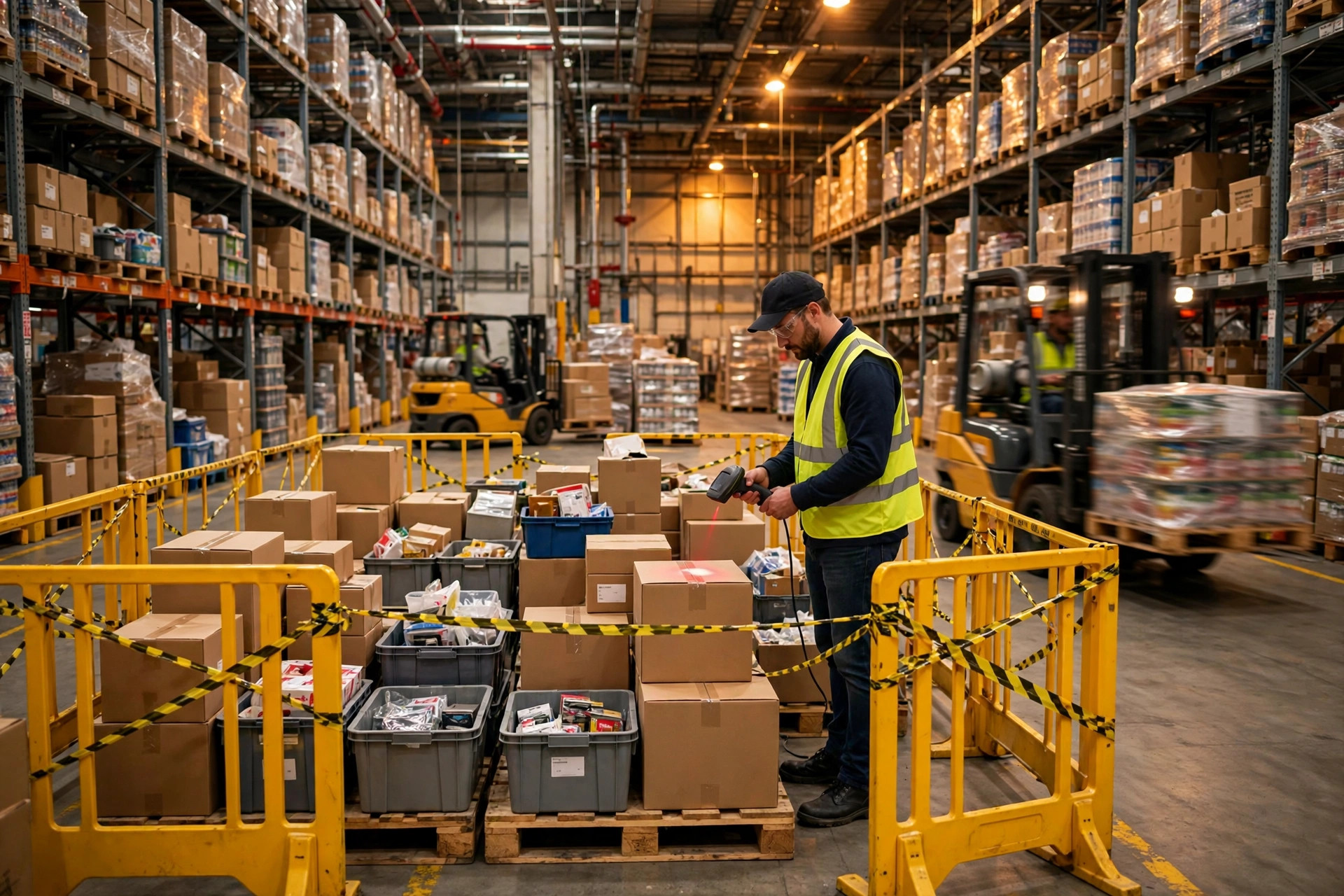
The first lock is physical. Exception areas need a boundary you can see from twenty feet away: yellow mesh fencing, painted floor lines, dedicated racking, whatever fits the building. The rule is simple enough for a temp on day one: if it is inside the fence, you do not touch it. Put the cage near QC for easy processing and far from the outbound staging lanes, so a picker never grabs from it by reflex.
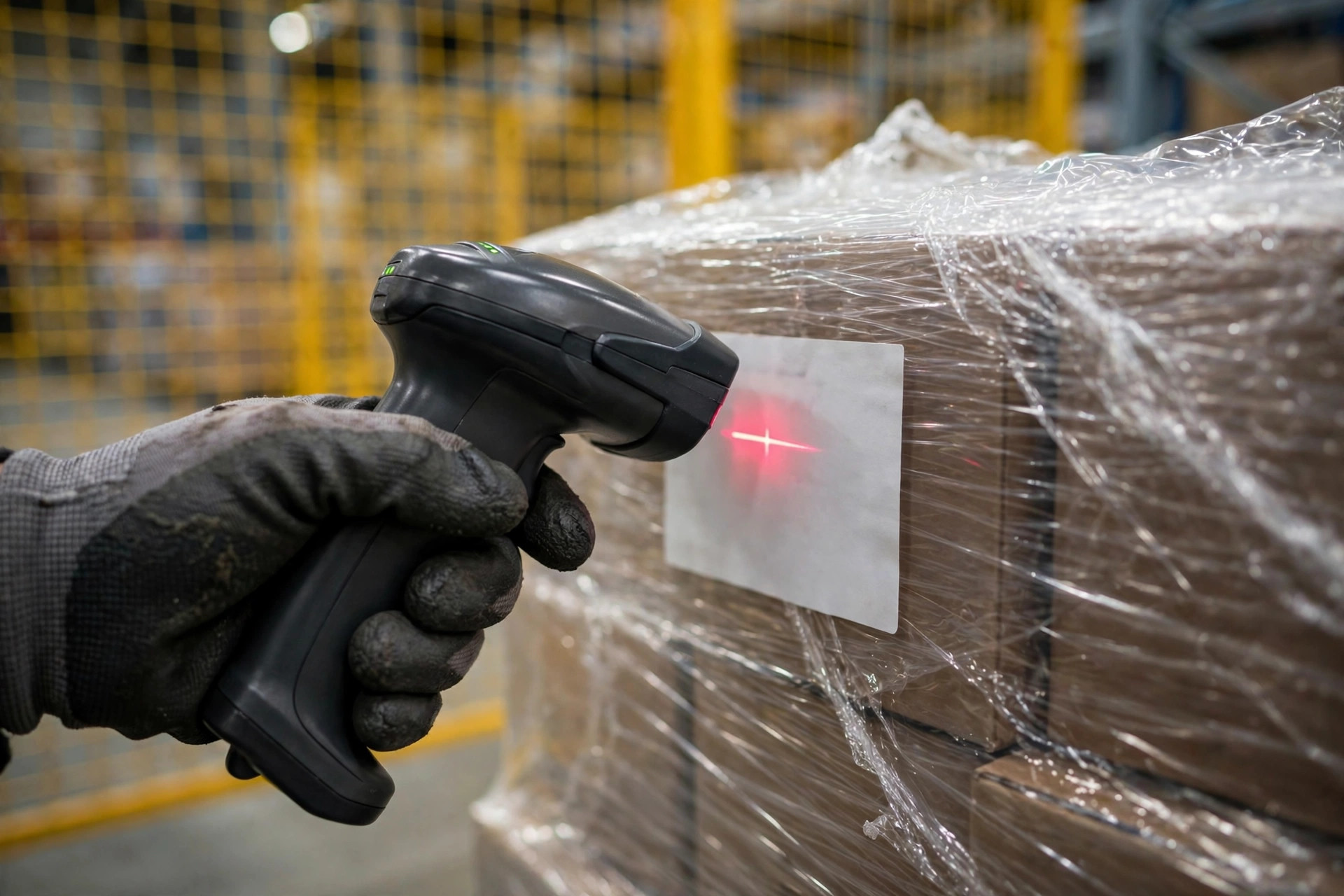
The second lock is in the system. Inventory in exception locations must carry a non-available status, excluded from allocation, waves, and replenishment. Many systems ship with "pending" as a label that changes nothing about availability, which is the most dangerous default in warehouse software: the product looks controlled and behaves like open stock. After configuration, test it for real. Build a wave and confirm the quarantined pallets cannot be allocated. Trust the test, not the checkbox.
Then the labels. Every pallet and every carton in exception gets a tag a human can read: type, date in, who put it there, why. The system speaks to the machines; the tag speaks to the people on the floor. Both have to agree before the loop is closed.
One more upstream move: catch exceptions at receiving, before problem product ever reaches storage. Crushed carton or short count at the dock goes straight to quarantine. Once bad product gets a storage location, getting it back out costs ten times the effort.
The monthly reckoning
The enemy of every exception location is "we will deal with it later." Later never comes.
Run an aging report every month, straight from the WMS: location, type, date in, days sitting, owner. Anything past thirty days gets walked through line by line: who owns it, what is blocking it, what is the next step. Thirty days is my number; set your own by your turn rate, but set one.
Ownership has to be personal. Name one owner per exception area, usually the QC lead or the inventory control supervisor. The system logs who moved product in. When the deadline passes, the conversation is with the owner, not with "the team."
And hold a short review, thirty minutes, once a month, aging report on the screen, line by line. It sounds bureaucratic. It is the only mechanism I know that makes parked inventory move again. One warehouse I worked with cut its exception footprint in half in three months of these meetings.
Escalation needs teeth, too. My rule: past sixty days, it goes to the operations manager automatically. Past ninety, it lands on the owner's quarterly review. The exact numbers are negotiable; "overdue always escalates" is not.
Here is the math nobody does. A pallet frozen in quarantine for months still accrues storage cost, still ties up working capital, and can still cost you the customer when the product cannot ship. For a 3PL it is worse: exception pallets occupy slots you could be renting. You are paying to store someone else's problem.
Pull your exception aging report this week. Find the pallet that has been sitting the longest and ask one question: who decided it could wait? The answer tells you whether you have a process, or a junk drawer with a fence around it. And if nobody can name the person who put it there, you have just found your first corrective action: start logging it.