Here's the uncomfortable truth about livestream commerce: your biggest risk isn't failing to get viewers. It's getting too many of them, all at once, while your warehouse is staffed for a normal Tuesday.
Late last year I met a seller moving trendy hoodies on a livestream shopping platform. One show did 300-plus orders, close to $20,000 in GMV. He celebrated in the group chat that night. Then it took his warehouse five full days to ship those orders. The comments flipped from "drop the link" to "where's my order," and his next show opened with half the audience.
His warehouse wasn't bad — a 40,000-square-foot space east of Los Angeles in Ontario, comfortably doing 500 orders on a normal day. His mistake was treating livestream selling as shelf e-commerce with traffic. The fulfillment logic is completely different.
Livestream Orders Don't Flow. They Spike.
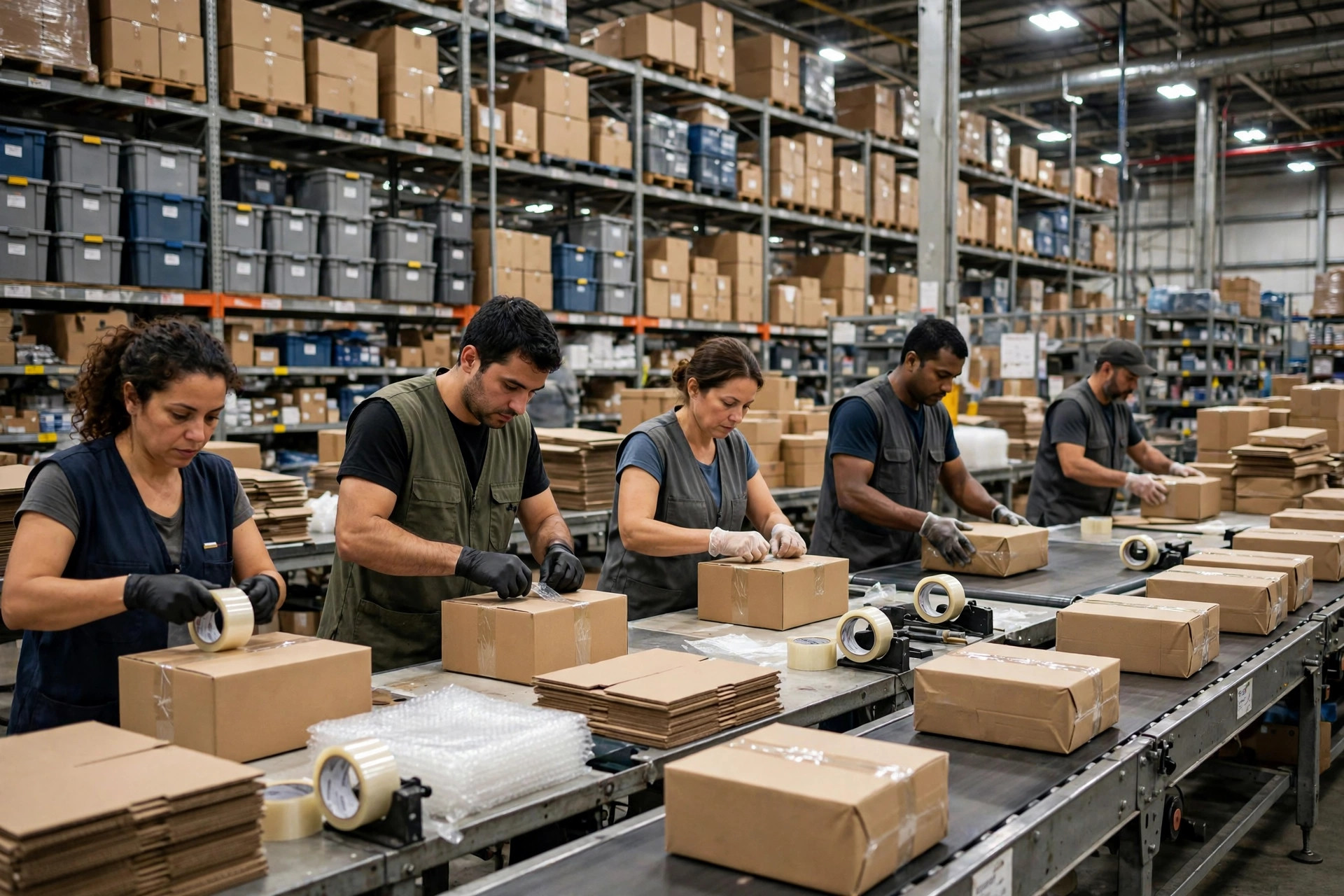
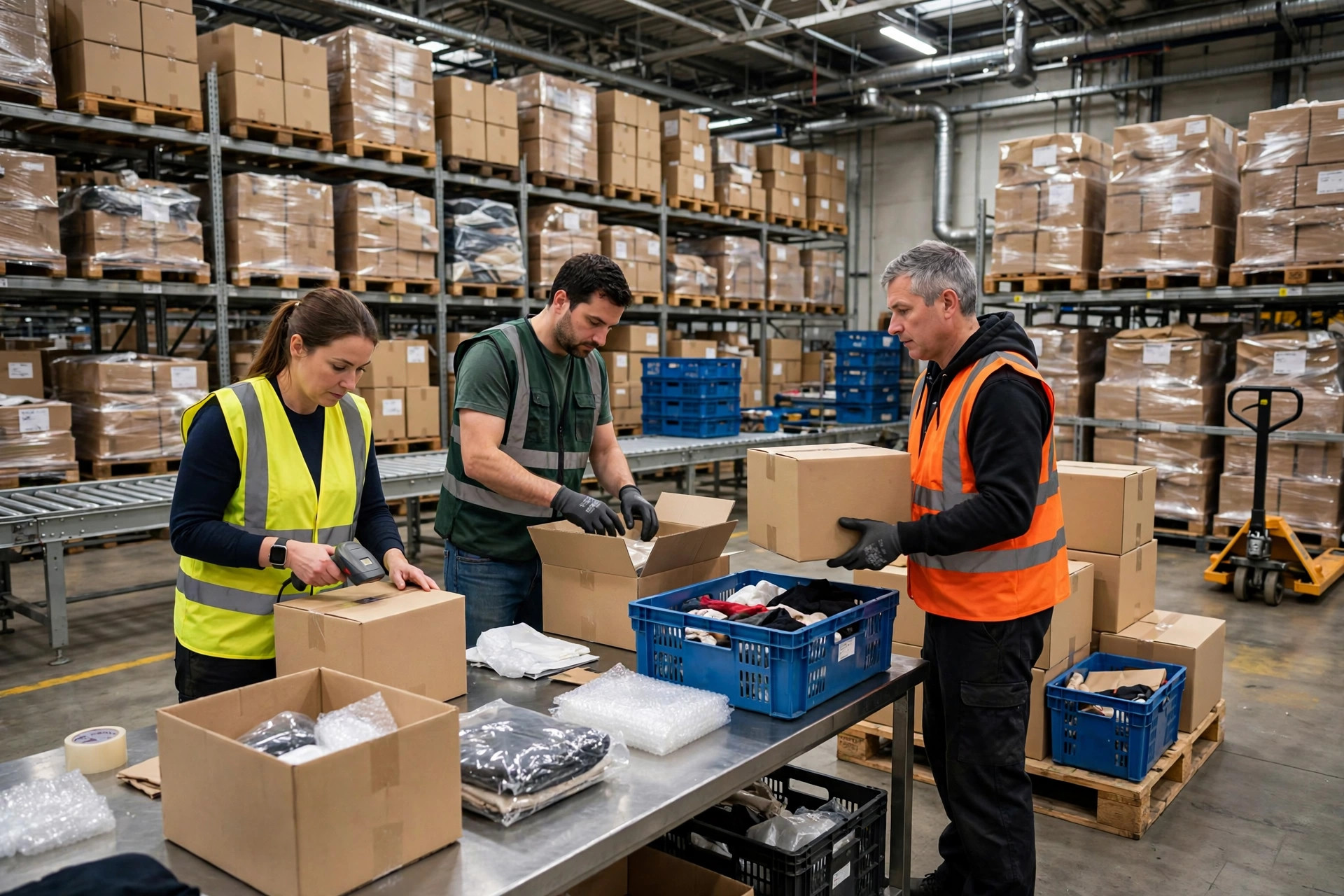
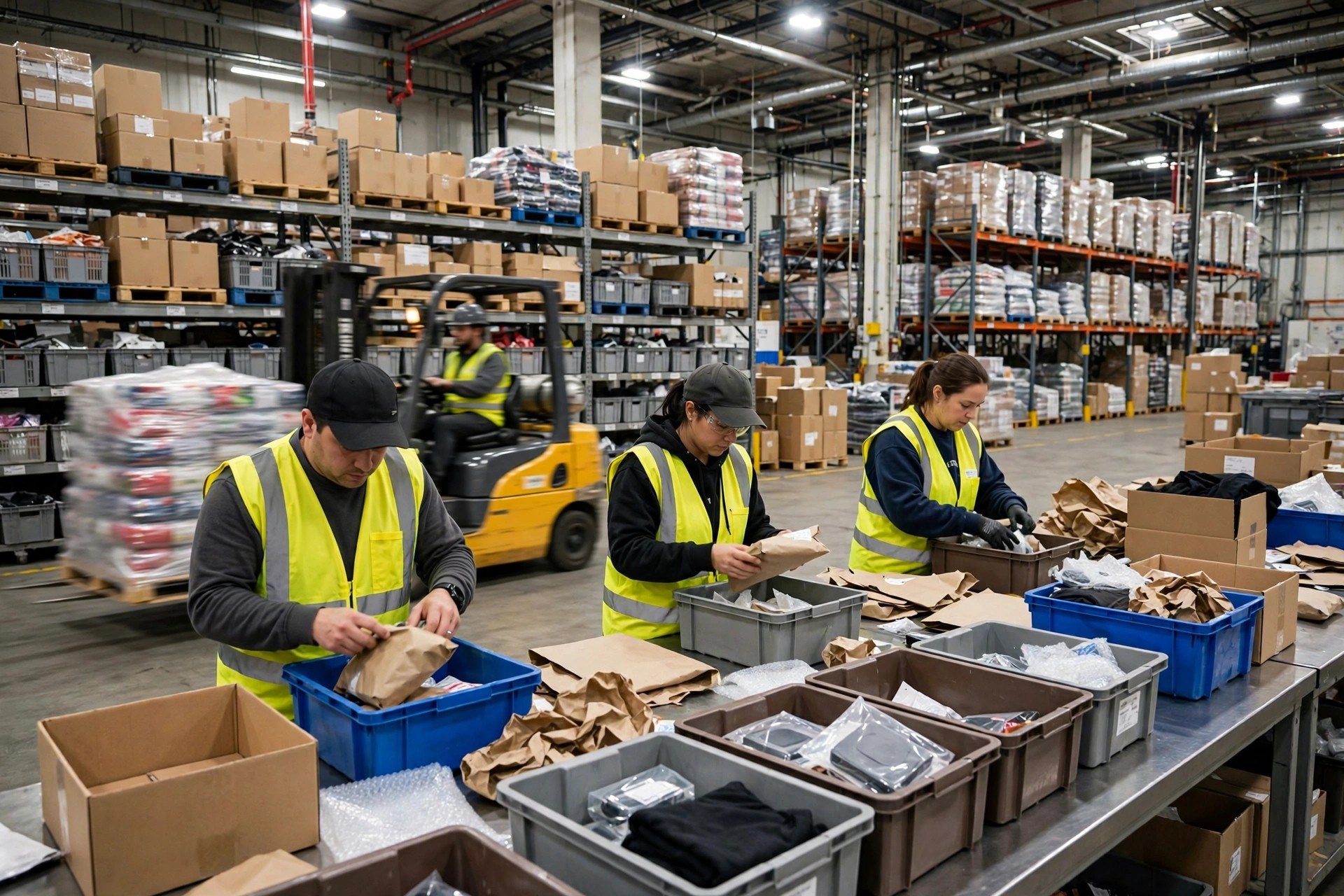
Shelf e-commerce orders are a stream: 500 orders spread across ten hours, and you staff to the daily average. Livestream orders are a pulse. In a two-to-three-hour show, 300 orders can land between minute 40 and minute 90. Picking, checking, and packing all hit peak load at the same time.
A warehouse staffed for the average has two options when the pulse hits: overtime heroics or late shipments. And livestream buyers, who bought while watching a host's face, have far less patience than shelf shoppers. My verdict: for livestream sellers, the metric that matters isn't daily capacity — it's two-hour peak throughput. Get this wrong and everything downstream is damage control.
Sell cross-border and you get a second pulse: time zones. A seller I know in Shenzhen runs shows for a US West Coast audience, which means going live in the small hours of Beijing time. The order pulse lands in the dead of his warehouse's night — so he eventually moved his entire pack shift to 1–5 a.m., built specifically to chew through livestream nights. The pulse doesn't respect your schedule. Your shifts have to sit on top of the pulse.
Staffing has to follow the pulse too. My rule of thumb: staff picking and packing to your busiest show's peak-hour volume, not your daily average. It sounds wasteful, but on quiet non-show days that same crew handles returns processing and slotting cleanup. Nobody sits idle.
The Host's Mouth and the Warehouse's Hands Run on the Same Wire
The most common way a livestream warehouse dies isn't understaffing — it's the host and the warehouse operating on two different planets. The host shouts "last fifty units" on camera while nobody in the back knows where those fifty are staged or how many are left. The host adds a surprise style mid-show, and the warehouse scrambles for stock and cartons while the whole rhythm of the show breaks on that one item.
My rule for livestream sellers: the host and the warehouse lead stay on a live line. Before airtime, the warehouse sends the show's SKU list and the forward-staged quantity per style to the show's group chat. During the show, the host calls out real-time order counts every twenty to thirty minutes — whichever style is blowing up gets replenished from bulk storage immediately, not after sign-off.
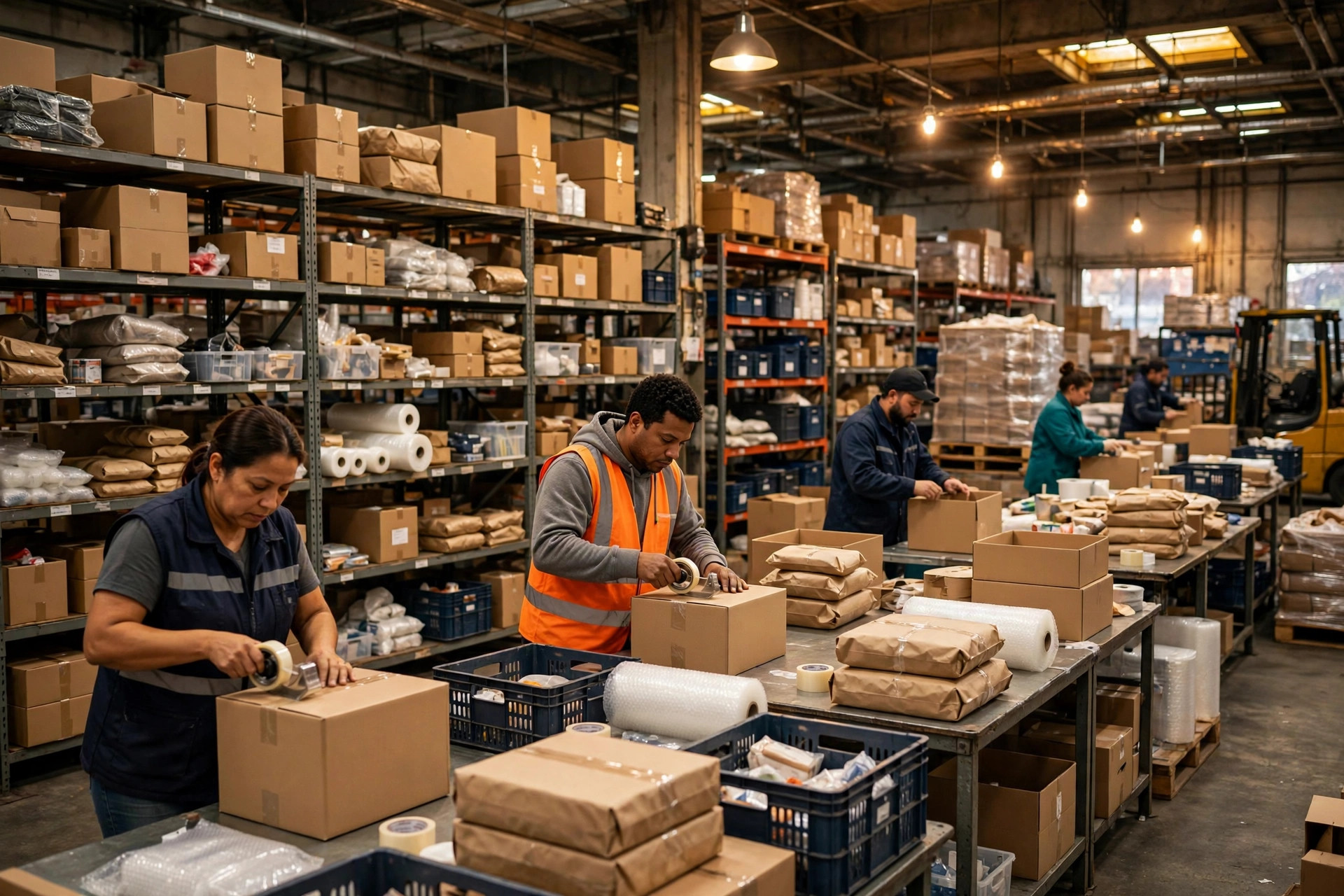
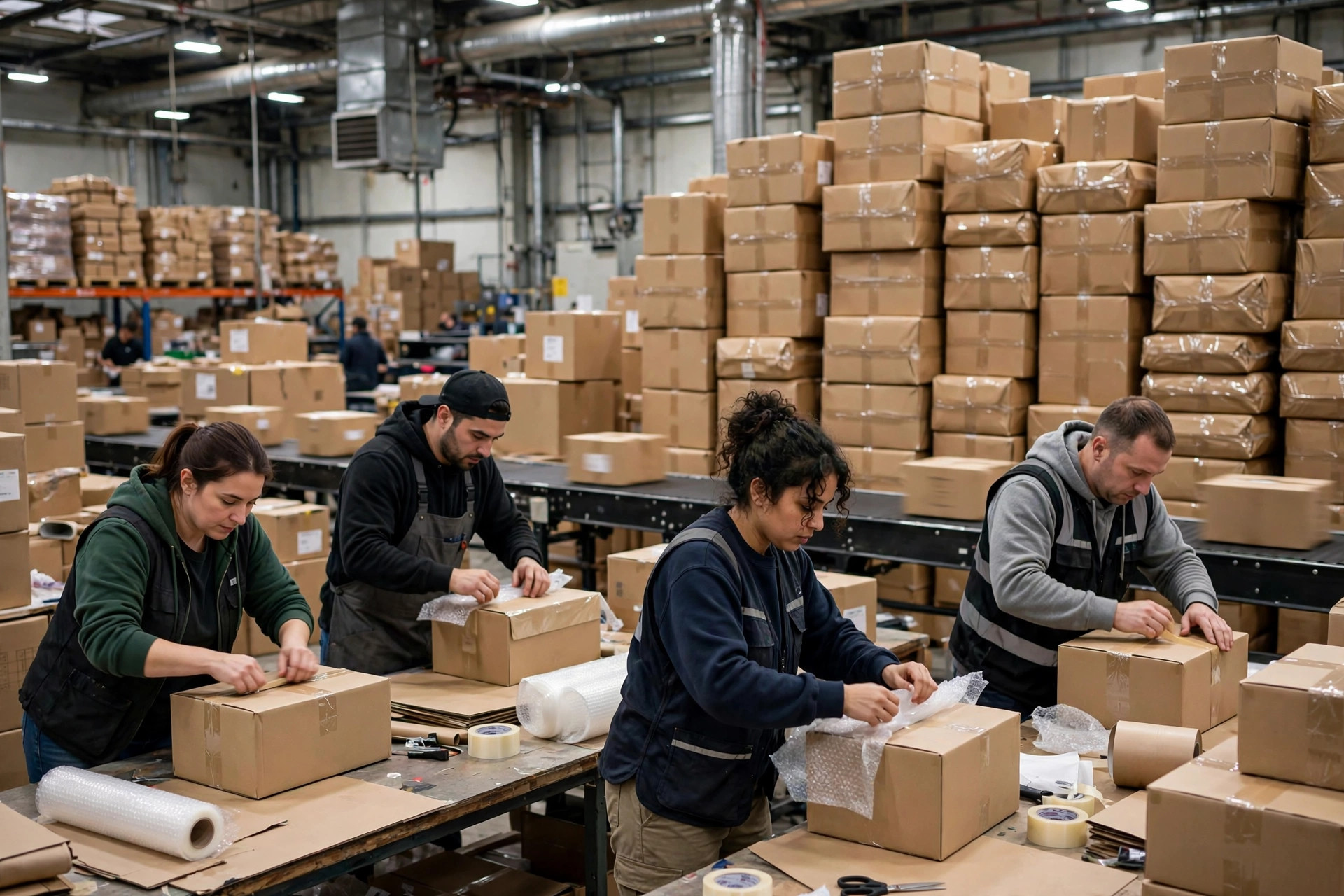
Flash-sale styles get the pre-labeled treatment. If a style is forecast at 200 units, print 200 labels and pre-fold 200 cartons before the show, staged in the hot zone. When orders land, it's pack, label, go. I once visited a women's apparel seller in Yiwu's Beixiazhu livestream quarter running a two-floor setup — studio upstairs, shipping downstairs. The moment the host said "link's up," pre-labeled parcels downstairs were already being sealed. The fastest order that night went from click to outbound in forty minutes.
And one small thing most people dismiss: a backup thermal label printer. During peak the main printer runs nonstop, and if it dies, the entire pre-label rhythm dies with it. On my setup checklist for sellers now, a spare printer and a spare pack station are standard issue — same treatment as the fire extinguisher. Useless until the one day they pay for themselves.
Stock by the Show, Not by the Day
The planning unit for a livestream seller should be one show, not one day. Three rules I give every seller.
Forty-eight hours before airtime, move every style for that show out of bulk storage and into a forward staging area — ideally the rack row closest to the pack stations. Stage 1.2 to 1.5 times your historical per-show average, and when the host says "bring extra of this one," go straight to 1.5x without debating it. Livestream bestsellers are never planned. They're shouted into existence.
Second, mid-show add-ons aren't exceptions; they're the norm. Keep roughly 20 percent of your staging slots and labor as a flex buffer for surprise styles. Without that buffer, every add-on creates chaos and breaks the rhythm of the whole show.
Third, someone in the warehouse watches orders in real time during the show. Which style blew up, which one stocked out — replenishment from bulk storage to the forward area has to happen within 30 minutes. Waiting for the post-show report means the stocked-out style already lost half its sales. There is no "buy it tomorrow" in a livestream. Missed is missed.
Cost the Show Like a Show: Packaging and Carrier Math
There's another ledger hiding in a livestream warehouse, in packaging and freight — and plenty of sellers only discover the missing margin after the show.
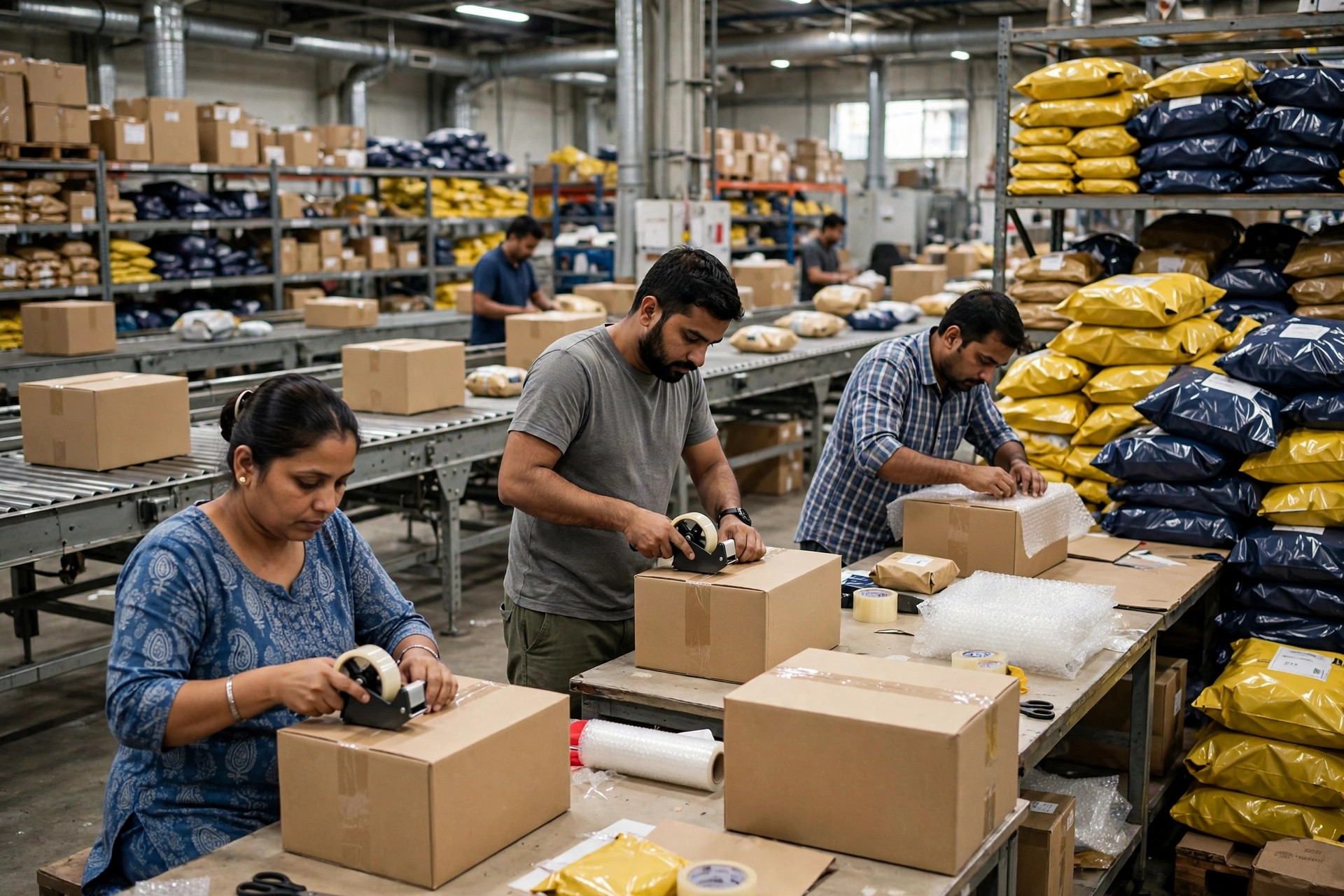
Packaging first. Most livestream items are small — apparel, accessories, cosmetics — and poly mailers beat boxes on cost by a wide margin. But when a surprise style blows up mid-show, the floor default becomes "grab whatever carton is closest," and a tiny accessory ships in an oversized box. Packaging cost doubles, and the carrier may bill dimensional weight on top. My fix: stage mailers and cartons by size before the show, counted against forecast volume, and keep only small-format packaging in the hot zone. Packaging gets staged by the show too — not unpacked mid-broadcast.
Then carriers. Livestream volume looks like an EKG, and the monthly-volume discount a carrier dangles is unreachable in quiet weeks. Two ways out: run two carriers, one primary and one backup, so peak season gives you leverage instead of desperation; or negotiate per-show settlement with a local consolidation point — big single-show volume that settles fast is something small depots will price honestly for. Carrier discount schedules change constantly, so treat the carrier's current rate sheet and your depot contract as the only numbers that count, never last year's.
The cardinal sin is negotiating after the spike. One seller did 800 orders in a night and had to call in extra carrier pickups at spot rates — a couple of dollars extra per parcel, which turned into a few thousand dollars of tuition. Negotiate before the show blows up, never after.
Ship Late Once, and You'll Pay for Weeks
Livestream platforms grade sellers on ship speed, and missing the window costs you — throttled traffic at best, account restrictions at worst. The exact thresholds change often, so treat the platform's current seller policy as the only source of truth and ignore anything you merely "heard."
My operating standard is stricter than any platform's: every order from a show ships within 24 hours of sign-off. That takes three things done in advance: shipping labels printed ahead of time (print 10 percent more than forecast), bestsellers partially pre-packed so they just need a label after the show, and pack stations staffed for peak rather than average.
The Returns Station Is a Profit Center, Not a Cost Center
Here's the line item most sellers never budget: returns. Impulse buying drives livestream sales, which means return rates run visibly higher than shelf e-commerce. Returns can't pile up in a corner waiting for a slow day.
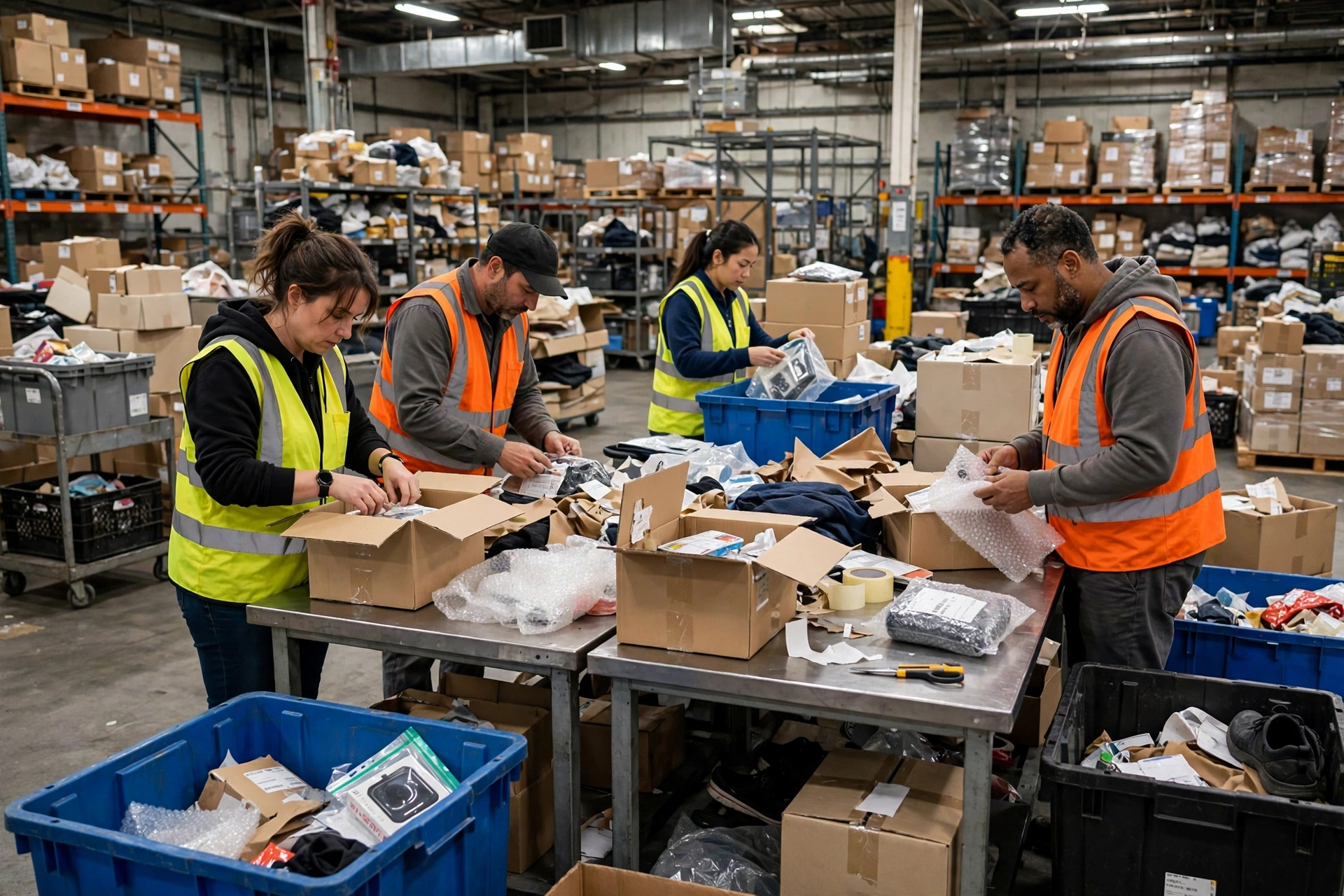
Carve out a dedicated returns station with a fixed inspect-and-relist flow, and put it as close to the forward staging area as possible — returns shouldn't take a tour of your warehouse. Good-condition returns back to sellable within 48 hours is how you turn a return rate into repeat purchases. Every day a resalable unit sits in a returns pile is a day it can't sell in the next show.
On the self-ship versus managed-fulfillment question, my take is blunt: if you're early and volume is lumpy, self-ship first and get the "stage by show, ship in 24 hours" machine running reliably. Once per-show GMV stabilizes, then consider pushing inventory forward into platform warehouses. Reverse the order, and whatever you save on freight comes back as late penalties and throttled traffic.
Before your next show, run a peak drill: stage 1.5 times your biggest night, staff for the spike, and time the full outbound flow with a stopwatch. If the drill feels chaotic, imagine doing it live in front of two thousand people asking where their orders are.