Conclusion first: warehouse supplier delivery appointment scheduling is not about picking a time. It is about cutting your receiving capacity into bookable slots and matching every truck to a slot. Without a slot table and hard rules, scheduling collapses into trucks queuing at the gate, receivers working overtime, and suppliers complaining. I have run the method below in three warehouses. Copy it as written.
Why Warehouse Supplier Delivery Appointment Scheduling Keeps Breaking Down
Here is how scheduling works in many warehouses: a supplier calls, and the receiving supervisor says, "Come tomorrow morning," based on gut feeling. Ten o'clock arrives and five trucks show up at once. There are two dock doors and three unloaders. Trucks wait two hours at the gate, drivers complain, receivers scramble, and paperwork gets mixed up. I have seen this exact failure three times, and the root cause is always the same: the appointment booked a date but not a time slot, a dock door, or unloading labor.
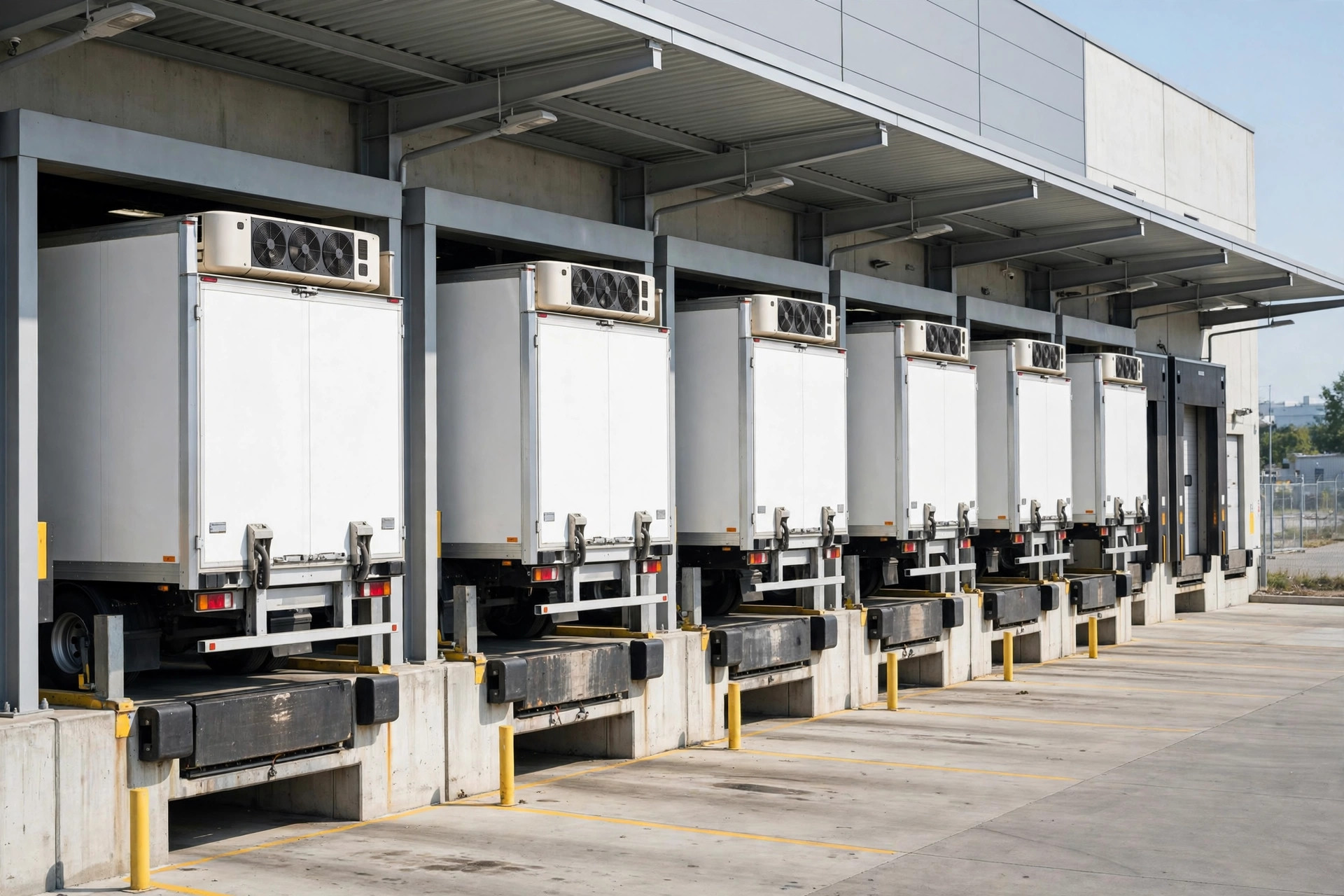
Real warehouse supplier delivery appointment scheduling has three constraints: dock doors, unloading labor, and inspection capacity. If any one of them is full, a truck that arrives on time still cannot unload. So the appointment table cannot be a calendar. It has to be a resource table. Behind every slot you need to state how many trucks it takes, which vehicle types, whether inspection is required, and which team owns it. When a slot fills up, the system should close it automatically instead of leaving a human to block it.
There is also a common misconception worth killing: that looser scheduling makes suppliers happier. It does the opposite. Telling a supplier "come any time today" dumps the queuing cost on your own dock. The more specific the window, the easier it is for the supplier to plan their fleet and drivers, and the fewer complaints you get. That is the counterintuitive judgment at the heart of this article: scheduling does not burden suppliers. It saves them the hours they would otherwise spend waiting at your gate.
Warehouse Supplier Delivery Appointment Scheduling in Four Steps
Step one: measure your real receiving capacity. Take the last four weeks of data and work out how many trucks each unloading team clears per hour. Split it by vehicle type, because a full pallet truck and a loose-carton delivery run at completely different paces. Then cut each day into slots, two hours each is a good starting point, and attach a truck limit to every slot. Hold back about twenty percent of capacity for late trucks and exceptions.
Step two: write the rules down and send them to every supplier. Rules have to be specific enough to execute: how far ahead to book, how late counts as a no-show, how to rebook after a no-show, which loads must carry an ASN, and whether a truck with incomplete paperwork can unload. Every rule needs a stated consequence, or it is decoration. One example: a truck more than one hour late loses its slot and rebooks into the next open slot. Enforce that once, and late arrivals drop fast, because suppliers start planning their drive time properly.
Step three: build one appointment table everyone can read. The supplier picks a slot online and gets a confirmation on the spot: date, slot, dock door number, contact person, and the paperwork to bring. The receiving team plans the shift from that table each morning and knows an hour ahead which team takes which trucks. Statuses update in real time: booked, arrived, unloading, complete. One glance tells you the whole day.
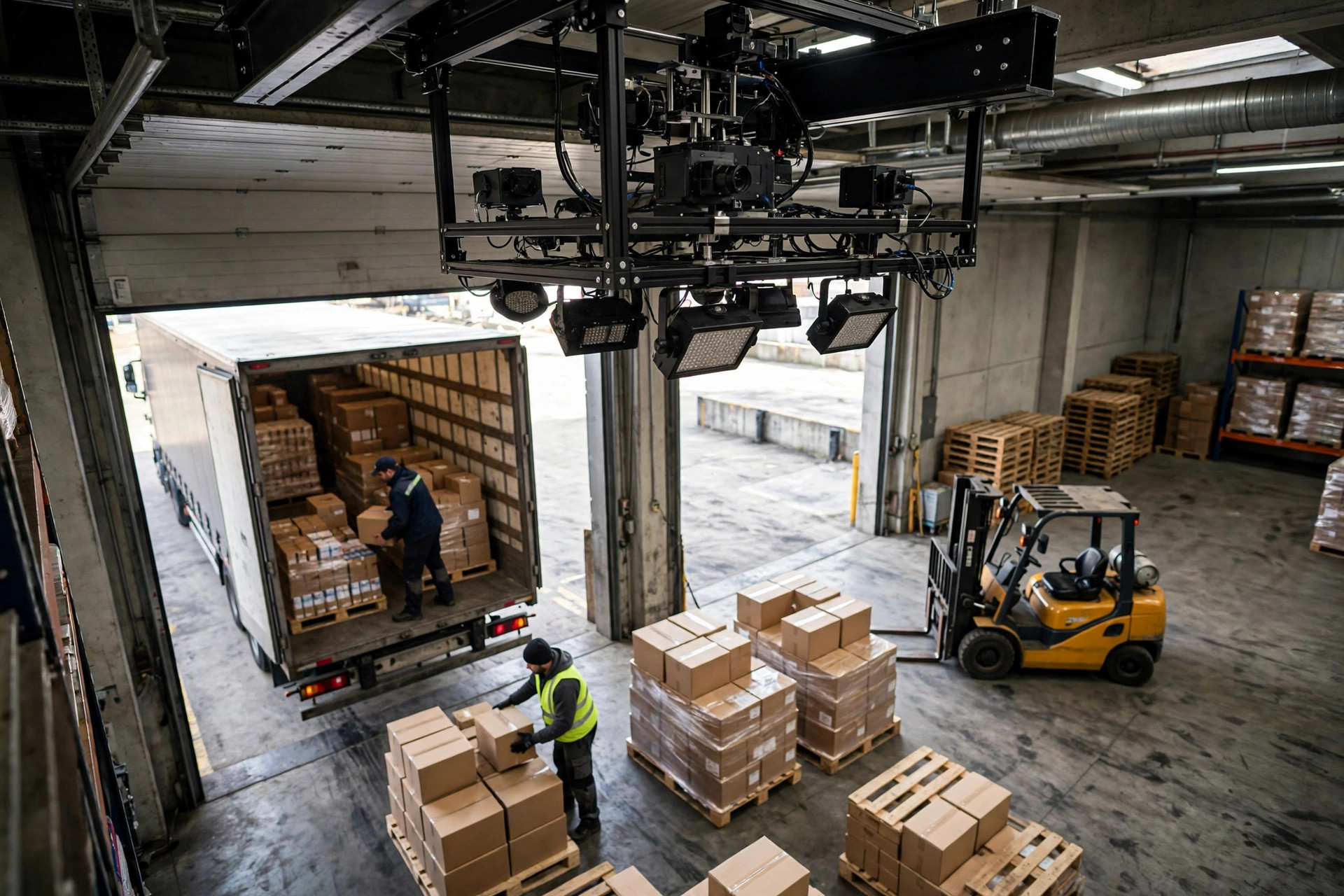
Step four: close the loop at the dock. When a truck arrives, check the appointment number first, then the paperwork, and only then unload. Sign off on the spot when unloading finishes, and record exceptions immediately: how many units damaged, how many short, what paperwork is missing. Write all of it back to the appointment record, so the next time that supplier books, you can see their track record at a glance. Scheduling without this loop is scheduling in name only.
| Slot type | Best for | How to set the truck limit | When things go wrong |
|---|---|---|---|
| Fixed slot | Regular replenishment, full pallet trucks | Base it on team pace, hold back twenty percent | More than one hour late means rebooking |
| Flexible slot | Small mixed lots, short-dated promotional stock | One flexible window in the morning, one in the afternoon | When full, suppliers wait for notice, never squeezed in |
| Green lane | Fresh food, cold chain, urgent stock-outs | Reserve one dock door, kept out of the regular pool | Requires advance notice; same-day additions need a supervisor sign-off |
One more point that gets overlooked: once the table is running, review it monthly against three numbers: on-time arrival rate, slot utilization, and exception rate. If on-time arrivals are low, check whether the slots are sized wrong. If utilization is low, you overestimated capacity and can tighten the slots. If exceptions cluster around a few suppliers, talk to those suppliers directly. An appointment table is not a one-time project. Tune it monthly, and after three months it will fit your real pace.
Three Failures I Have Seen Up Close
The first project was a food distribution warehouse in eastern China. Before go-live, suppliers booked through a chat group, and the supervisor replied "you can come" to each message. In the first peak week, nine trucks arrived one morning for four dock doors, and the queue backed up onto the public road until the traffic police showed up. We switched to a slot table that same night, capped daily volume from the next day, and the gate never jammed again. The lesson is one line: an appointment system without a cap is not an appointment system.
The second project is more interesting. A consumer goods warehouse had a beautiful appointment table, but nobody at the dock checked appointment numbers, so drivers unloaded on arrival. Supplier A's goods went to supplier B's door, paperwork got mixed, and a stock count came up two pallets short. It took a week to reconcile. Since then I have held two iron rules: no appointment number, no unloading; paperwork mismatch, no unloading. They look rigid. The arguments they prevent are worth far more than the friction they cost.
The third failure is the opposite trap. One warehouse cut its slots too fine, thirty minutes each, and suppliers could not find a workable time, so they stopped booking and just showed up. The booking rate fell to about thirty percent, and the dock was messier than before scheduling existed. Slot size has to follow your unloading pace: if one truck takes two hours to unload, do not cut thirty-minute slots. The tool serves the floor, not the spreadsheet.
Go-Live Night Checklist: Is Your Scheduling Ready to Run
On go-live night, do not celebrate early. Work through this checklist item by item: is the slot table built from real unloading pace; have suppliers received the rules on lateness, no-shows, and rebooking; does the confirmation carry the date, slot, dock door number, and paperwork list; is someone named to check appointment numbers at the dock; is someone responsible for writing exceptions back to the appointment record. All five checked, you can go live. One missing, and it will blow up in your busiest week.
One last test for whether your warehouse supplier delivery appointment scheduling works: in the morning, can the receiving supervisor look at today's table and staff the whole day's labor and doors in one pass, without a single coordination call? If yes, the system works. If no, go back to the slot table and the rules. The problem is always in one of those two places.
By Lin Xiao, WMS Implementation Consultant