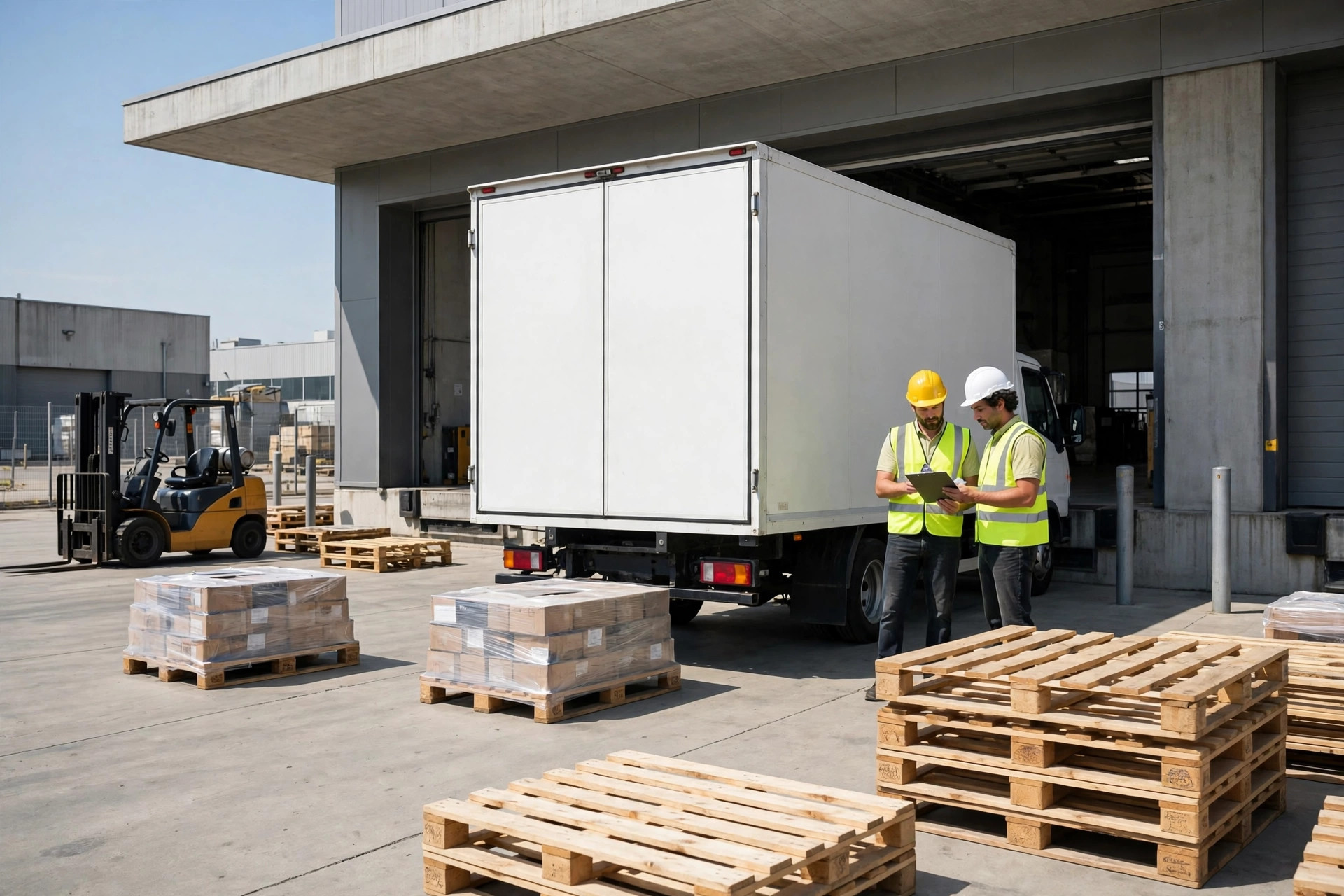
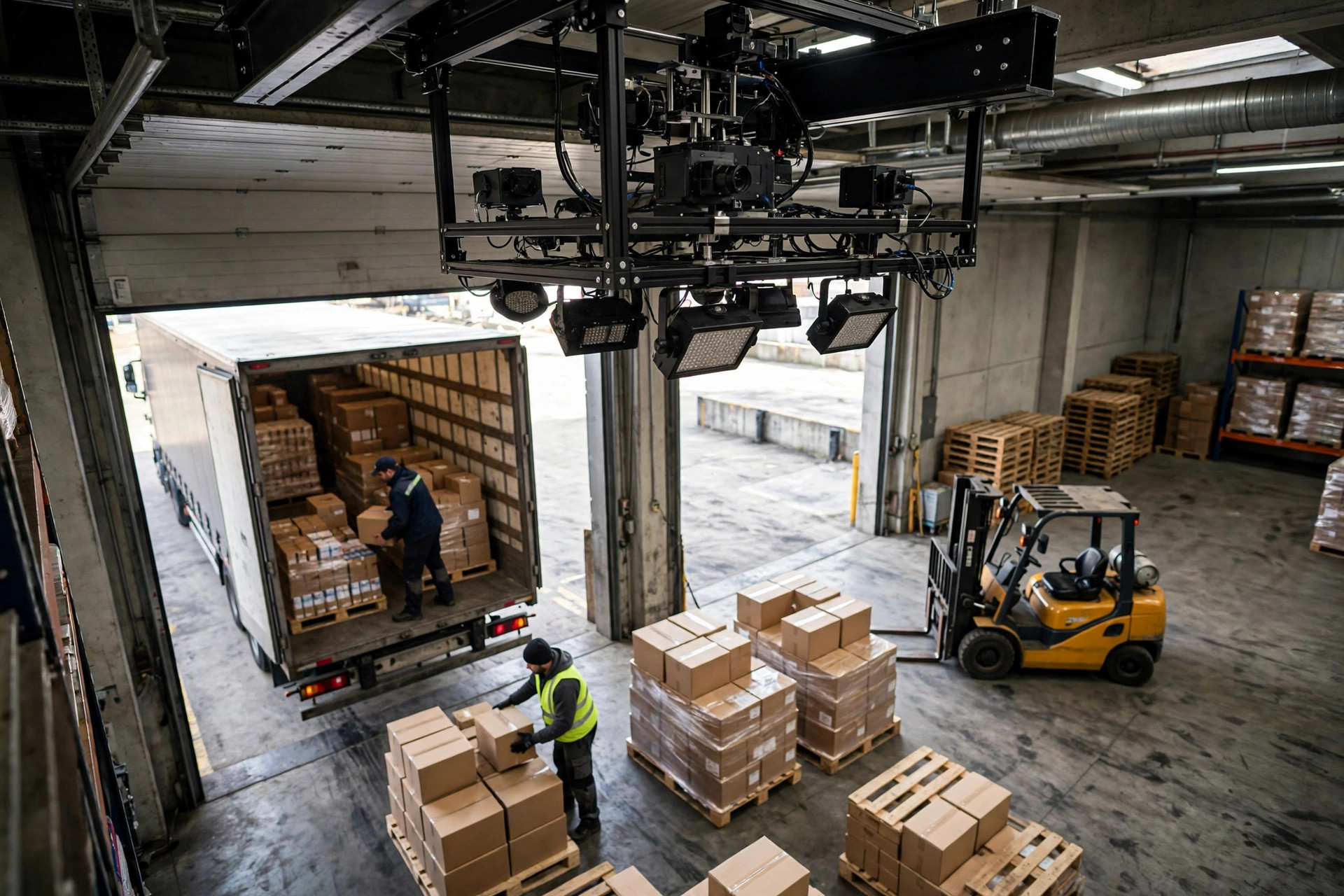
We run a small warehouse, and we cannot afford to learn an expensive lesson twice. So when it comes to oversized receiving, I do the math before the truck ever shows up. Not finance math. Four much simpler numbers: the size of the item, the height of the door, what the floor and the forklift can carry, and whether we actually have a slot for it. If any one of those numbers is wrong, the freight ends up baking in the sun outside our dock while the forklift goes back and forth and everybody pretends this is normal. It is not normal. It is just expensive.
We learned that the hard way a couple of autumns ago. A shipment was described to us, over the phone, as simply "big." Nobody mentioned the length. When the truck arrived, the load was longer than our dock door approach could handle, and it could not make the turn into receiving. We ended up breaking the shipment down under the canopy and moving it in two smaller trips. It took most of the day. I stood there watching the rain and thinking about how much labor we had just burned for no good reason. After that day, we made a rule that still stands: no measurement, no appointment.
Oversized Receiving Starts Before the Truck Arrives
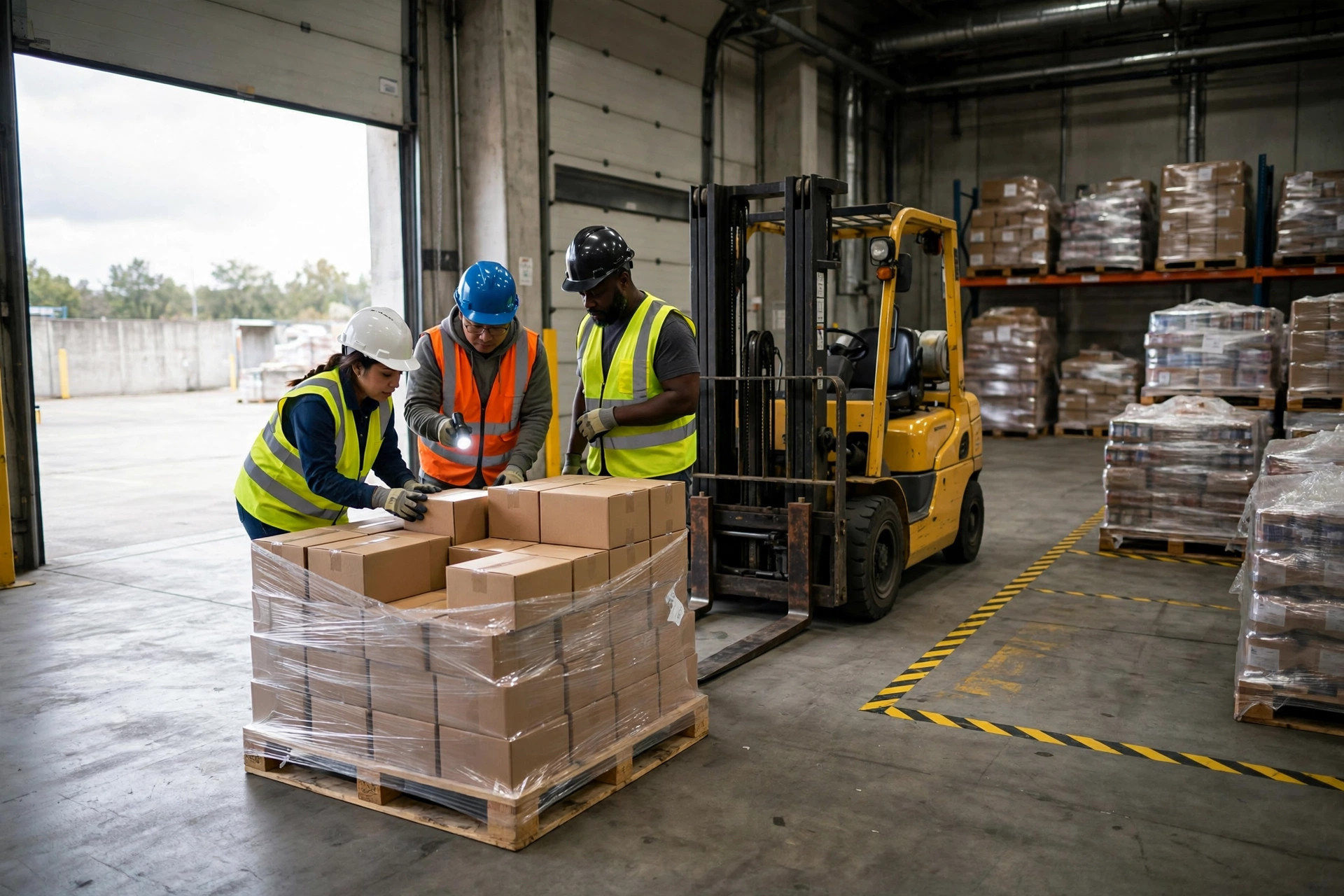
These days our process is embarrassingly low-tech, and I am proud of it. Before we accept an oversized load, the customer sends us three things: length, width, and height, plus the weight and how it is packed. If anything is missing, we chase it. We will call until the other person is slightly annoyed with us. Getting the numbers is only half the job, though. We then walk the route ourselves: can this thing come in flat, can it stand up, and can it make the turn past the column in our receiving area?
One summer shipment made the point perfectly. A customer sent us pipes close to four meters long. The weight was fine. The length was the problem. We measured the path from the dock door to receiving and found that the turning radius around one column was too tight. Forcing it would have scraped the freight and the column. So we changed the entry point, brought the load in through the other dock, and pushed it straight into receiving. Unloading took about ten minutes. The customer later told us another warehouse had spent a whole morning on the same kind of load.
We also tape lines on the receiving floor. They mark common oversized lengths, so when a load arrives, we can hold it against the tape and know roughly what we are dealing with. Nobody has to memorize numbers. The crew can see at a glance whether to call the forklift or a hand cart. The big operations have scanning systems that measure freight automatically. We do not, and we are not going to pretend otherwise. Tape and a tape measure cost almost nothing, and in our hands they fail less often than you'd think.
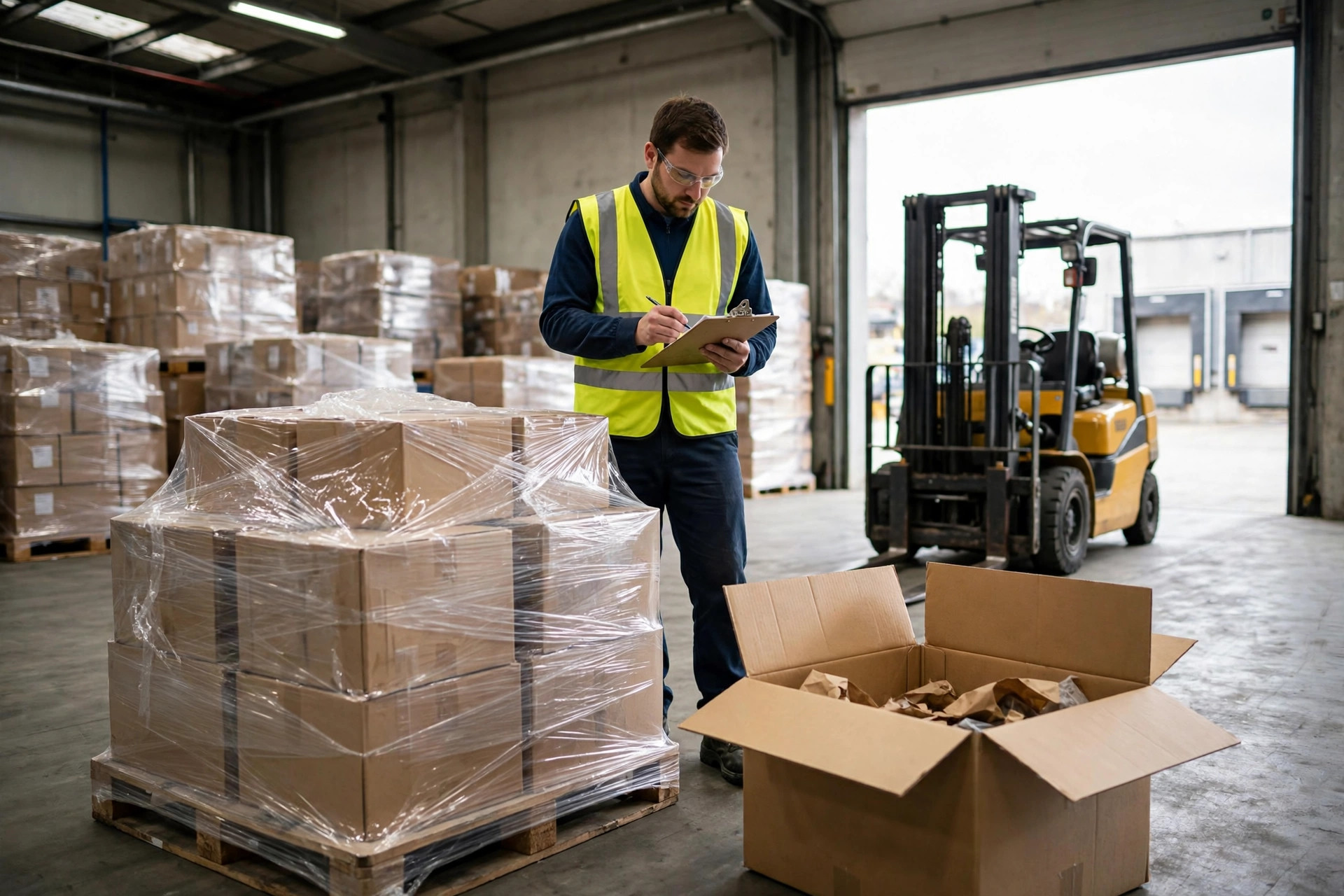
Then there is our receiving ledger, which is literally a hardcover notebook. Every oversized load gets one line: date, customer, dimensions, weight, which door it came through, which forklift we used, and whether anything got stuck. Writing it down takes a few minutes. The payoff comes later. One customer sent us similar-sized loads four times in a year. The first two were chaotic. The last two went smoothly because we just opened the notebook and repeated what had worked. New hires read the notebook before they touch an oversized load, which saves our experienced crew from explaining the same thing for the tenth time.
Door Height, Weight Capacity, and the Receiving Checklist
The real danger with oversized freight is not that it is big. It is that it looks like it will fit, right up until it does not. Door height, weight capacity, and floor strength are the three traps, so we turned them into a checklist on the wall of the receiving office. Nothing gets a truck appointment until every box is ticked.
| Check | How we verify it | If it fails |
|---|---|---|
| Door and aisle clearance | Measure the door and the lowest point along the route, leaving room for forklift lift height | Use another dock, change the entry direction, or break the load down |
| Floor and forklift capacity | Compare the load weight with the forklift rating, with a safety margin | Bring in a larger forklift, or split the weight across pallets |
| Slot size and rack capacity | Measure the slot and check the rack beam rating | Use a floor slot, or split the load across two pallets |
That checklist has saved us more than once. One load looked modest but weighed close to the limit of our everyday forklift. The checklist caught it, and we borrowed a larger forklift from the warehouse next door. The job took half a day instead of turning into an accident. Another time, a rack beam looked sturdy but was not rated for that load, so we put the freight in a floor slot instead. It took up more space, but I slept fine that night.
Here is the counterintuitive part: with oversized freight, empty space is not waste. Cramming a load into a tight slot feels efficient until you try to get it back out, count it, or make room for the next shipment. Leaving working space around the load looks wasteful on paper, but it saves rework, damage, and the awkward phone call where you explain why a shipment is stuck. For a small warehouse, that trade is easy. We would rather have a slot that looks a little empty than a load wedged halfway down an aisle.
Oversized Putaway: Leave Room to Get It Back Out
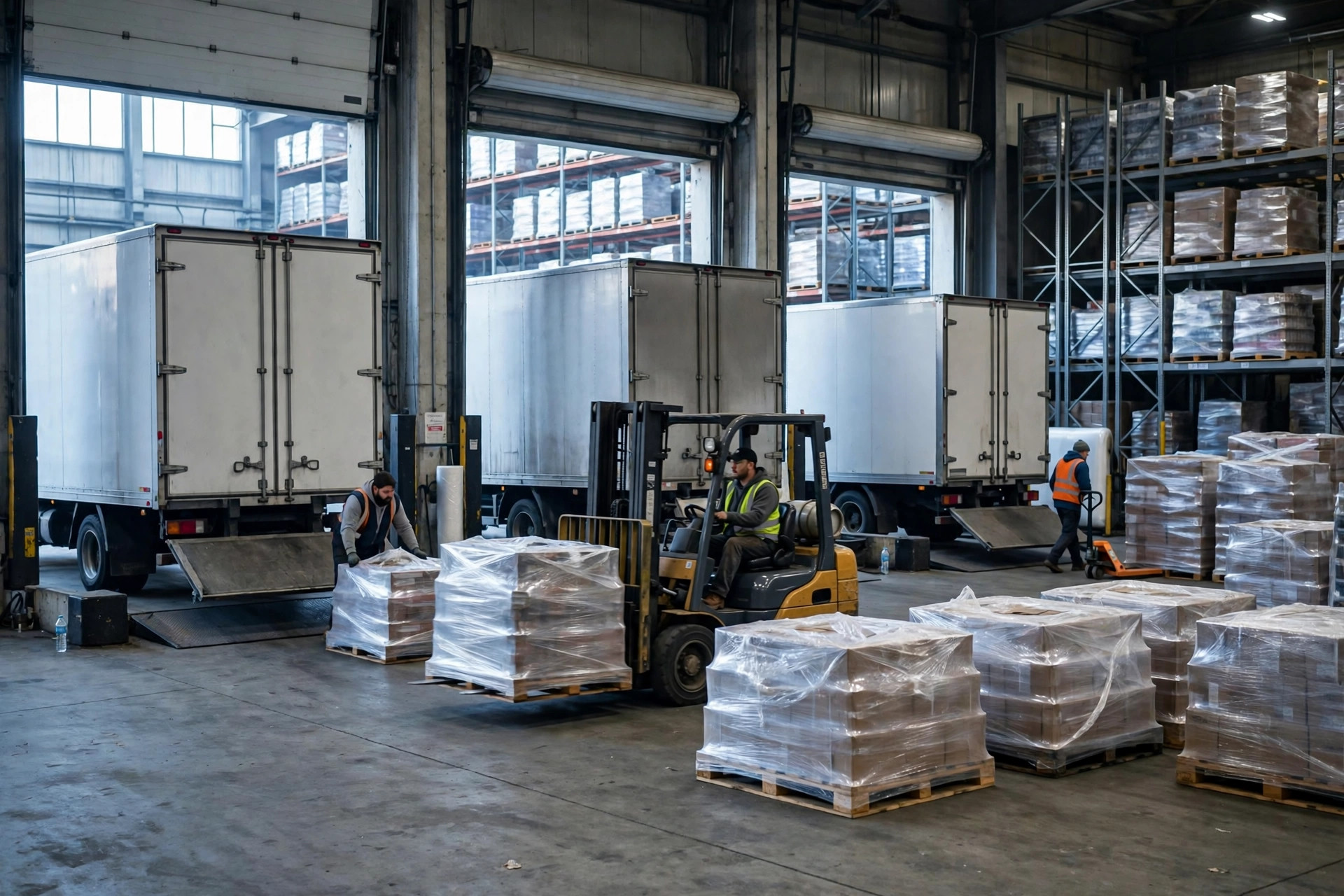
Before we move an oversized load, we settle its route home: which aisle it travels, how many turns it makes, and whether two people need to guide it. If the route is not settled, the load stays in receiving. A few days sitting in receiving is harmless. A load blocking an aisle stops the whole warehouse from working around it.
We also photograph every oversized putaway on the day it happens: one wide shot, one of the label, and one of the slot number. The photos live in dated folders on a phone, and finding a load from a photo is faster than digging through paperwork. The big warehouses have digital slot maps. We have photos and slot numbers, and honestly, the gap is smaller than people assume. When a customer asks where their freight is, we can answer in about three minutes.
Do the math on a bad receiving day and the case for prevention writes itself. A truck stuck at the door for most of a day, a crew moving freight twice, a forklift making extra trips, maybe a damaged carton: add it up and you have spent enough to buy tape measures and notebooks for years. Measuring first costs a few phone calls and half an hour of checking. Small warehouses cannot absorb many expensive surprises, so we would rather sound fussy when booking the appointment than look helpless at the dock.
We learned the same lesson on the outbound side. Years ago we squeezed an oversized load into a slot that fit it exactly, and we felt very clever about our utilization. On pickup day, the forklift could not turn in the aisle to pull it out, and we had to move the neighboring freight first. Since then, our rule is simple: fitting in is not the same as getting out. A slot that barely fits is a slot that will cost you later. One lesson like that is enough.
So here is my advice to other small warehouses: ask for dimensions and weight before you book the truck, and do not book it if the numbers are missing. Turn door height, capacity, and slot size into a checklist and keep it where everyone can see it. Leave working room when you put freight away. Photograph the load and the slot so nobody has to argue about it later. The big-company playbook is not ours, and it does not need to be. Do these unglamorous things well, and oversized freight stops being a crisis. It becomes just a slightly bigger job.
Small warehouses have their own way of making it work.
By Xiao Ma, Small Warehouse Owner