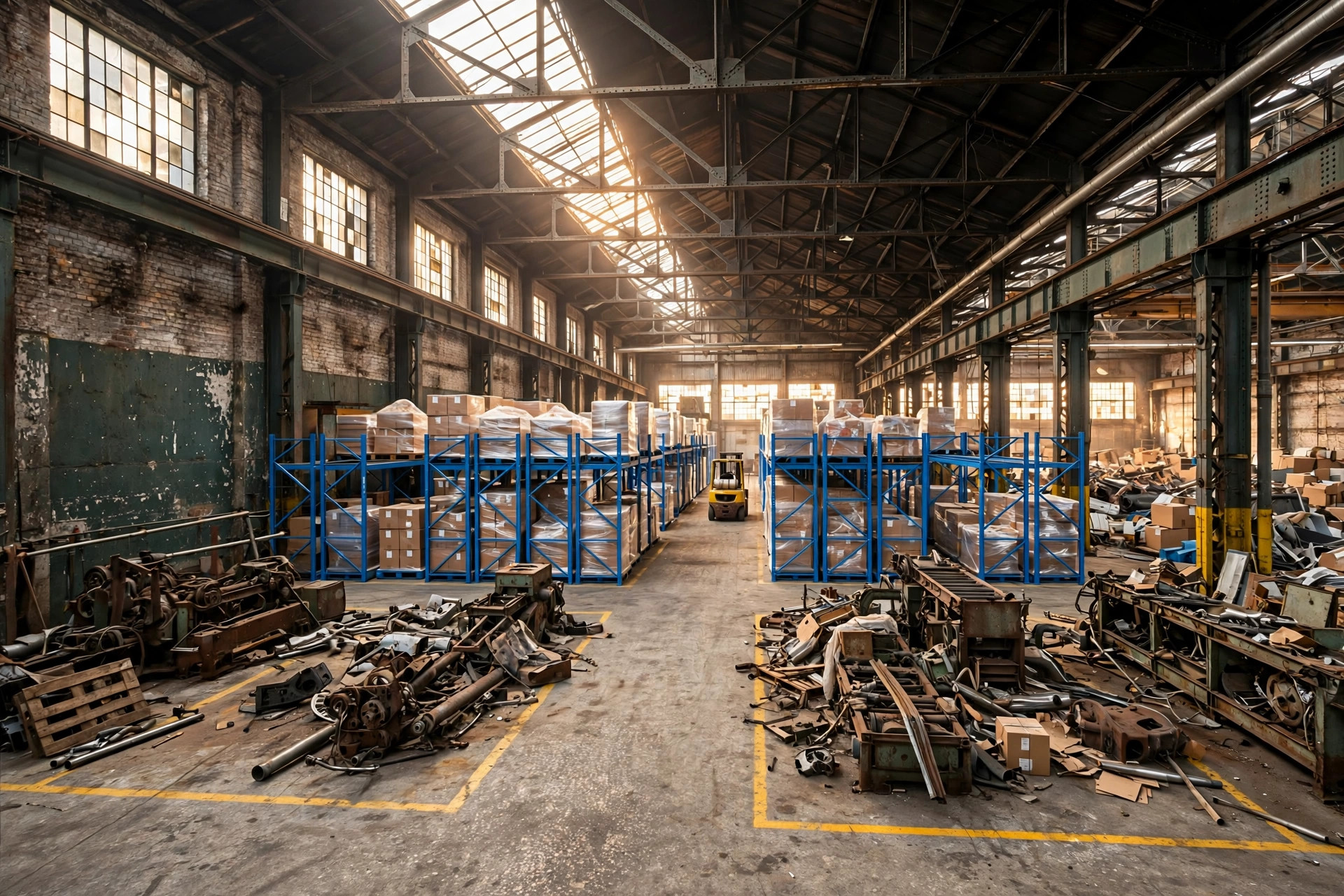
Last year I did a pre-inspection walkthrough for a 3PL warehouse in Rialto — 120,000 square feet, brand-new sprinkler system, everything supposedly ready. The fire marshal was on site for twenty minutes before he shook his head: failed. Two months of rework and close to $90,000 later, they finally passed. The cause? After handover, the operations team had added two levels to the racking. Nobody told the fire protection engineer.
I've seen this movie more than once. When a sprinkler acceptance inspection fails, it's rarely bad workmanship. Nine times out of ten it's "the building doesn't match the drawings anymore." Blind spots look fine on paper. Then real operations move in and everything changes.
Where blind spots love to hide
The items marshals flag most often — I could recite them in my sleep.
The first is storage stacked right under sprinkler heads. NFPA 13 is strict on this: standard spray sprinklers need at least 18 inches (about 45 cm) of clear space below the deflector so the spray pattern can develop. Operations gets busy, top-level pallets get stacked higher and higher, and boxes end up sitting right under the heads. The marshal pulls out a tape measure and writes it up on the spot. The worst one I ever saw had a pallet load that physically shoved a sprinkler head sideways — tilted nearly 30 degrees. That head had to be replaced outright.
The second is storage height exceeding the design value. A lot of warehouses run ESFR — early suppression, fast response — sprinklers that knock a fire down with sheer water volume from above. Each ESFR system is only rated for a maximum protection height. Say the design assumed 35 feet of storage under a 40-foot ceiling. Then someone adds two rack levels and storage creeps to 38 feet. The entire system's protection rating is void. This isn't fixed by adding a few more heads — the hydraulic calculations change from top to bottom, and the whole thing has to be recalculated and resubmitted.
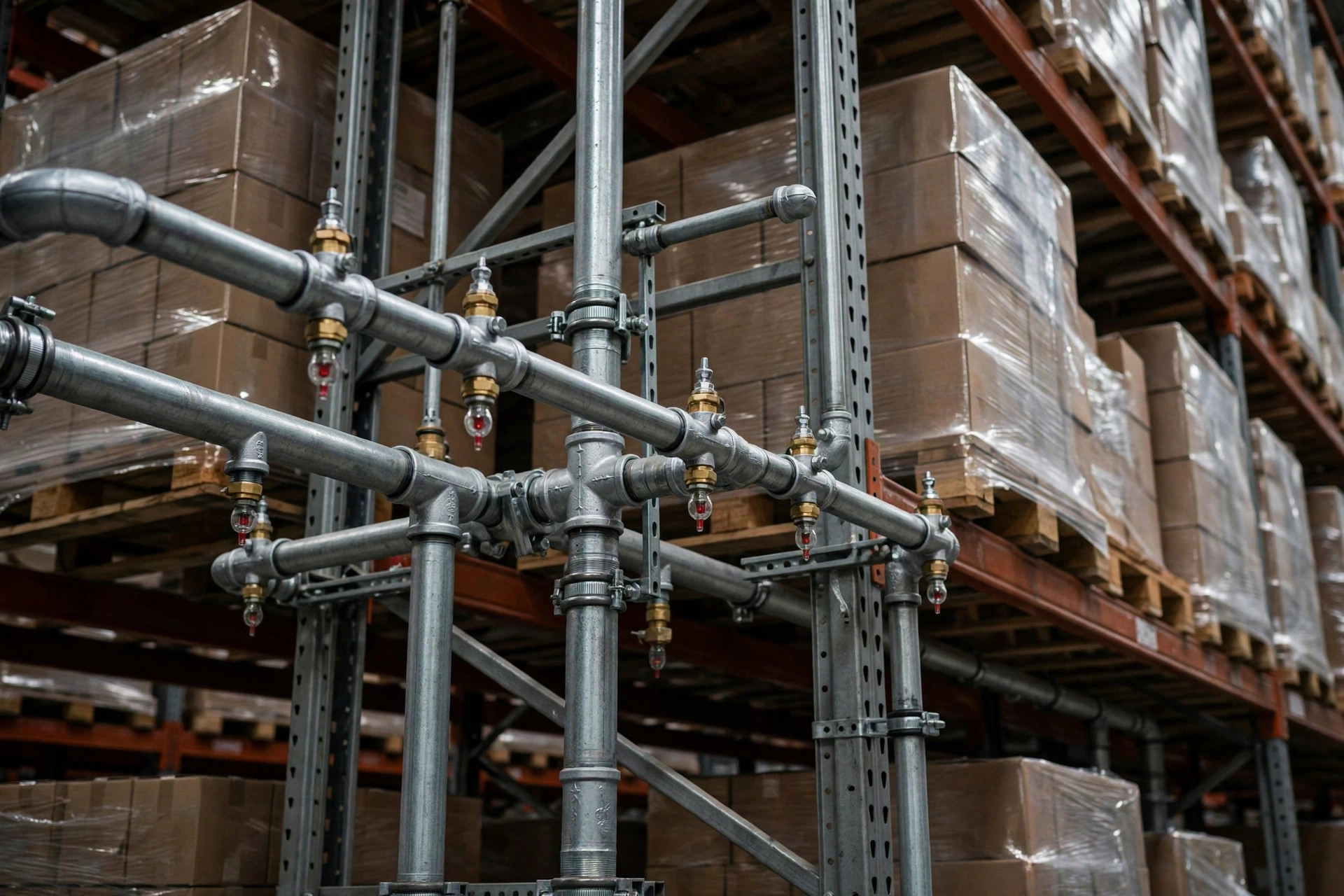
The third is missing in-rack sprinklers in single-row racks and narrow aisles. With double-row back-to-back racking, fire gets trapped between the rows where ceiling sprinklers can't reach, so the design calls for in-rack sprinklers at specific levels. At inspection, the marshal counts: how many groups on the drawings, how many in the field. Not one can be missing. The classic operations mistake is splitting double rows into two single rows, or pushing rows together — change the rack layout and every in-rack sprinkler position is suddenly wrong.
The fourth is stuff added later that blocks the sprinklers. New ventilation ducts, light fixtures, camera mounts, even a temporary dust curtain hung for a project — all of them create obstructions below the heads. NFPA 13 has explicit clearance rules for obstructions, and marshals are sharp on this one, because a blocked sprinkler means that whole zone is effectively unprotected when fire breaks out.
And there's one most people never think of: the commodity changed. The system was designed for ordinary boxed goods, then the customer mix shifted to products with plastic packaging or plastic pallets. The fire hazard classification jumps a full tier and the original sprinkler design is no longer adequate. For a 3PL that swaps customers regularly, this is the easiest trap to walk into — and the easiest to miss, because the racks and sprinklers look untouched.

What's on the marshal's clipboard
The marshal walks in, checks the drawings first, then checks the building. The two have to agree. His mental checklist boils down to a handful of items.
First, as-built drawings versus reality: rack layout, ceiling height, storage height, sprinkler model and spacing. One mismatch and you're written up. Plenty of warehouses rearrange racking after handover and never update the fire protection drawings — that's where most failures start.
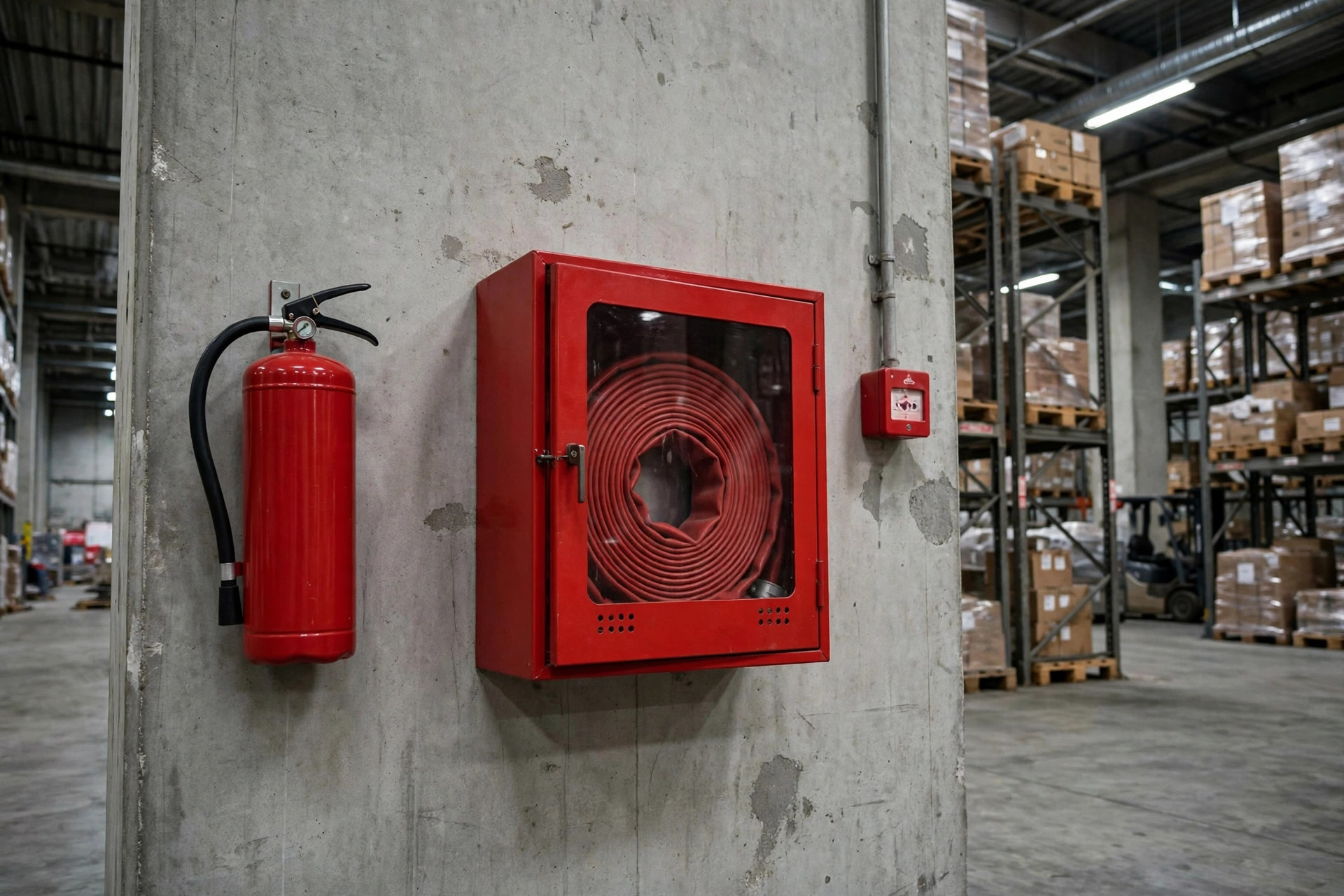
Then the test records. The hydrostatic test — 200 psi held for 2 hours — has to be documented. Missing that piece of paper and the inspection stops right there. The alarm valve assembly needs a live test: waterflow indicators and pressure switches have to trip the alarm. The backflow preventer needs its forward-flow test. Do these with someone watching, and don't discover on inspection day that the alarm panel never got the signal.
Then the sprinklers themselves: model, temperature rating, and K-factor matching the drawings. ESFR heads can't be painted, can't be obstructed, and the deflector has to face the right way. In-rack sprinklers get checked for position, count, and whether the required guards are installed.
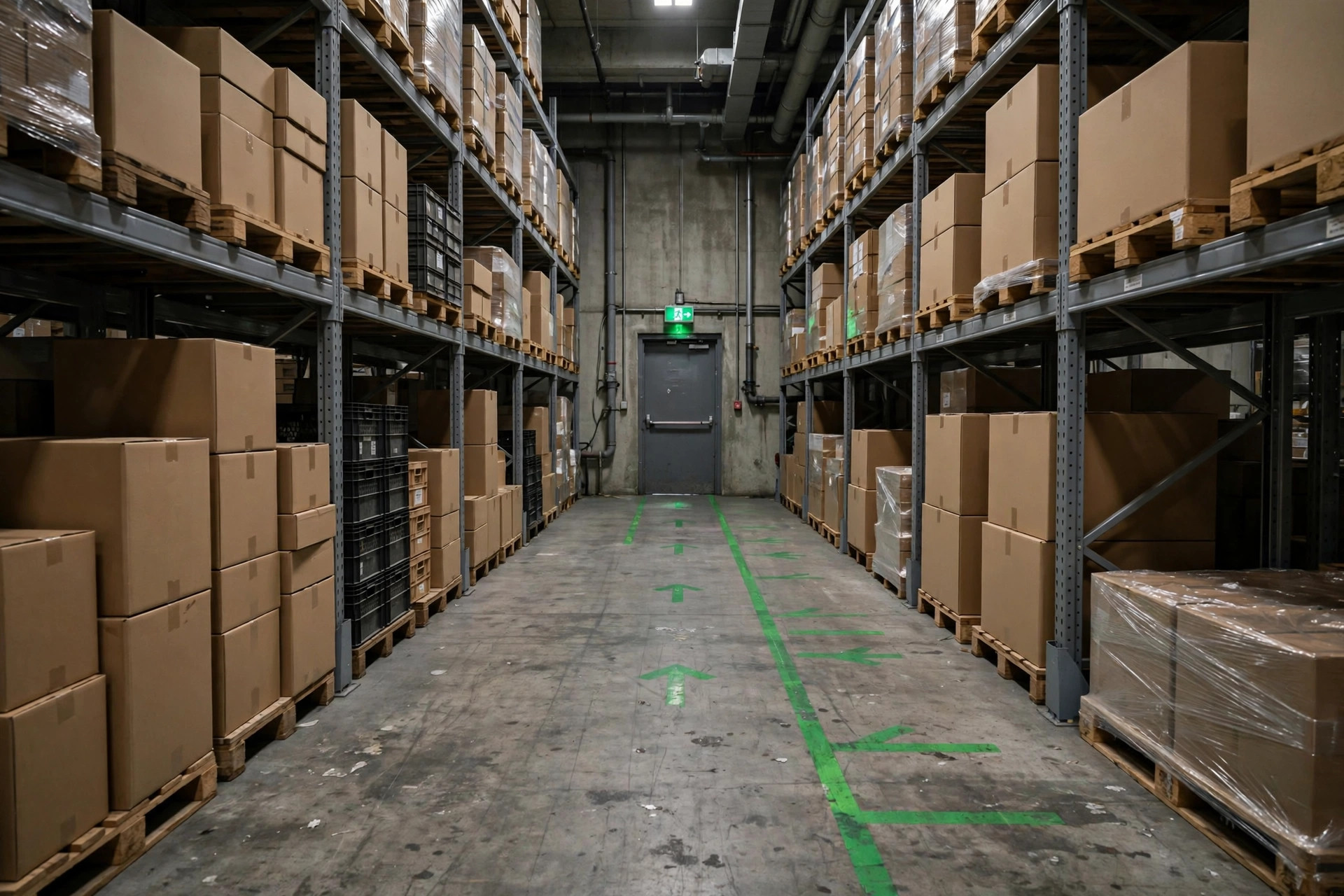
Finally, access: aisles, exits, and the fire department connections outside can't be blocked by pallets or staged freight. That's technically beyond the sprinkler scope, but the marshal looks at it all in one visit — freight sitting in the egress path gets you written up just the same.
One more piece of hard-won practice: before the formal inspection, ask the marshal for a pre-inspection walkthrough. Most fire departments offer it, cheap or even free. He'll point out the problems in advance, you fix them off his list, and then you schedule the real thing — your odds of passing the first time go way up. Don't treat it as optional. Fail the formal inspection once and the re-inspection gets scheduled two to six weeks out, with the building sitting there burning money the whole time.
My verdict is simple: walk the checklist yourself before the marshal does. Half a day with a tape measure can save you two months of rework. Nine out of ten findings are things you could have measured yourself.
Where the money actually goes
Rework costs scale with how deep the problem goes.
Adding a few heads and rerouting some branch lines runs a few thousand to maybe twenty grand — fastest if you bring back the original contractor, since the drawings already exist. Retrofitting in-rack sprinklers across a building is the next tier: tens of thousands into the low six figures, depending on how many rack rows and whether the mains need upsizing.
The expensive one is exceeding the storage height. Redoing the hydraulic design and swapping to higher K-factor heads starts around fifty thousand. If the water supply can't keep up and you need a bigger fire pump or an added water tank, you're straight into six figures. That's where the Rialto job landed — two extra rack levels voided the ESFR protection height, and it was essentially start over.
But rework isn't even the priciest part. Time is. Fail the inspection and you don't get your certificate of occupancy. Rent keeps running, customers won't wait. That Rialto operator paid more in two months of dead rent and customer penalties than the rework itself cost.
There's also a hidden line item: insurance. A lot of warehouses have their property and business-interruption premiums priced on the fire system's compliance status. Stay in failed-inspection limbo long enough and the carrier either raises your rate or starts arguing about coverage when something happens. I know a 3PL owner whose inspection dragged on for the better part of half a year — at renewal his premium jumped thirty percent, and the carrier's explanation was one line: your sprinkler system is in failed status with the fire marshal, so your risk tier is different.
So here's my verdict: freeze the rack layout before you talk sprinklers. Any operations change — rack height, layout, commodity mix — should trigger one question first: do the fire protection drawings need to be resubmitted? Ninety-nine percent of failures are operations changing the building without changing the drawings, and every dollar of rework is paying for that.
Next week, block out half a day. Print the as-built drawings, grab a tape measure, and walk your own building. Measure two things: the 18-inch clearance below every sprinkler head, and the actual top-of-storage height against the design value. Get those two right and you've covered most of what the marshal will check.