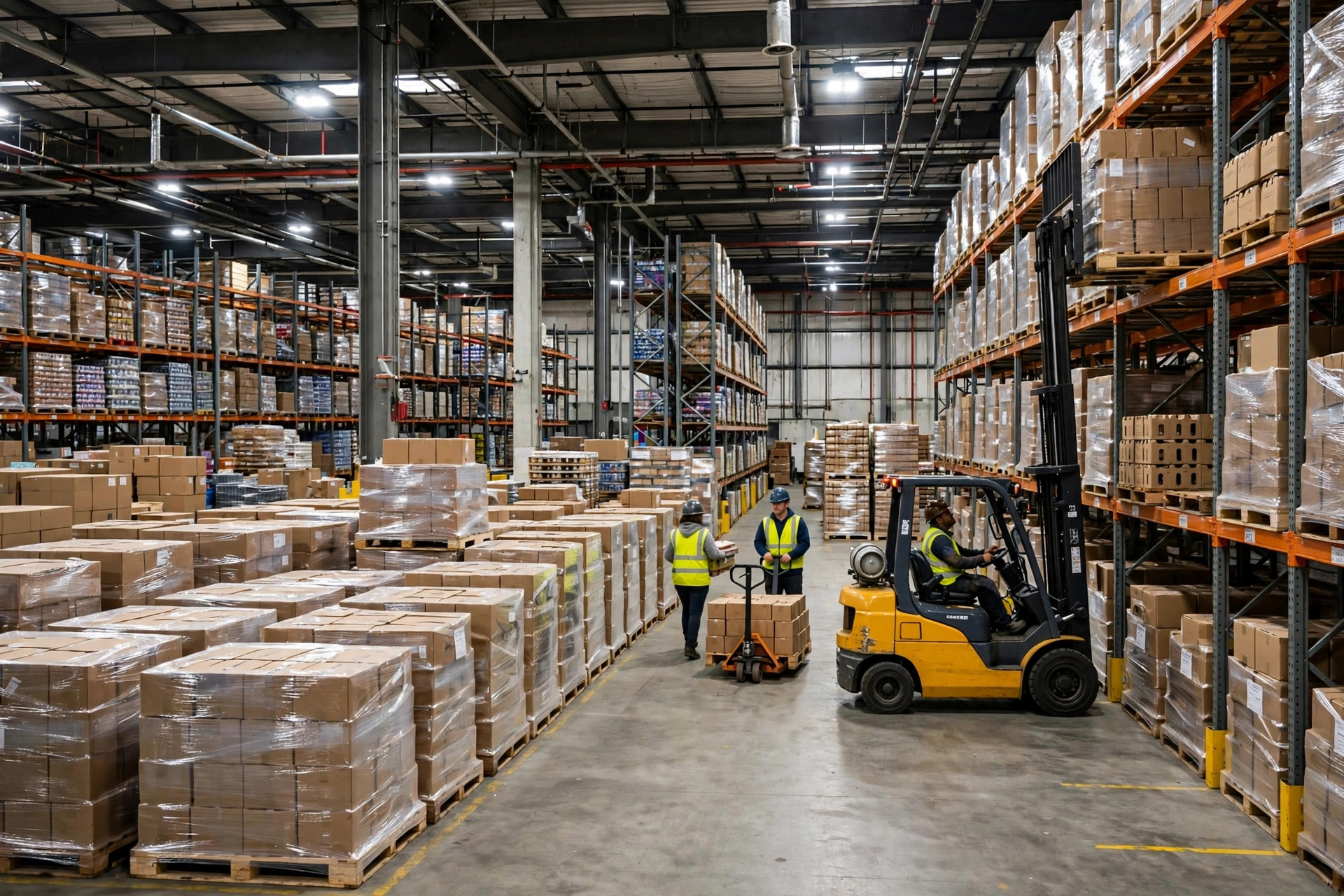
Put bluntly, goods that have been received are not goods you can sell. A receiving backlog forms when receiving, counting, and labeling are done, yet pallets sit in staging, pickers cannot find the stock, and orders wait. I have seen too many warehouses race through receiving and then collapse at putaway. Here is my conclusion up front: once the putaway queue is more than two days old, stop talking about efficiency. Clear the queue first, and if you cannot clear it, slow down receiving. Piling more freight on top of a blocked staging area only makes the mess bigger.
Where the Backlog Really Comes From: Putaway Without a Queue
I have seen too many managers blame the volume. Volume matters, but the thing that lets a queue run out of control is usually simpler: putaway has no priority, no aging, and nobody watching staging. Freight lands in staging, whoever is free puts it away, and when things get busy, nobody does. After two days, staging is full, forklifts cannot turn, new freight ends up beside the aisles, and picking slows down with it. This has two sides. Fast receiving is a skill. When putaway cannot keep up, that speed becomes a liability.
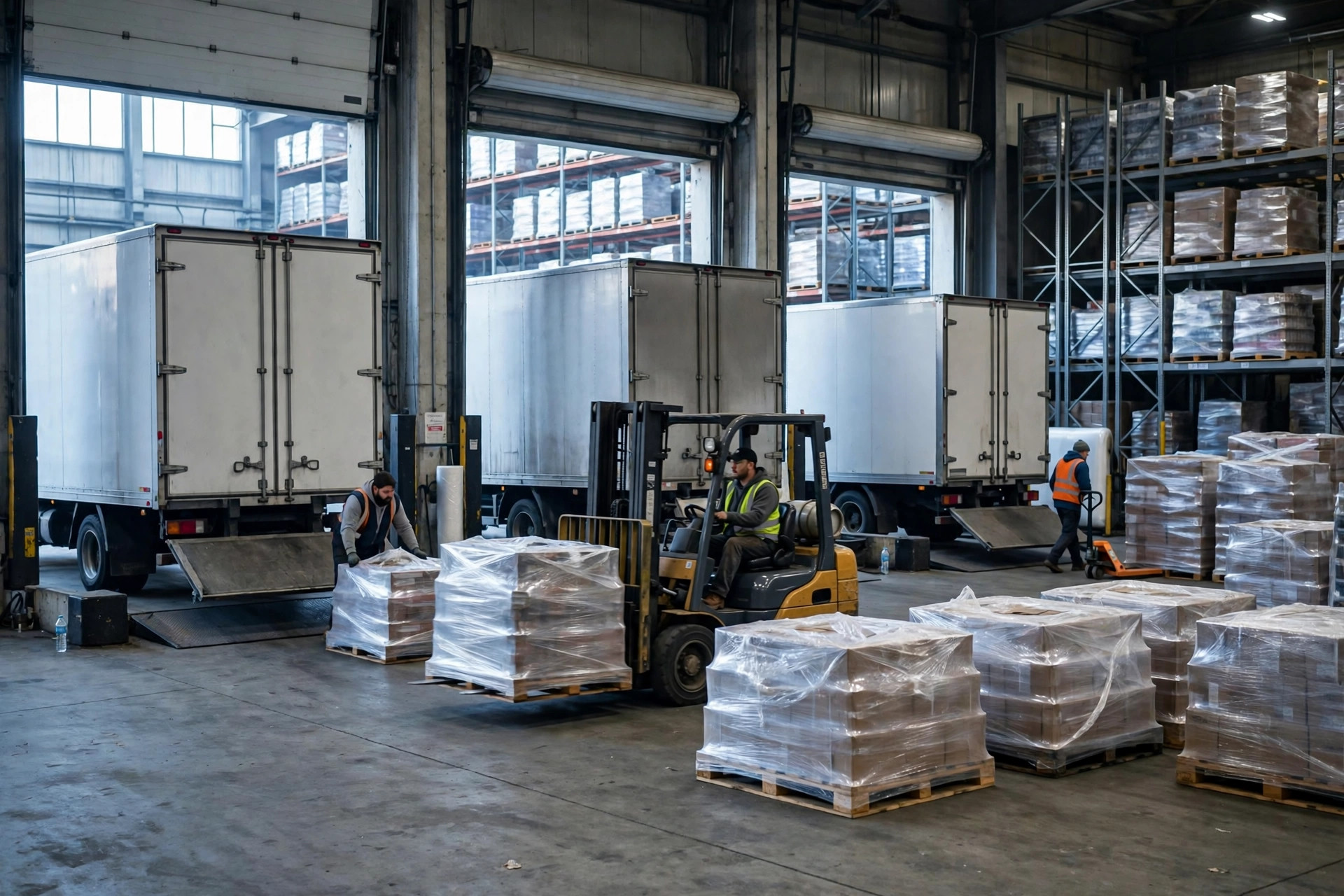
In November 2023, a third-party warehouse in Ontario, California, handling home goods, walked straight into this trap. A week before peak season, inbound freight arrived in a rush. Staging was sized for about 80 pallets. By the third day, more than 140 pallets were stacked there. Forklifts had to weave around pallets, pickers could not get their carts through, and on-time order rates fell by roughly a fifth. Management's first instinct was to add people to receiving. Staging only got fuller. Then they made an unglamorous decision: pause receiving for two days and put everyone on putaway. Two days later, the queue was under 30 pallets, and picking speed recovered on its own. The lesson stuck with me. You do not fix a putaway queue by receiving faster. You fix it by putting goods away faster, and sometimes that means having the nerve to hit pause on receiving.
Clear the Backlog in Three Tiers, Not by Arrival Order
The worst way to clear a queue is to work strictly by arrival order, one pallet after another. It sounds fair. In practice, it buries urgent stock behind slow stock. My approach is to sort everything waiting for putaway into three tiers first, then assign labor:
| Tier | How to recognize it | What to do |
|---|---|---|
| Urgent | Orders already waiting, or stores out of stock and waiting for replenishment | Put away the same day, then tell picking immediately |
| Regular | Normal replenishment with steady turnover | Put away in route batches, several pallets per forklift trip |
| Slow | Slow movers, bulky items, or seasonal goods not yet needed | Move to temporary staging first, away from prime locations and aisles |
The math shows why tiering beats arrival order. Suppose 120 pallets are waiting. One forklift operator can reliably put away about 30 pallets in a shift. Four operators should, in theory, clear 120 pallets in a day. Without tiers, though, those four get dragged into slow, bulky items, hunting for locations, shifting stock around, and they may only clear 70 to 80 pallets, with the urgent freight still sitting in staging. With tiers, the pallet count cleared in a day may look similar, but the time that stock-out orders spend waiting falls sharply. Clearing a queue is not measured by pallets moved. It is measured by how long the orders that need the goods have to wait.
Temporary staging needs rules of its own. In peak season, it is reasonable to mark out an extra area for slow-tier goods, but it must be lined, numbered, and recorded in the warehouse system with item and quantity. The danger is the word temporary. Freight pushed into a corner and forgotten becomes a mystery three months later, when nobody can say what is in there. Count the temporary area every week. Any slow-tier pallet older than 30 days gets pulled out for a decision: keep storing it, return it to the supplier, or mark it down. Leaving it there without a decision is how a temporary fix becomes permanent clutter.
Labor has a counterintuitive side too. Throwing everyone at putaway is not always fastest. A better setup is to keep one person as a dispatcher, doing only three jobs: ordering work by tier, giving forklift operators route-friendly assignments, and keeping the staging entrance clear so new freight does not get dumped at random. Without a dispatcher, four forklift operators wait for each other in staging, yield the aisle, and lose time. I once watched a warehouse add six people to clear a queue and gain only a little speed. They switched to five operators plus one dispatcher, and the queue was gone the same day. More hands do not equal more speed. The right order does.
A short morning routine prevents most of this. Spend 15 minutes at the start of the shift walking staging. Note the oldest pallets, the areas close to full, and the locations blocked by aisle freight. Then assign the day's work. Those 15 minutes look like lost labor. In reality, they set the order for the whole day. Without them, operators start by grabbing the nearest, easiest pallets, the hard ones age further, and queue aging creeps up. Before peak season, do the same math in advance: based on last year's inbound volume for the same period, does staging cover three days? If not, agree on a temporary area early. Do not wait until freight is at the door to go looking for space.
When Records and Reality Disagree, Freeze First and Then Clear
There is a quieter kind of queue trouble. The system says goods are already put away, but the pallets are still in staging. Or the goods are on a shelf, while the system still shows them waiting. Until that gap is closed, picking, cycle counting, and replenishment all work from wrong information.
In the summer of 2021, an e-commerce warehouse near Los Angeles paid for this mistake. During a night shift before a big promotion, a batch of goods was physically put away, but the system confirmation lagged. Pickers followed the system to staging, could not find the goods, and reported shortages. Customer service apologized to buyers while the warehouse urgently reordered the same items. A later count found the original goods sitting safely on their shelves all along. The extra ordering and labor cost real money. The fix is discipline: freeze any pallet where records and reality disagree, list it separately, and check it pallet by pallet against the physical stock. Release one pallet only after it has been verified. Clearing fast while errors are still in the system only spreads the errors faster.
Once the queue is clear, three rules keep it from coming back. First, look at putaway aging every day. Any pallet older than 48 hours gets flagged and gets an owner. Second, set a staging limit. At 80 percent full, raise a warning. When it is full, pause receiving or open the temporary area. Never let freight spill into the aisles. Third, measure receiving and putaway separately. Receiving should be judged on accuracy, putaway on speed and record accuracy. If both teams are judged on one number, how much was received, nobody will want the putaway work.
I have learned to judge the health of a warehouse by two numbers each week: whether average putaway aging is falling, and whether staging occupancy is back under 80 percent. If both move in the right direction, the clearing method works. If one looks good while the other gets worse, you are probably just moving freight from one place to another. A receiving backlog is rarely a problem of too much freight. It is a problem of a queue with no owner, no order, and no check between records and reality. Fix those three, and the queue starts moving. How old is the oldest pallet in your staging area right now?
By Lao Mi, Supply Chain Veteran (20 yrs)