Our Small Warehouse Cannot Afford to Start From Zero Every Peak Season
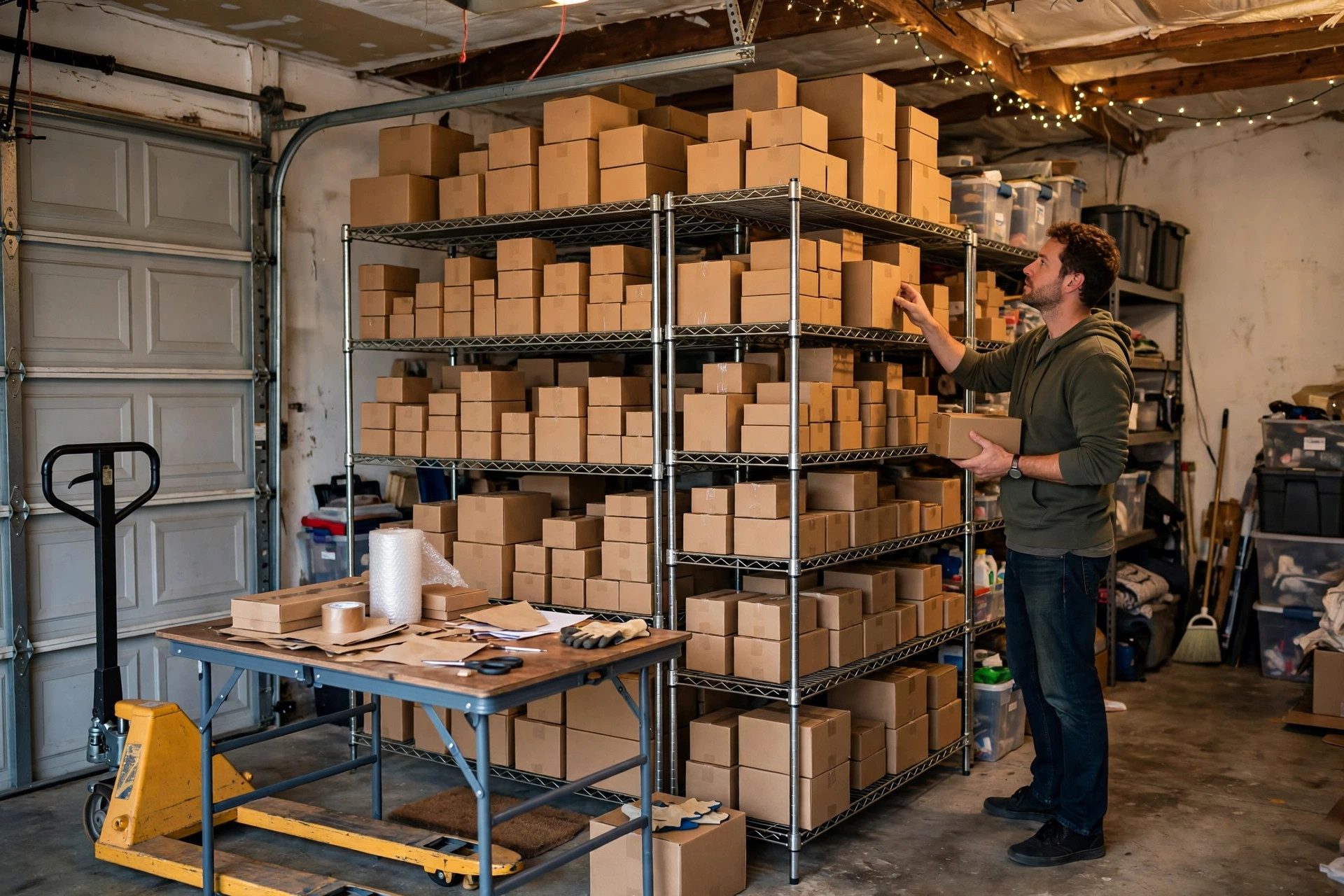
Let me start with an embarrassing confession. My warehouse is only about 3,000 square meters, and for my first two peak seasons I ran it the way everyone told me to: hire a crowd of temps, work them hard for two weeks, and let them all walk away when orders dried up. The next peak season I hired a new crowd, trained them again, watched them make the same mistakes again, and paid for it again. It felt like paying tuition every single year. A big company can throw money at staffing. We cannot. We have to be smarter with the little we have.
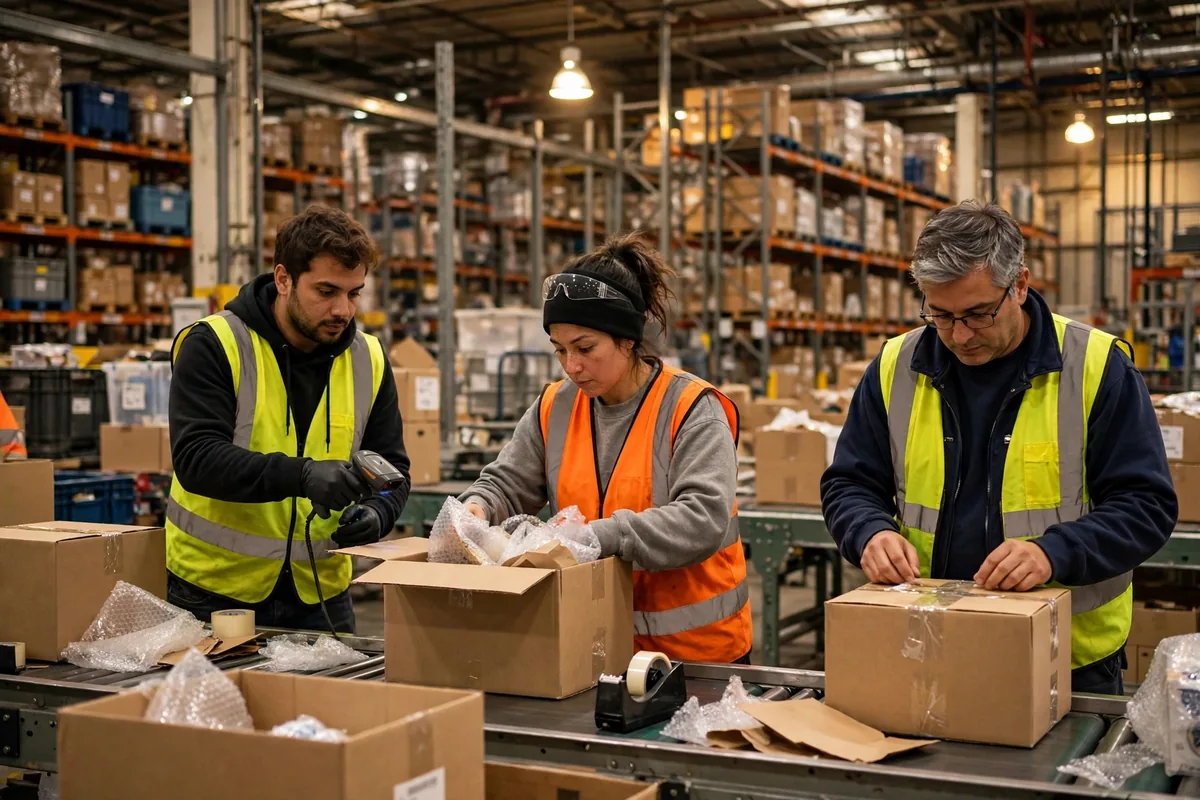
The worst case was last autumn. In late September we took on a home-goods order that required more than 4,000 shipments in ten days. On day one, temps in the picking zone mixed up same-style products in different colors, and one held the scanner backwards and asked me why it kept beeping. On day three, two of the better temps quit because they hated the night shift, and my wife and I were still sticking labels in the warehouse at midnight. By the end of that job our mis-shipment rate was far above normal, and the apology messages to customers hurt more than the overtime did. That was when I understood the real problem: temps are not the problem. Treating them as disposable is.
Trick One: Do Not Hire Twenty. Keep Three as Seeds
This year I changed the approach before peak season even started. I still hired temps, but I hired with retention in mind. Out of roughly twenty temps, my real goal was to keep three. Not the fastest three, either. The fastest worker who keeps calling in sick is a liability, not an asset. I wanted the steadiest people: few mistakes, willing to ask one question before guessing, willing to help a colleague.
How did I pick them? In week one I gave every temp a small card that tracked only three things: how many mistakes they made, how many times they asked a useful question, and whether they helped someone else. That card sounds primitive, but on the last day of peak season it told me everything. Xiao Chen, the temp we eventually kept, was not in the top five for speed. In two weeks he made only one picking error and helped new colleagues learn locations three times. Keeping someone like him beats keeping a speed champion who creates rework.
Trick Two: When You Offer a Permanent Role, Offer Three Concrete Things
Many small bosses think retention means a big raise, full benefits, and a grand speech. We cannot afford that script. When I offered Xiao Chen a permanent role, I talked about only three concrete things. First, a fixed schedule, so he would not have to wait every day for an agency to assign him work. Second, a base income guarantee in the slow season, so a quiet month would not mean zero income. Third, a skill ladder: learn one more skill, such as forklift operation, cycle counting, or returns handling, and your role becomes one level more secure.
That deal worked because it solved his real problem. Under an agency, he bounced from warehouse to warehouse: busy in peak season, broke in the slow season. With a fixed schedule here, he handled stocktaking and returns in the slow months and trained newcomers in peak season. One steady person ended up doing work that used to take two shaky ones. Here is the counterintuitive judgment most small owners miss: keeping the right three people is not extra spending. It saves the repeated cost of training twenty new people every year, plus the cost of mis-shipments. You have to read the whole ledger, not just the wage line.
The Math: Throw Everyone Away Versus Keep Three
I laid out last year's numbers for our warehouse. They are not precise to the cent, but the direction is unmistakable:
| Item | Hire-and-release every year (20 temps) | Keep 3 permanent + top up at peak |
|---|---|---|
| Training cost | At least two days of coaching per person, pulling experienced staff off their own jobs | Three experienced hands coach newcomers, cutting coaching time by more than half |
| Error cost | Mis-picks and missed items cluster in the first two weeks | Experienced staff hold the line, errors concentrate in week one and someone catches them |
| Hiring cost | Agency fees, interviews, and paperwork, repeated every year | Only fill the gaps, so hiring rounds and hassle fall sharply |
| Slow-season cover | Nobody left when peak ends, so small orders and stocktaking have no hands | Three steady hands cover small orders, counting, and returns |
Once I saw that table, I stopped debating. Retention is not a perk. It is a cost-saving measure. For a small warehouse, one mis-shipment hurts more than it hurts a big company, because there is no customer service team to clean it up. It is you, awake at night, cleaning it up.
Trick Three: Give the Rest a Reason to Come Back Next Year
Only three people can become permanent. What about the rest? My rule is simple: on the last day of peak season, say it out loud. Temps who performed well get first call next peak season, at the experienced rate, without going through the agency again. Last year five temps got that promise. Four came back this year, and on day one they could work unsupervised. That is almost four semi-experienced workers for free.
There is one more low-cost trick: in the last three days of peak season, I take the kept staff and the best temps out for a meal. We do not talk about work. We talk about families and next year's plans. It sounds sentimental, but it works. Treat people as disposable and they will act disposable. Treat them as people you want to work with again, and their work changes. This trick costs almost no money. It costs a little attention.
Advice for Warehouses Like Mine
If you run a warehouse of a few thousand square meters, remember three things about peak staffing. First, do not chase headcount. Keeping three seeds beats hiring twenty strangers, because seeds keep the team alive. Second, do not sell a dream when you offer a permanent role. Offer a fixed schedule, a slow-season floor, and a skill ladder. Those three concrete things beat empty promises. Third, even for people you cannot keep, leave the door open for next year instead of slamming it shut.
Big companies talk about talent strategy. For a small warehouse, the strategy is simpler: stop starting from zero every year. Releasing every temp after peak season looks cheap, but you end up paying the same tuition again and again. Keep a few good people, and the small warehouse gets steadier every year. A small warehouse has its own way of surviving, and that way is this: when you have few people, treat them like people, and count the cost over years, not weeks.
By Xiao Ma, Small Warehouse Owner