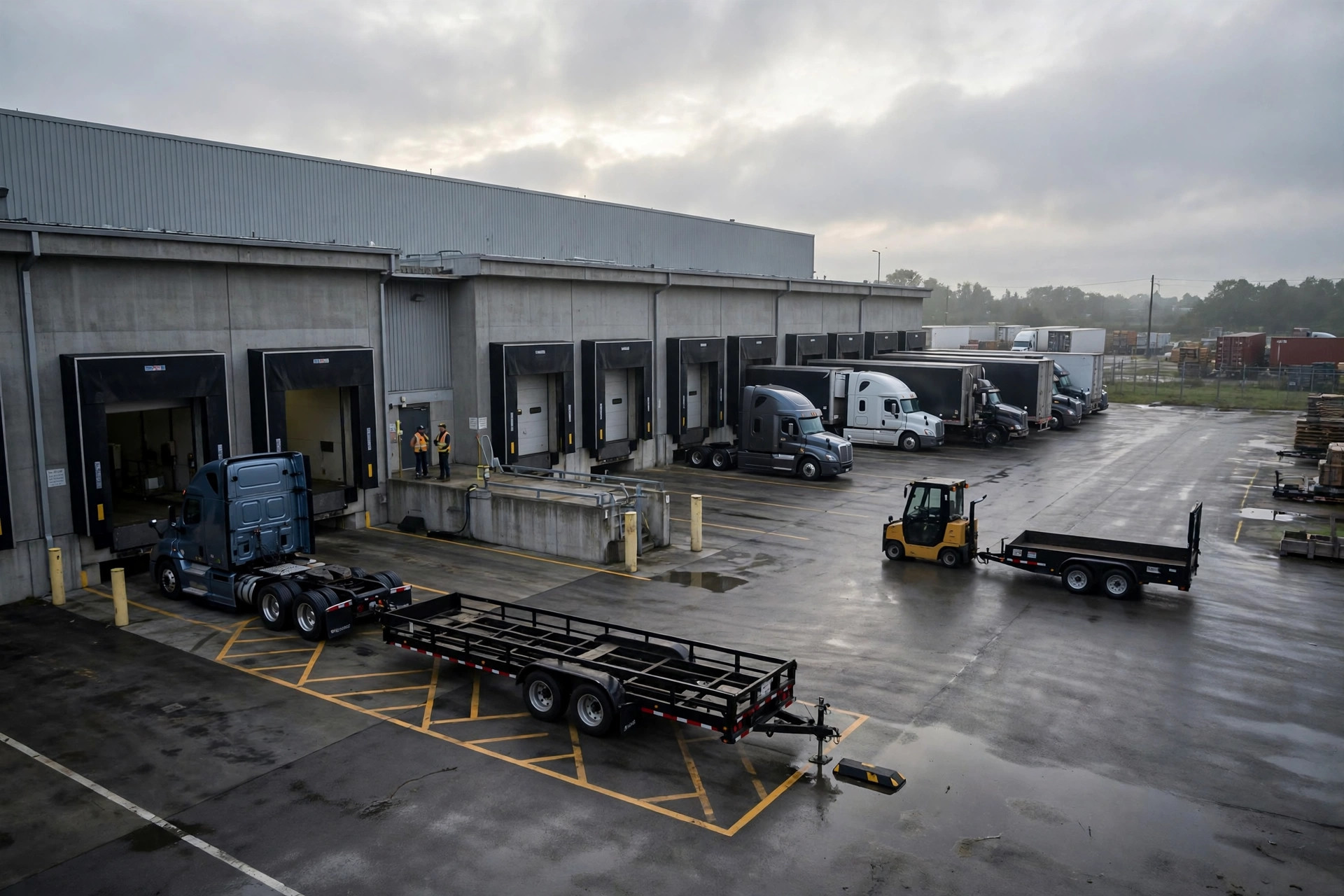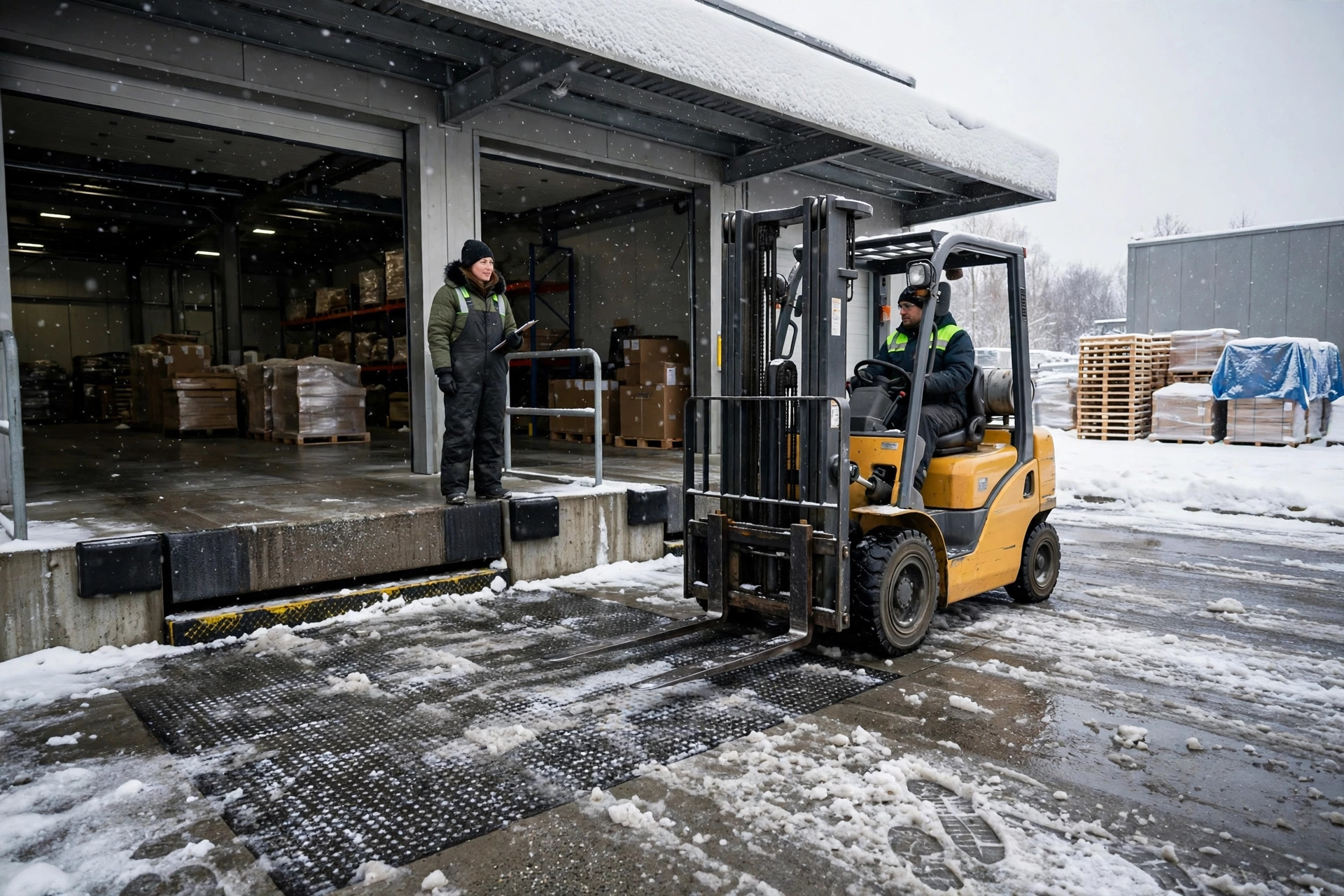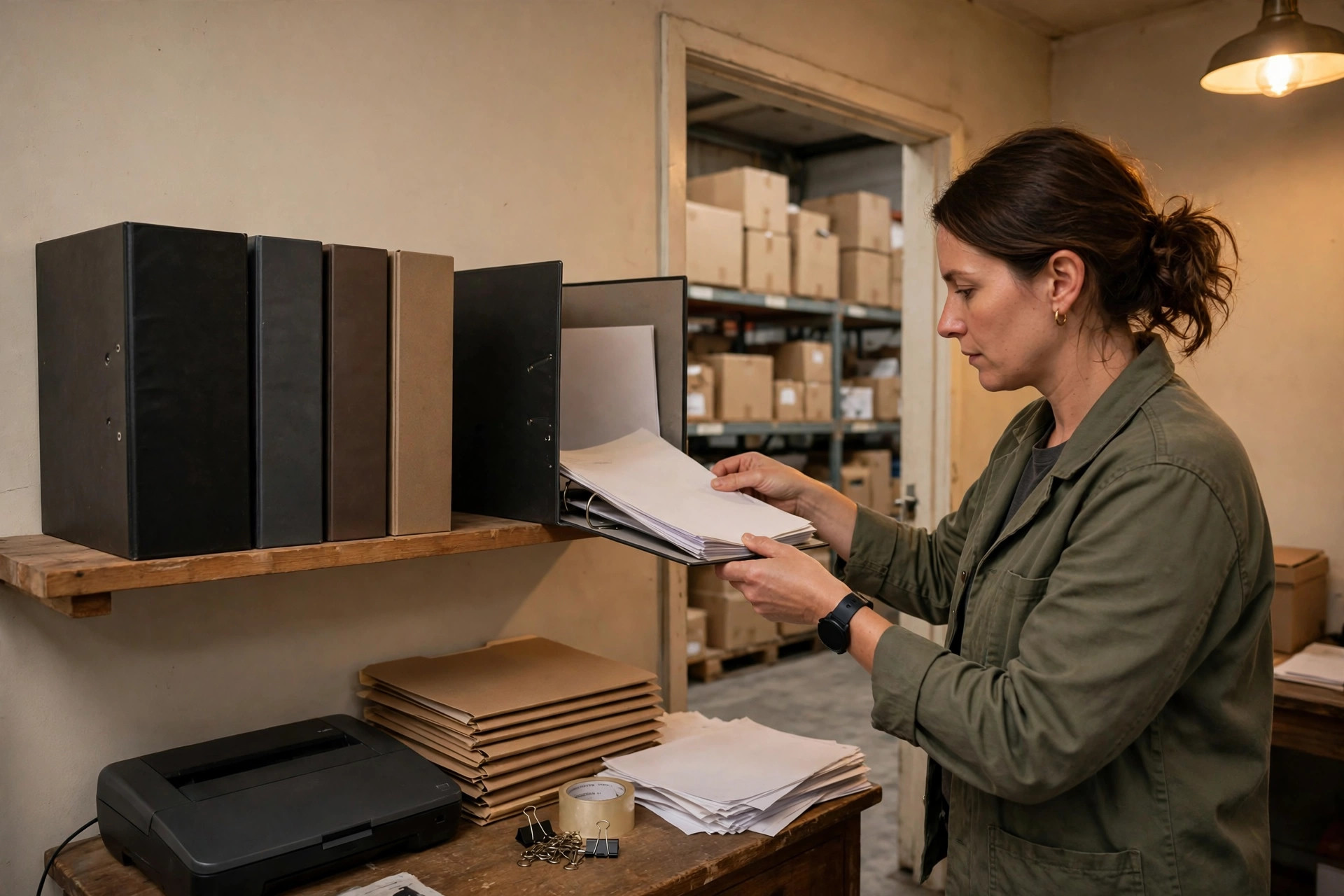
Brothers, let me be straight with you. In all my years running warehouses, I have watched too many operations throw money straight into the dumpster along with their packaging waste. Every day you break down cartons, stretch wrap, and wooden pallets, pile them in the trash area, and pay a hauler to take them away. At month end the haulage bill lands and it is thousands of dollars. You think that stuff is trash. It is actually money that was never packed properly.
Here is how our warehouse woke up to it. In the spring of 2023 I took over a 20,000-square-foot e-commerce warehouse in California shipping more than 2,000 orders a day. The breakdown area produced three big piles of cardboard every single day. The old routine was to stomp the boxes flat by hand, stuff them into dumpsters, and call for an extra pickup when they overflowed. That March I ran the numbers: haulage was costing more than 3,000 dollars a month, which is nearly 40,000 a year. That money was being spent purely on being too lazy to process the waste.
Start With a Baler and Watch the Volume Collapse
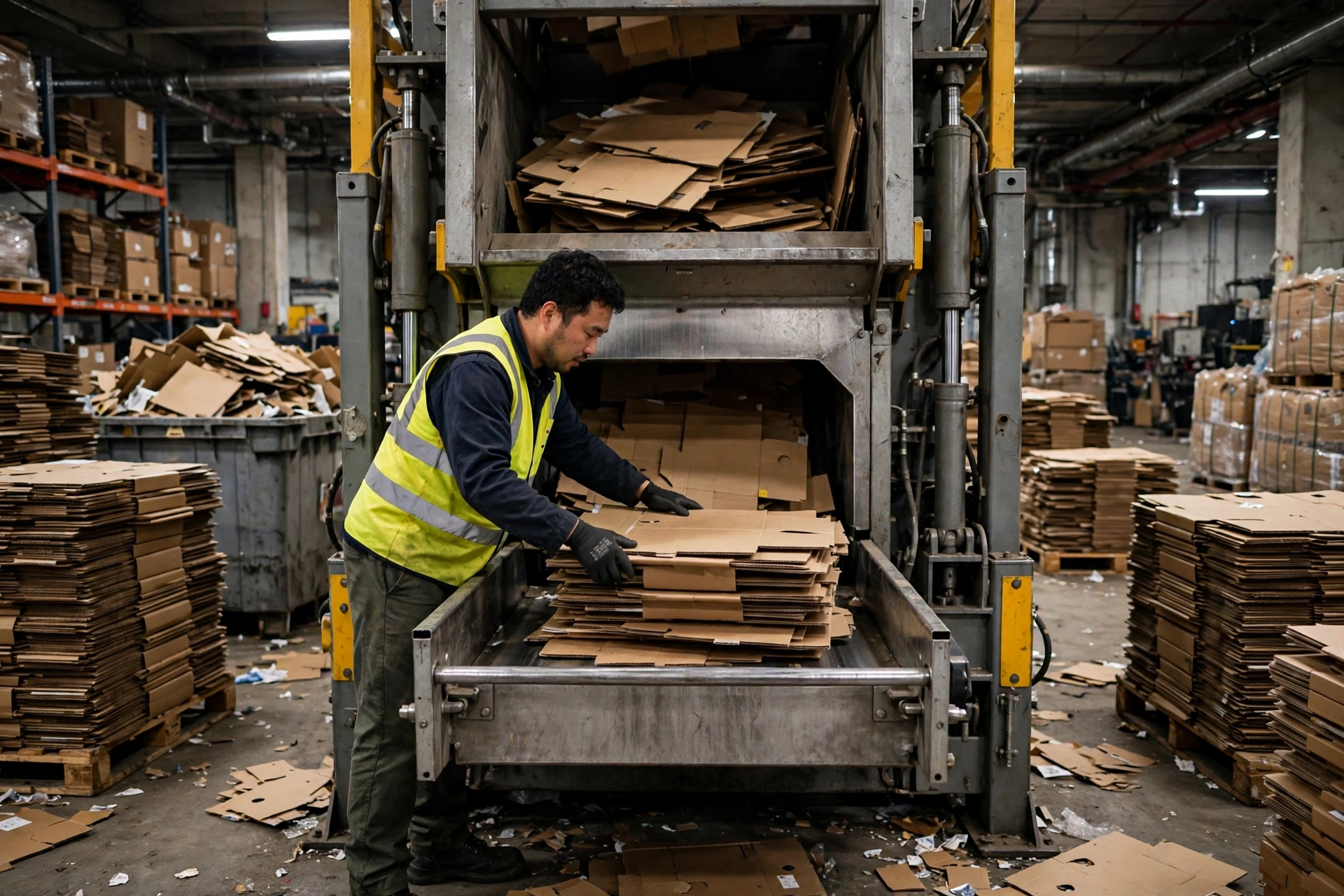
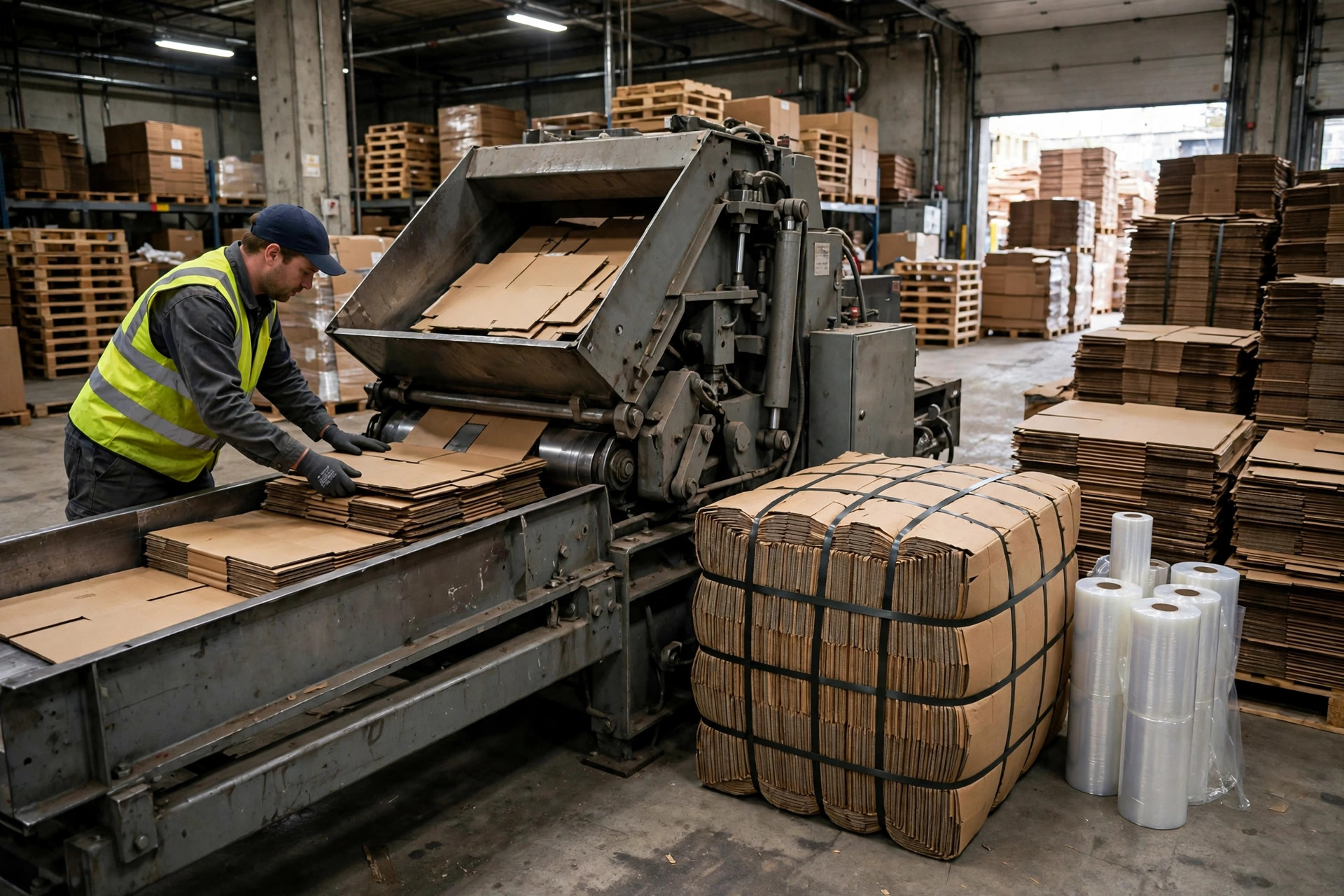
The first step is simple: get a vertical baler. Do not jump straight to a big automated machine. For a small or mid-size warehouse, one vertical baler is enough. You feed cardboard in, it presses it into a block of roughly 800 to 1,000 pounds, and a forklift carries it away. Ours was secondhand and cost under 5,000 dollars. It paid for itself in two months of haulage savings alone.
The change after baling was immediate. The trash area used to fill up every three days. After baling, it took a full week to accumulate four or five bales. Haulage dropped from three pickups a week to one, and haulage alone saved us more than 1,000 dollars a month. And here is the part most people miss: a recycler will come and collect baled cardboard. Nobody wants to look at loose cardboard. That is the counterintuitive truth of this whole business. Scrap is not worth money based on how much of it you have. It is worth money based on what form it is in. Loose, it is a headache. Baled, it is a product.
There are a few operating rules that matter. Put a simple rule up next to the baler: tape and labels on the cardboard are fine, but oil-stained or rain-soaked cardboard goes in a separate pile, because contaminated material drags down the price of the whole bale. And keep stretch wrap separate from cardboard. Film is film, board is board. Bale them separately and the recycler pays differently for each. In our warehouse we put two different colored bins in the breakdown area, and workers sort without even thinking about it. It costs nothing.
Treat Scrap Price Like a Small Business
The second step is to manage recycling like a small business. Cardboard prices move with the market. In the second half of 2023 we got over 100 dollars a ton at the good end, and we also saw it fall to a few tens of dollars a ton at the bad end. So do not expect the same check every month. Judge it by the quarter.
Let me run our warehouse's numbers. We produce about 15 tons of cardboard a month. At a good price of over 100 dollars a ton, that is more than 1,500 dollars a month. At a bad price of 50 or 60 dollars a ton, it is still 800 or 900. Add the haulage savings of more than 1,000 dollars a month, and the swing is over 2,000 dollars a month in our favor. Over a year that is more than 20,000 dollars. That is not a fortune, but for a mid-size warehouse it is enough to pay the whole crew an extra month's bonus.
The key is finding the right recycler. Do not ask just one. Get quotes from at least three, and compare them on pickup frequency, payment terms, and minimum load size, not just price per ton. One recycler quoted us a high price but only collected once a month, which left bales sitting around taking up floor space. Another quoted slightly less but collected every week like clockwork, which kept cash flow steady. I recommend a short contract that re-prices quarterly with the market. Never lock yourself into a full year at a fixed price.
Do not forget the wooden pallets either. A pallet with a broken board is not trash. Repair it and it goes back into service. If it is beyond repair, pallet recyclers buy it. Our warehouse gets two or three hundred dollars a month from pallets alone. Small money is still money.
Renegotiate the Haulage Contract or Keep Overpaying
The third step is the one most people skip: renegotiate the haulage contract. Once you have a baler running, your waste volume has completely changed, so the old contract should change with it. Fewer pickups, smaller containers, lower cost. Plenty of warehouses install the equipment and forget to change the contract, and they keep paying the old price for a service they no longer need. That is pure waste.
That is exactly what we did. After two months of smooth baler operation, I took the new waste numbers to our hauler and cut pickups from three times a week to once a week, and downsized the container. That saved another 800 dollars a month. Go into that conversation with data: photos of the trash area, baling logs, pickup counts. Haulers are businesses too. If your volume dropped and they will not cut the price, switch to someone who will. There is always another hauler nearby willing to take the work.
Night shift has one more detail worth mentioning. Night crews are small, and breakdown work often piles up until morning. Cardboard ends up all over the floor, and the day shift spends its first half hour just cleaning up. We fixed it with a rule: the last hour of night shift must end with cardboard baled and stacked in its designated zone, so the day shift starts working immediately. We wrote it into the night shift handover sheet, and within a month that morning chaos was gone.
Safety deserves a word too. A baler is a pressurized machine. Before any new hire runs it alone, someone experienced must walk them through it: how to feed material, how to tie off a bale, how to stop the machine when it jams. Never reach in to clear a jam by hand to save time. We had a young worker who tried exactly that when a load was overfed, and an older hand grabbed him just in time. Since then we post an operating card next to the baler, and no new hire runs it solo until an experienced worker signs off. That card looks low-tech. It can prevent a serious injury.
Here is one more example from a neighboring warehouse. In early 2024, an auto parts warehouse next door installed a baler too, and they went one step further: they collected stretch wrap separately and sold it. The volume was small but the price per pound was higher than cardboard, adding another three or four hundred dollars a month. Their owner told me later that if he had known film was worth money, he had effectively thrown away thousands of dollars over the years. So when you audit your own waste, do not just count cardboard. Count the film, the pallets, and the plastic totes. Only a complete count tells you how much money you have been throwing away.
At the end of the day, waste comes down to habit, not technology. A baler, a recycler, a renegotiated haulage contract: get those three things done and the trash area turns from a cost center into a small cash source. Our warehouse now banks more than 2,000 extra dollars every month, month after month. It is not a lot, but it is free money. Go run your own numbers first: your haulage bill, then your cardboard volume. Once you see those two figures side by side, you will know whether this is worth doing.
By Chen Feng, Warehouse Operations Manager