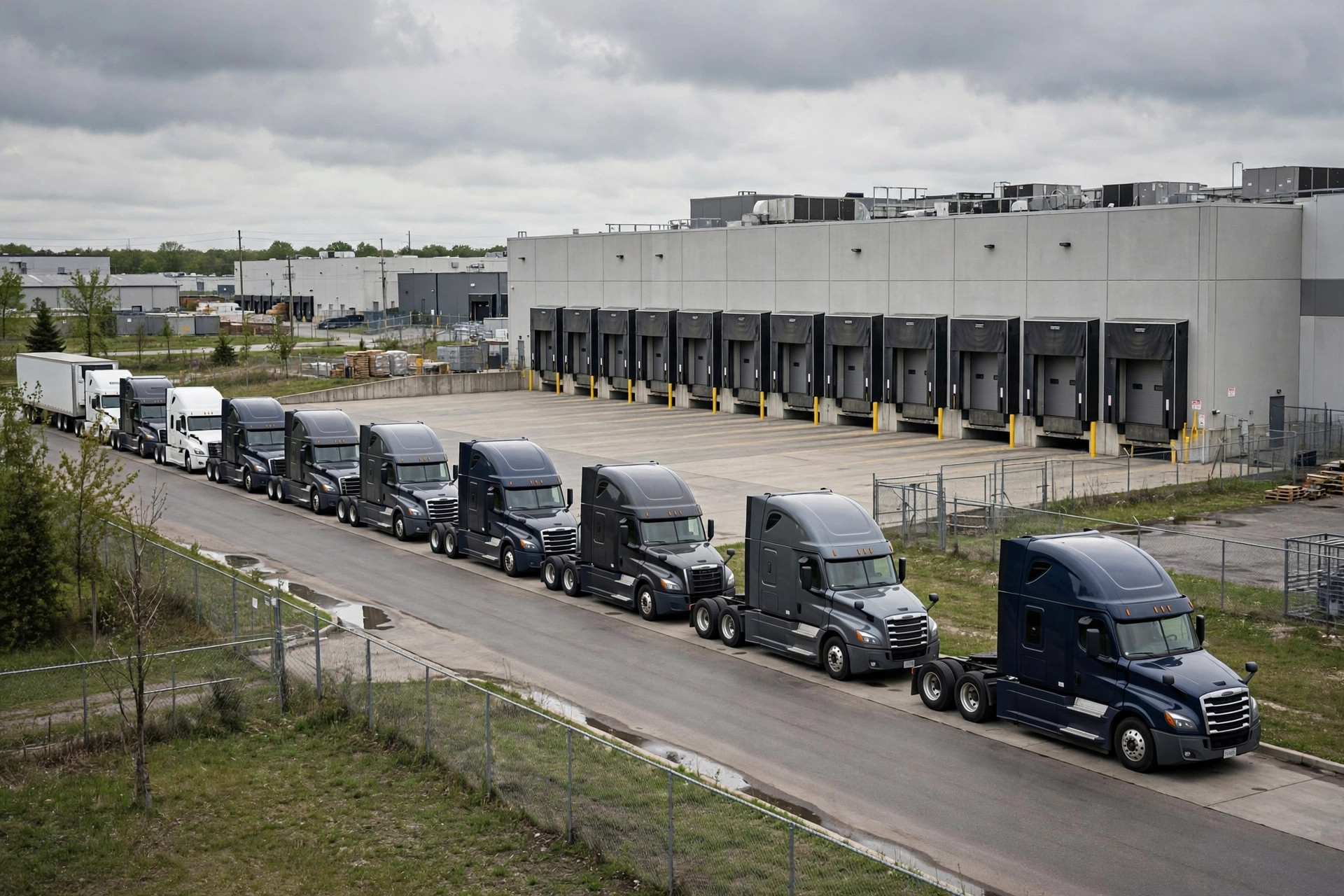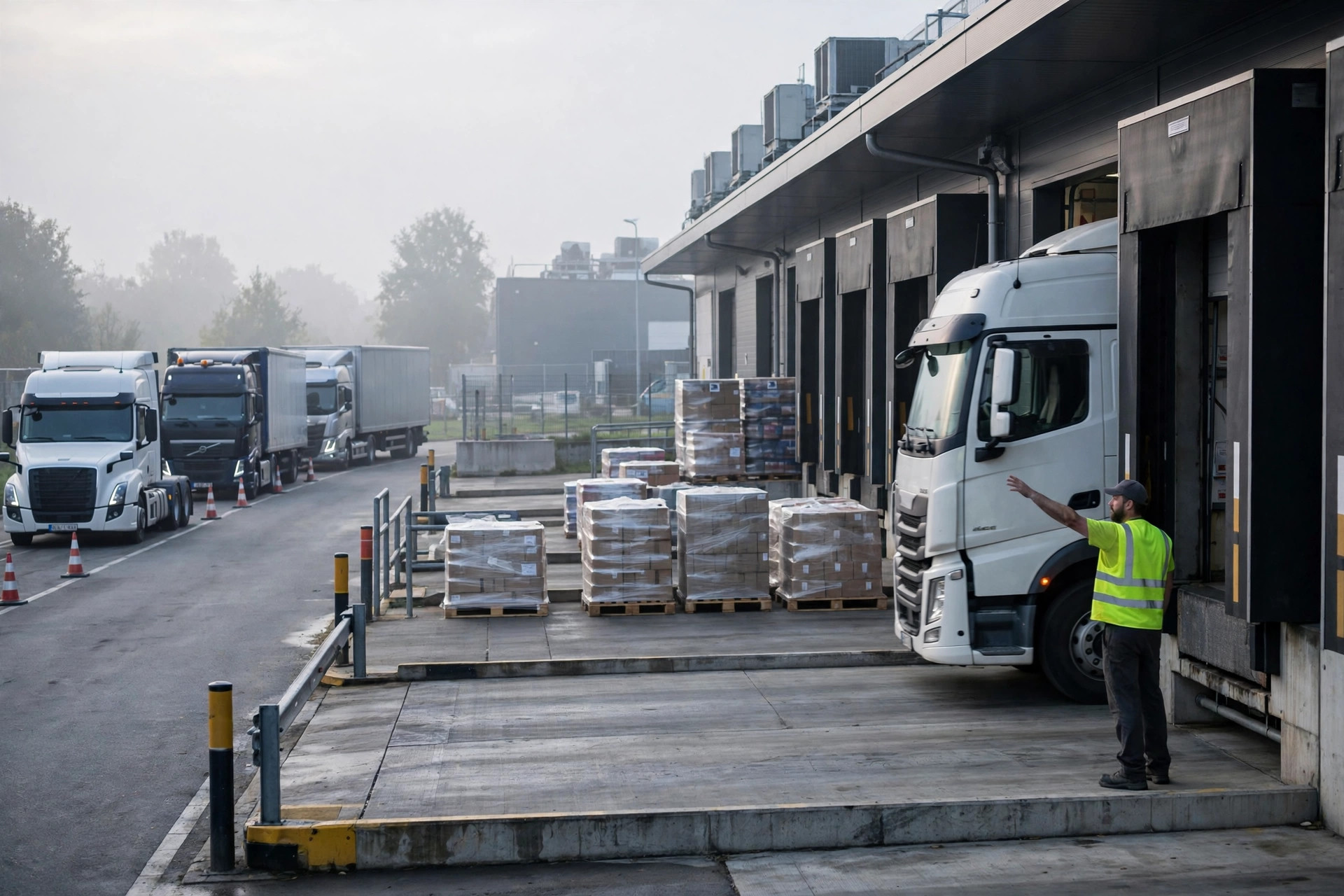
Let me start with the complaint, because everyone in this business has the same one right now: you cannot find a truck when you need one, and when you do find one, the driver is in a hurry, the appointment window is a joke, and your warehouse is somehow the one paying for it. I sell on Amazon and through my own store, and for the last two years the truck driver shortage has not been some headline to me. It has been the reason a shipment missed a cutoff, the reason a container sat at a warehouse door for a day, and the reason my detention bill showed up looking like a second rent payment. This is a truck driver shortage warehouse response guide written from the seller side of the dock door, not the carrier side, because sellers are the ones who end up absorbing the cost when nobody plans for it.
The first time it really bit me was peak season two years ago. I had a replenishment shipment booked into an FBA warehouse, a carrier confirmed, and a receiving appointment set. The driver arrived four hours late, the warehouse had already given the dock door away, and the load got pushed to the next day. That one delay cost me a weekend of sales on a listing that was already running low, plus a rescheduled appointment that took three more days to get. Nobody did anything wrong, exactly. There just were not enough drivers, and my shipment was the one that lost the musical chairs. That was the day I stopped treating trucking as something that just happens and started treating it like inventory: something you plan, buffer, and pay attention to.
Flexible Appointments Beat Perfect Appointments in a Driver Shortage
The first change I made was at the warehouse end, and it sounds small: I stopped insisting on tight appointment windows. A lot of sellers and warehouses still run two-hour windows like drivers can teleport. In a shortage, a two-hour window is a promise your carrier cannot keep, and when the driver misses it, the warehouse turns the truck away or charges detention, and guess who pays. We moved our main 3PL to a four-hour window with a same-day flex option, meaning a driver who arrives late but within the day still gets unloaded. Did it make the warehouse's day messier? Yes, a little. Did it cut our missed appointments? Dramatically. The trade-off is real, and it is worth it: a slightly messier dock schedule beats a truck that leaves and comes back three days later.
The second change was boring and unglamorous: we started confirming appointments twice. Once when booked, once the morning of arrival, with the driver's phone number in the message, not just the dispatch office. Dispatch offices are busy. A driver with a direct message is a driver who can tell you he is stuck two hours out while you can still move another load into his slot. This costs nothing. It has saved us more missed windows than any software we pay for.
Drop Trailers: The Driver-Shortage Move That Changed Our Math
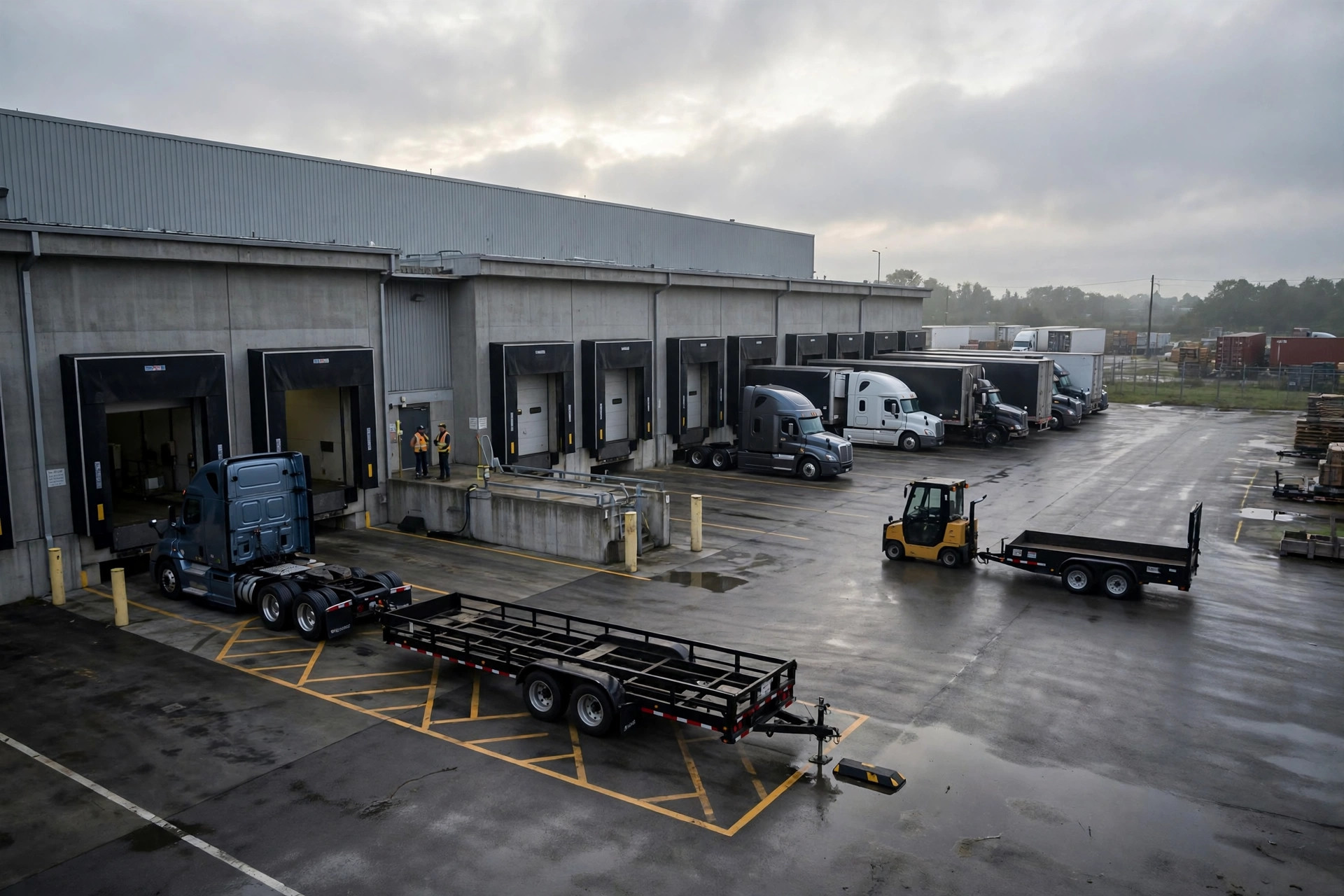
Here is the move I wish I had made a year earlier: drop trailer. If your warehouse has the yard space, a drop trailer program means the driver drops a loaded or empty trailer and leaves. No waiting for unloading. No detention clock ticking while your team works through the load. The driver shortage is, at its core, a shortage of driver hours, and every hour a driver spends sitting at your dock is an hour they are not driving the next load. Carriers notice which shippers waste their drivers' time, and in a tight market, they quietly deprioritize those shippers. Being a driver-friendly warehouse is not charity. It is a competitive advantage.
The math is simple enough to do on a napkin. Compare three ways of receiving a load:
| Receiving method | Driver time at your dock | Your cost exposure | When it makes sense | |---|---|---| | Live load/unload | Several hours, driver waits | Detention fees if unloading runs long | Small warehouse, no yard space | | Drop trailer | Minutes to drop and hook | Yard space and trailer management | Steady volume, room to park trailers | | Staged appointment with flex window | One to two hours | Occasional detention, lower than live load | In between, or while setting up drop |
We did not have a big yard. We had room for four trailers, and that was enough to start. The carrier brought two trailers, we kept one loaded spare, and the rhythm settled in within a month. Detention charges on that lane fell to almost nothing, not because the carrier got nicer, but because the driver's clock stopped being our problem. The catch, and there is always a catch, is that you now own trailer management: knowing which trailer is where, which one is loaded, which one needs maintenance. A whiteboard by the dock door handled it for us for a year before we bothered with anything fancier.
Negotiate Detention Before the Bill Arrives
Detention is the part everyone argues about after the fact, which is exactly the wrong time. The right time is when you sign the carrier agreement or renew the lane rate. We now ask three questions before any lane goes live: how many free hours before detention starts, what is the hourly rate after that, and what counts as proof of arrival and departure. Get it in writing. A driver arriving and waiting four hours is not automatically detention if the agreement says free time starts at the appointment time and the appointment was missed. Read the definition, not just the rate.
We also keep a simple detention log now: date, carrier, appointment time, actual arrival, actual departure, and what we were charged. It takes two minutes per load. Twice it has saved us real money, because the carrier's invoice showed detention on loads where our log showed the driver arrived late or left early. Without the log, you pay the invoice. With it, you have a conversation. One more thing: never let detention become a surprise line item your seller clients or your own finance person discovers at month end. We review it weekly during peak season. A detention bill that surprises you is a process failure, not a cost of doing business.
The counterintuitive lesson of the whole shortage, for me, is this: the warehouses and sellers who survive it best are not the ones who shout loudest at carriers. They are the ones who make a driver's day easier. Flexible windows, drop trailers, a bathroom and a place to park, a phone number that answers. Drivers talk to each other, dispatchers remember, and in a market where capacity is scarce, being easy to work with is a real strategy. It will not fix the national shortage. Nothing I do in my little corner will. But it decides whether your load is the one that moves this week or the one that waits until next week.
This move I tested myself, and it works: start with one lane, one carrier, and a flex window. Measure missed appointments and detention for a month. If the numbers improve, and in our case they did within weeks, roll it to the next lane. Do not try to redesign your whole network at once. One lane, one win, then the next.
By Ah K, E-commerce Seller (5 yrs)