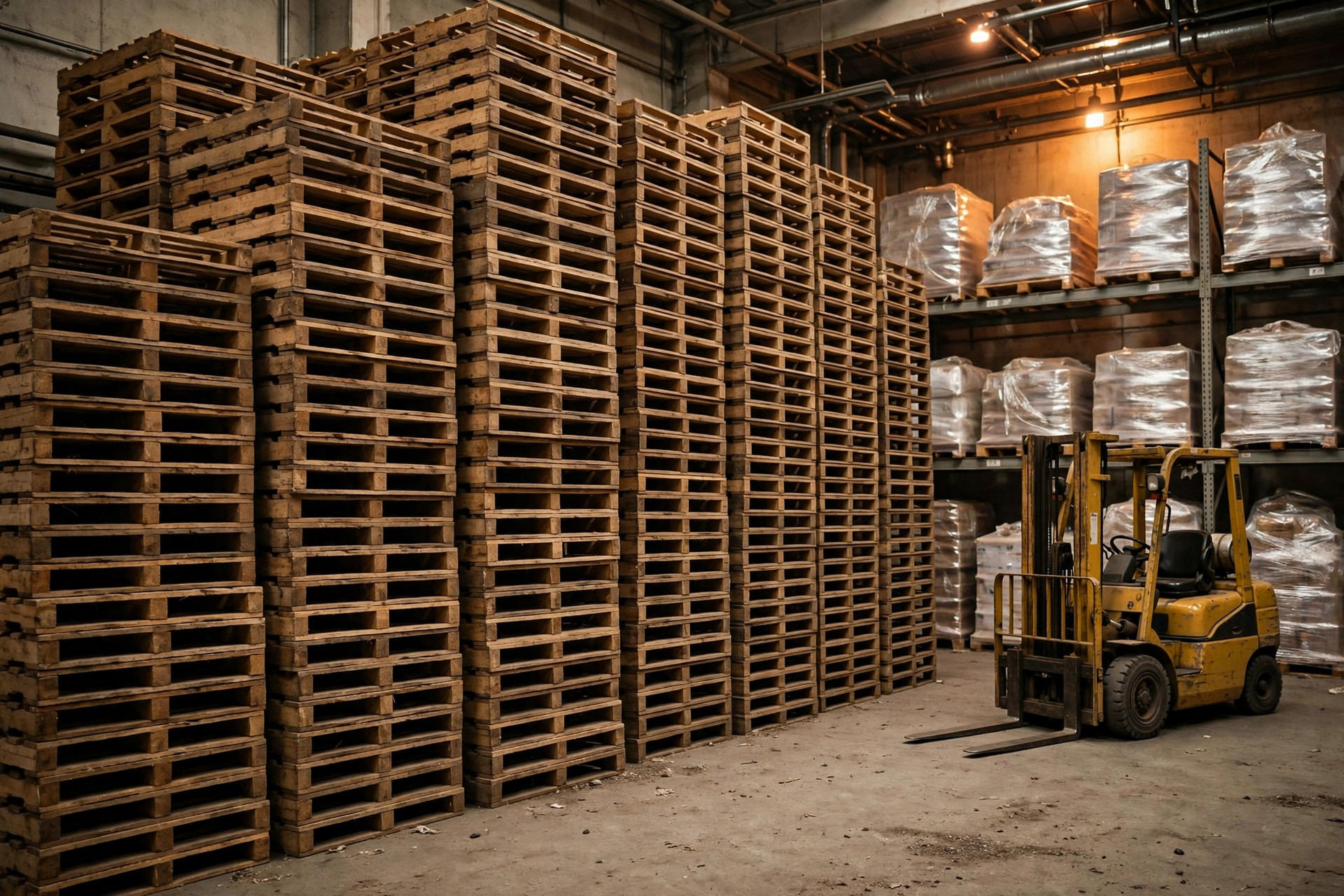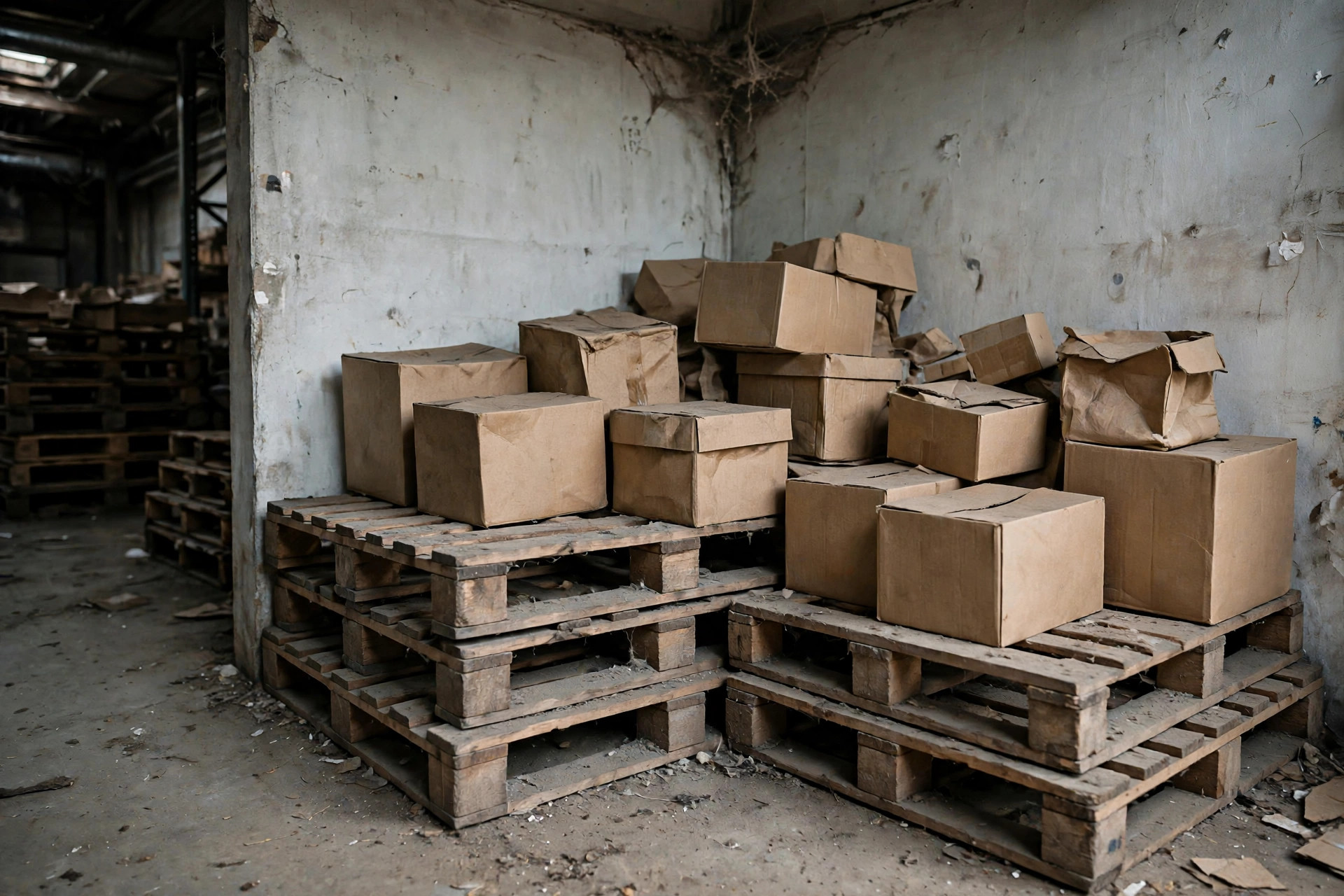
Let me tell you something. After all these years on the road, the saddest sight is not a traffic jam on the interstate. It is walking into a warehouse to pick up a load and seeing rows of dusty pallets — a warehouse overstock clearance channels problem if I ever saw one — sitting in the far corner, untouched. Last fall, picking up a shipment in Ontario, California, the manager pointed at two rows of high racks in the back and said: that stock has been sitting there almost a year. It does not move, and we cannot bring ourselves to throw it away. Overstock is not just boxes on a shelf. It is real money, pinned down. Warehouse overstock clearance channels are really one question: which road turns that pinned-down money back into cash, fast, and with the least damage?
I used to run a regular route for a small-appliance seller. They had an air fryer that sold well at launch, so the owner stocked thirty thousand units in one go. Then competitors cut prices, and his model stopped moving. The boxes sat in the warehouse for eight months. Storage fees came every month, and the packaging started to yellow. At first the owner refused to cut the price. Cutting the price, he said, meant losing money. So I sat down with him and did the math: the value of the goods was one thing, but the storage fees, the tied-up cash, and the rack space that could have held new stock — that was another bill entirely. In the end he cut the price by forty percent, sold most of it through discount channels, and bundled the rest off to a liquidator. And you know what? He got back more than he expected, because he finally stopped paying rent on dead stock.
Here is the thing. There are only a handful of warehouse overstock clearance channels, and each one pays differently and costs differently. First, the most dignified one: discount it yourself. Put a clearance price on your own store, or run a limited-time sale. The upside is that you control the price and your brand stays intact. The downside is speed. In a slow season it can take a month or two to move anything. This road fits goods that people still search for but find too expensive.
Then there is bundling. I have seen plenty of sellers do this: pair the slow mover with a bestseller, sell the bestseller at full price, and throw in the slow one at half price. Customers feel like they got a deal, and you move the dead stock along. The cost is that your bestseller's margin takes a small hit, and you have to get the ratio right. Bundle too much dead stock and you are using good products to subsidize bad ones.
The third road is liquidation platforms and discount buyers. These folks do this for a living. They buy in bulk, pay fast, and haul it away in one trip. I have run loads for liquidators — one truck pulls out, and the warehouse has an empty patch of floor the same day. That peace of mind is real. But be ready for the price: their offers are often only twenty to thirty percent of the original price, and they cherry-pick. Damaged packaging or rough-looking goods get marked down further.
What Each Warehouse Overstock Clearance Channel Actually Pays
Talk is cheap, so let us compare with a hypothetical example (all figures below are illustrative scenarios, not real quotes from any platform — check each channel's latest terms before you commit). Say you have overstock with an original retail value of one hundred thousand dollars, sitting for six months:
| Clearance channel | Cash back (illustrative) | Speed | Cost |
|---|---|---|---|
| Discount it yourself | Around fifty to sixty thousand | Slow, one to two months | Takes staff time and store traffic |
| Bundling | Around fifty thousand | Medium | Dilutes bestseller margins |
| Liquidation platform / discounter | Around twenty to thirty thousand | Fast, gone in days | Low price, buyers cherry-pick |
| Donation for tax relief | Tax value varies by jurisdiction | Medium | Needs compliant paperwork and records |
| Write-off and disposal | Near zero, may cost a disposal fee | Fast | Book the loss, no way back |
Look at that. The same pile of goods can return twice as much money depending on which of the warehouse overstock clearance channels you pick. So before you ask "how much can I get," ask yourself three questions first: is this stock still worth saving? How fast do I need the cash? And can I live with seeing my product show up in a discount channel?
When to Take the Loss, and When the Stock Can Still Be Saved
After all these years, my rule of thumb is simple: if stock has not moved in six months, stop waiting for "the market to come back." The market is not waiting around for your batch. I have seen too many owners hold on, hoping, while the packaging ages, spare parts get discontinued, and a new model comes out. Then the goods go from "sellable at a discount" to "only fit for disposal." Time is the biggest enemy of clearance. The longer you wait, the fewer roads you have left.
But not every pile of overstock has to be written off. I once hauled freight for an outdoor-gear seller with a batch of tents that had sat for most of a year. The owner was tearing his hair out. Then he changed the approach: instead of cutting the price, he put the tents into a camping bundle as a bonus item, paired with sleeping bags and ground mats. The whole batch cleared in a month, and the bundle's average order value went up. What does that tell you? Some goods are not unwanted — they are just in the wrong place, with the wrong partner. The test is one question: does this product still have real use value? If yes, find it a new scene to sell in. If no, or if it is so outdated nobody dares use it, stop agonizing and move it out.
Give the goods to a qualified charity and you may get a tax deduction. How much, and what paperwork you need, depends on your local tax rules — check the latest official policy, do not take anyone's word for it. I know a clothing seller who had a pile of out-of-season kids' clothes. He donated them, got a deduction, and earned a good name locally. Donation does not put cash in your hand, but for some stock it beats disposal. One warning: donation is not a way to dump garbage. Do not push defective or expired goods down this road.
Disposal and write-off is the last road. Getting there hurts — you book the loss on paper, and it stings. But sometimes disposal is the cheapest choice. A batch of goods nobody wants keeps eating storage fees every month. Write it off early, free the racks, and bring in stock that actually earns money. Before you dispose of anything, follow the process: photograph it, count it, destroy what needs destroying.
Before You Take the Loss, Ask How the Warehouse Overstock Got Stuck
This may not be pleasant to hear, but every time I see overstock, I want to ask: who decided to stock this much in the first place? Clearance deals with the goods. The disease is somewhere else. I knew a customer who got stuck with overstock three times in one year. Cleared it every time, then stocked too much again. It turned out the problem was in purchasing: sales gave an optimistic forecast, purchasing ordered to the highest number, and nobody owned the result. No clearance channel, however good, can keep up with that.
So here is my suggestion: while you are clearing the stock, write down how it got there. Why did we stock this much? Which step failed to hit the brakes? What is the cap for next time? Writing it down is not embarrassing. Pull it out before the next purchase order, and the money it saves will be more than any clearance ever returns. Picking the right warehouse overstock clearance channels only treats the symptom. Setting a rule for how much to stock — that treats the cause.
There is an old saying among us drivers: goods sitting in your hands are a cost; only money in your pocket is business. Do not drag clearance out. Every extra day is another day of rent and another bit of value lost. Taking a loss is not scary. What is scary is knowing the goods will not sell and still holding on, waiting for a miracle.
By Shifu Zhao, Trucking Veteran (15 yrs)