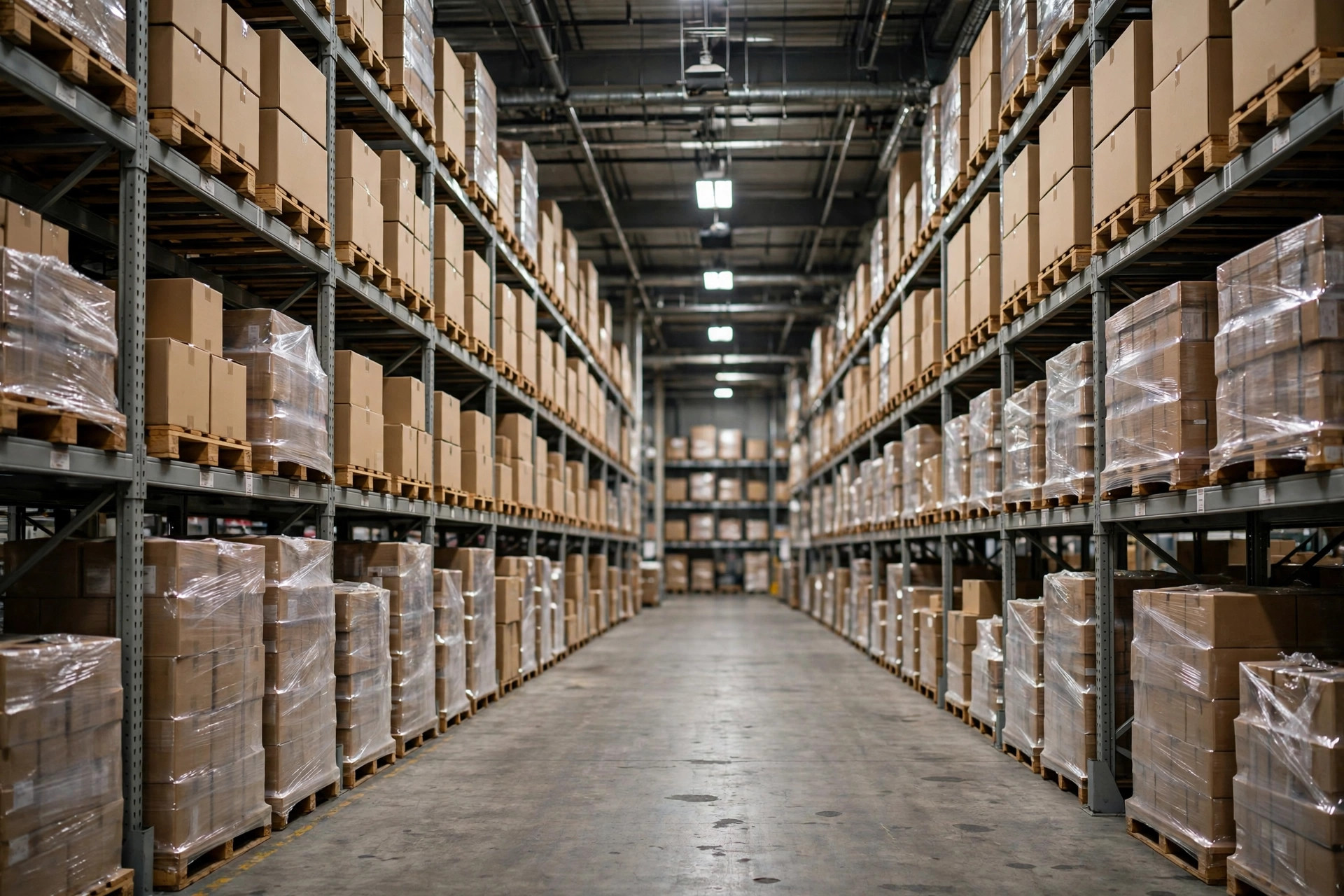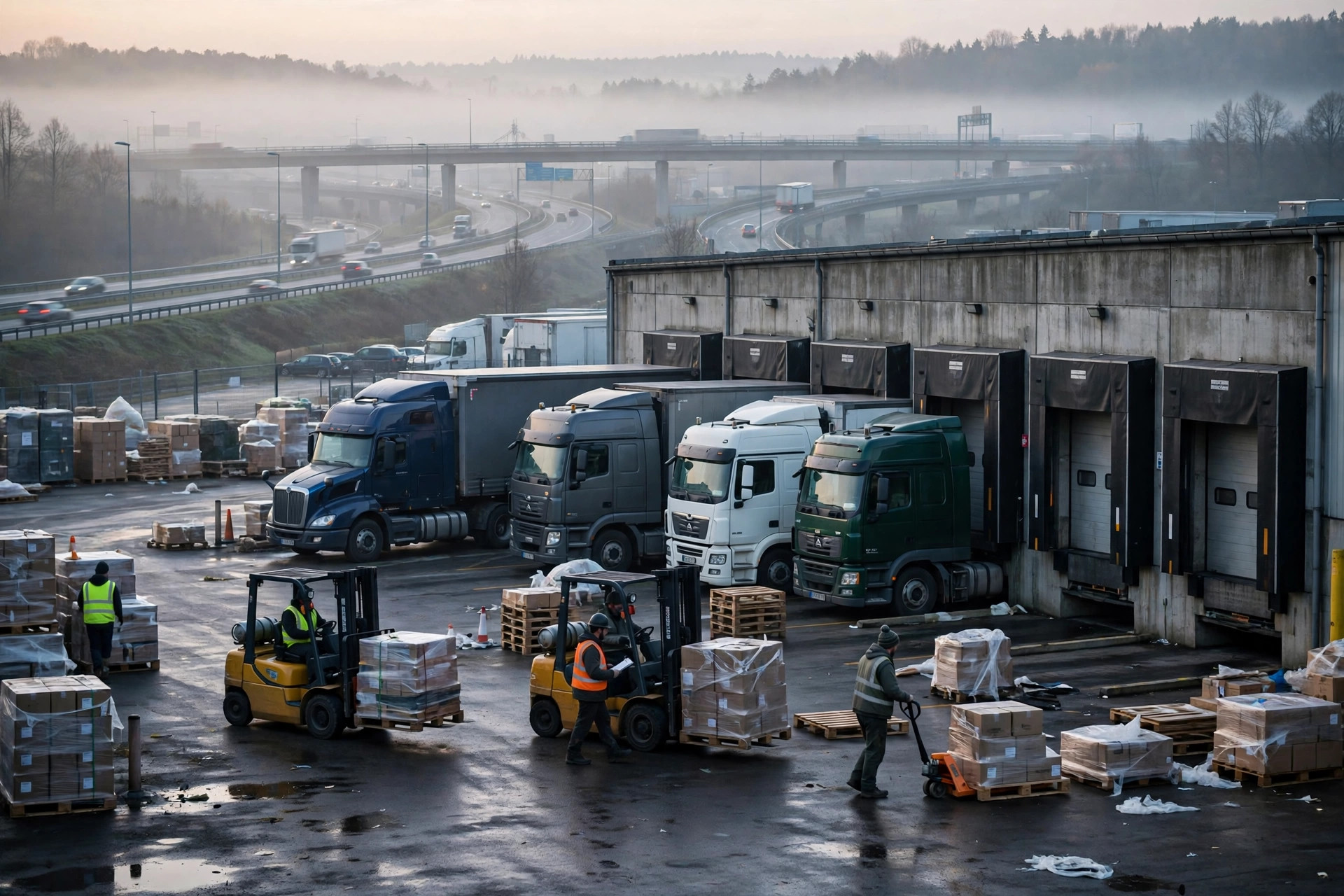
Let me tell you, I have spent years behind the wheel, and the thing that wears a driver down is not a long haul. It is a network that was never thought through. One night, years back, I picked up a load of small appliances from a single warehouse in Ohio, bound for customers scattered across three neighboring states. The shipper had one building, one crew, and one way of doing things. Halfway through the run, the load had to be broken down and handed off, and I sat at a truck stop for hours waiting for the connecting trucks to show up. The customers were already calling to ask where their orders were, and the shipper was calling me to ask why I was late. The road was not the problem. The warehouse multi-warehouse network design was: one node trying to serve a map it was never placed to serve.
Drivers see a warehouse network differently from people who only see it on a spreadsheet. On a spreadsheet, a warehouse is rent per square foot and a dot on a map. From the cab, a warehouse is deadhead miles, hours spent waiting at a dock, and the question of what happens when one building runs out of a product and there is no second building to cover it. One warehouse looks cheap until the trucks run far, wait long, and lose orders that a closer node would have kept. Too many warehouses look fast until the same inventory is sliced into so many pieces that every building needs its own buffer stock, goods shuttle back and forth between sites, and nobody can say with confidence where a given item actually sits. How many warehouses, where they sit, and how orders are split have to be decided together. Decide any one of them alone and the other two will punish you for it.
Multi-Warehouse Network Design Starts With the Order Map
I once hauled for a home-goods seller that started with a single warehouse in the Midwest. While orders were small, it worked fine. Then orders from the South and the West Coast kept growing, and every shipment out of that one building meant a long cross-country leg, extra handling, and delivery promises that got harder to keep during peak season. The seller added a second and then a third building, closer to where the orders actually came from, and split orders by delivery region. Most orders went out the same day, road time dropped sharply, and the drivers stopped spending their shifts waiting on handoffs. Nothing magical happened. The order map changed, so the network changed with it.
There is a plain way to read that map, and it does not need fancy software. Plot recent orders by destination region and see where the volume concentrates, then ask whether each concentration is big enough to support its own building. A region that cannot support a building will punish you if you build there anyway: stock sits, staff and trucks idle, and the building becomes a cost looking for a reason. A region with real volume, far from your existing buildings, is the one worth a serious look. Product character matters just as much. Bulky goods carry a heavy transport burden, so being closer to the customer pays off quickly. Small, high-value goods are less sensitive to distance, and a concentrated stock position often serves them better. Copying another company's map without asking what you sell and where your customers live is how good-looking networks go wrong.
How Many Warehouses: Multi-Warehouse Network Design and the Inventory Bill
Most people I talk to count two bills when they plan a network: rent and transport. They miss the biggest one, which is inventory. Go from one warehouse to three and safety stock does not simply divide by three. Each building needs its own buffer against its own demand swings, so the total buffer across three buildings usually ends up larger than the buffer one building needed. A shipper sees the rent on the new lease and misses the cash tied up in the extra stock until the end-of-season count, when the shelves are full of leftovers. I talked with an apparel shipper who stocked the full range in three regional buildings, and when the season turned, every building was left holding tail sizes that took months to clear. Whatever the shorter hauls saved was swallowed by that clearance effort.
Here is the contrarian judgment drivers learn the hard way: more warehouses do not automatically mean better service. Add nodes without fixing the splitting rules, and the system may send an order to a building that has stock but sits far away, or to a nearby building that is out of stock, while the right building sits untouched. I have seen the messiest version of this, where two buildings both held a product and the staff split orders by feel, one day this way, the next day that way, until the inventory records matched nothing on the shelves. My view is blunt: fewer warehouses with clear rules beat a pile of warehouses with muddled rules. The right size of a network depends on whether you can actually manage the stock and the splitting. If you cannot manage them, each extra building is a liability dressed up as coverage.
| Layout | Road time | Stock duplication | Management effort | Fits best when |
|---|---|---|---|---|
| One central warehouse | Long | Low, stock concentrated | Low | Small volume, wide range, low transport share |
| Two or three regional warehouses | Moderate | Moderate, key items in each | Moderate | Orders spread across two or three regions |
| A warehouse in every major region | Short | High, every site needs cover | High | Large volume, bulky goods, tight delivery promises |
That table is not an answer key. It is a frame for your own arithmetic. Lay your order volume, your product size, and your delivery promise against it, and see which row keeps looking sensible. The row that does not fit is telling you something too.
Write the Order-Splitting Rules Down, Don't Keep Them in Someone's Head
Once the buildings are set, the splitting rules are what actually run the network day after day. The rules have to answer plain questions. When an order arrives, what comes first: the nearest building, the building with stock, or the cheapest lane? When one building is short, do you wait for replenishment, split the order across two buildings, or hand the whole order to another site? When peak season floods the system, do the rules change, and who is allowed to change them? If those answers live only in people's heads, peak season will expose it. One wrong split is one complaint, and a week of wrong splits is a reputation problem.
The best-run warehouse I hauled from had its rules written in plain language: default to the building nearest the delivery address, fall back automatically to a second building on a stockout, require a check before any split shipment, and log every cross-site transfer separately. Drivers and warehouse staff knew which dock door the day's freight would leave from without a phone call. Another site ran on the shift lead's memory, and the week that lead took time off, splitting fell apart: one customer's order went out from two buildings on two days, and the customer assumed something had gone wrong. Splitting rules look dull on paper. In practice, they are the skeleton of the whole network.
One more piece of advice, for shippers and warehouse teams alike: a network is not a one-time decision. Order regions shift, product ranges change, and transport conditions change with them. Pull the order map out again at intervals and ask whether it still matches the buildings. Has volume in one region fallen enough that a building should be consolidated? Has a new region grown enough to deserve an early plan? That review does not need to happen every week, but it cannot go years without happening. Building a network without doing the arithmetic is hard. Building one and never revisiting the arithmetic is harder.
Sharpen the axe before you cut the wood. Before signing a lease, map the orders, work through the transport bill, the inventory bill, and the management bill, and only then settle how many warehouses, where they go, and how orders are split. Get that right and the trucks run smooth, the freight arrives on time, and the stock stays lean. That is the version of the job every driver hopes to see.
By Shifu Zhao, Trucking Veteran (15 yrs)