Let me tell you something. Fifteen years I've been running these highways, and the thing I dread most isn't traffic. It's pulling up to a warehouse gate and finding nobody there to load my truck — and lately, with forklift operator hiring this tough, that happens more than you'd think.
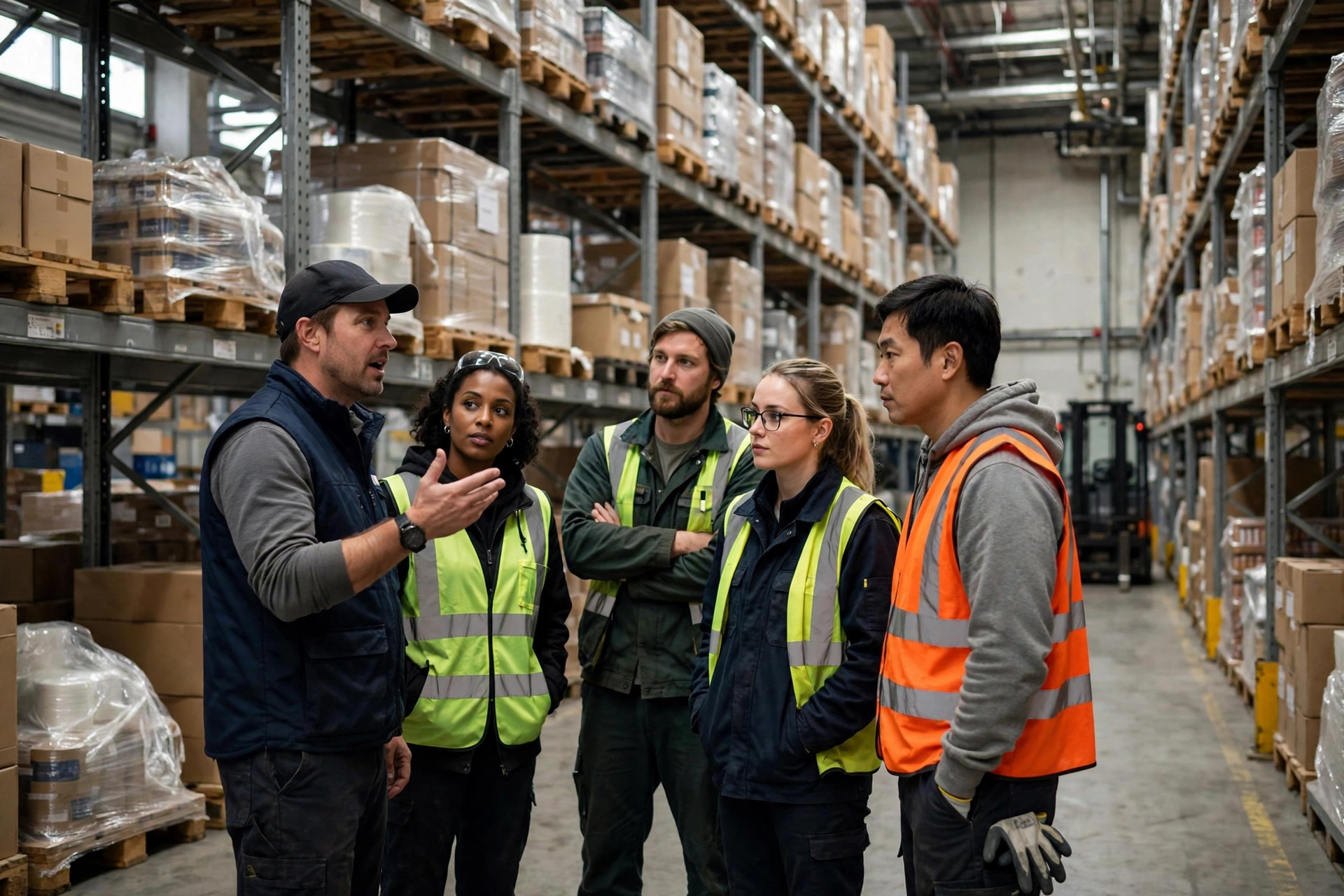
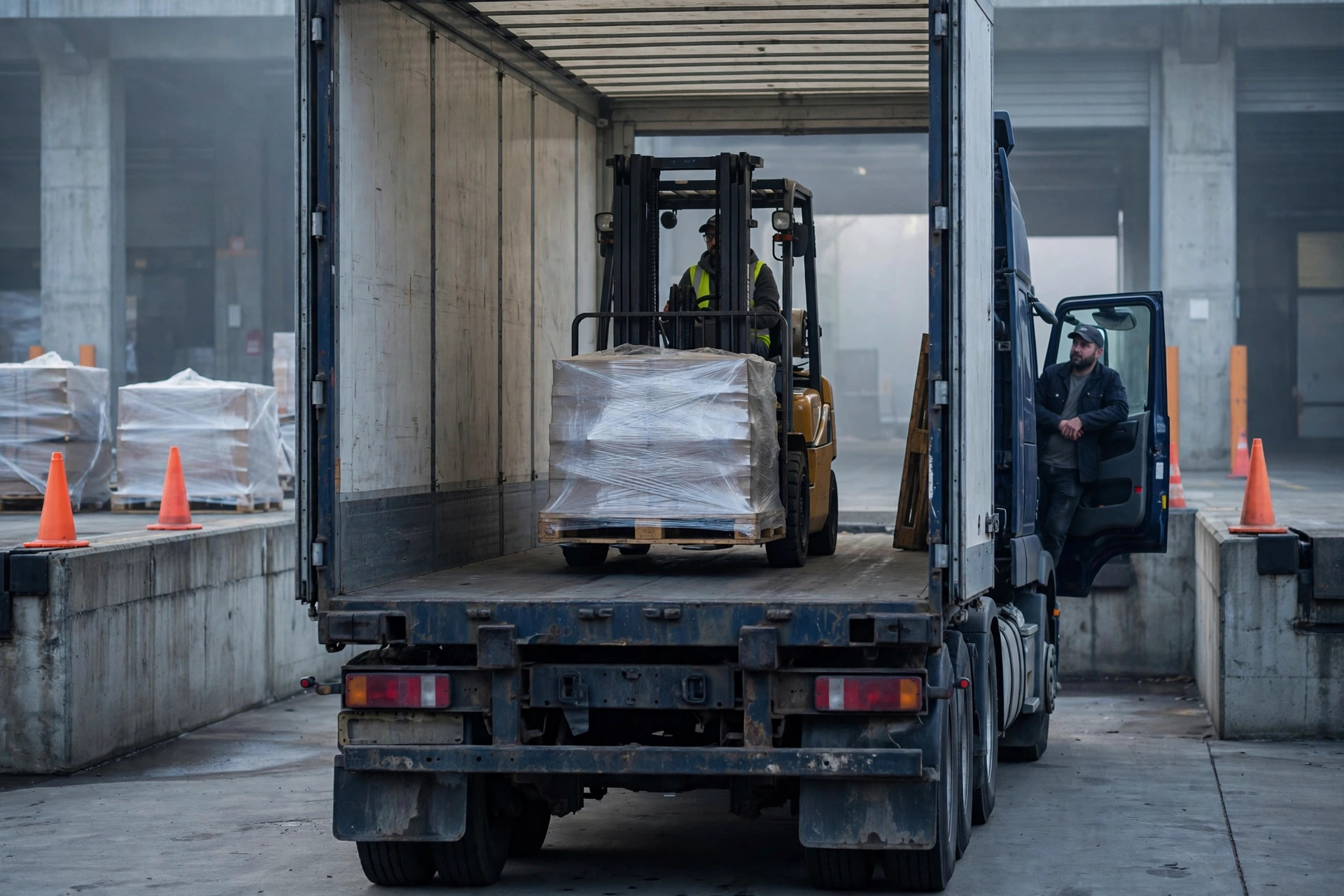
Two falls ago I hauled a load down to a warehouse in Fontana. Got there at seven in the morning, and the guard told me three trucks ahead of me — get in line. Fine. Waiting is part of the job. But that wait stretched to two in the afternoon. The guy ahead of me finally got out to ask what was going on, came back and said: two of their forklift men had quit the same week, one kid left doing both unloading and loading, running himself ragged.
The boss was pacing by the gate, venting to us drivers. Two months he'd been trying, and forklift operator hiring had turned up nothing. The ones who showed up either couldn't hack the night shift or quit after two days saying the work was too rough.
Sitting in my cab watching that kid run his forklift back and forth, it hit me: we truckers always complain about the driver shortage, but compared to finding good forklift hands, hiring drivers is the easy part. Good drivers are hard to find. Good forklift operators are harder — and even harder to keep.
Why Forklift Operator Hiring Is So Hard
Here's the honest truth. Driving a truck: get your license, learn to back up, read the road, and you can run anywhere. A forklift is a different animal. It looks small. Don't let that fool you — there's just as much craft in it as in an eighteen-wheeler.
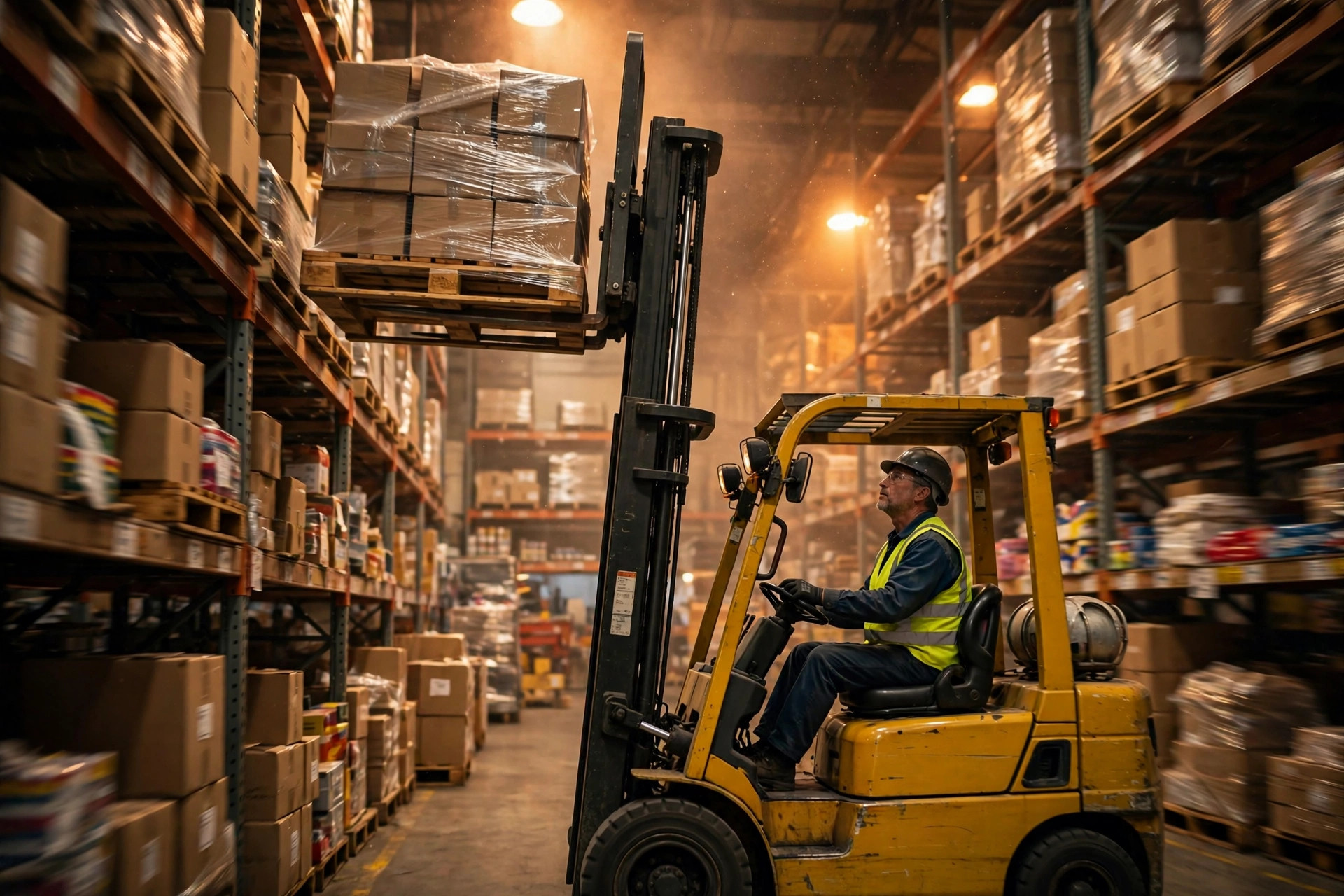
Backing into a narrow racking aisle, judging fork height by feel, knowing how deep to slide into a pallet — that's all touch. A rookie takes two hours to load a trailer and the pallets come out crooked. A veteran does it in forty minutes, stacks them straight as a ruler, and they don't shift an inch over five hundred miles of highway. Shippers can't always see that difference. We drivers see it the second the doors open at the other end — how the freight rode tells you everything about the hands that loaded it.
And that's what makes it hard. The job demands skill, patience, and a strong back, all at once. Warehouses freeze in winter and bake in summer. Night shifts chew people up. The dust, the noise, the physical grind — young folks would rather deliver food, and the old hands' backs and necks give out eventually.
Pay? I've talked to warehouse owners around here. Forklift operators make somewhere in the high teens to mid-twenties an hour, a bit more for a seasoned hand. Doesn't sound terrible — until a young guy does the math and realizes company truck drivers make about the same without breathing warehouse dust all day. So he goes and gets his CDL instead. That's the first trap of forklift operator hiring: the pay sits in the middle — not enough to brag about, while the job still carries that "no future in it" reputation.
Poach a Veteran or Train Your Own? The Math of Forklift Operator Hiring
There's a warehouse in San Bernardino I run to regular. They've got a forklift man there — call him Old Ray — going on ten years. When Ray's loading me, I'll gladly wait an extra half hour. Why? His loads never give me trouble. Pallets stacked rock-solid, heavy on the bottom, light on top, fragile stuff given its own spot. Once I hauled a trailer of glassware for them and my stomach was in knots. Ray slapped the door and said: "If a single piece breaks, you come back and find me." Five hundred miles later, not one piece broken.
His boss told me Ray makes a couple bucks more an hour than the going rate, gets an extra month's bonus every year, and collects a stipend for every apprentice he trains up. Ten years, and Ray hasn't budged.
The warehouse next door? Different story. New forklift crew every few months. Racks banged all to hell by rookies — one of them took down a whole bay once. The boss never told me what that cost, but for weeks after, the line of trucks waiting at their gate stretched out to the street.
Let's break down the math:
| Poach a veteran | Train your own | |
|---|---|---|
| Cost | A few bucks more an hour — a few thousand extra a year | Weeks of mentoring; low output and costly mistakes while the rookie learns |
| Peace of mind | Productive from day one, steady load quality | A month or two before they're reliable, white knuckles the whole time |
| Risk | A veteran can still be lured away by a higher bidder | You train them up and they jump ship for better pay |
Either way, there's risk. But fifteen years on the road taught me something counterintuitive: the turnover problem isn't really about the money.
Ray told me once he'd had higher offers. Why stay? "My boss treats me like a person," he said. "In meetings I'm Old Ray, not 'the forklift guy.' When my daughter started college, the boss slipped me a red envelope. Night shifts — he asks me first if it works." Listen to that. What keeps a veteran isn't two extra dollars an hour. It's being treated like a human being.
And those warehouses cycling through crews every few months? I've seen how they run: supervisors screaming over the radio, forklift men chewed out like children; back-to-back night shifts that would break an iron man; ten years in and you're still "the forklift guy" with nothing to look forward to. Pay all you want — people won't stay. Everybody wants respect. That goes for forklift operators too.
What Makes a Good Forklift Operator: Forget Fast, Look for Steady
Here's something only drivers really understand. A lot of warehouses hire by watching how fast a candidate drives. That's dead wrong.
I've seen plenty of fast rookies — pedal to the metal, dented racks at best, and at worst a pallet coming down from height and wiping out half a load of freight. The mark of a good operator is one word: steady. No clipped racks, no crushed pallets, loads stacked tight, freight handled gentle. Steady is what makes you fast — Ray loads a trailer in forty minutes not because he drives like a maniac, but because he never has to redo anything.
So here's my three pieces of plain advice for warehouse owners, learned the hard way at the loading dock:
First, don't just check the certificate — watch them drive. A license only proves they sat through training. Real skill shows in two laps: backing into a tight aisle, sliding forks into a pallet clean, setting a load high without shaking. Two laps tells you everything.
Second, keep people with a future, not with promises. Pay a stipend for training apprentices. Step up the pay grade with years in. Give the veterans their proper standing. At Ray's warehouse, every apprentice's badge says "trained by Old Ray" — that kind of face is worth more than a dollar raise.
Third, don't schedule people like machines. Back-to-back nights, twelve-hour days — nobody's body holds up. Tired hands get sloppy, and sloppy hands take it out on the racks. Save the overtime money; make a schedule with some humanity in it.
We have an old saying in this trade: trucks are made of iron, people are made of flesh. The finest warehouse in the world can't load straight if it can't keep its forklift men. Bad loads make nervous drivers. Nervous drivers make shaky business for the shipper. It's all one chain, and people are the first link.
So, warehouse owners: when it comes to hiring forklift operators, don't stare only at the pay stub. Put some heart into the people part — know their names, give them something to look forward to, schedule like they're human. Keep one Old Ray, and he's worth ten rookies.
That's what I learned waiting at the gate. Believe it or not — up to you.
By Shifu Zhao, Trucking Veteran (15 yrs)