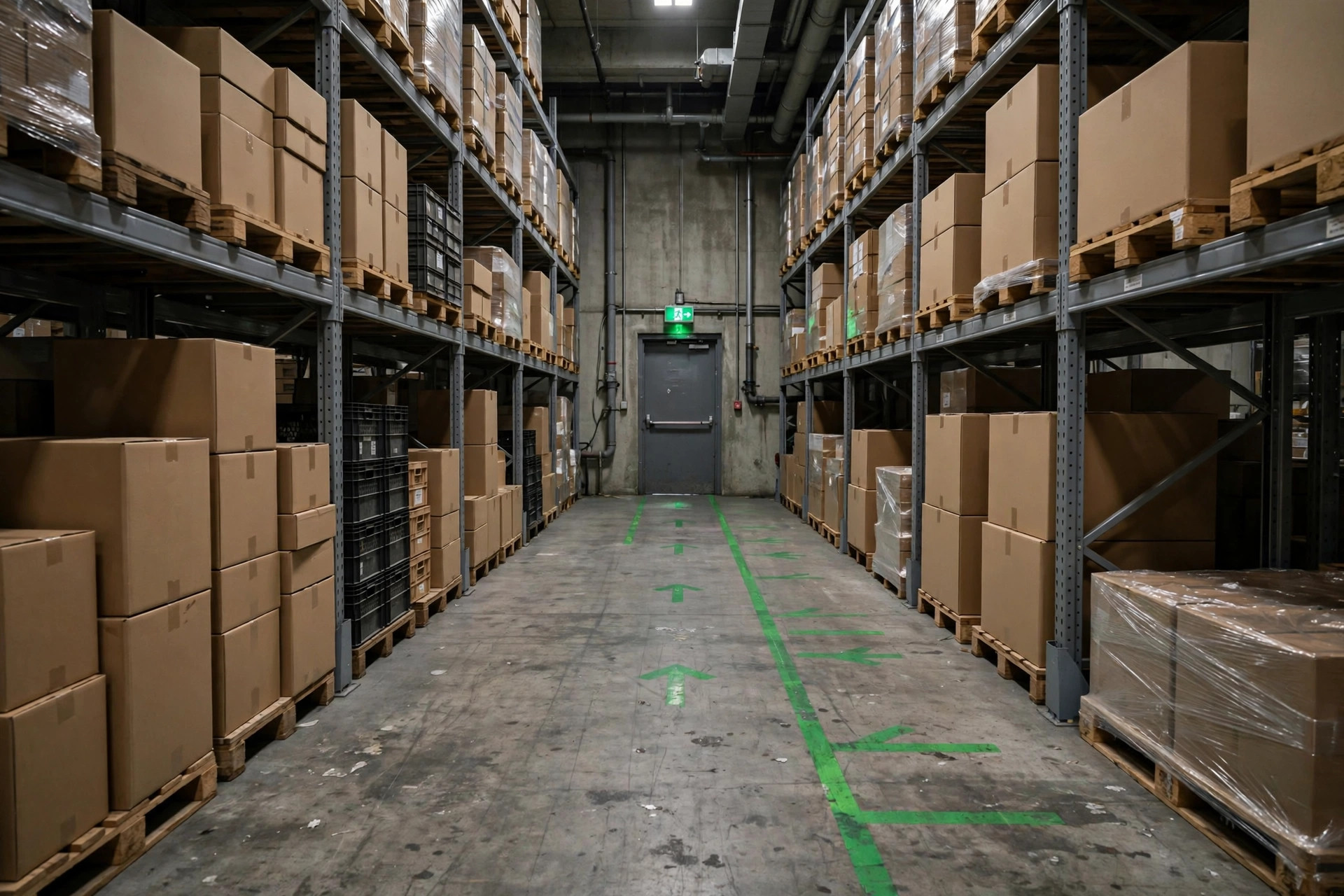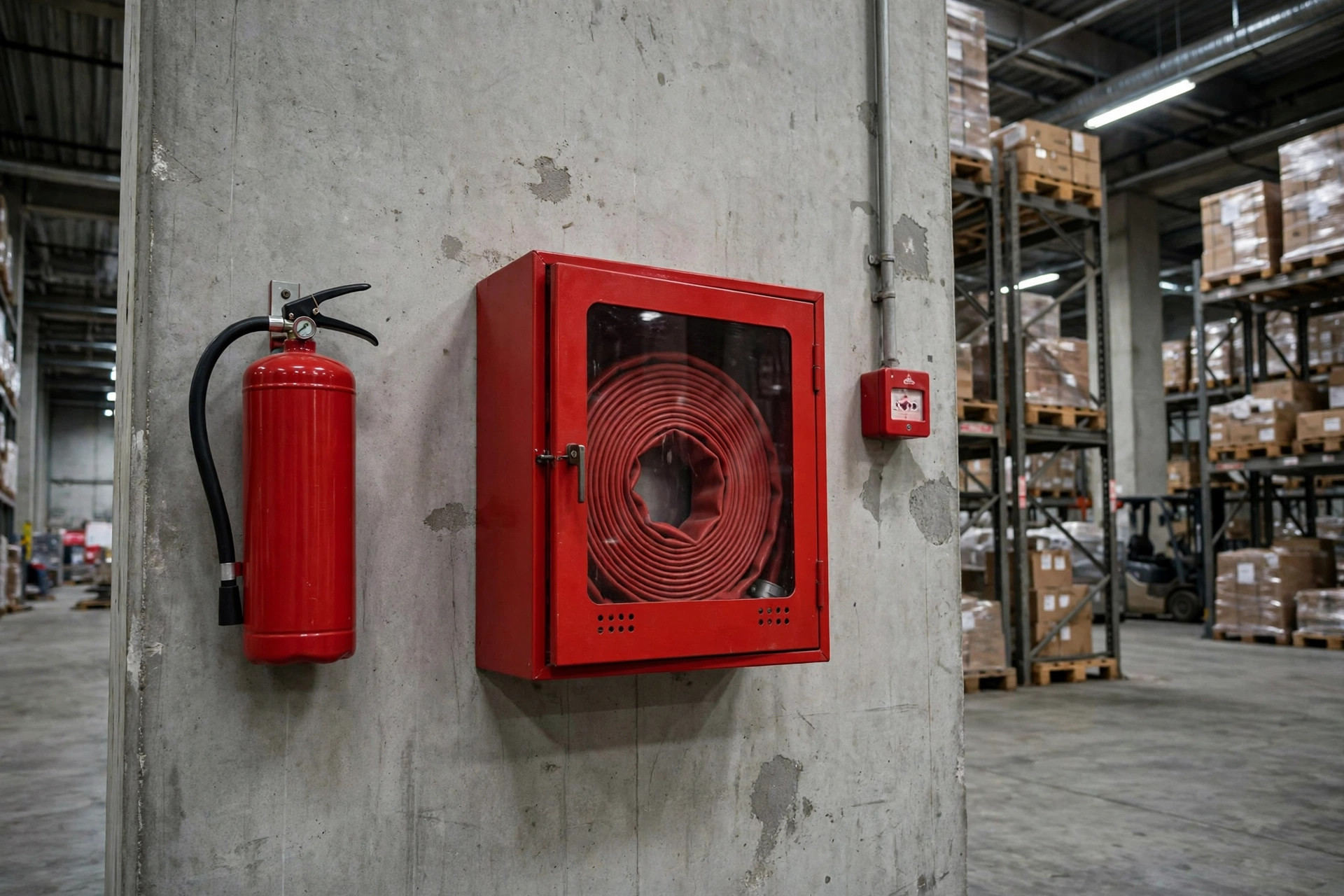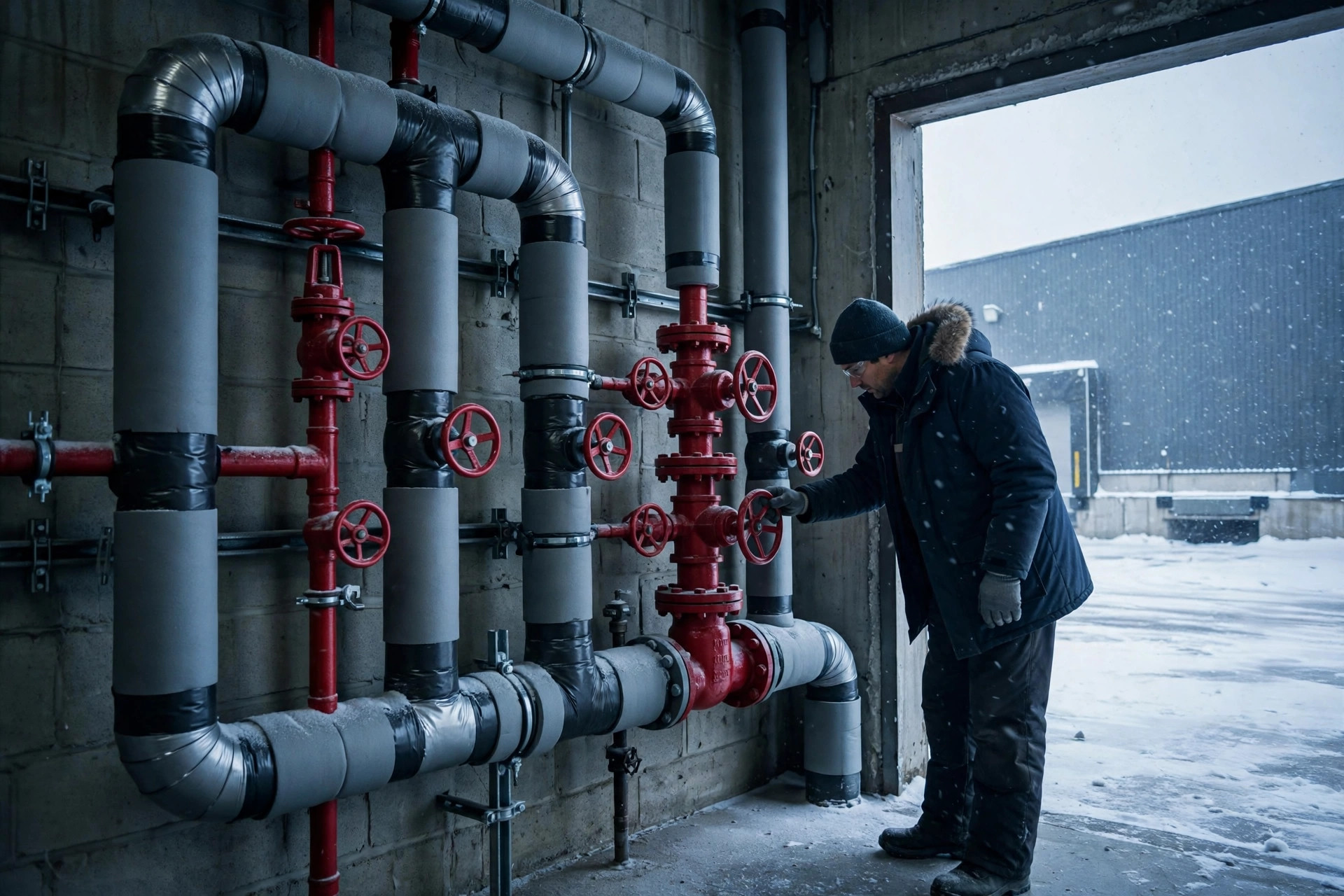
Every October, I do the same thing when I walk into a warehouse up north: before I look at the racks or the dock schedule, I push open the fire sprinkler riser room door and put my hand on the heater.
That habit is thirteen years old now. Back in the winter of 2013, I was working with a 3PL outside Chicago when a cold snap rolled through in early December. The electric heater in the riser room tripped sometime overnight. Nobody noticed. The next morning, the crew opened the door to a sheet of ice across the floor and a split in the pipe right at the valve assembly. It had been spraying all night. A few hundred cartons of merchandise were soaked through. The repair bill for the pipe was the smallest line item on that claim — the damaged goods, the cleanup, and the insurance back-and-forth cost many times more.
Fire suppression is the system everyone ignores until the day it ruins their quarter. And in northern warehouses, winter is when it fails. Here's what two decades of walking these buildings has taught me about keeping sprinkler systems alive through a freeze.
Where wet systems actually freeze
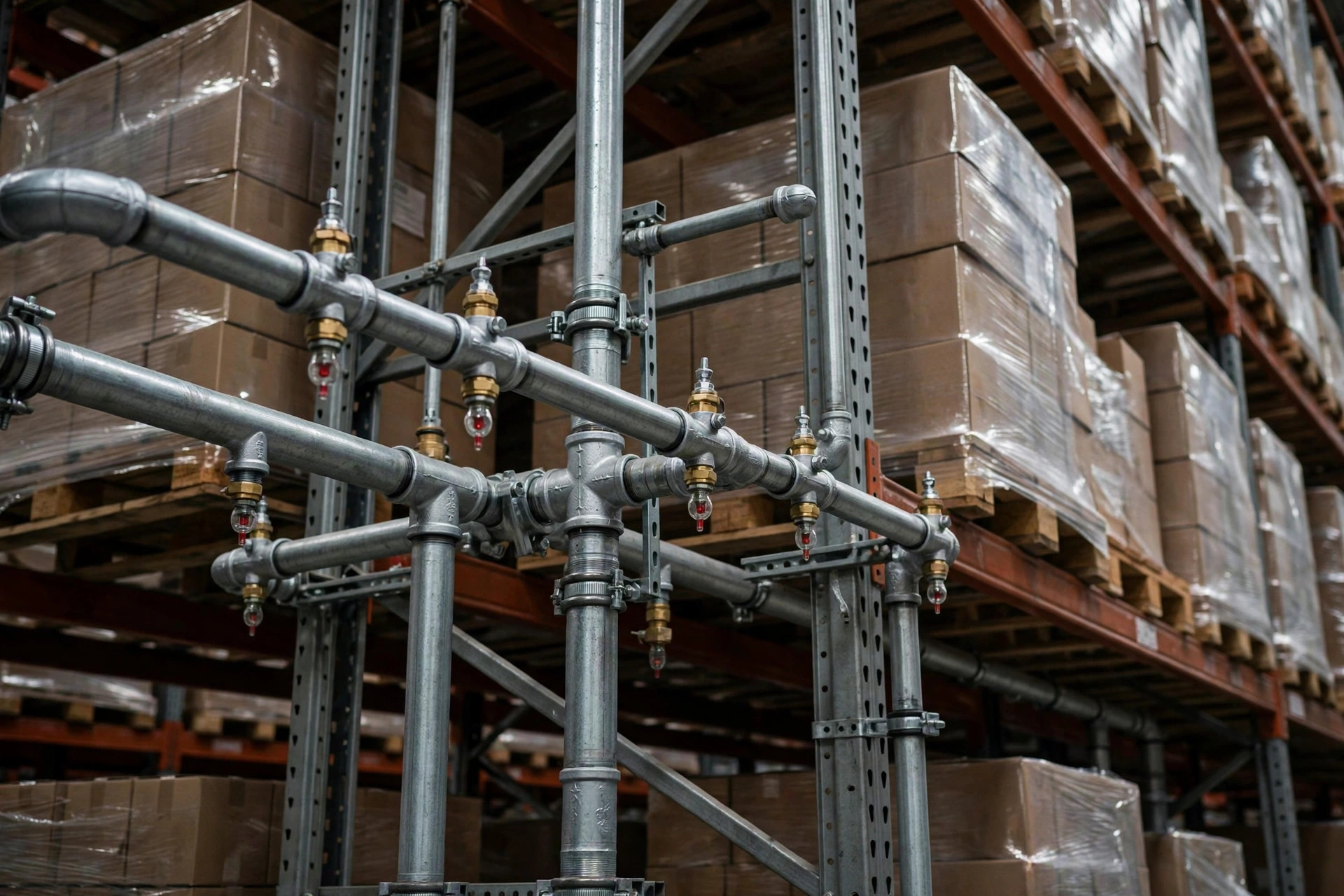
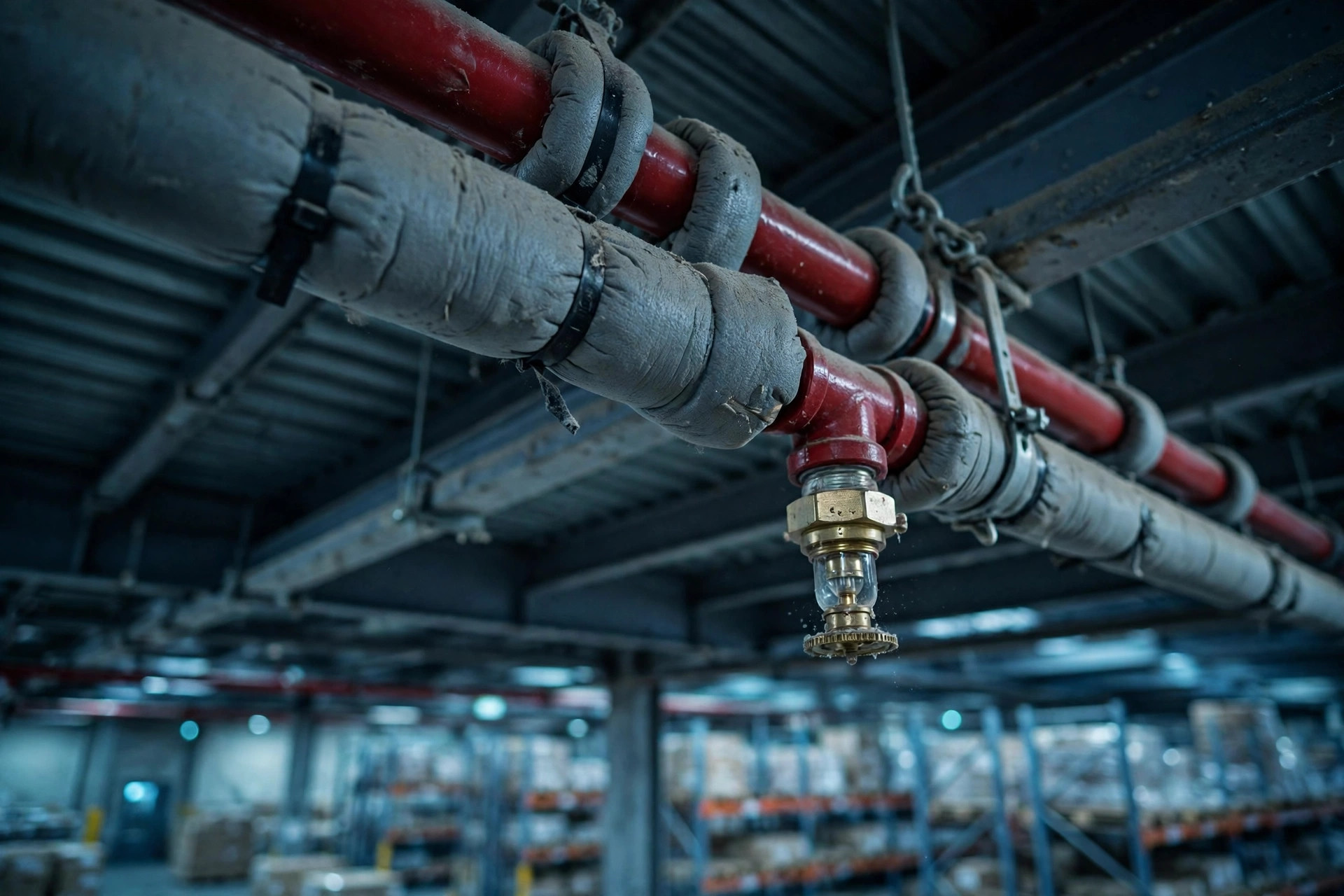
Most warehouses run wet-pipe sprinkler systems: the pipes are full of water at all times, so the moment a head pops, water is already there. That's the upside. The downside is that every foot of that pipe is a freeze risk.
Water freezes at 32°F, but the code draws the line higher. NFPA 13 requires that any area housing a wet-pipe system be maintained at or above 40°F (about 4.4°C). If you expect temperatures below that, freeze protection isn't optional — it's required. Fire Engineering's training guidance lists the usual suspects: exterior walls, loading docks, concealed spaces, penthouses, stair towers. In warehouse terms, that means four places freeze first.
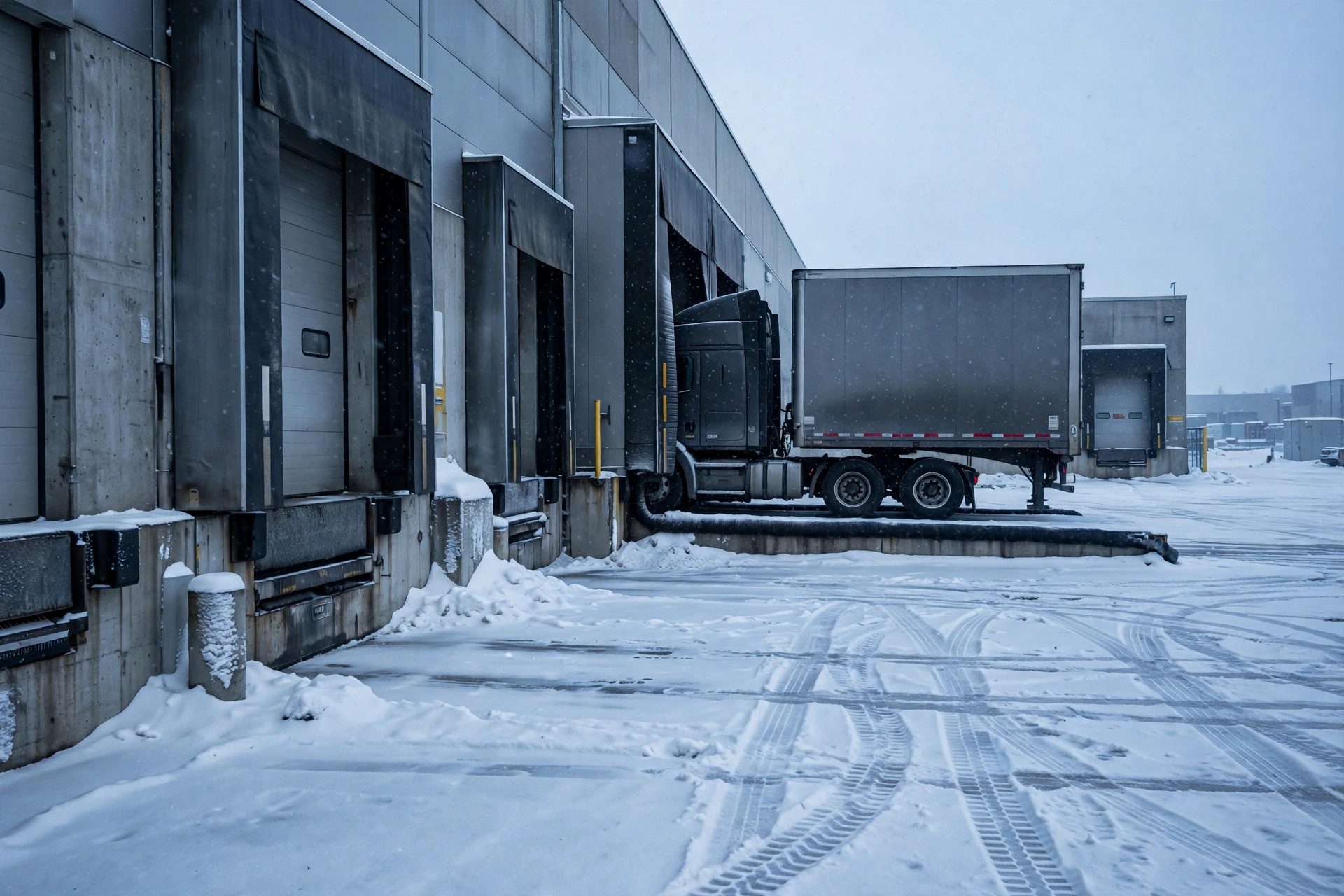
Low points. No matter how carefully the pipe was hung, there are always low spots where water collects after testing or an accidental trip. That trapped water freezes into a plug, expands, and splits the fitting. Riser rooms. Many are built against exterior walls with thin insulation, and their heating is often an afterthought — a single space heater nobody checks. Wall penetrations. Where pipe passes through an exterior wall, the wall acts as a thermal bridge; the pipe runs several degrees colder there than the room around it. Insulation slows that down; it doesn't stop it. And above dock doors. A dock door cycles dozens of times a day, blasting the branch line over the header with cold air every time it opens.
The most frustrating freeze I ever saw wasn't any of the obvious ones. A facility had done everything right — heated riser room, fresh insulation everywhere — except that at one wall penetration, the insulation sleeve had a two-inch gap. Cold air found the gap overnight and bulged that one short section of pipe. When you walk the system, don't just scan the big runs. Run your hand along the awkward corners. That's where freezes start.
Dry and preaction systems have their own winter problems
The obvious question: why not just go dry everywhere and keep water out of the pipes? Dry-pipe systems do solve the freeze problem in unheated areas, but they trade it for three others. First, they're slower — the system has to exhaust its compressed air before water reaches the head, which costs precious seconds in a real fire. Second, they're not actually dry. Every test and every false trip leaves water clinging to the pipe walls, and it all migrates to the low points. That's why dry systems have auxiliary drains — drum drips — at every low point, and NFPA 25 requires those drains to be emptied during cold weather. I've seen a dry system in a cold-storage facility split an elbow because nobody had drained the drum drips in two years. Third, dry systems cost more to install and maintain.
Preaction systems go a step further: pipes stay dry until a detector trips, then fill. They're the right answer for cold storage and data halls where an accidental discharge would be catastrophic. For an ordinary dry-goods warehouse, they're overkill — expensive, complex, and demanding on maintenance. My rule of thumb is simple: heated space gets wet pipe plus insulation plus heat tracing; unheated areas like dock aprons and exterior corridors get dry pipe, with drum-drip drainage on the inspection checklist; preaction is reserved for genuinely water-sensitive environments. Don't buy a preaction system to avoid thinking about winter — you're just buying a more expensive set of problems.
Antifreeze loops are another tempting shortcut, and the code treats them with deep suspicion for good reason. After incidents where over-concentrated antifreeze actually fueled fires, NFPA clamped down hard: in existing systems, glycerin can't exceed 50% by volume or propylene glycol 40%; any newly introduced solution has to be factory-premixed — glycerin capped at 48%, propylene glycol at 38% — and concentration has to be tested annually before freezing weather, with records kept at the riser. If you're a small operator thinking antifreeze will save you the trouble of heat tracing, run the math on testing, replacement, and documentation first. It's rarely the cheap way out.
The pre-winter calendar
Freeze protection is really just a calendar. Here's the one I run for northern facilities.
By mid-October, walk the entire system. Touch the low points, the riser room, the wall penetrations, the lines over the dock doors. Note every damaged or missing piece of insulation and get it fixed within the week. Power up the riser room heater and confirm the thermostat actually works — discovering a dead heater in December is a failure of planning, not of equipment.
By end of October, drain every drum drip on dry systems and confirm the drain valves operate freely. Give wet systems a full visual pass for weeping joints — a joint that's already seeping is the first to freeze. If you run antifreeze, pull samples, test concentration, and file the records.
Before the first cold snap in November, make the temperature rule explicit with night shifts and security: anything below 40°F in the riser room gets reported immediately. A cheap Wi-Fi temperature sensor that pings your phone costs less than a dinner out and never sleeps. Tighten dock door discipline too — doors stay closed when there's no active loading, and torn dock curtains get replaced now, not in January.
The honest bottom line: freeze protection is small money. Insulation, a heater's electricity, half a day of inspection labor. One burst pipe is the opposite — the pipe repair is the cheap part, and the soaked inventory, the downtime, and the insurance fight are the expensive part. Spend the half day in October. It's the highest-ROI work in warehouse operations.