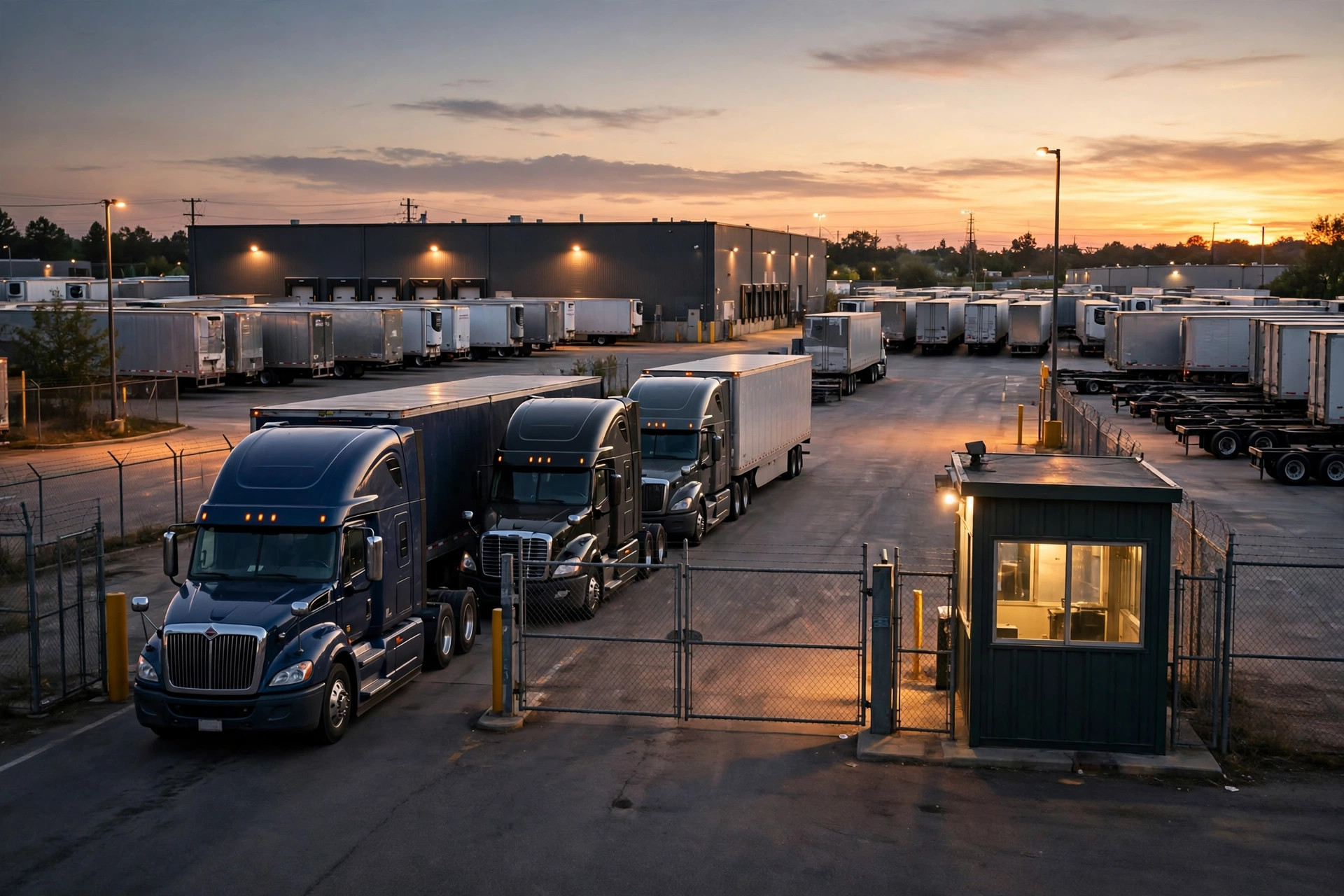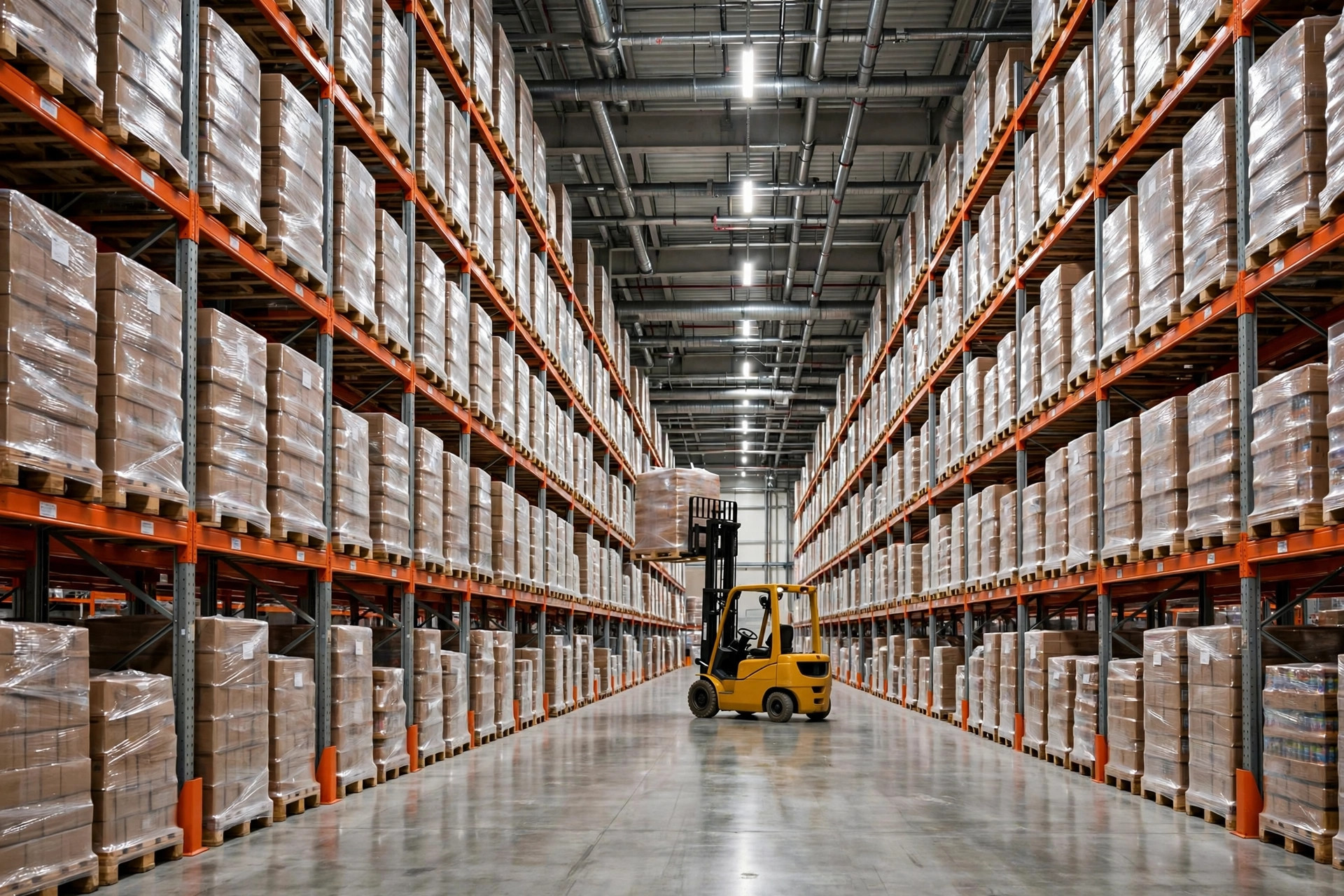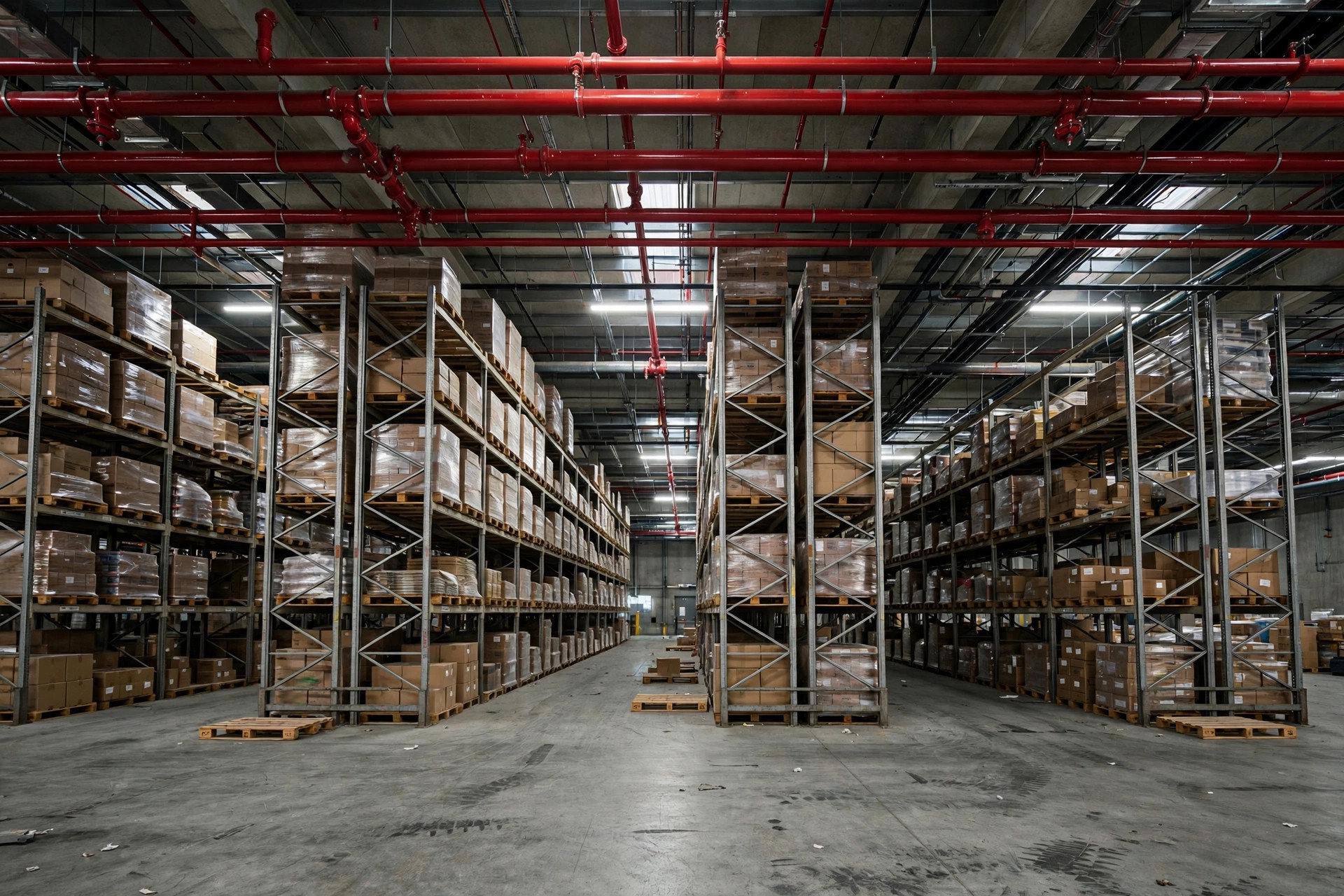
Start with the number: a 10,000 sq ft warehouse, wet sprinkler system, published quote range $20,000–$40,000. 20,000 sq ft: $20,000–$140,000. 50,000 sq ft: $100,000–$350,000. Search "warehouse fire sprinkler system cost" and this is the range you'll find — wide, because new build and retrofit are two completely different ledgers. Every figure below is a published quote range; your actual bid governs.
Same hardware. New build vs retrofit can differ by 2x or more. Let's split the two ledgers.
Warehouse Fire Sprinkler System Cost: New Build vs Retrofit
New construction, wet system: $1.50–$3 per sq ft in published ranges. Retrofit: $2–$7, up to $10 for complex jobs.
Where does the gap come from? New build is open framing — pipe goes in cheap, labor is cheap. Retrofit is working under someone else's roof: racks to move, product to cover, construction while the operation keeps running. Labor hours roughly double. The pipe itself isn't much more expensive. The hassle is.
| New build | Retrofit | |
|---|---|---|
| Wet system unit price (USD/sq ft) | 1.50–3 | 2–7, up to 10 for complex jobs |
| 30,000 sq ft wet system total | $45,000–$90,000 | $60,000–$210,000 |
| Hidden costs | Barely any | Downtime, moving racks, pump house / tank often extra |
| How it's built | Alongside general construction | Around a live operation, slower |
Two cases.
In 2024, a 50,000 sq ft new build in the Inland Empire came in at $2.20/sq ft for a wet system — about $110,000 total, installed alongside general construction, done in two months. The reason it's cheap is boring: one mobilization, pipe, hangers and heads in a single pass, no second trip.
Fall 2023: a 3PL doing e-commerce fulfillment in Ontario leased a 40,000 sq ft older building. The landlord said the existing sprinklers didn't meet current code — upgrade required. Three fire protection contractors bid: $170k, $200k, $240k. High to low differed by 41%. They closed at $185,000, roughly $4.60/sq ft. Note that this excluded the aging fire pump house, which added another $30k+.
$110k new vs $215k retrofit at comparable footprints. That is the entire answer to "why is retrofit so expensive": labor, downtime, and old buildings always hiding surprises.
Where the Money Goes in a Sprinkler System
System type drives the unit price (published ranges, USD/sq ft):
- Wet system: $2–$4. The default for heated warehouses.
- Dry system: $3–$6. Unheated buildings and cold storage — pipes hold pressurized air instead of water so nothing freezes. 50%+ more expensive.
- Pre-action / deluge: $5–$10. High-hazard commodities; ESFR heads for high-piled storage live in this band.
A trade-off worth running: for an unheated building, you either install a dry system or heat the building and install wet. On one side, the 50%+ premium of dry; on the other, the ongoing energy cost of heating the whole box. Put the two numbers side by side and pick the smaller one. Don't go by feel — run it.
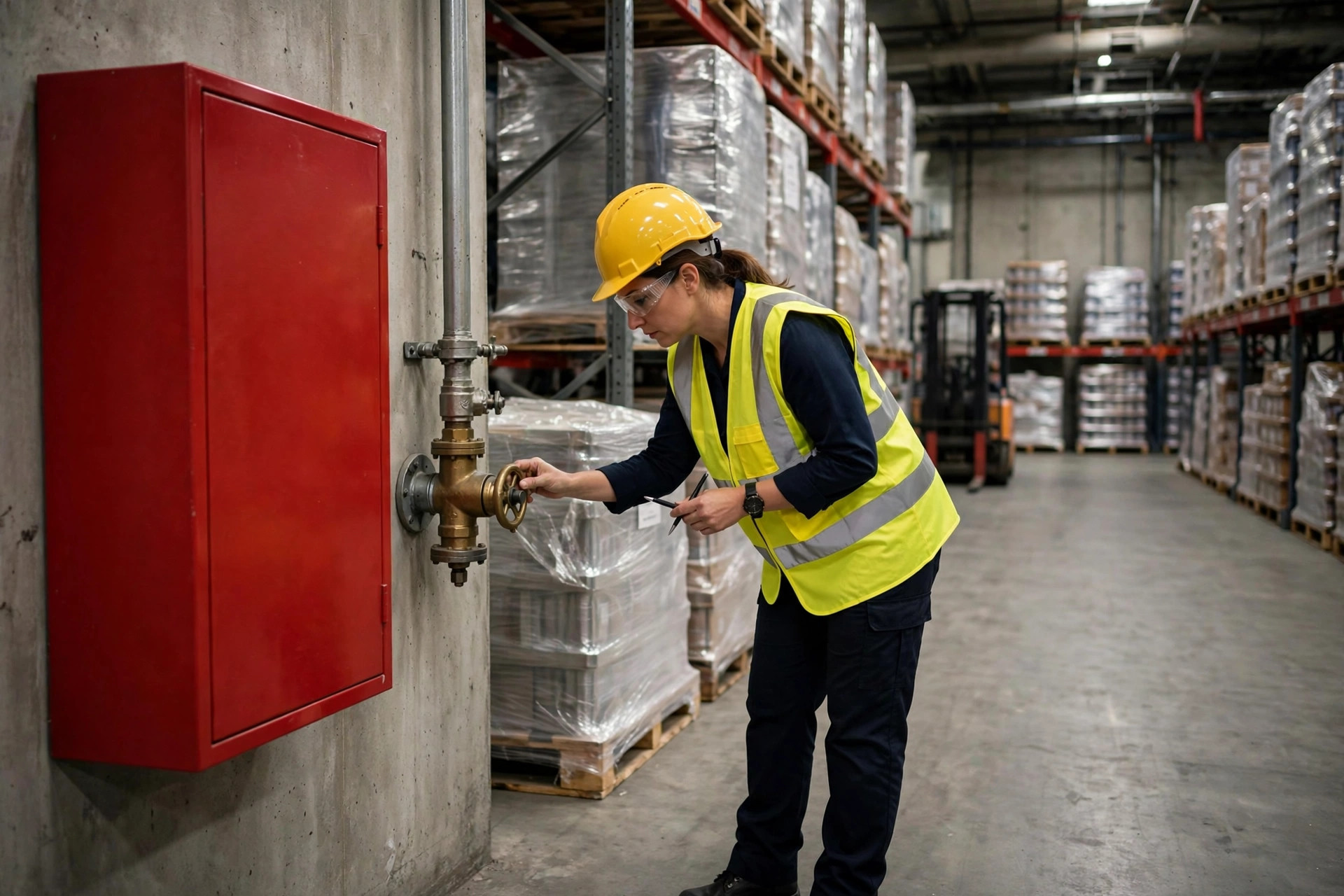
Now the counterintuitive part: the most expensive line item is usually not heads and pipe. It's water. Fire pump house, storage tank, municipal supply upgrades — on retrofits these three are frequently extras. In the Ontario case the pump house added $30k+. If the quote doesn't list pump and water supply, assume they're excluded and ask before signing. Plenty of buyers compare bids on dollars-per-square-foot alone and get ambushed by the pump house. That's money spent for nothing.
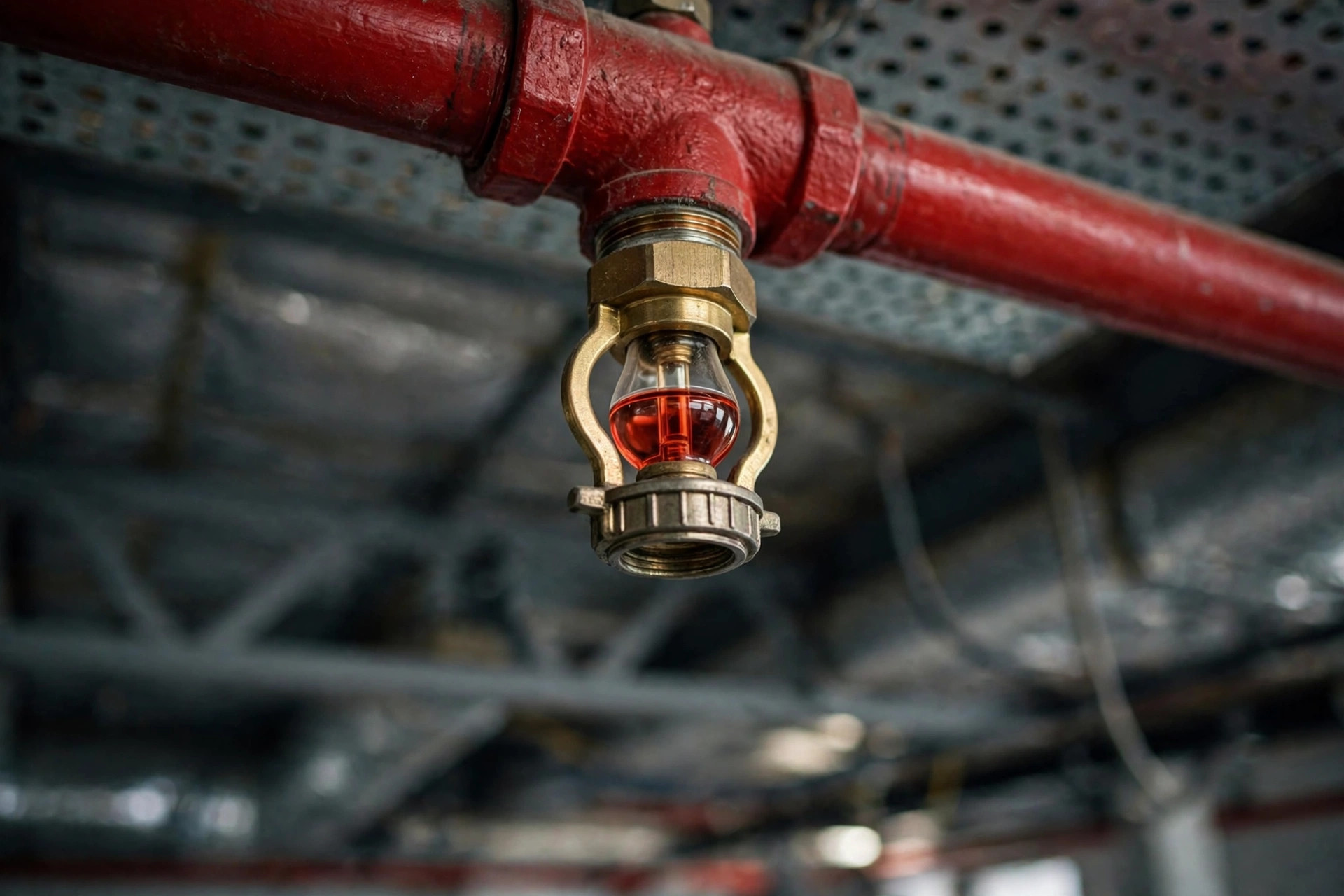
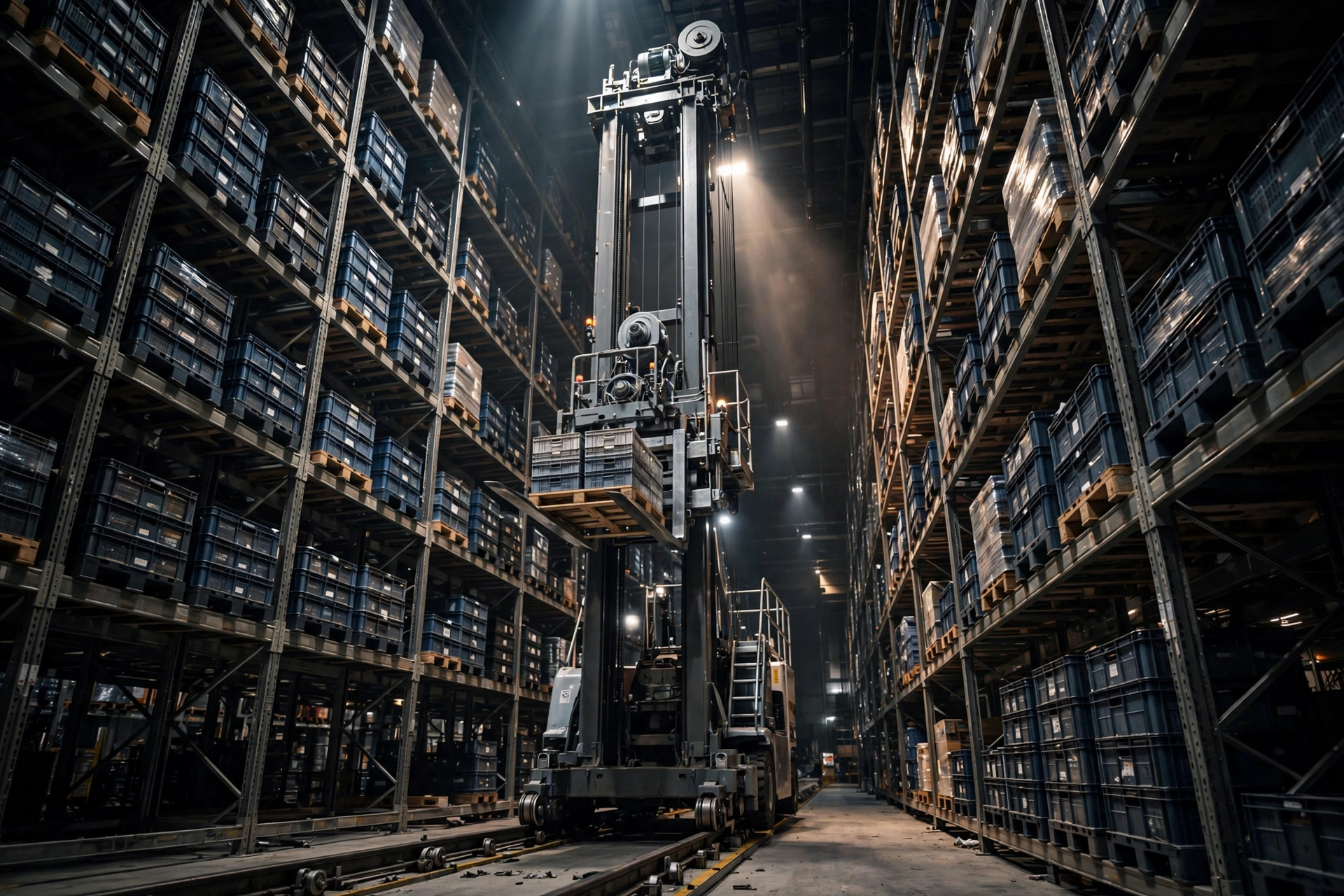
Heads themselves are small money. A standard head costs tens of dollars; ESFR heads for high-bay warehouses cost several times more, but the head count is fixed — it barely moves the per-square-foot math. What moves it is labor and complexity: a 40-foot clear-height high-bay and a 20-foot box are two different engineering jobs in hangers, pipe routing, and head density. Every extra foot of clear height adds labor and material with it. High-bay operators, take note: budget a separate line for ESFR — the heads cost more and they demand more pressure and water, which makes a pump upgrade more likely.
Also know what triggers the requirement in the first place: a new tenant, a change in stored commodity (say, from apparel to products with lithium batteries), or taller racking can all trigger a fire department review. The exact standard is whatever your local AHJ requires — don't guess.
Three Levers That Cut Your Sprinkler Bill
Lever one: get at least three bids. The most valuable sentence in this article. Fire protection contractors quote the same drawings 15%–40% apart — the Ontario job saw 41%. Skip the bidding and you're donating tens of thousands of dollars. And don't compare headline totals: align the scope first. Pump house included? Permits included? Commissioning included? A cheap bid missing a line item is a fake cheap bid.
Timing is money too. Retrofit work inside a live operation often means nights and weekends during peak season — overtime rates go straight into the quote. If the job can wait for the slow season, let it. The overtime you avoid can exceed whatever you negotiate off the unit price.
Lever two: settle who pays before you sign the lease. Sprinkler upgrades are a classic US warehouse lease fight: the landlord calls it the tenant's compliance problem, the tenant calls it the landlord's building problem. The right move is writing cost allocation into the lease before signing — landlord funds the upgrade, tenant shares through rent or a TI allowance. Negotiating after the invoice arrives means you've already lost.
Lever three: make your insurance broker run the premium math. A sprinklered building usually earns a property insurance discount — have the broker price your actual policy. Using the Ontario 3PL's figures as an illustration: $215,000 all-in, about $22,000/year in premium savings, simple payback around 9.8 years. Sounds long, but the spend was compliance-mandated anyway; the premium savings are pure gain. The formula is simple: payback years = total investment ÷ annual premium savings. Get the broker to produce that number, then decide the spec level — "meets code" vs "done right" can be several years of premium apart.
One small cost people forget: annual inspection and maintenance after install. Ask for the yearly service fee while you're signing the construction contract, so year two's invoice isn't a surprise.
The Takeaway Formula
A 20,000 sq ft older-building retrofit lands somewhere in the $20,000–$140,000 published range — a huge spread, which is exactly why "it depends" is a legitimate answer here. But you can box it in:
- Anchor three contractors inside $4–$5/sq ft for a standard retrofit; throw out the outliers.
- The quote must include pump house, water supply, and permit/design fees — make them add any missing line before you compare.
- Have your broker compute annual premium savings and the payback period.
Run those three steps and you'll know exactly whether the money was well spent.
By Lao Zhou, Logistics Cost Analyst