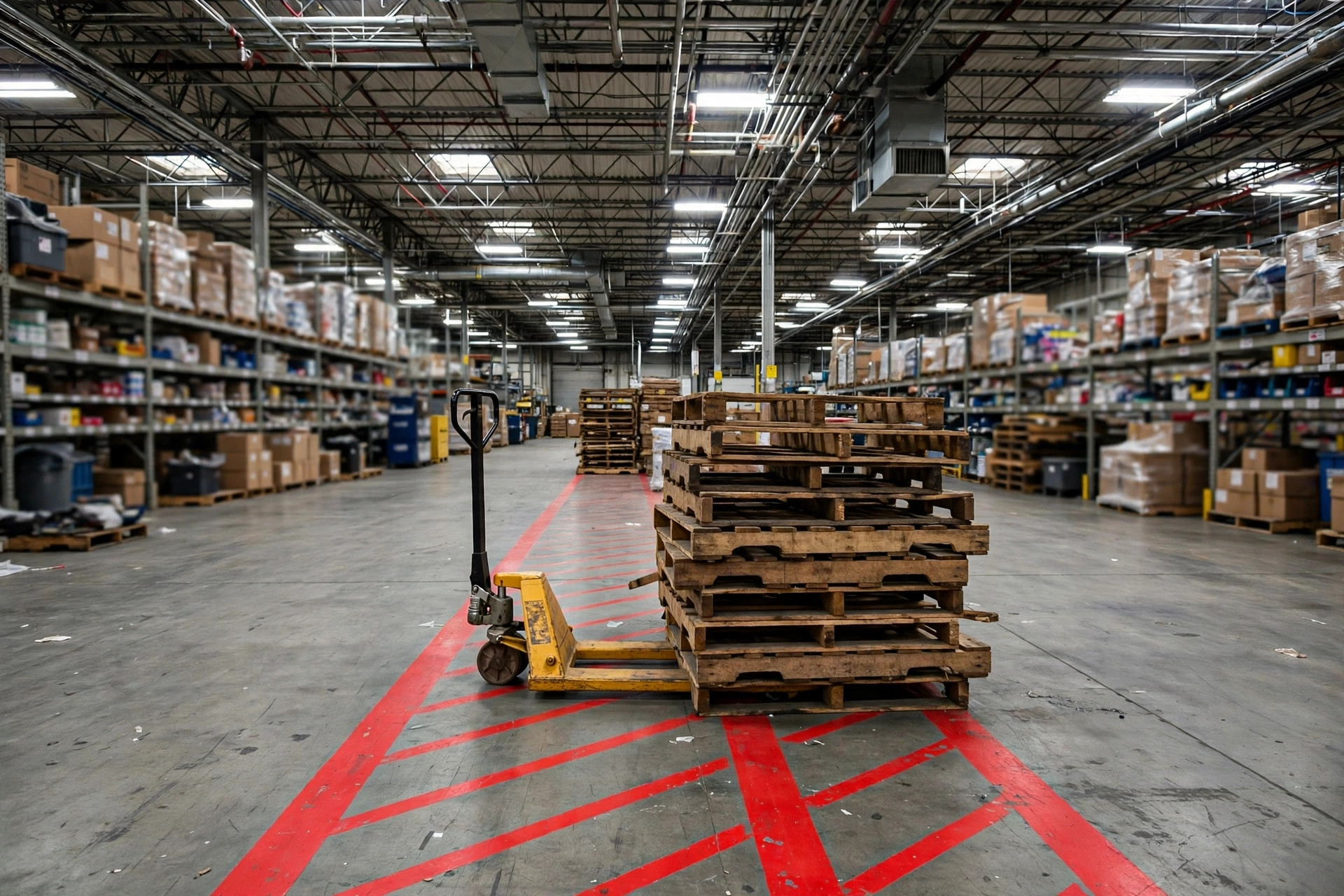
After that fire inspection, I told every shift supervisor the same thing: the fire lane looks like the most useless square footage in the building — right up until the inspector walks in, or the sprinklers need to work. A 150,000-square-foot warehouse, one exit door blocked by pallets, one citation in the five figures. What follows is what I've actually seen get blocked, and the unglamorous system that finally fixed it.
It was the fall of 2022, at a 150,000-square-foot distribution center in Ontario, California, where I was advising the operations team. The fire department showed up for its annual inspection. The inspector was a man in his fifties who had clearly done this a thousand times. He glanced up at the sprinkler heads — nod. Checked the main aisle width — nod. Then he reached the exit door at the far west end of the building, stopped, and pulled out his phone. Click.
Two pallets of returns sat in front of the door, stretch wrap still on. The shift supervisor hurried over with the standard explanation: "Just for one night — receiving overflowed, we'll have them moved first thing tomorrow."
The inspector didn't answer. He took one photo of the pallets, one of the EXIT sign half-hidden behind them, and one of the door handle with less than three feet of clearance in front of it. Then he walked to the sprinkler riser room. The door was ajar, and inside — around the valves and the gauges — sat a mop bucket, a stack of cleaning supplies, and several cartons wedged against the valve handle so it couldn't turn freely. Then the electrical room: three layers of small boxes stacked within three feet of the panels.
Twenty minutes, seven photos. A week later the citation arrived. Three violations: obstructed means of egress, obstructed access to fire protection equipment, failure to maintain working clearance at electrical panels. Each one carried a per-day penalty that kept accruing until the re-inspection cleared them. I won't quote exact dollar amounts — every fire district writes its own fine schedule, so check with your local authority — but I'll give you the scale: stacked together, these run into the tens of thousands. The operations director later told me the fine would have paid for three months of the overflow space they'd been trying to save by using the fire lane as storage.
The punchline? Those pallets "just for one night" had been sitting there for nearly two weeks. Nobody thought it was a problem, because everybody does it.
The five places that always get blocked
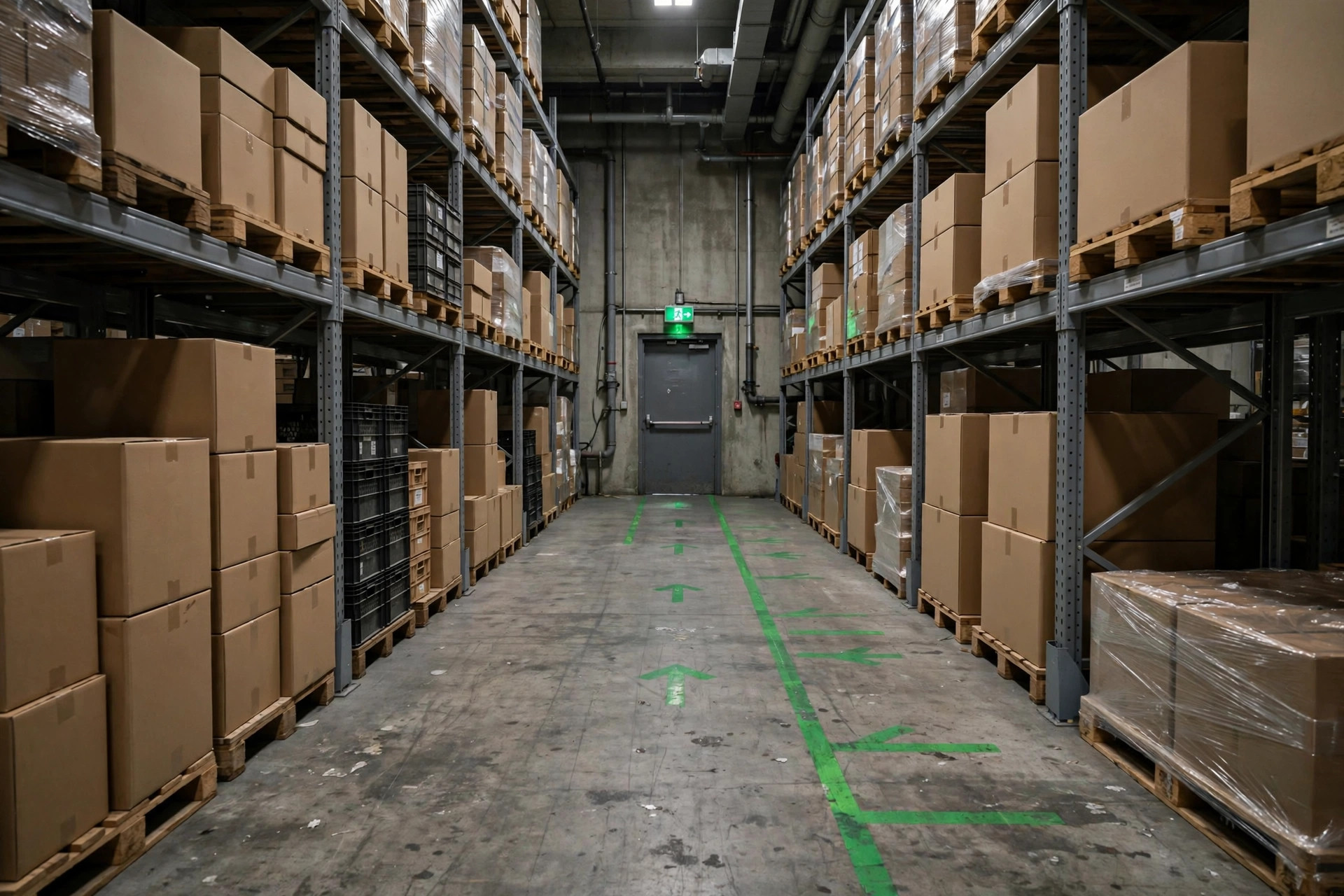
Exit doors take the top spot, and it isn't close. A warehouse has plenty of doors, and most of them never get used on a normal day. To a supervisor under pressure, an unused exit looks like free temporary storage. Returns, hold-for-inspection product, "shipping tomorrow" orders — they all migrate there. The EXIT sign keeps blinking above the stack like it's filing a complaint.
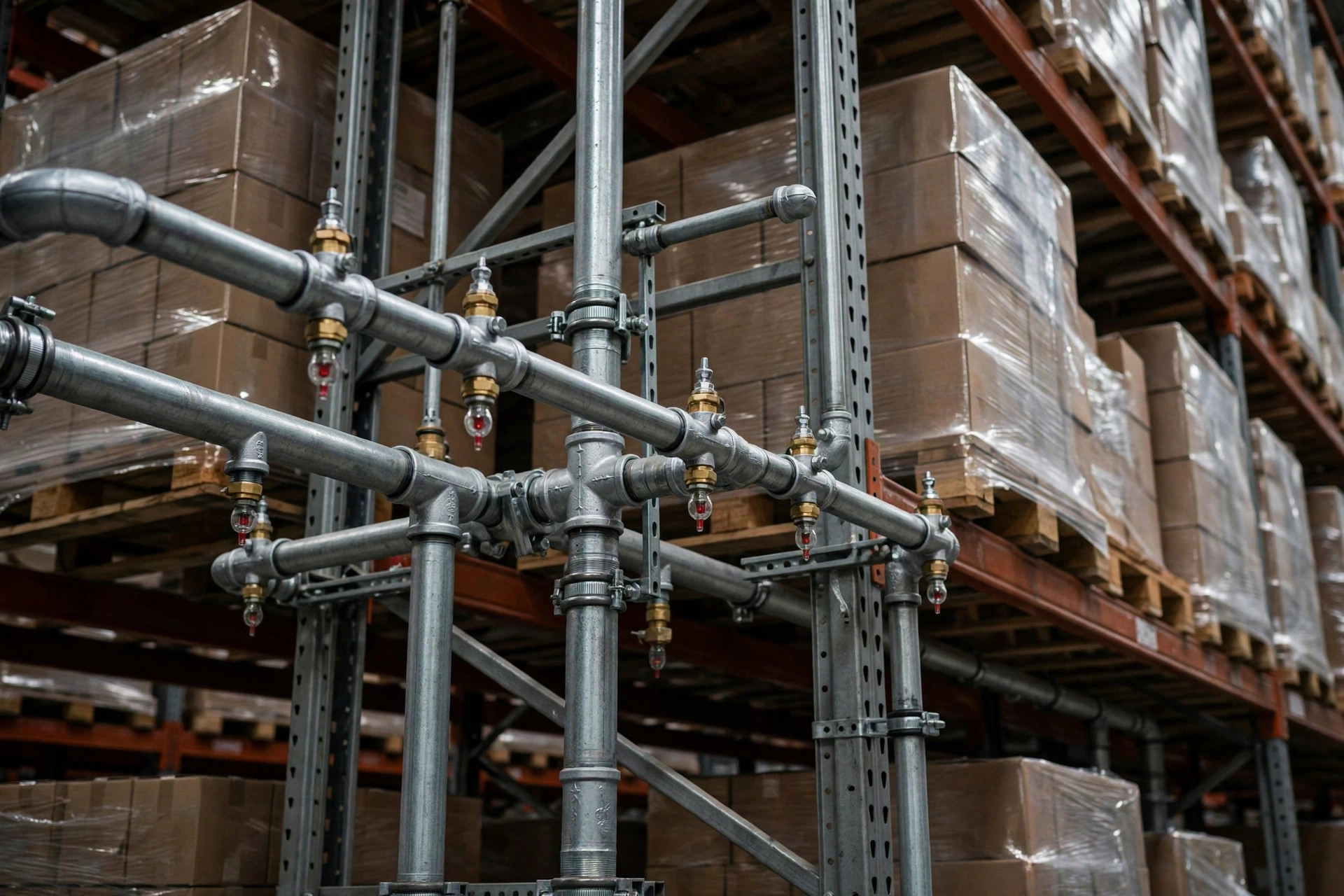
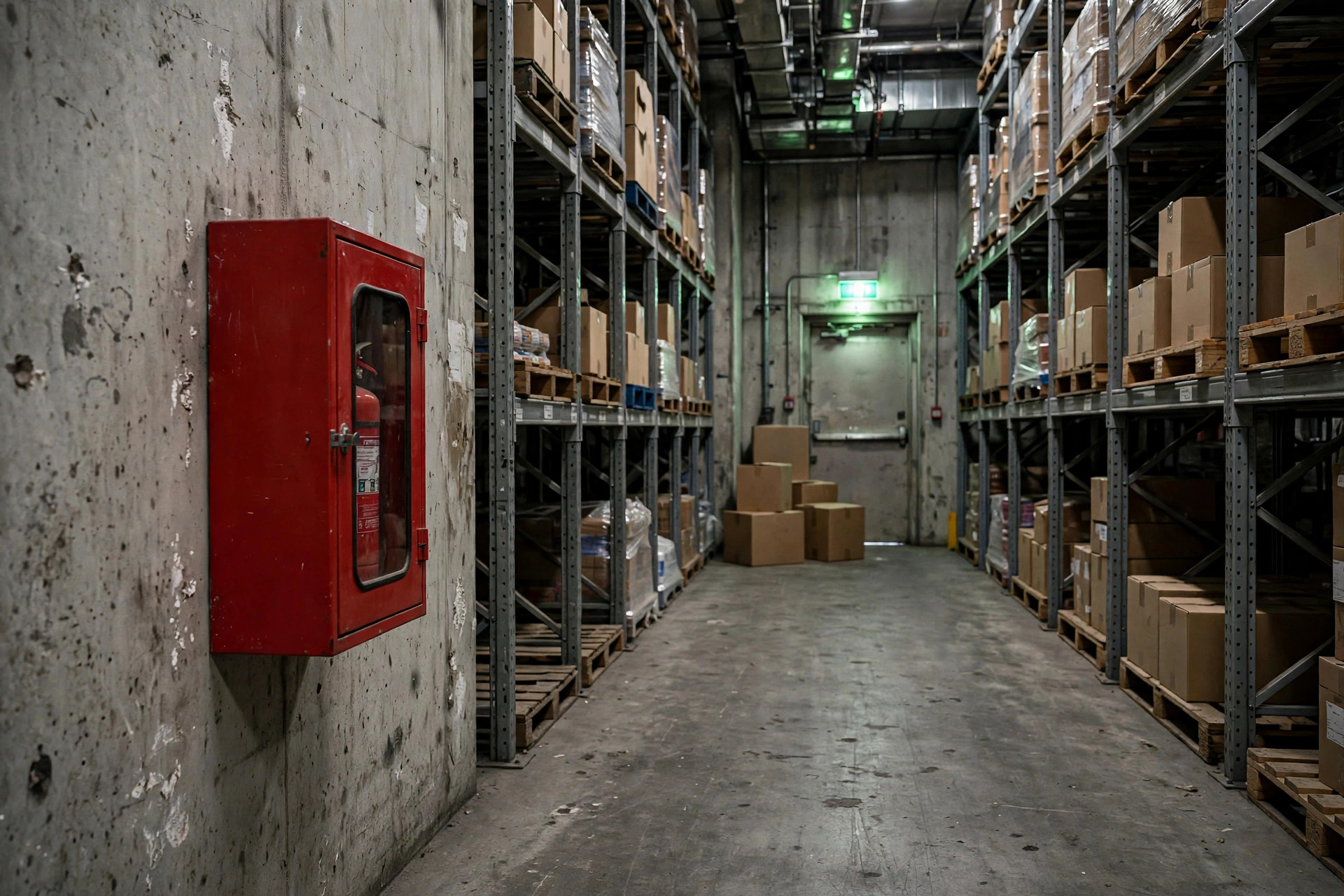
Second is the sprinkler riser room. In plenty of buildings it isn't even locked. There's a valve, a gauge, some floor space — and the cleaning crew sees square footage. Mops, chemicals, cartons go in, and nobody notices when the valve handle can't make a full turn anymore. When there's a real fire, the fire department needs that room to feed or shut down the system, and the door won't even open.
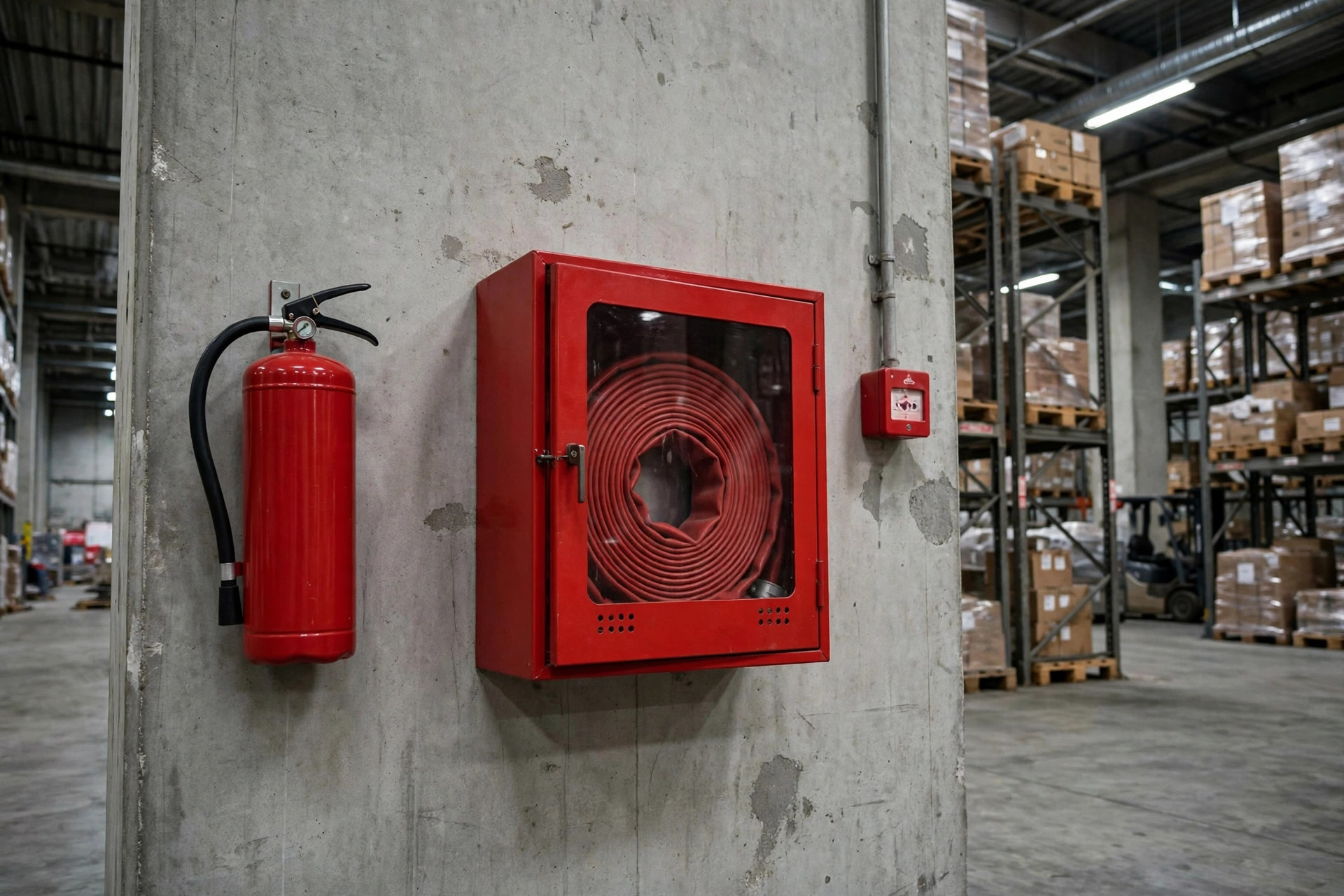
Third: hose connections and interior hydrants. Older buildings have them on the walls; newer ones usually rely on exterior hydrants, but the rule is the same — keep the front clear. In California, parking within fifteen feet of a hydrant is a violation out on the street; stacking freight in front of one inside your building won't get a friendlier reading.
Fourth is the electrical room, and the panels inside it. OSHA's rule is one I've had memorized for years: thirty-six inches — three full feet — of clear working space in front of electrical equipment. On the floor, though? Cartons and pallets get stacked right up against the panels, and the electrician has to move freight before he can throw a breaker. Plenty of warehouse fires start electrical. The one place that most needs to stay clear gets filled first.
Fifth is outside: the fire apparatus access road. Code calls for a twenty-foot-wide loop around the building, so trucks can get in and turn around. On a busy day, a dropped trailer sits in it, or a container gets "temporarily" spotted there — "driver's coming right back." If the trucks actually need it, they can't make the turn.
Notice what those five have in common: none of them generate revenue. Every KPI in the building — space utilization, on-time shipping, units per labor hour — rewards using more space. Nothing rewards keeping space empty. A supervisor's bonus is tied to utilization, so an empty fire lane reads as waste. Blocked lanes are never about ignorance. They're a calculated "temporary borrow" — a calculation that leaves out the fine and the insurance bill.
Fixing it takes paint, patrols, and ownership
I've been in warehouses with big red banners — "FIRE LANE, KEEP CLEAR" — and freight stacked right underneath them. Signage doesn't cure this. What works is three deeply unglamorous things: paint, patrols, and named ownership.
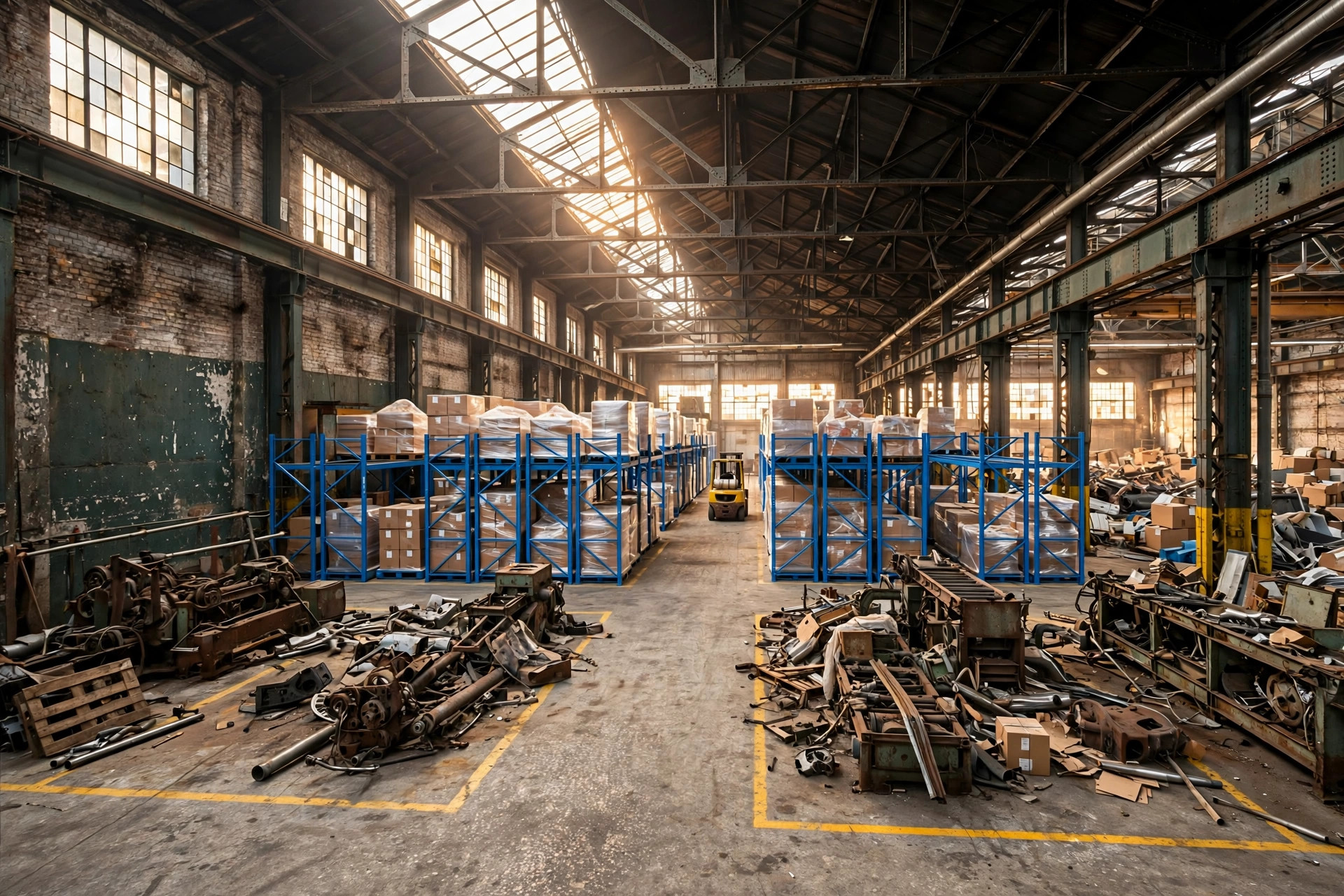
Paint is the cheapest fix there is. Stripe the floor: yellow lines for the lanes, red boxes in front of riser rooms and panels, a placard on the column that says keep clear. Once the line exists, "just for a minute" has a visible boundary. A pallet over the line is obvious to everyone; no argument needed. A few hundred dollars of paint and labor costs roughly two orders of magnitude less than a single citation. Even a tired supervisor can do that math.
Patrols keep the paint honest. Our rule became simple: at the start of every shift, the supervisor walks the fire lanes, takes phone photos, and drops them in the team chat. Fifteen minutes. The shift handover checklist got one new line: "fire lanes clear." The photos are a paper trail if anything ever goes wrong — and on quiet days, they're social pressure. Nobody wants their zone showing up in the group chat.
Ownership is the part that actually sticks. Divide the lanes by zone, name one person per zone, and make it theirs. First blocked lane: documented warning. Second: it hits the performance review. And it cuts both ways — three clean months earns a small safety line-item in the quarterly bonus. Not much money; it's the signal that counts. Carrot and stick is unoriginal. It works.
There's one more layer most people miss: the insurer. Property insurance inspections are more thorough than the fire department's, and the engineers walk in with a checklist where blocked lanes are a scored item. Enough deductions and your renewal premium climbs — or worse, after a fire you discover the carrier disputing the claim because the building had a documented history of obstructed fire protection. A 3PL I worked with watched its renewal premium jump after exactly that kind of inspection report. Every dollar of "saved" storage space went to the insurer, with interest.
Walk the lanes before you start the shift. Anything inside the yellow line gets photographed, posted, and moved before end of shift — nothing stays overnight. Check the riser room and the electrical room weekly; the doors must open all the way. Monthly: extinguishers in date, EXIT lights lit, access road unoccupied. First blocked lane is a warning on record; the second one costs that month's performance pay. That simple.