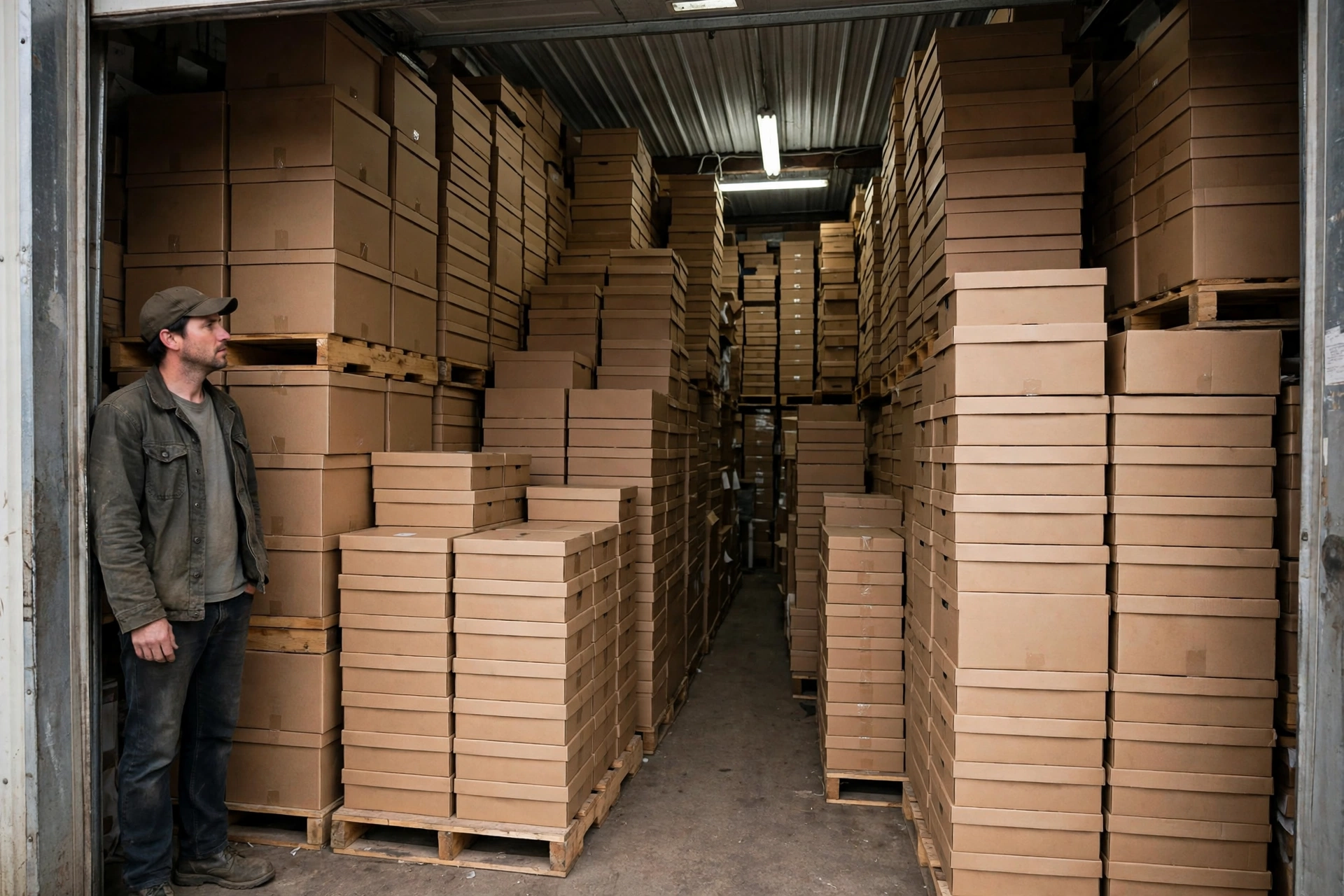
My aisles are blocked, my receiving corner is down to a single narrow lane, and my forklift driver has to shout before he turns. That is usually the moment an owner says, let's just move somewhere bigger. I have said it myself. Then I looked at my bank account and remembered a simple fact: we small warehouses cannot afford to burn money like that. A warehouse expansion vs relocation decision is never just about square footage. It is about cash flow, how much time is left on your lease, and whether your best customers and your daily carrier pickup still work after you change address. Move in a panic and you feel relieved for three days and sore for two years. Stay and squeeze forever and you can lose orders and people instead. This is the rough, cheap playbook I ended up with after going back and forth more times than I want to admit.
Start With warehouse expansion: How Much Room Is Really Left?
When people say expand in place, they often jump straight to renting the unit next door. In my experience there are three layers, and the cheapest one comes first.
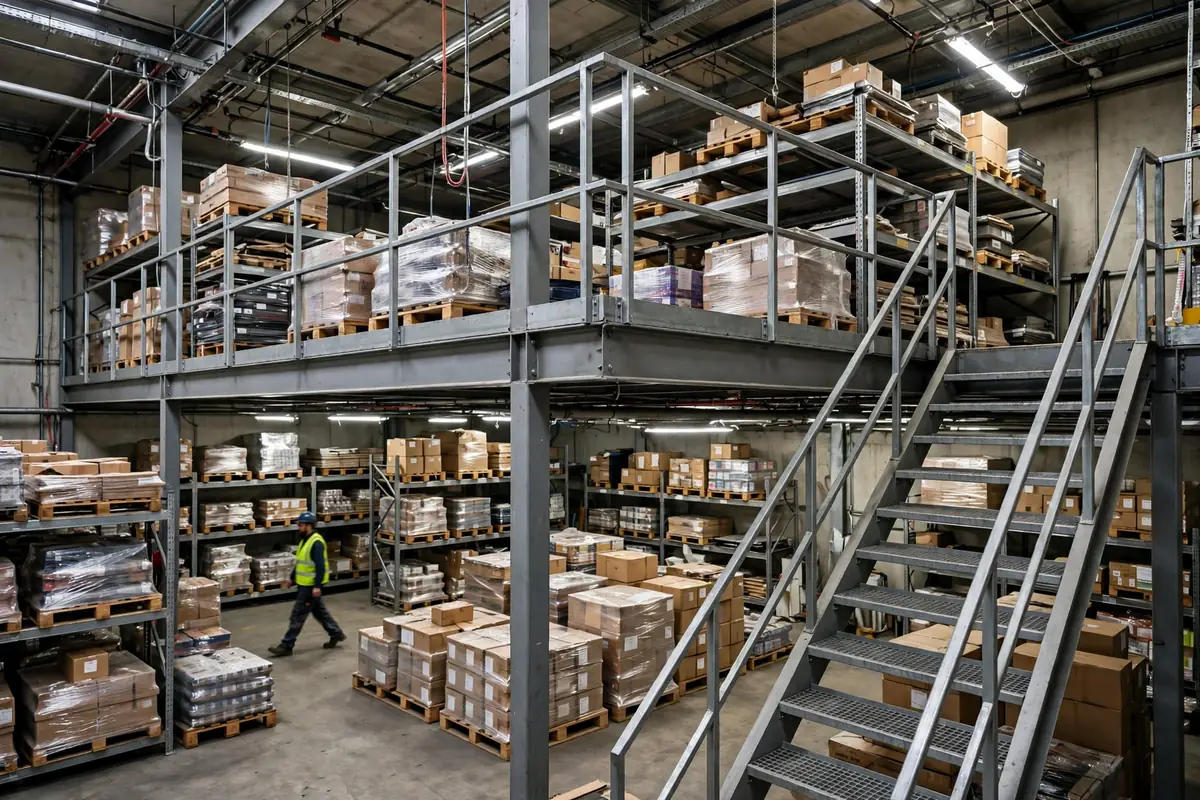
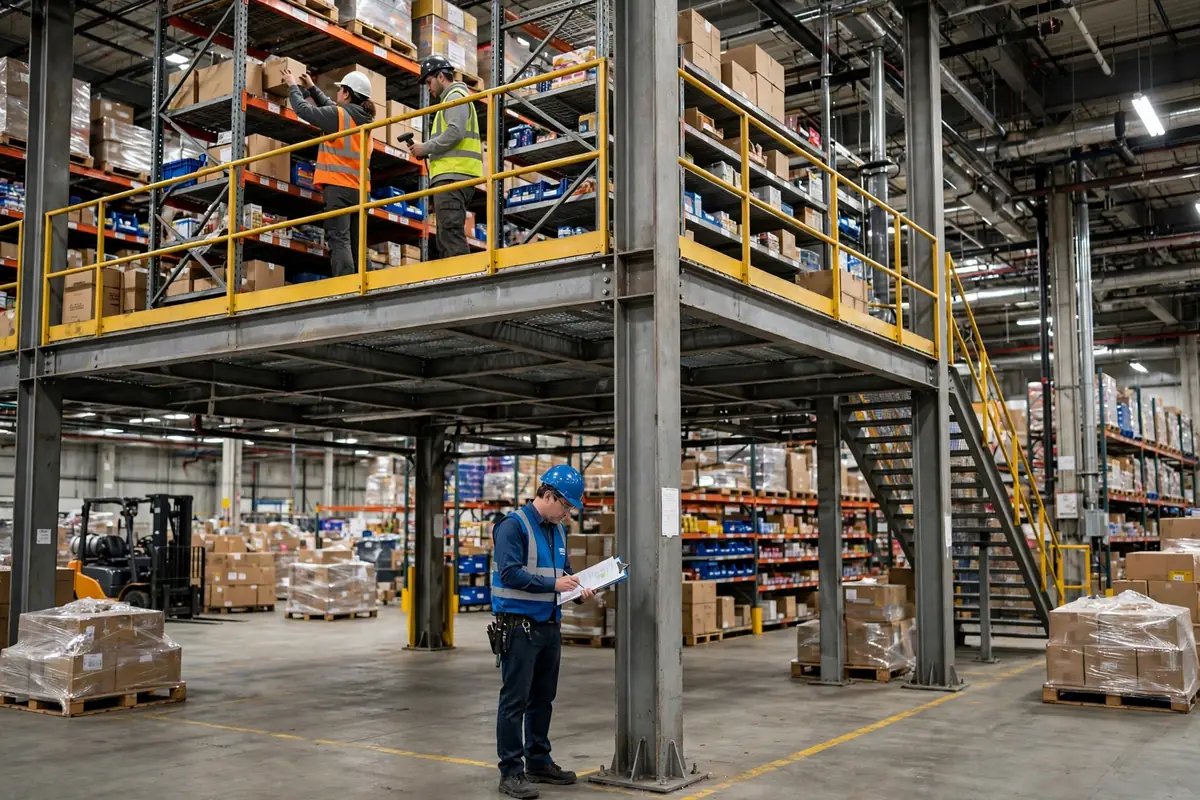
Layer one is height. If your ceiling allows it, a mezzanine for light, small items, packaging, and returns waiting for inspection can free your floor for full pallets and fast movers. It is not free space, though: check load capacity, fire rules, and the extra labor of carrying goods up and down. For light goods, it is often the cheapest new space you will ever buy.
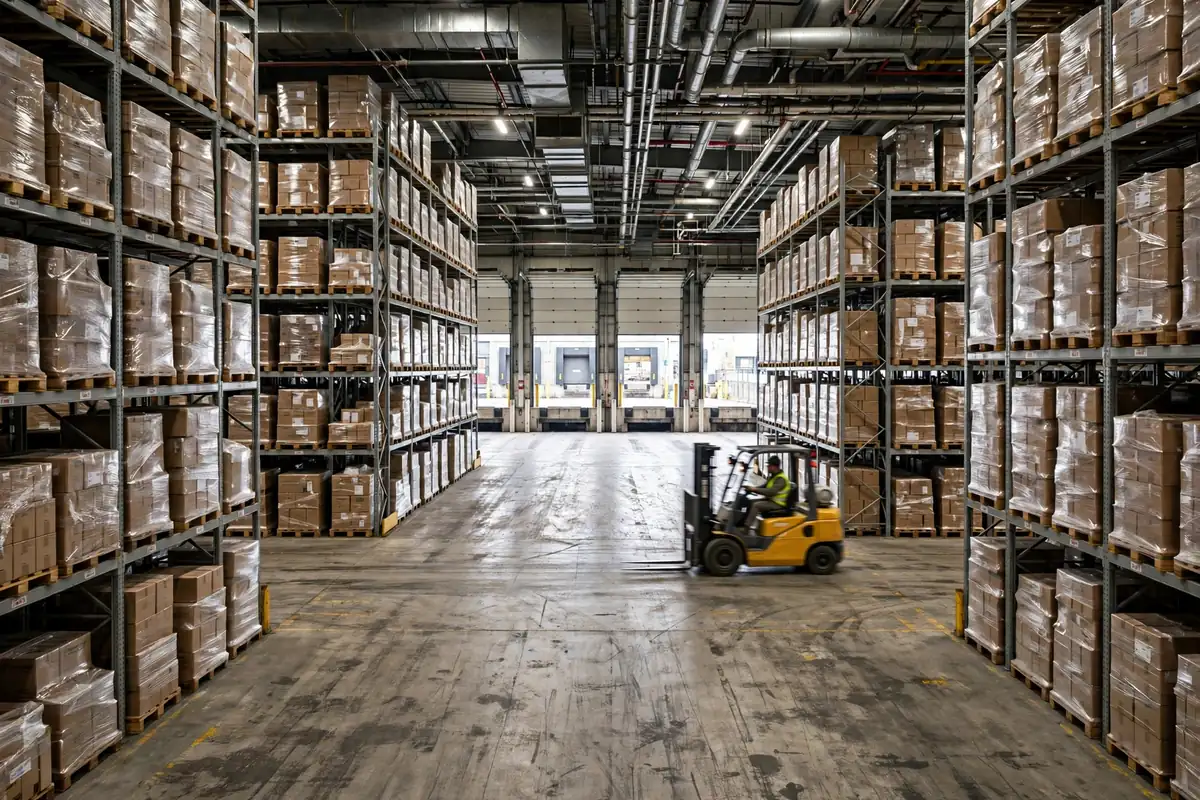
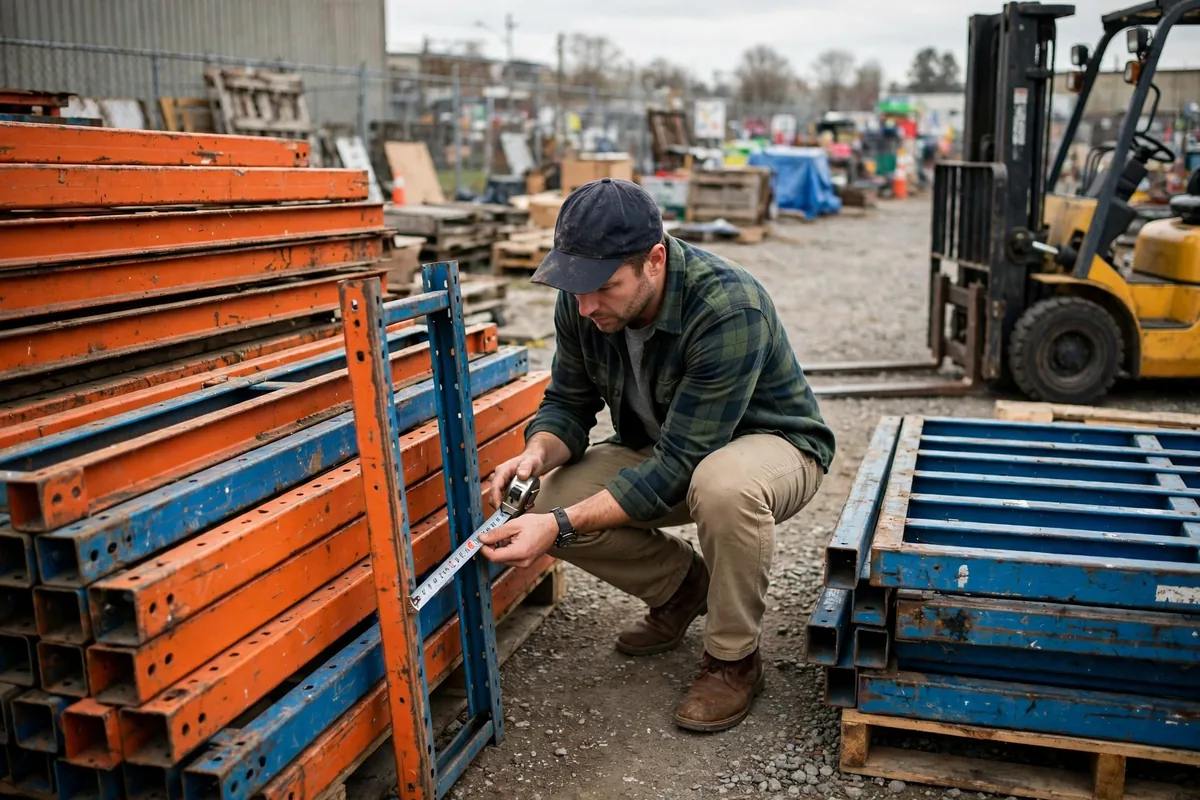
Layer two is density. Narrow aisles where equipment allows it, re-slot racks, push slow movers deep and high, and pull fast movers close to packing. Then do the painful part: clear dead stock. Many warehouses are not truly full — they are full of goods that have not moved in months, sitting in the best locations. Discount it, return it, dispose of it properly, but get it out before deciding how much space you lack.
Layer three is the neighbor unit. Its beauty is continuity: same staff, same systems, same carrier pickup, and you can use it the next day. Its weakness is bargaining power. The landlord knows you cannot easily leave. So negotiate more than the unit price. Ask for a rent-free fit-out period, align the end date with your main lease, and get an early-exit clause in writing. Two leases ending in different years will trap you later.
Here is my counterintuitive rule: a full warehouse does not automatically mean you need a bigger warehouse. It often means you need a cleanup. Check turnover, location utilization, and how much floor your aisles eat. If dead stock and empty or badly used locations add up to a large share, your problem is management, not size.
Hypothetical example (illustrative scenario): a small warehouse assumes it clears long-dormant stock, moves packaging and light items onto a mezzanine, and narrows aisles after re-slotting. In this assumed case the new usable positions come mostly from height and density, and the spending is one-off — racks and mezzanine work — rather than a permanent jump in monthly rent. If those moves buy roughly two years of breathing room, the one-off cost is usually kinder to cash flow than an immediate move. The numbers here are illustrative only; the lesson is the order of operations.
Then Face the relocation decision: The Move Costs More Than the Trucks
A moving quote shows trucks and a deposit. The real bill hides behind it.
First, downtime and split stock. You will either pay rent on two sites during the overlap or stop shipping for days. For a small warehouse, stopped shipping is brutal: on-time scores drop, clients complain, and regulars quietly order elsewhere. Split stock is its own chaos — half here, half there, pickers hunting, counts drifting. Mis-shipments love a relocation week.
Second, reset costs. Racking, network, cameras, packing benches, printers, and system locations all start from zero. Staff commutes change, and some good people will simply quit rather than travel further. Carrier pickup changes too. A site that looks cheaper on rent may get a later pickup, which forces an earlier cut-off, which your customers feel immediately.
Third, customer distance. If a key client used to collect goods nearby, moving far away removes a real advantage. The rent you save can be smaller than the anchor client you lose. Before signing, redraw the map: top clients, self-pickup patterns, and carrier routes. That map is the decision.
Hypothetical example (illustrative scenario): another small warehouse in this assumed case chases a larger site with a lower unit price and signs quickly. The overlap means double rent, stopped days hurt its scores, two experienced workers quit over the longer commute, and pickups run later. Months later the review shows the saving was eaten by downtime, rehiring, and lost clients. Moving was not automatically wrong — pricing it on rent alone was.
A Simple Table Before You Sign Anything
I force myself through one table, item by item, so a single attractive number cannot hijack the decision. In any honest warehouse expansion vs relocation decision, the totals that matter are the hidden ones.
| Item | Expand in place (mezzanine / narrow aisle / next door) | Move to a bigger site |
|---|---|---|
| Upfront spend | Racks, mezzanine, neighbor fit-out; comparatively contained | Deposit, fit-out, moving, system rebuild; concentrated burst |
| Downtime risk | Ship while you improve | Overlap rent or stopped shipping |
| Rent effect | Neighbor may charge more per unit, but added area is small | Lower unit price can still mean a much higher monthly total |
| Lease flexibility | Main lease unchanged; align the neighbor term | New multi-year lock-in; wrong location is expensive |
| Customers and pickup | Radius unchanged | Radius changes; pickup and self-collection may suffer |
| Best for | Buying one to two years while demand proves itself | Proven growth and a current site with fatal limits |
Expansion buys time. Relocation buys certainty. If your growth is not yet proven — a big client has not renewed, a hit product may cool — buy time. If growth has held for several cycles and the building itself blocks you, buying more time just charges you inefficiency every day.
Signals to Move, and Signs You Can Squeeze Two More Years
Move when three or more of these are true: even after expanding, utilization stays pinned through peak and you need outside overflow space; the building has a fatal limit such as ceiling height, too few docks, or load and fire constraints that remodeling cannot fix; order volume and flow have changed so much that every layout still jams; your lease is ending, the landlord will raise sharply or not renew, and the neighbor unit is gone; or your clients and carrier network are shifting anyway, so a move actually puts you closer to them.
Stay and expand when the opposite pattern holds: the fullness is mostly dead stock and bad slotting; the ceiling has unused height and no mezzanine yet; a neighbor unit is available on a term you can align; growth rests on one or two uncertain products; and cash is tight enough that a moving burst would damage daily operations. In that case expand, but quietly shortlist future sites and budgets so a later move is planned, not panicked.
My order never changes: clean first, re-slot second, add height and density third, rent next door fourth, move last. Each step costs more and buys more certainty. Do not pay the last step's price for a problem the first step solves. We small warehouses cannot afford to burn money — that is the whole strategy. Move in your slow season, keep the overlap short, and warn big clients and your carrier early.
That is my warehouse expansion vs relocation decision in one line: squeeze honestly, expand cheaply, and move only when the signals are proven and the building, not your housekeeping, is the limit. Small warehouses have their own way of surviving — not by having the biggest building, but by keeping cash alive and options open.
By Xiao Ma, Small Warehouse Owner