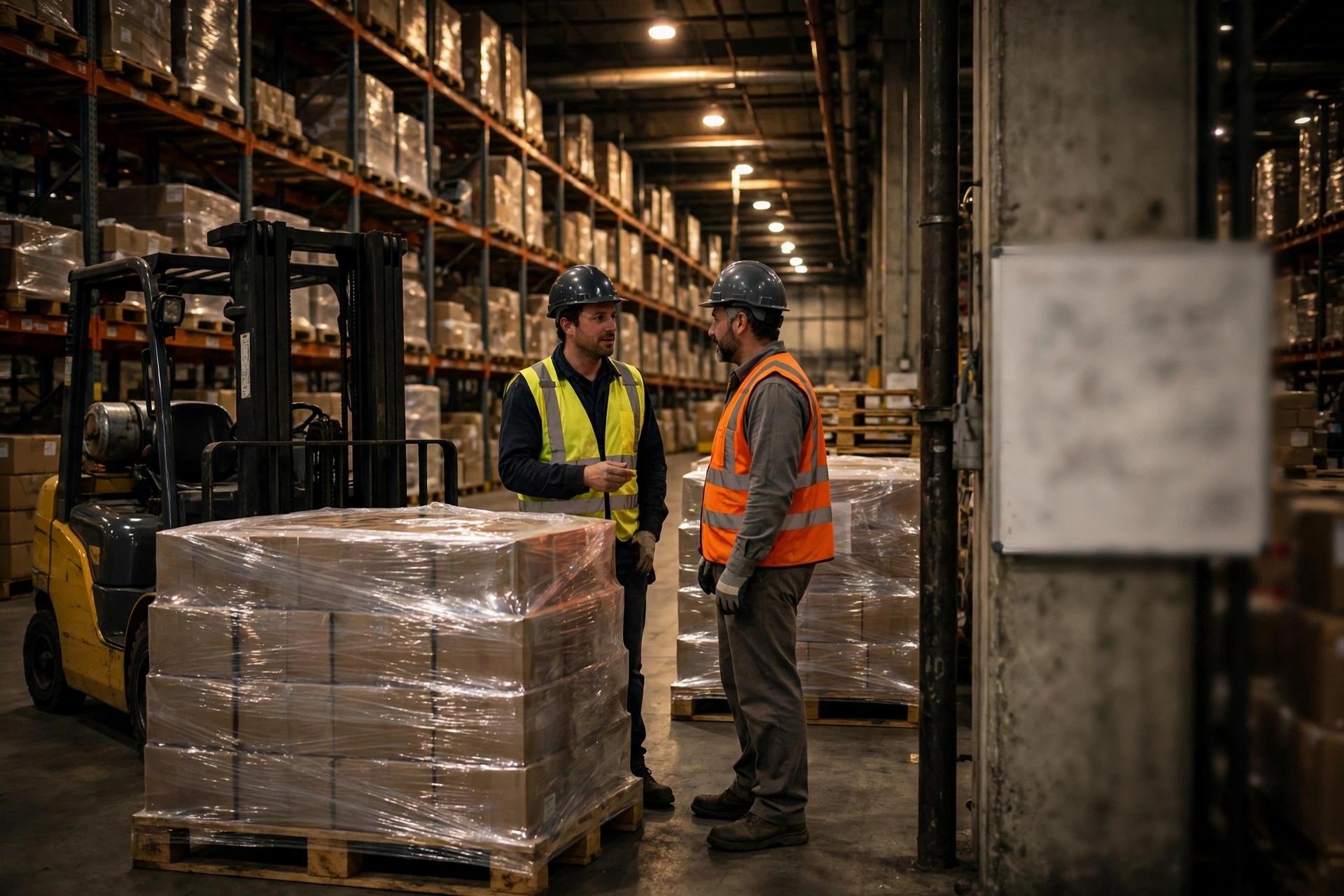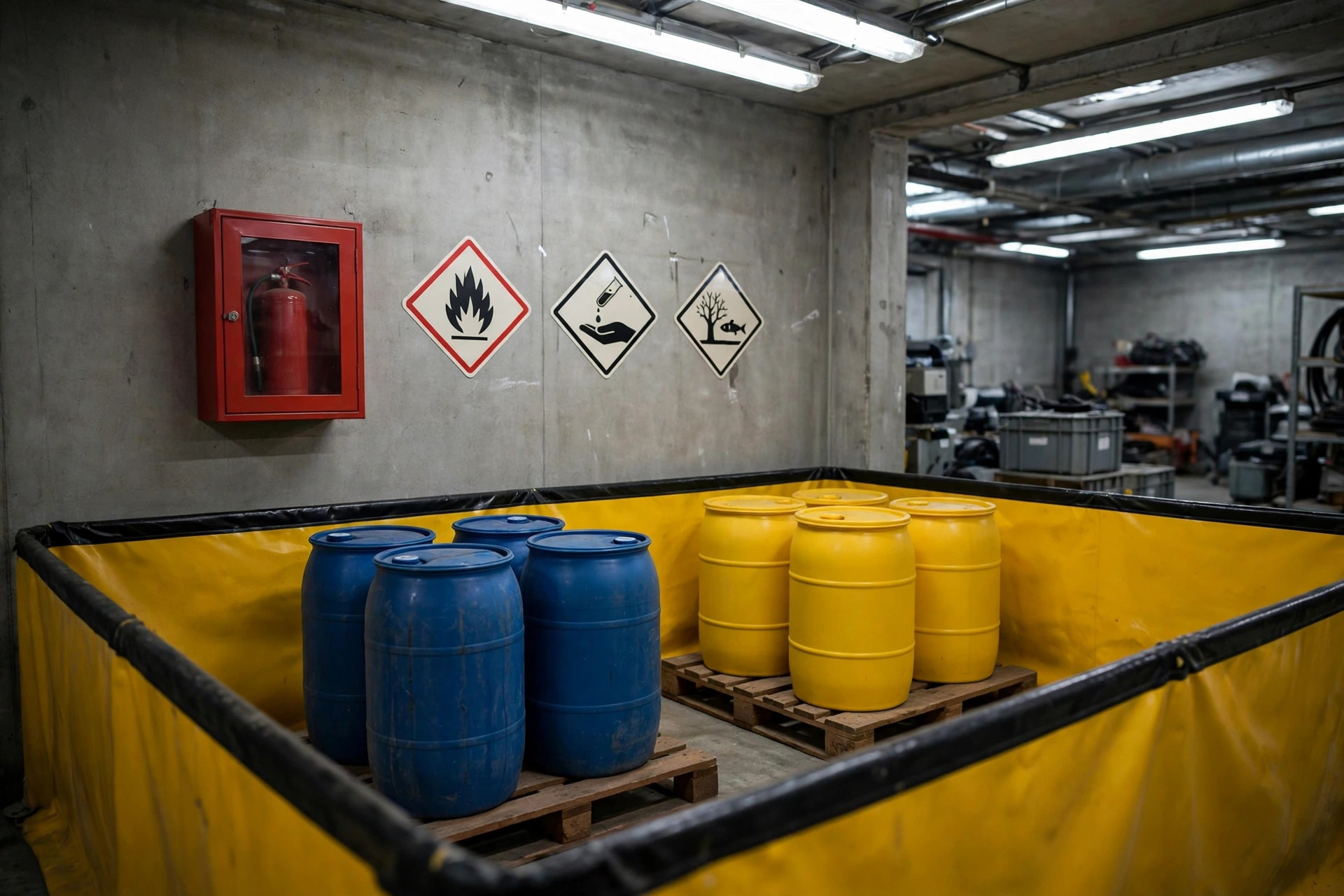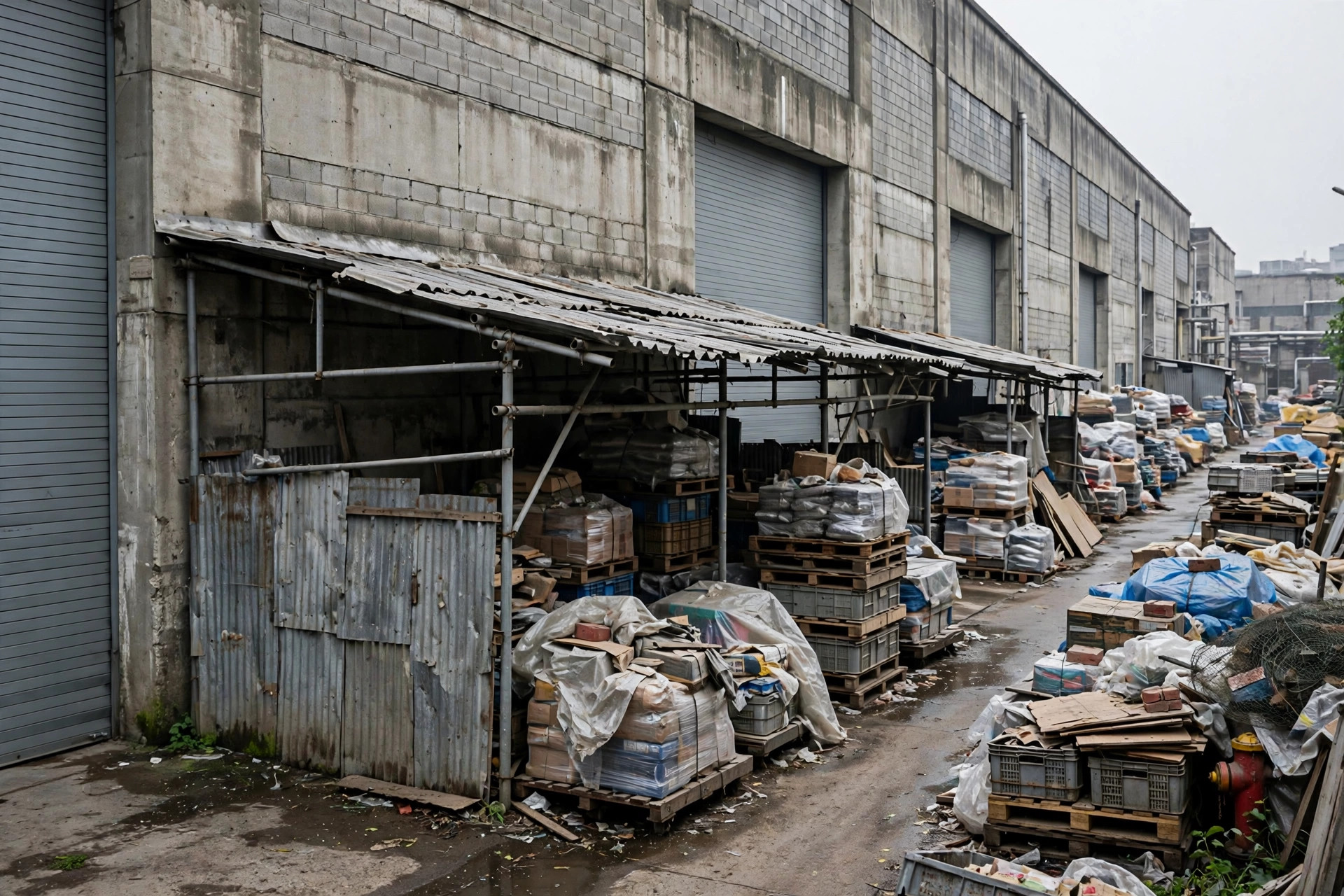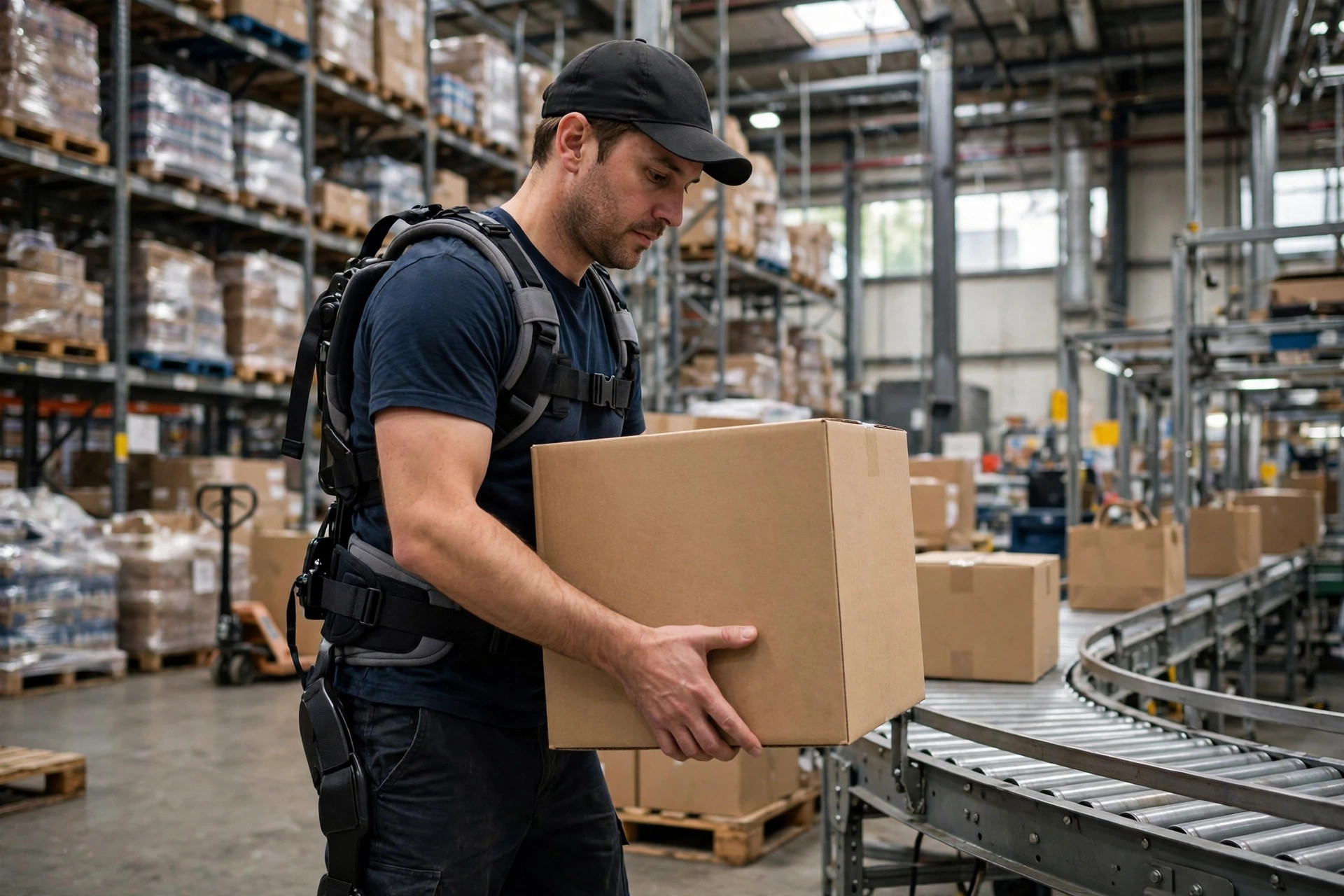
It was 5:40 in the morning. The dock lights had just come on. Old Zhao walked over from the unloading zone, one hand pressed into his lower back — four containers the night before, and this morning he couldn't stand up straight. That's the third one this month. It's why our building started piloting warehouse exoskeletons this year — wearable back support aimed at back injury prevention on the floor.
I asked him if he was okay. He waved me off: "Old problem. Couple days' rest and I'm fine."
Here's the honest truth, folks — everyone in this business knows what "couple days' rest" means. It'll be back next month. Back injuries aren't a question of if. They're a question of when, and who. Unloading, replenishment, putaway — a few hundred bends per shift. Nobody's back survives that forever.
Half a year into the pilot, I've done the math three ways. No theory today. Just the math. Because if the math doesn't work, an exoskeleton is just an expensive frame collecting dust in a locker.
Cost #1: What a warehouse exoskeleton actually costs
Let's get the price out of the way first, so nobody has to guess.
Back-support exoskeletons come in two flavors. Passive ones — springs and elastic bands, no motors — run a few thousand dollars a set. Powered ones, with motors, easily top ten thousand dollars.
We piloted passive. Why? Here's the honest truth: don't start with the expensive one. Expensive gear collecting dust hurts more. Passive rigs are lighter, need no charging, and break less. Workers actually accept them.
We started with about a dozen sets, for unloading and replenishment crews only. Rule number one: never roll out to the whole building on day one. A dozen sets, test the water first.
Cost #2: The back injury prevention math — what one injury really costs you
A lot of managers get this math wrong, because they only count the visible money.
When safety folks model this, a single serious back injury is commonly estimated at $40,000 to $80,000 in direct costs — medical, lost-time payouts, rehab. That's just the direct part. The hidden costs are worse: one person short, overtime to cover the gap, months to train a replacement who can actually keep up, and your workers' comp modifier creeping up with every recordable.
Now some real numbers. Earlier this year, exoskeleton maker HeroWear published multi-site tracking data: five distribution centers, 8 to 23 months, 311,000 work hours combined. The total strain and sprain injury rate fell from 10.2% to 3.8% per 100 workers per year — a 62% drop. Time between injuries stretched from one every 20,000 hours to fewer than one every 50,000 hours. And after deployment, not a single back injury.
Full disclosure first: this is vendor-published industry data, not an independent clinical trial. The sample was logistics workers in food and beverage, retail, manufacturing, and general warehousing. But 311,000 hours is not a small sample, and a 62% drop deserves a serious look.
Simple math:
| What it costs | |
|---|---|
| One passive exoskeleton | A few thousand dollars |
| One serious back injury, direct costs | $40,000–$80,000 |
| Bottom line | Prevent one injury and a dozen rigs pay for themselves |
Once you see this math, the hardware price stops being the issue. The real cost is number three.
Cost #3: The exoskeleton means nothing if workers won't wear it
Here's the honest truth: this is the one that kills most programs, and the one most people ignore.
The best exoskeleton in the world does nothing if workers won't wear it. I know an operator who bought powered rigs — ten grand a set — and after two days they were sitting in lockers. Why? Heat. Thirty-plus degrees in the warehouse in summer, strapped into a rig, it's a sauna. Bathroom breaks are a hassle. It digs in. Young guys think it makes them look broken. And the real one: they're afraid it'll slow them down and cost them piece-rate pay.
So our pilot runs on a few hard rules now:
First, volunteers only, and we started with veteran workers who already had back trouble plus the heavy-lifting crews. Veterans wear it first, younger workers see it's fine, they follow. Never mandate it — mandated gear gets worn around the supervisor and ditched everywhere else.
Second, half-days for the first two weeks, and piece rates are protected during the ramp-up. This one matters most. Workers' biggest fear is "new gear means less pay." Remove that fear and acceptance doubles.
Third, any discomfort means stop immediately — no "tough it out." An exoskeleton prevents back injuries; it doesn't get to cause new ones. Straps digging in? We adjust. Too hot? Morning shift only.
Months in, our wear rate has held above 80%. Remember this: the biggest enemy of the exoskeleton isn't the price tag. It's the locker. Gear nobody wears is the most expensive scrap metal you'll ever buy.
The uncomfortable truth: exoskeletons treat the symptom
Here's a take that might annoy the vendors: an exoskeleton assists the bend. It doesn't fix a job designed to break backs.
If your cases are heavy, your lowest rack level is inches off the floor, and pickers bend a thousand times a day, an exoskeleton just makes injury more comfortable. We did two things before the pilot: heavy freight went onto lift tables, the lowest rack level got raised, and replenishment batches got split smaller. None of it cost much. All of it worked immediately.
Get the order right: fix the job first, add the device second. An exoskeleton is a reducer, not a cure.
Our standing playbook
The pilot worked, so it's now our standard for every new building:
- Who wears it: Volunteers. Priority to anyone with back-injury history, workers over forty, unloading and replenishment crews.
- Which kind: Passive back support for repetitive bend-and-lift. Powered rigs wait until passive is running smooth.
- How we judge it: 30 days — wear rate, target 80%+. 90 days — discomfort complaints. Six months — injury records. One red number and the pilot stops.
- The red line: Worker says it's uncomfortable, it comes off. No debate.
Folks, one last reminder: an exoskeleton prevents back injuries. It doesn't prevent lazy management. Fix the job design, or the fanciest device is wasted money. Do the math before you buy — don't follow the hype.
By Chen Feng, Warehouse Operations Manager