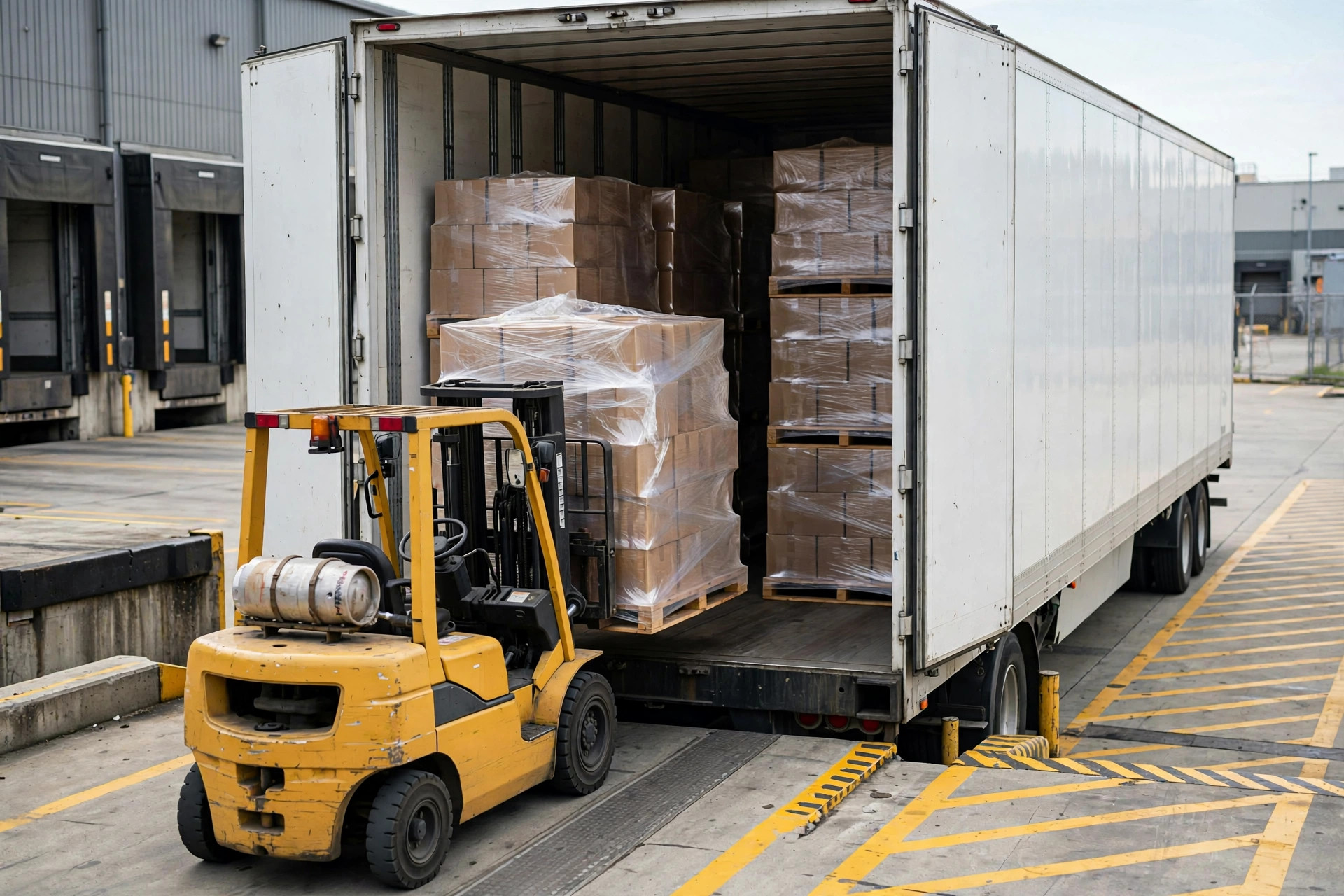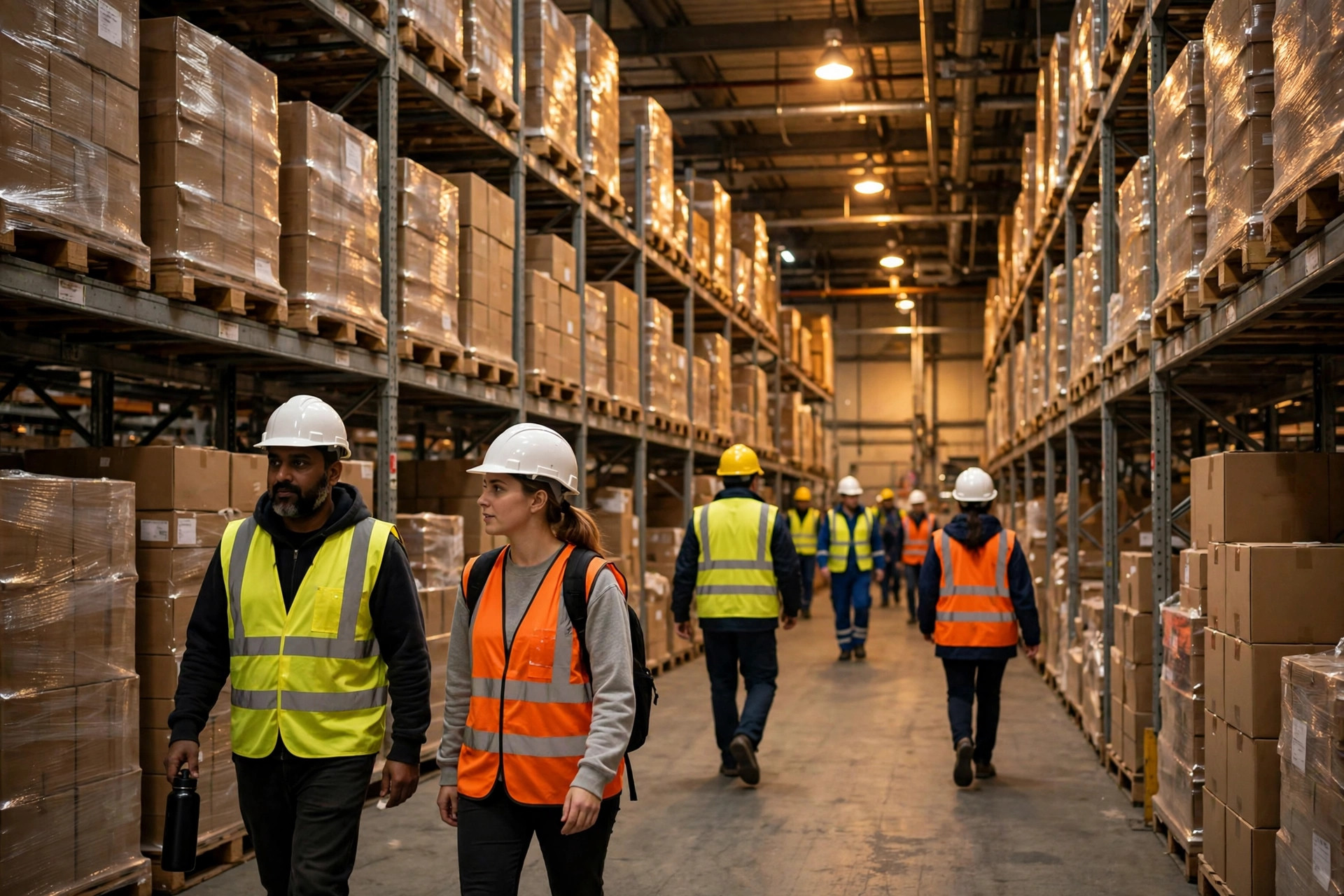
Last fall I sat outside a big distribution center in Joliet, Illinois, for five hours waiting on a dock door. I'm telling you, it wasn't a line of trucks — the whole building was jammed up inside. Two forklifts running, two more dead, and the repair guy still on the road somewhere. My 10 a.m. appointment didn't start unloading until 3 p.m. Fuel burned, a whole day gone, and the receiver just shrugged and said "special circumstances." Driving away, I kept thinking: dozens of doors, a fleet of forklifts — and the people in charge honestly believe they can run all of that in their heads?
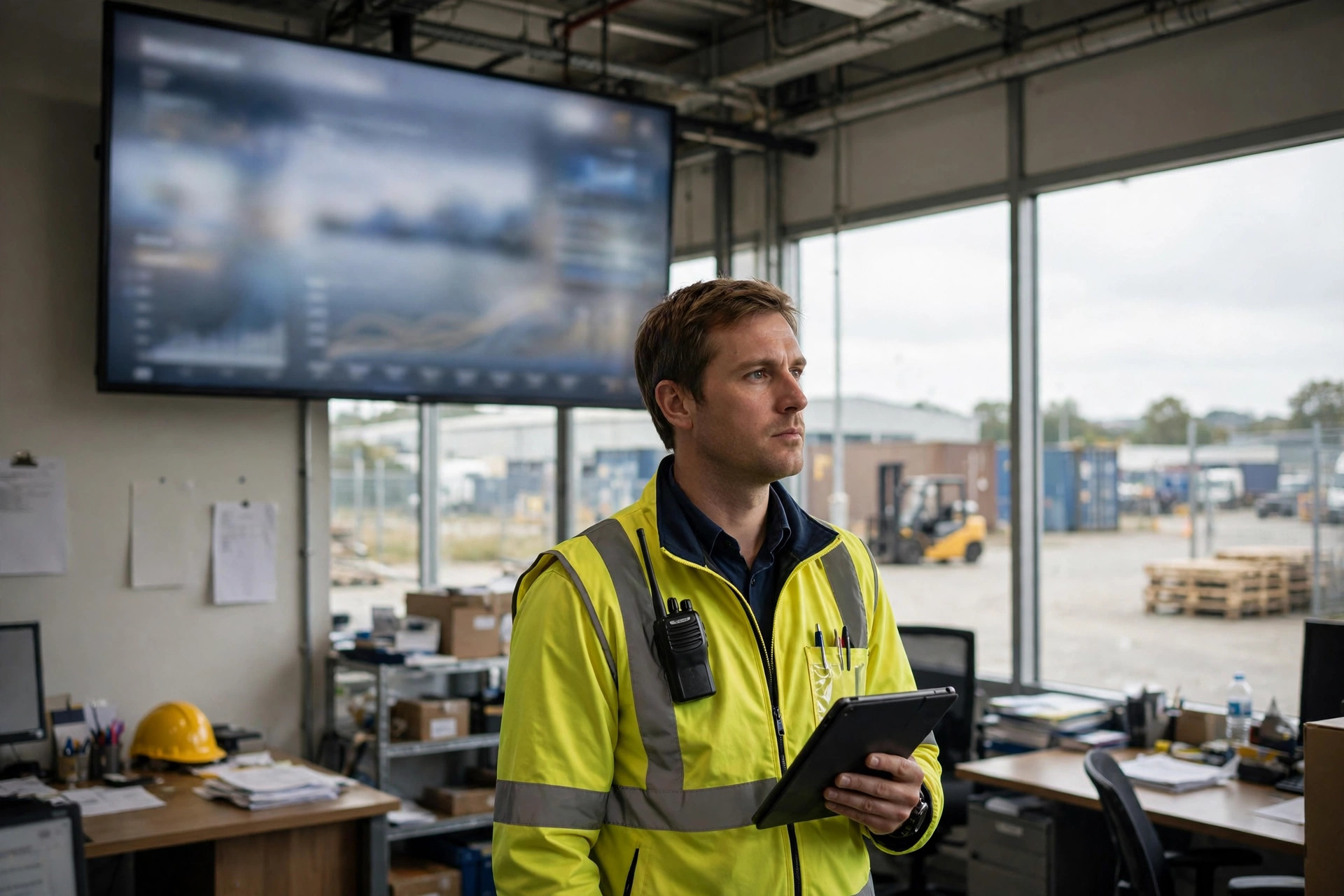
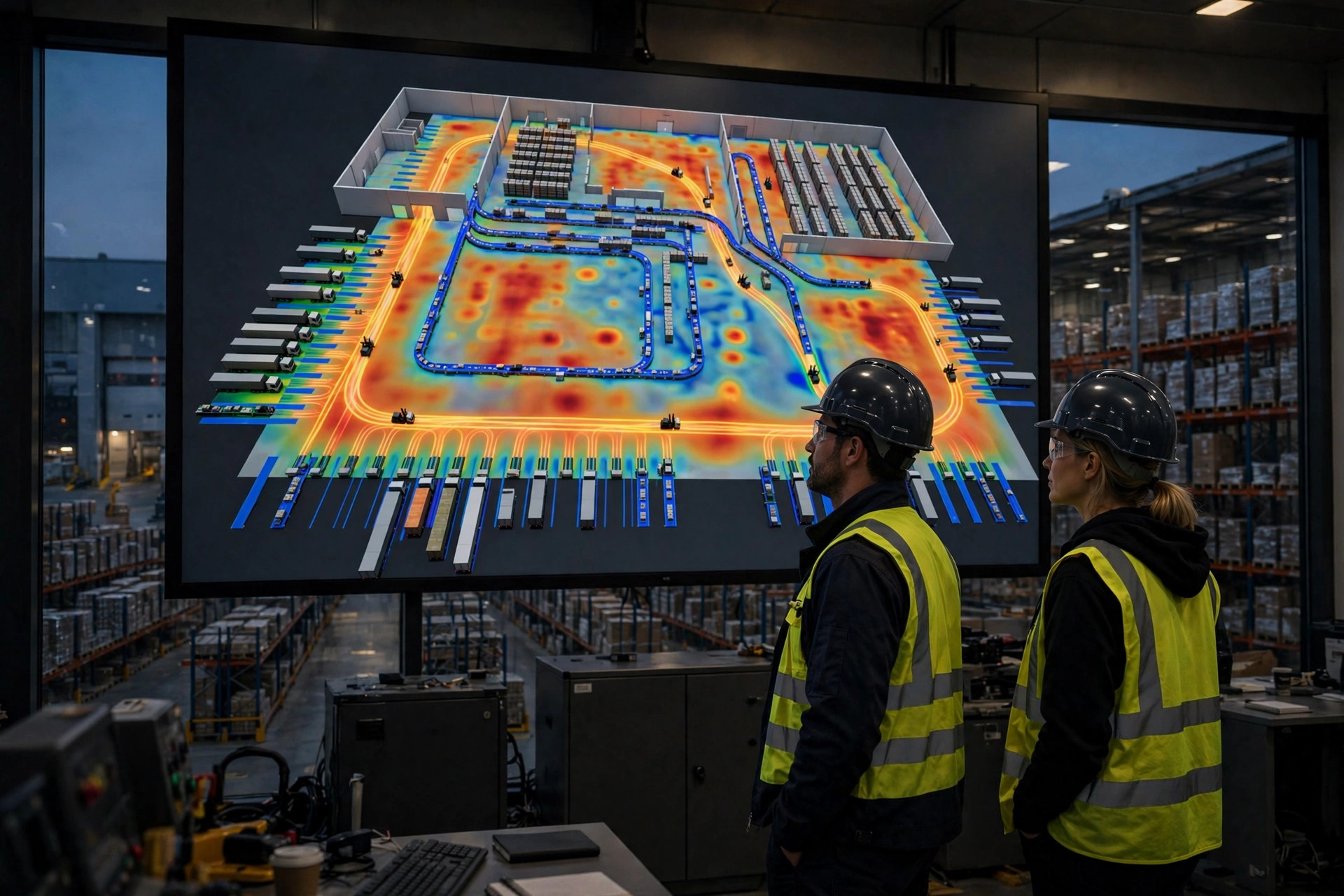
After fifteen years behind the wheel, I've watched plenty of warehouses schedule everything on one veteran dispatcher's gut. He knows which drivers show up on time, which doors unload fast, which line clogs every day at three. That's experience — and also luck. A gut can run one warehouse, but it can't run growth. Then I started hearing about a new trick the big operations use: they copy the entire warehouse into a computer and "rehearse" the day before they live it. Folks call it a warehouse digital twin, with simulation scheduling on top. Plain English? An electronic sandbox.
The Five-Hour Door, and the Door That Ran Like Clockwork
That Joliet day still bugs me. While I waited, the guard told me these full-line meltdowns happen once or twice a month. The cause is always some version of the same thing: a forklift dies, a few unscheduled trucks show up, or all the outbound orders pile into the same two hours. The manager knows the problem. His spreadsheet of door appointments can't answer "what happens if this forklift breaks" or "what happens if this load runs two hours late." I'm telling you, scheduling a big warehouse on a spreadsheet is like me running long-haul on a paper map. Fine until the traffic hits, then you're guessing.
Now the flip side. November 2024, right before Black Friday, I delivered to an e-commerce warehouse in Fontana, California. Peak season, every warehouse in the country bursting — I braced for another five-hour sit. Instead the guard waved me straight in: "Door 7, you're up in fifteen minutes, the truck ahead clears in twelve." I thought, sure, we'll see. But it happened exactly like that. Their dock coordinator told me later they'd spent the month before peak season rehearsing the whole thing in their electronic sandbox. The simulation said: open two more doors than usual, add four people to the unload line each day, and split appointments from six time slots into eight to spread the load. That week they ran hundreds of truck appointments without one going late. Maybe he was bragging — but my truck didn't wait, and that's a fact I can stand behind.
What This Digital Twin "Electronic Sandbox" Actually Is
Let me put it in plain words: it's your warehouse — its looks and its personality — copied into a computer.
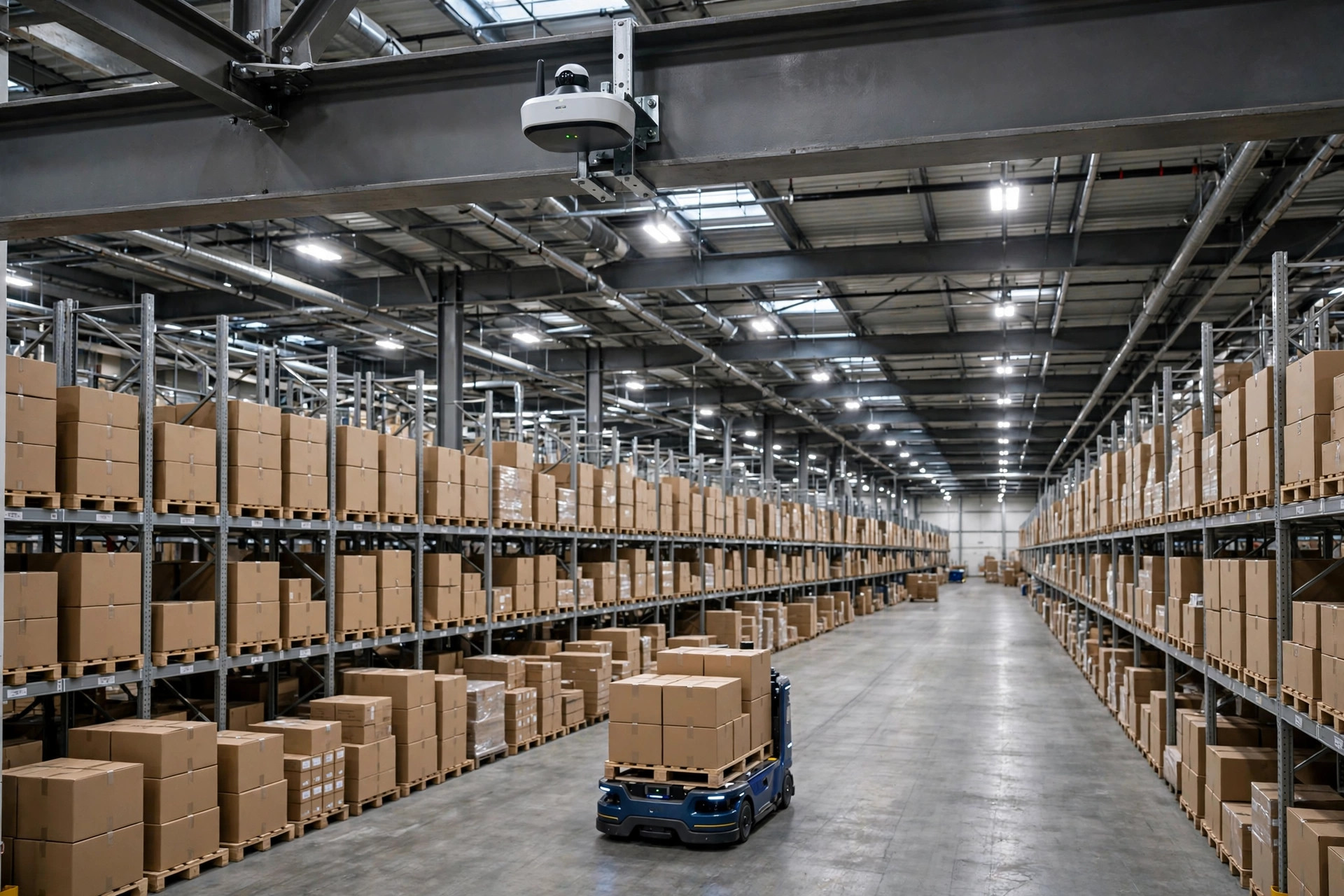
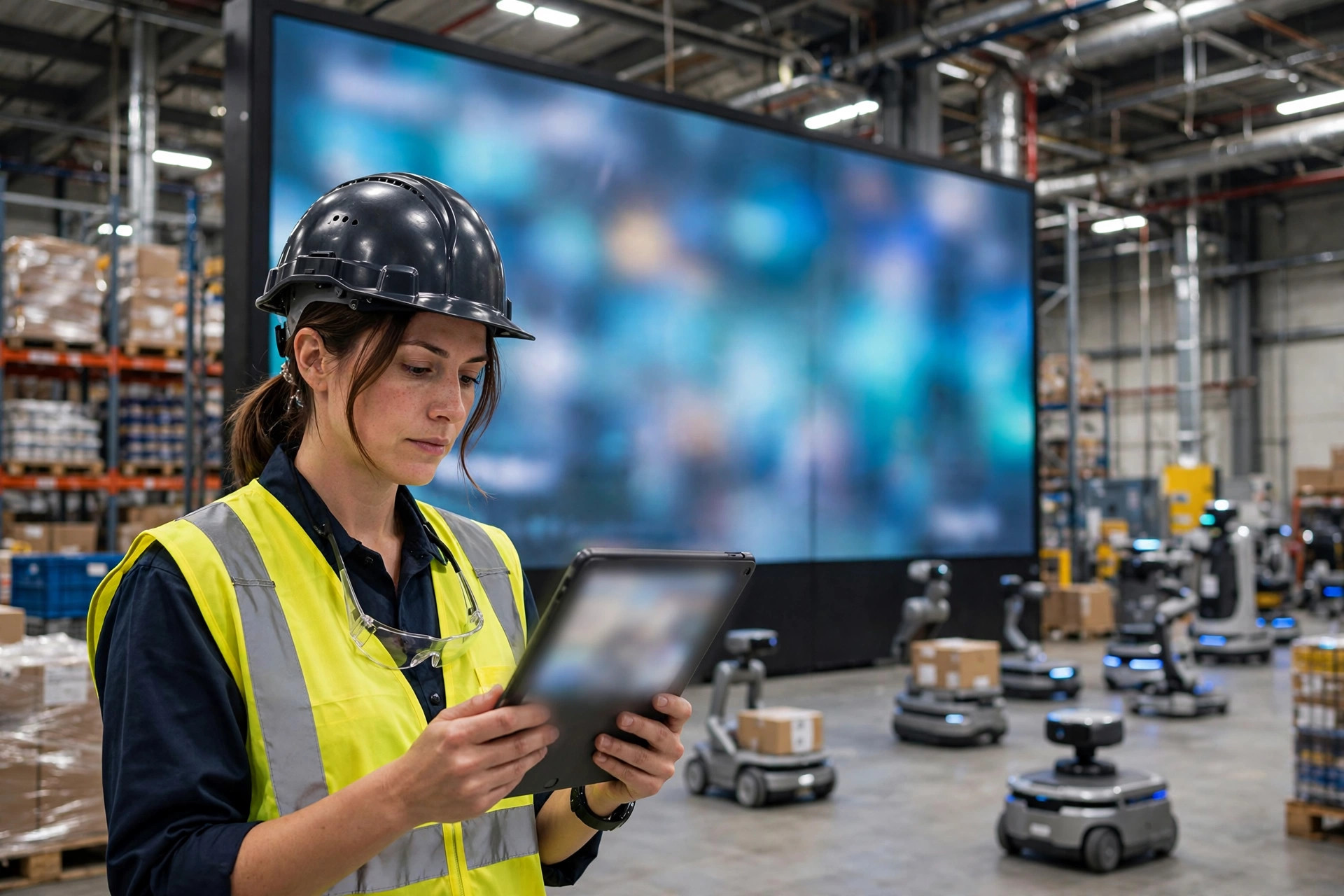
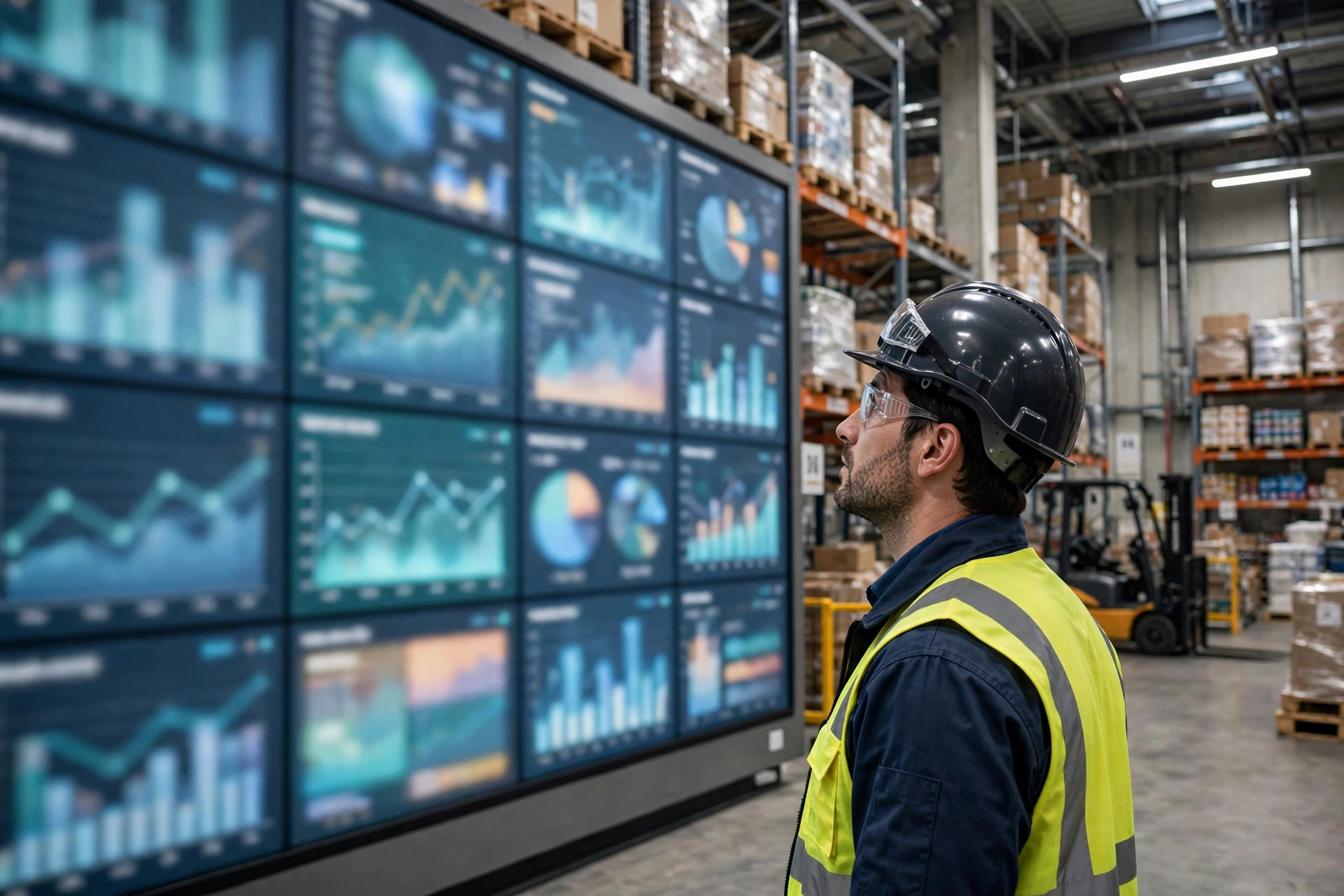
The looks: how many doors, where the racks are, how many forklifts, how long the conveyor runs. The personality: what time trucks show up, which freight unloads fast, which drivers always run thirty minutes late, which shift is always short-handed. Feed that into the system and the computer "runs" a whole day on screen: trucks rolling in, pallets coming off, queues forming, idle spots glowing. Then you get to mess with it for free. Open one more door? Down a forklift? Peak volume doubles — where breaks first? Trying it in a real warehouse costs an afternoon of dead trucks. In the sandbox it costs a mouse click.
That's the whole secret of digital twin simulation scheduling. Nothing mystical. Just moving the "let's try it and see" to a place where mistakes are free.
How Accurate Is Digital Twin Simulation Scheduling, Really?
Here's the honest trucker's answer: it depends entirely on what you feed it.
When the sandbox is fed right, it's scary accurate. Why did Fontana work? Because every truck move and every pallet's unload time was real logged data — years of it. The system had learned the building's personality. Real data in, real predictions out.
But feed it wishful thinking and the sandbox is just an expensive slideshow. I know a mid-size warehouse whose appointment sheet says "fifteen minutes per pallet" while their frozen freight actually takes forty. The simulation ran on the fifteen-minute fantasy and produced a beautiful schedule that collapsed on day one. Garbage in, garbage out. The computer won't lie for you — it just calculates your lies more precisely.
So my call: this thing is half software, half homework. If a warehouse hasn't measured how long a pallet takes to unload, the fanciest twin in the world won't save it.
Is It Worth the Money? Use This Decision Table
Fifteen years of watching warehouses has taught me one thing: no technology is good or bad, only fitting or not. Here's my line in the sand:
| Warehouse size | What it looks like | My take |
|---|---|---|
| Large | Dozens of doors, hundreds of trucks a day, peak volume doubles | Worth it — one day of detention money pays for the lesson |
| Mid-size | A dozen doors, dozens of trucks a day, volume swings seasonally | Consider a lite version — start with simulation scheduling, skip the full suite |
| Small | A handful of doors, a dozen trucks a day, simple freight | Don't bother yet — get appointments and floor execution right first |
Three hard conditions on top of that. First, you need history — at least a year of real in-and-out records, or the sandbox has nothing to learn from. Second, somebody has to maintain it. Racks move, equipment changes, processes get rewritten, and the model has to keep up. An unmaintained twin is just an old map. Third, the boss has to actually believe it. If the crew ignores what the simulation says, the prettiest sandbox on earth is decoration.
The Counterintuitive Part: The Savings Aren't in the Warehouse — They're on the Road
Here's the part most people get backwards. Everyone pitches digital twins as warehouse savings — fewer labor hours, better equipment use. I'm telling you, that's not where the real money is. The real money is us, the trucks.
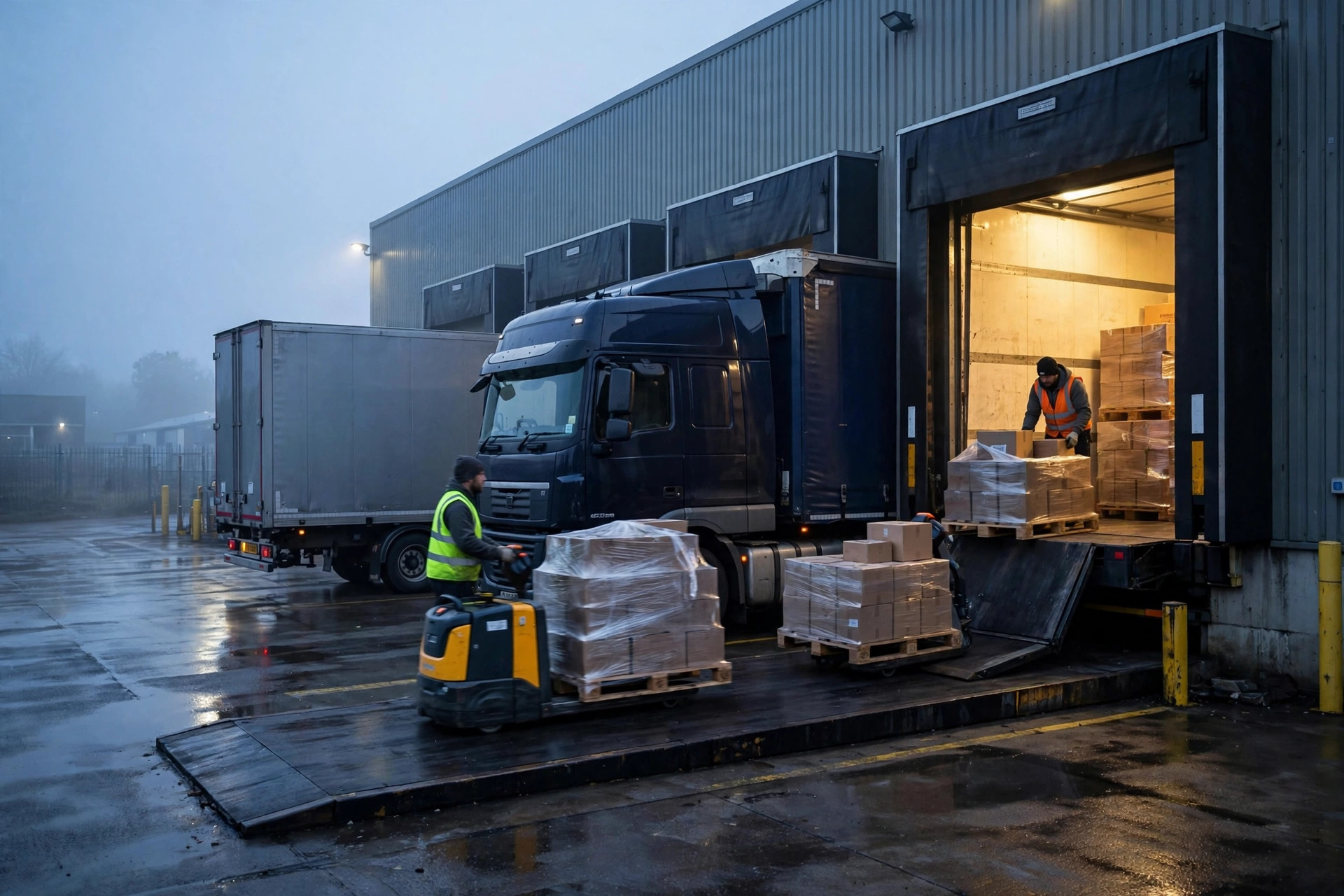
A rig sitting at a door all afternoon burns fuel, kills the next load, pays a driver to do nothing, and racks up detention fees — a few hundred dollars a day per truck, easy. A big warehouse moves hundreds of trucks a day. Shave thirty minutes of wait per truck and the annual number is frightening. The warehouse barely feels it, because that money comes out of the shipper's and the carrier's pockets. That's why the early adopters are the big operations whose shippers write on-time clauses into contracts with penalties — the pain finally landed on the people who can buy the solution.
And there's a trade-off nobody mentions: the more detailed the sandbox, the more it costs to keep alive. New rack positions, a new forklift, a process change — somebody has to update the model every time. Plenty of warehouses are enthusiastic in year one and nobody touches it in year two. A twin that drifts from reality ends up worse than the old dispatcher's gut. Take a rough sandbox that somebody feeds every day over a gorgeous one nobody has opened in three months.
Three Pieces of Advice
First, to shippers: when you pick a warehouse, don't just look at rent — look at how their doors run. Ask one question: "Do you simulate your schedule before peak season?" If they can answer clearly, your freight is safe there. If they look confused, your freight is going to sit.
Second, to operators: before buying any system, get your own house in order. Measure how long a pallet takes to unload. Log what each door really moves per day. Data is the 1 and the sandbox is the zeros after it. Without the 1, all the zeros are still zero.
Third, to my fellow drivers: when you roll into one of these simulated warehouses, hit your appointment time on the dot. You show up thirty minutes late and their whole sandbox schedule has to recalculate — and the guard will look at you differently. Don't ask me how I know.
At the end of the day, this digital twin business is the oldest lesson dressed in new clothes. Spend five minutes checking the road before you roll, save two hours on the highway. Same for a warehouse: rehearse the day in the sandbox before the doors open, save an afternoon of dead trucks. The technology is new. The wisdom isn't.
By Shifu Zhao, Trucking Veteran (15 yrs)