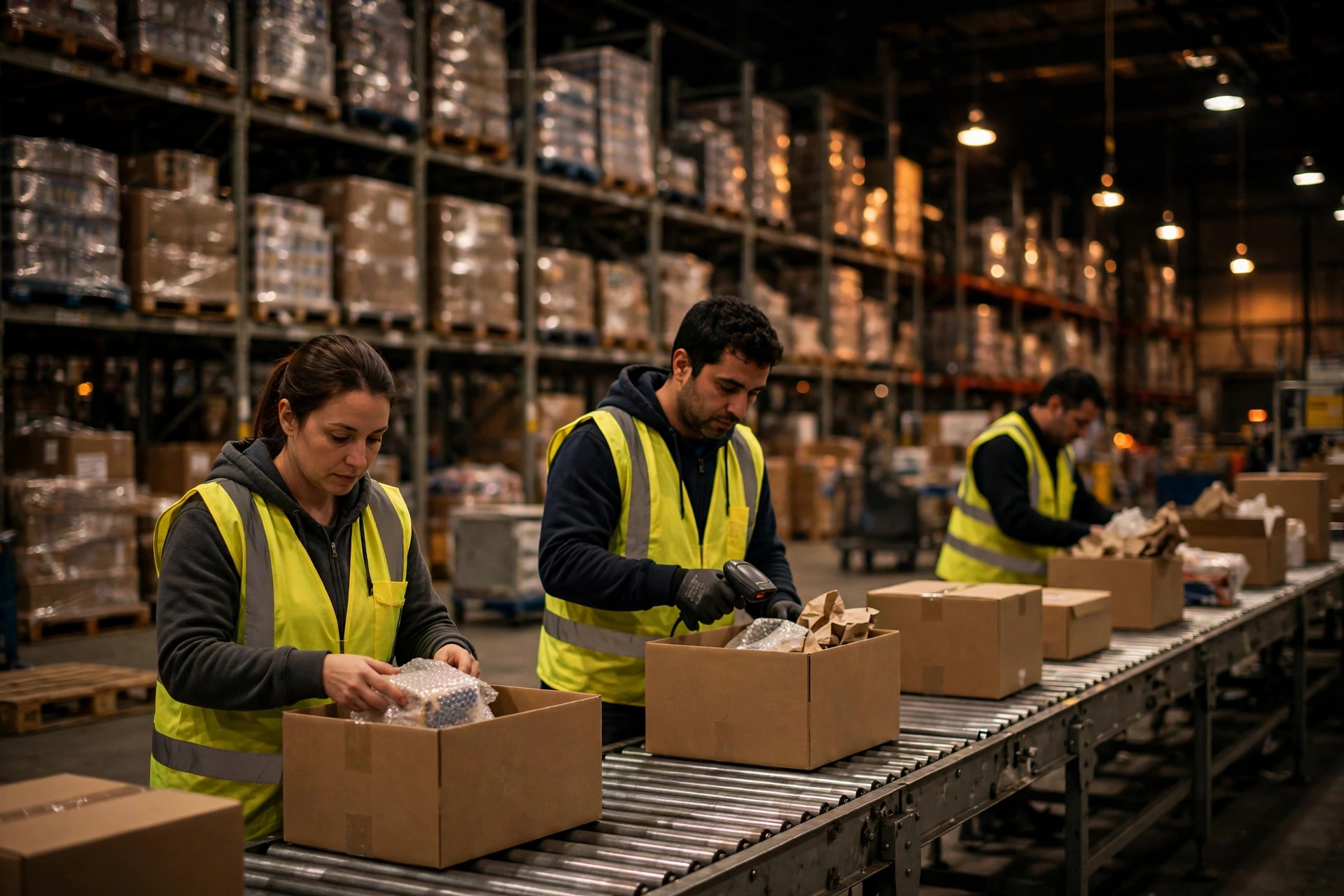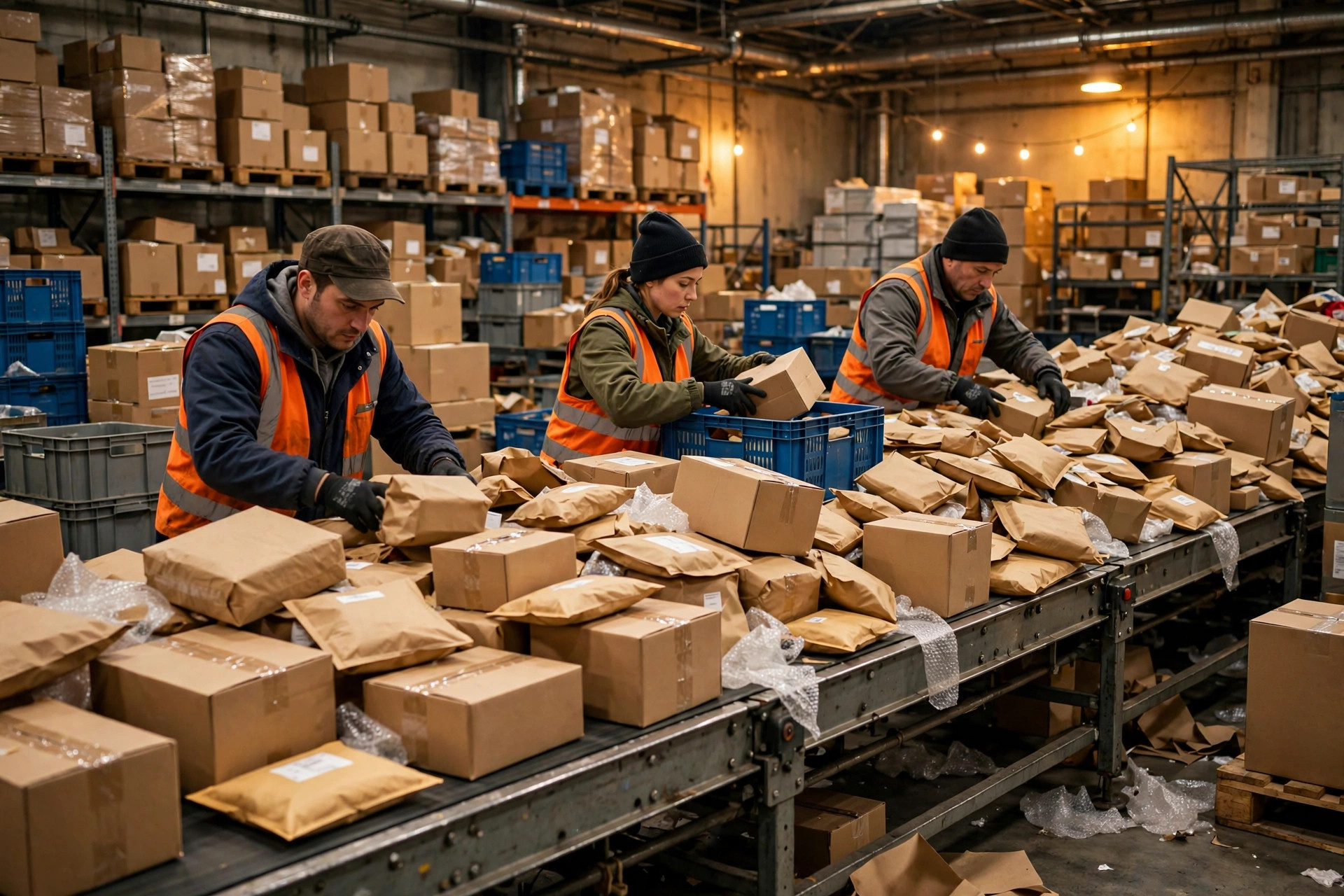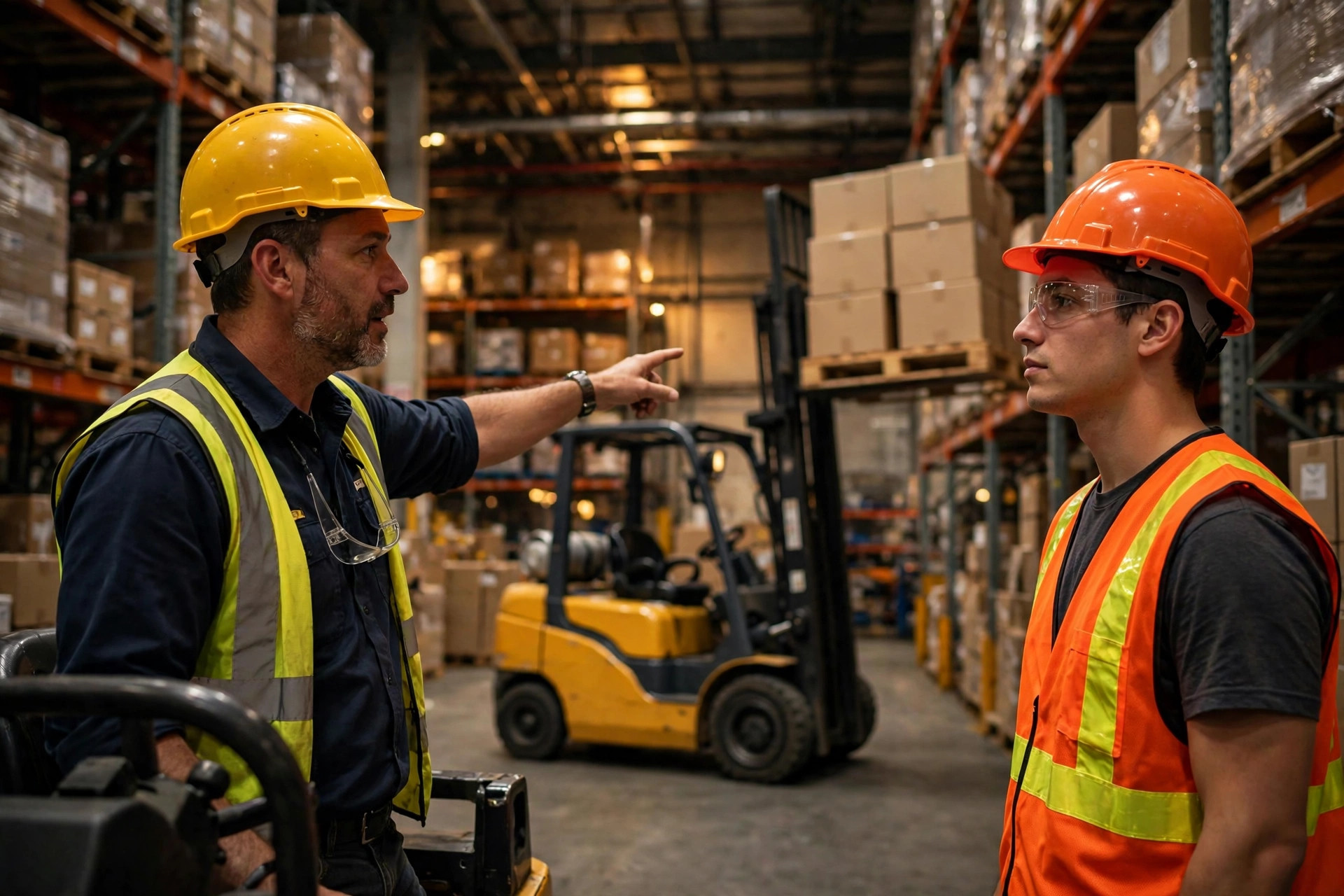
Every warehouse manager I know complains about the same thing: "We can't find people." I've been an e-commerce seller for five years, and I run my own little 2,000-square-foot warehouse outside LA with six people. Let me tell you what I've learned: you're not short on people. You're short on people who can work the right station on the right day. Cross-training fixed this for me, and honestly, I wish someone had forced me to do it two years earlier.
Your Schedule Is More Fragile Than You Think
Black Friday, 2024. I still get a headache thinking about it.
My best picker, Lao He, three years on the job, could find any SKU blindfolded. He called in sick with a fever that morning. That left exactly one person in the building who could pick at speed. My forklift driver, Ah Qiang, showed up on time — great on the forklift, but put him in front of a pick cart and he looked lost. Our units per hour got cut in half.
Orders piled up until midnight. I ended up picking for three hours myself. That night I learned the ugly truth: a single-skilled worker is a single point of failure in your schedule. If only one person in your building can do a job, your scheduling flexibility is zero. One sick day and the boss is on the floor.
Sellers get this instinctively. You'd never put your entire ad budget on one keyword — one bad ACoS spike and you're done. Staffing works the same way. Don't bet your whole throughput on one person's one skill.
How I Turned Six People Into Multiskilled Operators
First, what I stole from someone smarter. I've worked with a 3PL warehouse in Ontario for two years, way bigger than mine. They have a rule I thought was insane at first: every forklift driver must be able to pick, and every pick lead must be able to drive a forklift. Eight weeks before every peak season, the whole crew rotates stations. Fail the assessment, and you're off the peak schedule.
I brought a simplified version back to my six-person shop. Three moves, that's it.
Move one: draw a skills matrix. Columns are the stations: receiving, putaway, picking, packing, forklift, returns. Rows are the six names. Each cell gets one of three levels: can observe (has shadowed the process), can run it (can cover a full shift solo without errors), can teach it (can train a new hire). The goal: everyone has one "can teach" primary skill, plus one or two "can run" backup skills.
Move two: two hours of shadowing per week, in the slow season. Friday afternoons, two hours, veterans pair up with rookies and rotate. And do NOT try to cram this in two weeks before peak — it won't stick, and it'll wreck your outbound flow. Training works like inventory prep: start eight weeks out.
Move three: tie skills to pay. Every additional "can run" skill adds a bump to the hourly rate (the exact amount depends on your market — make it meaningful). My veterans pushed back at first: "Why should I do more work?" I was blunt: more skills means leverage at raise time, first pick of shifts, and when peak-season cuts come, single-skill folks go first. Nobody pushed back after that.
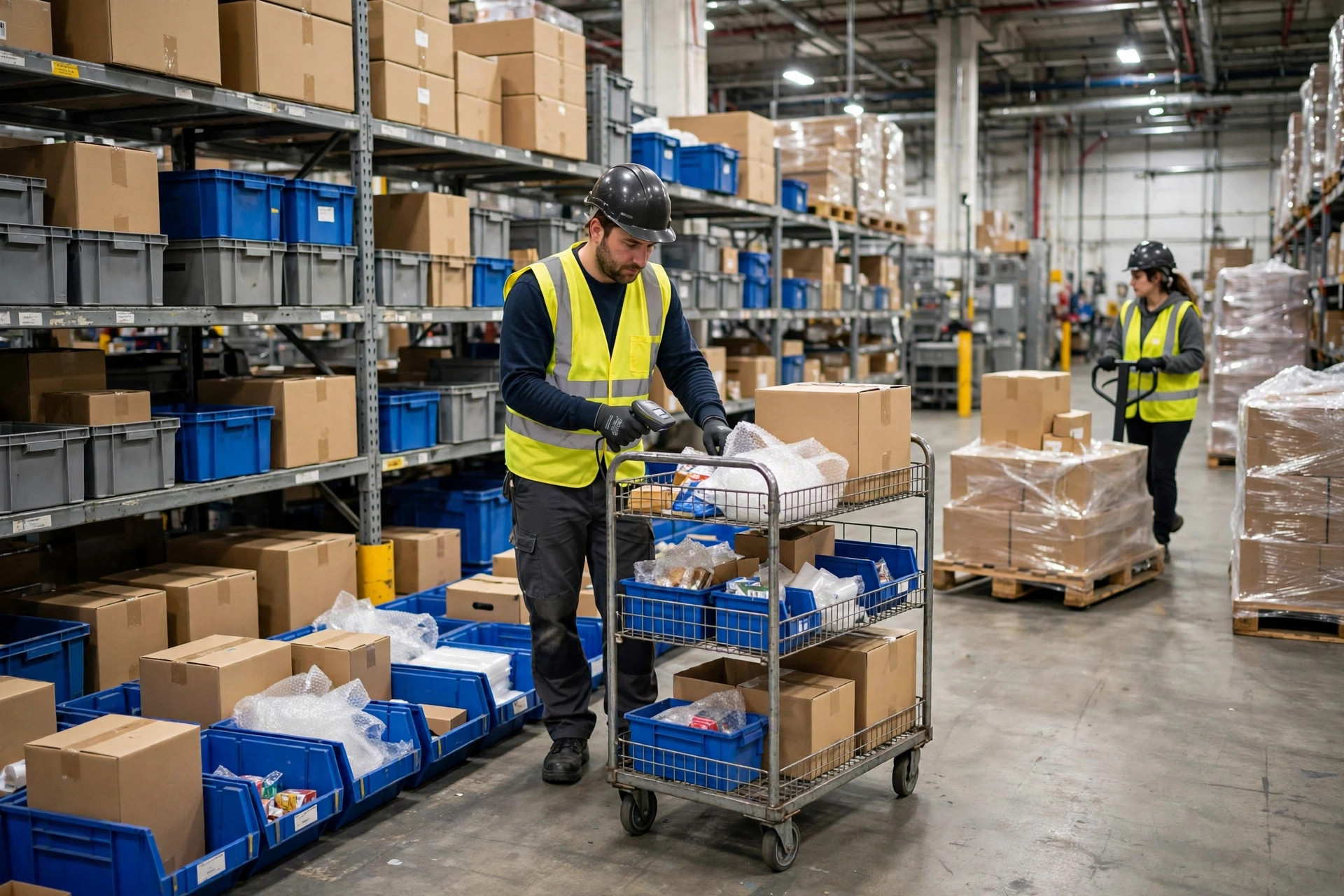
The Real Math: Training Your Crew vs. Hiring Temps
Sellers love a spreadsheet, so here's mine. These are my own numbers from my own shop — your mileage will vary, treat them as directional:
| Cross-training your crew | Hiring seasonal temps | |
|---|---|---|
| Direct cost | Forklift certification runs a few hundred dollars per person (check your local rates); everything else is peer training, nearly free | Hourly rates noticeably higher than regular staff (market-dependent), plus agency headaches |
| Ramp-up time | Two hours a week in slow season, zero impact on outbound | First 3–5 days are basically a write-off; real output starts around day 4 |
| Error rate | Veterans switching stations — error rate barely moves | In my experience last year: mispick rate at least doubled |
| Hidden cost | Output dips to about 80% during training, for 2–3 weeks | One mispick — the return plus reship — costs you half a day of a regular worker's output |
Last Black Friday I hired two temps. Three days of training just to get them up to speed. This year, with a fully cross-trained crew, overtime dropped from roughly 12 hours per person per week to about 4. One person called in sick and I didn't even have to touch the schedule. Do the math yourself.
The Counterintuitive Part: Multiskilled Doesn't Mean All-Skilled
Here's the trap I fell into first: I thought multiskilled meant everyone masters everything. Six people, six stations, all expert. Three months later? Nobody was sharp at anything. Pick rates dipped across the board.
Then the 3PL ops manager set me straight with one line: "I don't need six Swiss Army decathletes. I need a Swiss Army knife — one main blade, and backup tools that work in a pinch."
That's the trade-off nobody talks about: train everyone on everything and you get a crew of generalists who are mediocre at all of it. The right model is "one specialty, plus backups": one primary skill at "can teach" level, one or two backup skills at "can run, can cover a shift" level. For licensed, safety-critical work like forklifts, the primary must be a dedicated driver — backups just need to be safe, slow, and able to cover two emergency hours. For low-barrier stations like picking, backups can go wider.
Cross-training isn't extra work for your people. It's insurance for your schedule. Insurance always feels expensive until the day you need it.
Three mistakes to avoid:
Don't cram before peak. Eight weeks out, train in the slow season, test before peak. Same rhythm as inventory prep. Last-minute training never works.
Certification before keys. Nobody touches a forklift without the license. The liability will bankrupt you. Check your local regulations — don't cheap out here.
Don't go for "everyone does everything." Start with the one or two stations where an absence hurts most — usually picking and packing. Quick wins give both you and the crew positive feedback, then expand.
This one I've personally tested, and it works. This Black Friday, my six people, my schedule — I finally slept through the night.
By Ah K, E-commerce Seller (5 yrs)