Here is the conclusion up front: a closed inventory count is won or lost three days before count day, not on count day itself. When the books do not match the floor, the problem is rarely that somebody miscounted a few items. It is usually that the lockdown leaked, in-transit orders were never cleaned up, and nobody owned the variances on the same day. This piece is about running the lockdown itself, not about posting inventory adjustments afterward. Follow it and you should finish count day with a short variance list, not a pile of unexplained gaps.
Why Closed Inventory Counts Blow Up on the Last Day
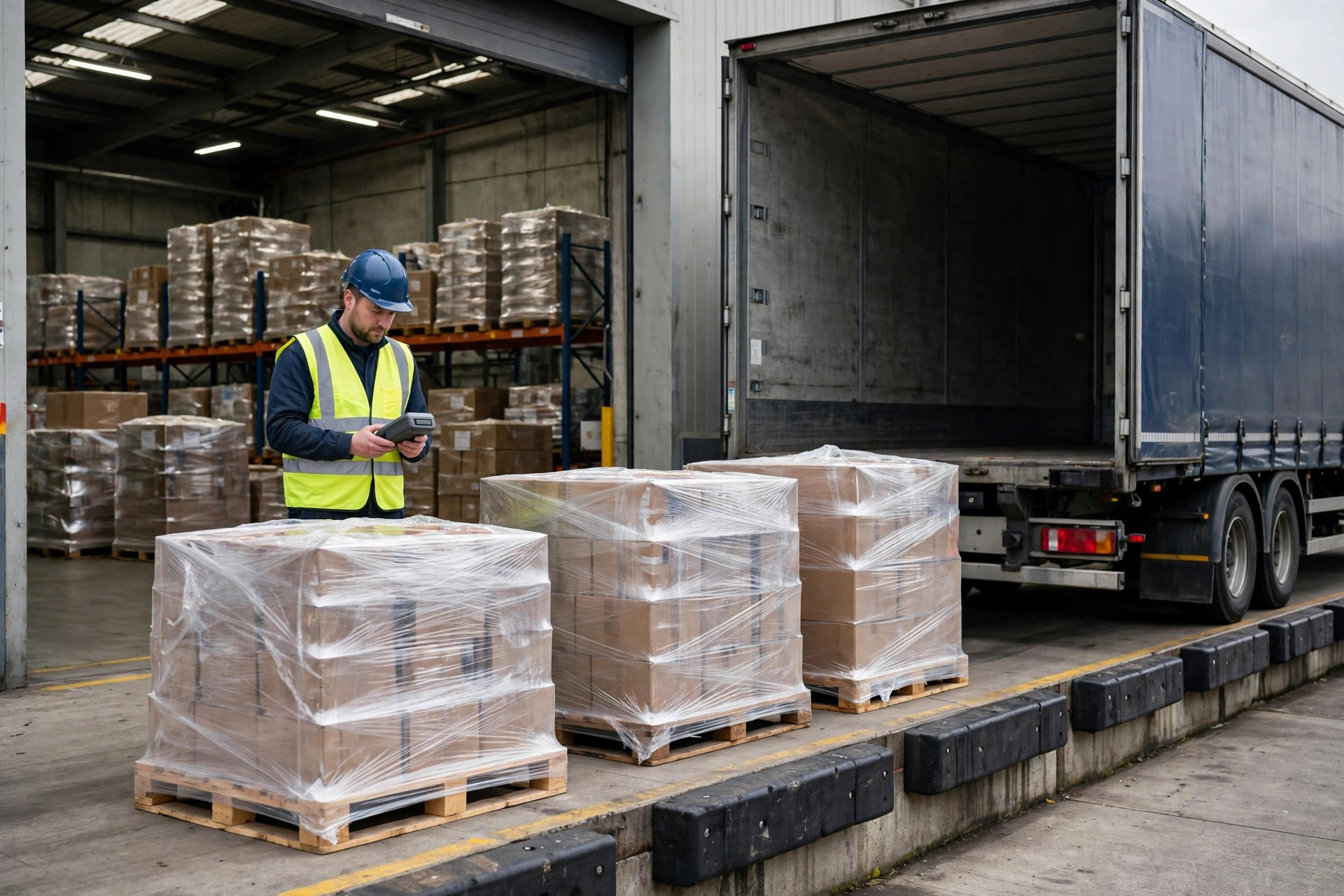
In November 2023 I worked a year-end count with a third-party warehouse in East China, roughly 8,000 locations and a 12-person count team. On the night before the count, the customer pushed in three urgent outbound trucks. The site let the trucks go and promised to fix the paperwork the next day. The next morning the count produced more than 40 new variances, and half a day went into tracing where those three trucks had gone. I have seen this pitfall three times, with different excuses each time and the same root cause: the lockdown was a sign on the door, not a rule. Goods moved, documents changed, and the count measured a moment that matched no version of the books.
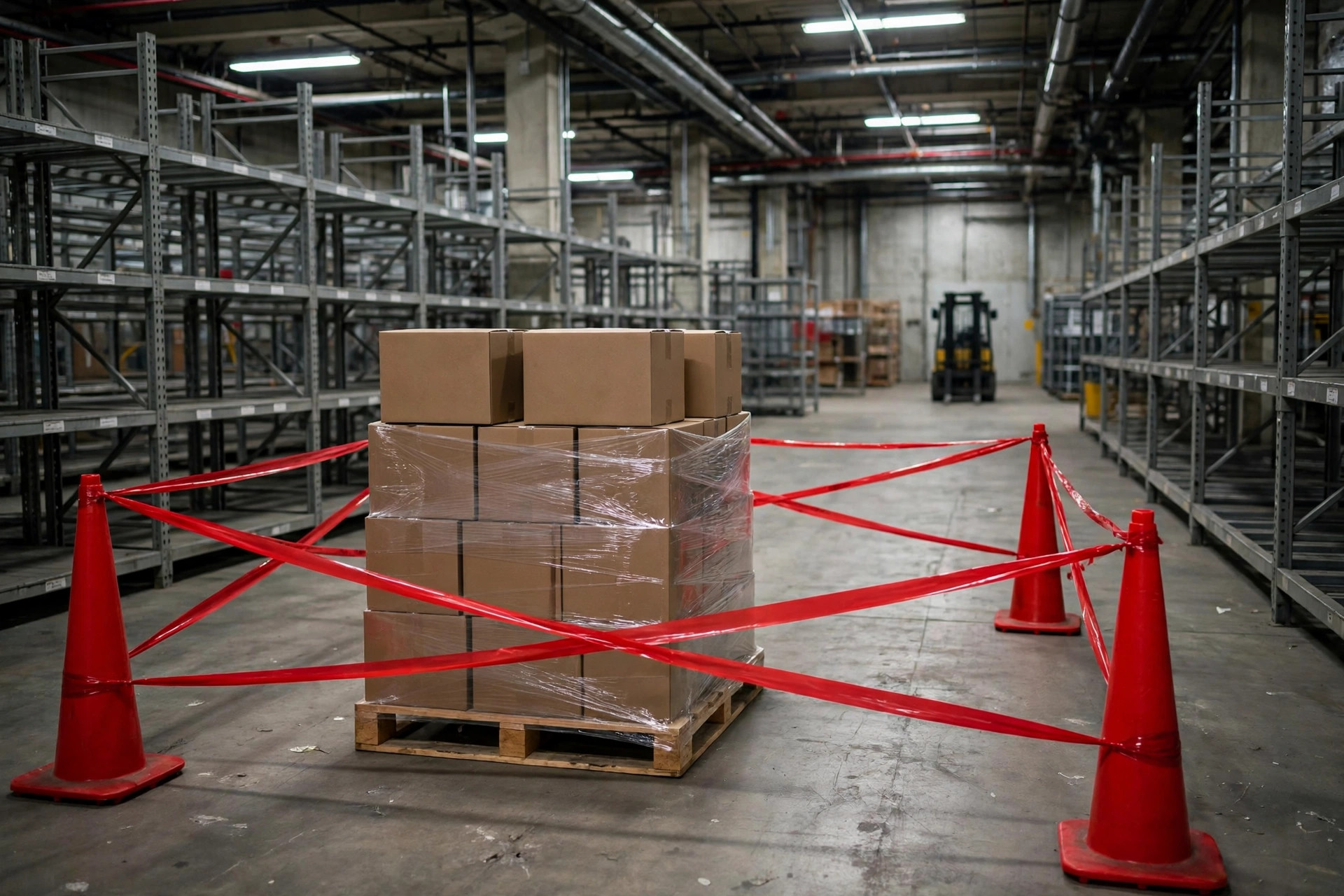
A real lockdown has to freeze three things: movement of goods, the status of documents, and the idea that one exception will not hurt. Once a truck moves, locations change. Once a document changes, the book quantity changes. Once one person decides that one truck does not matter, the whole count sheet is dirty. So the lockdown notice has to state the freeze start time, the reopen time, and exactly who can approve an exception. An exception without a signed exception slip, with truck number, order number, item, quantity, and approver, does not leave the building. Put that rule in the notice itself, and the floor stops improvising.
There is one more job people skip: cleaning the books before the count. Damaged stock, slow-moving stock, pending returns, and in-transit quantities that have sat in the system for weeks all need to be sorted and labeled before count day. If counters meet them cold, they guess. If reviewers meet them cold, they cannot judge either. Three days before the lockdown, I run an exception list from the system and assign every line to a person. Count day is for counting physical goods, not for arguing about history.
Closed Inventory Count, Step by Step: From Lockdown to Review
This is the night-before-go-live checklist I use on implementation projects. Trim it to the size of your warehouse, but keep the order.
Step 1: set the lockdown window and the exception rule. Send the notice a week ahead, with the freeze start, the reopen time, and the approver for exceptions. An urgent shipment is allowed, but it goes through an exception slip, with a photo taken before the truck leaves and the document completed the same day. Any shipment without a slip is charged to the person who released it. Written down, that rule holds. Left verbal, it does not.
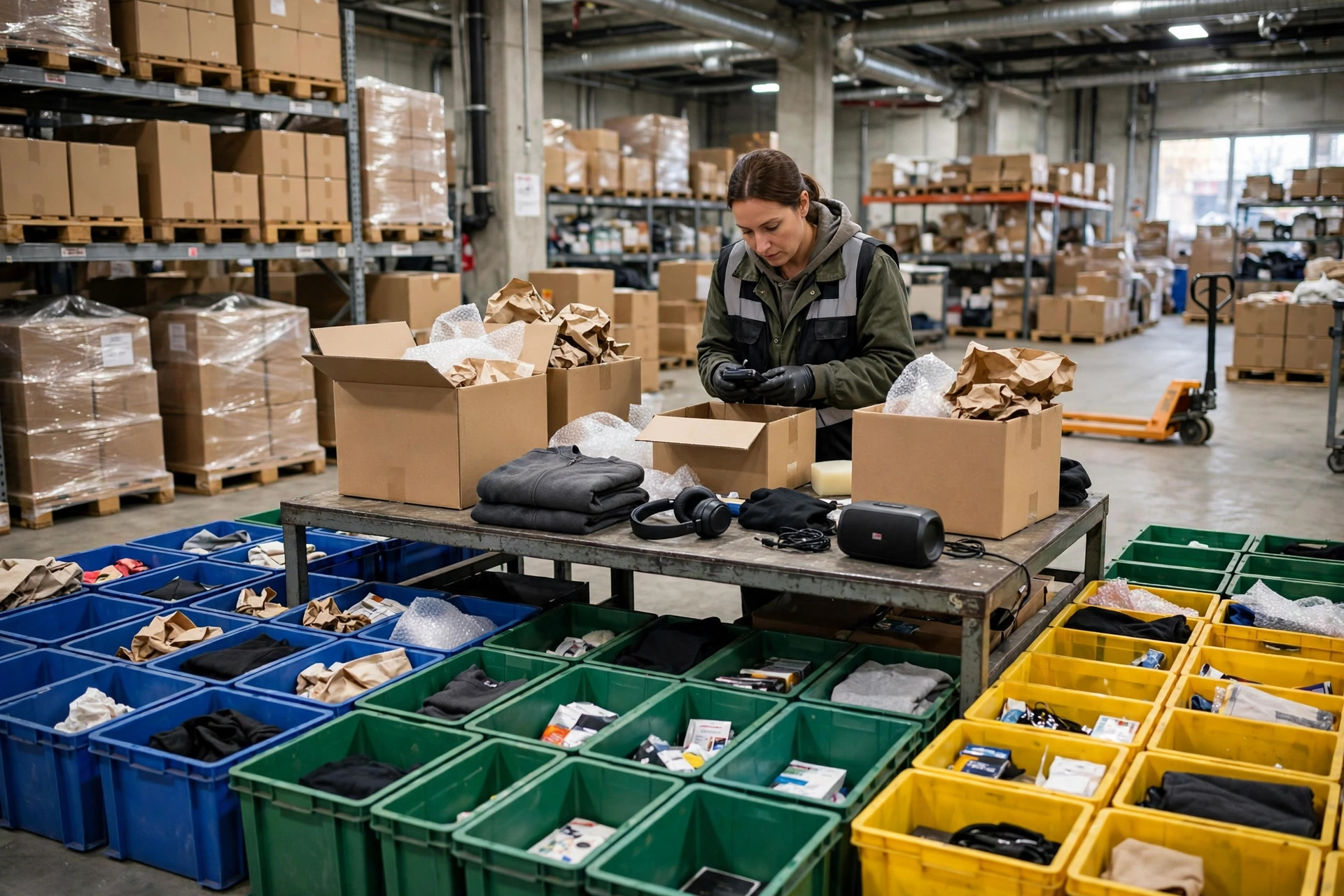
Step 2: clear in-transit orders, clear exceptions, clear pending work. Pull four lists: open inbound orders, open outbound orders, open transfers, and open returns. Work each line: has the goods arrived, where is the document stuck, can the order be closed before the count? Lines that cannot be closed go on a separate frozen list, counted at their frozen status and unlocked one by one during review. Damaged and slow-moving stock gets its own marked area with labels, so counters record what they see and do not have to decide whether it still counts as stock.
Step 3: cut the count into zones, teams, and time slots. Cut by aisle or area, one team per zone, so two teams never count the same locations. The task sheet lists locations and product categories only, not book quantities. That is the blind-versus-open count trade-off, made deliberately: blind counting is slower, but it stops people from copying book numbers onto the sheet. Use blind counts for fast-moving and high-value zones, and open-count checks for slow-moving and full-pallet zones. Mix the two by risk, not by habit. When a zone is finished, seal and label it with team, time, and carton count, so any later movement is visible tampering.
Step 4: reconcile in two rounds, and do not post adjustments after round one. Round one looks only at variance lines, never at matching lines. Grade each variance before anyone talks about adjusting the books:
| Grade | What it means | What happens the same day |
|---|---|---|
| A | Large quantity gap, or high-value or full-pallet mismatch | Recount with a different team the same day, check camera footage and inbound and outbound records |
| B | Small, scattered item gaps | Check documents and transfer records the same day, name an owner and a review deadline |
| C | Pack-size, damage, or labeling gaps | Photograph and log it the same day, keep it out of book adjustments for now |
Round two is the review: only reviewed variances enter the adjustment workflow, and every adjustment carries four attachments, the first count, the recount, the cause, and the owner. Missing one, no adjustment. This step looks slow, and it is the step that saves the most time, because it closes the door on "we will check next week."
Step 5: chase every variance to a person on the same day, and hold the review meeting the same evening. Thirty minutes, three questions only: what variances came up today, who owns each one now, and by what time tomorrow is there an answer? Print the list and put it on the wall before people leave. The next morning starts with that list. Variances left overnight lose their trail fast. Memories fade, and somebody else may "helpfully" edit a document. The cost of tracing a variance rises every day it sits.
A Pitfall I Have Seen Three Times: When the Closed Count Goes Wrong
A case that ended well shows why the grading table matters. In June 2024, a South China e-commerce warehouse finished its quarterly closed count with more than 60 variances, and the first reaction on site was that the system was wrong again. Graded properly, only 9 were grade A. Most of the rest were unclosed transfer orders and returns still in transit. Of the 9, four were counters mixing up two neighboring locations, fixed by a recount with a different team in half an hour. Three were exception shipments whose paperwork arrived a day late and cleared once filed. The last two were real: one unreported damage case, and one pallet received but never booked in. By the end of the same-day review, more than 60 variances were down to 2 adjustments, and everything else had a named cause.
The counterintuitive lesson is this: blind counting is not always more accurate than open counting, and a tighter lockdown is not always a better lockdown. Blind counting stops copying, but with a green team it also mixes up neighboring locations and similar packaging, and an open-count check is faster there. A lockdown with no exception channel at all pushes the business to move goods off the books, which leaves the records dirtier than a controlled exception would. A good closed inventory count does not seal the doors. It turns every exception into a traceable action, with a slip, a signature, and a deadline. Count speed never mattered as much as this: every variance has a cause, and every cause lands on a specific person and a specific document on the same day.
When the count is done, you should hold three lists: a short adjustment list, a closed exception list, and a list of fixes for the next count. Fix the third list before the next count, and each count gets shorter.
By Lin Xiao, WMS Implementation Consultant