We have a client who got stuck on warehouse carbon footprint data halfway through writing a bid last year. Not on price — on a one-page warehouse carbon footprint questionnaire tucked into the appendix. The customer wanted the warehouse's carbon footprint data — Scope 1, Scope 2, and Scope 3 — plus an explanation of where the numbers came from and how they were calculated. The sales lead called me and asked, "Susan, how did you guys answer this before?" The honest answer: nobody asked before. Now people are starting to ask, and the number of people asking is only going up.
This is not a sustainability brochure. It is a change in the buying process. Customers used to compare price, capacity, and lead time. Now plenty of large customers attach a carbon questionnaire to the RFP. Leave it blank and you may not be disqualified outright, but you will lose points on the scorecard. Answer it vaguely and legal and compliance will come back with follow-up questions. Warehouse carbon footprint has moved from a nice-to-have to a question you have to answer — and a lot of 3PLs have not caught up yet.
What Customers Are Really Asking About Warehouse Carbon Footprint
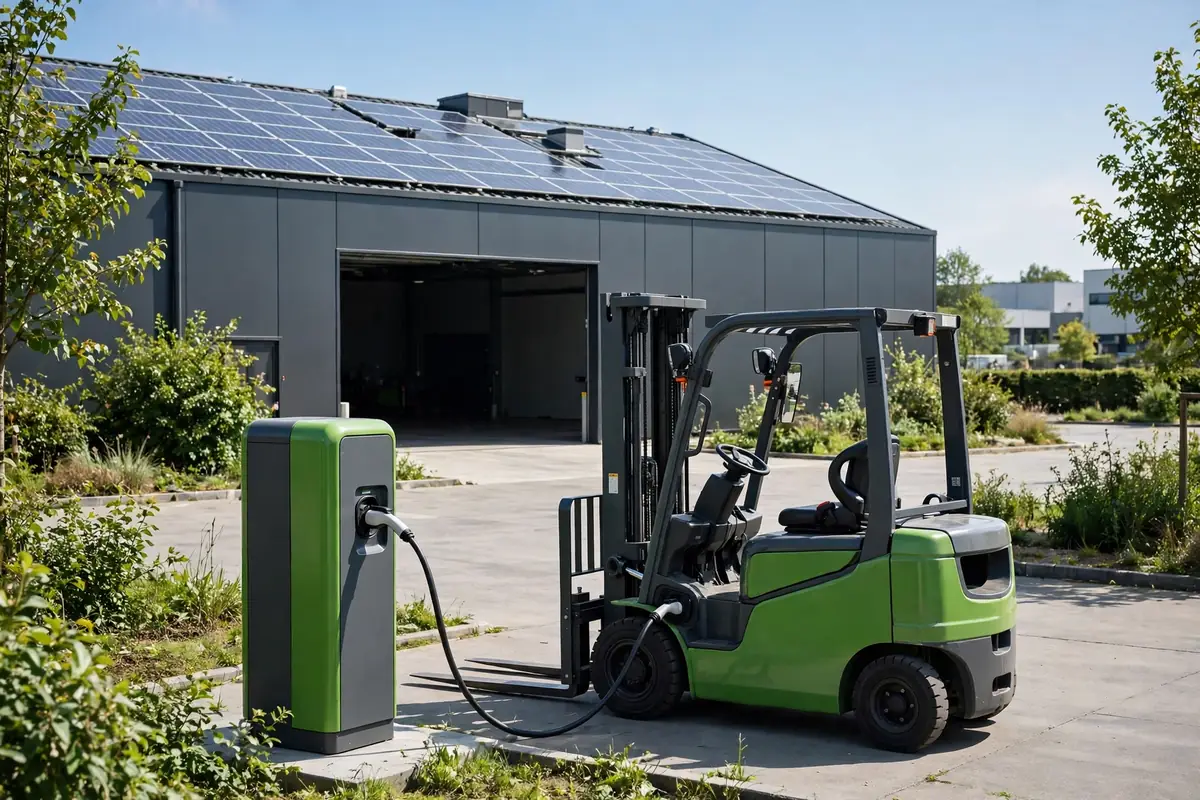
First, the three scopes, which come from the GHG Protocol, the framework the industry uses. Scope 1 is what you burn yourself: fuel for forklifts, fuel for company trucks, gas heating in the warehouse. Scope 2 is the energy you buy: purchased electricity, heat, and steam — lighting, air conditioning, and charger banks mostly live here. Scope 3 is everything indirectly produced up and down the chain: subcontracted transport, packaging production, employee commuting, outsourced warehousing. The longest chain, and the hardest to measure.
What the customer really wants to know boils down to three things: where your data comes from, what method you used, and who stands behind the numbers. Scope 1 and Scope 2 are relatively easy to answer because the data is in your own hands. Scope 3 is where providers get separated. The 3PLs that can explain where their Scope 3 data comes from are still in the minority.
We have another client in apparel. Their end customer, a European retailer, told all suppliers to provide carbon data for the warehousing leg, or next season's orders would be re-evaluated. The goods were still sitting in the warehouse; the carbon data became a precondition for the order. That is how enterprise customers work: today they ask for data, tomorrow it goes into the contract, the day after it becomes a performance metric. If you wait until it is in the contract to get ready, you are already late.
Where Warehouse Carbon Footprint Data Actually Comes From
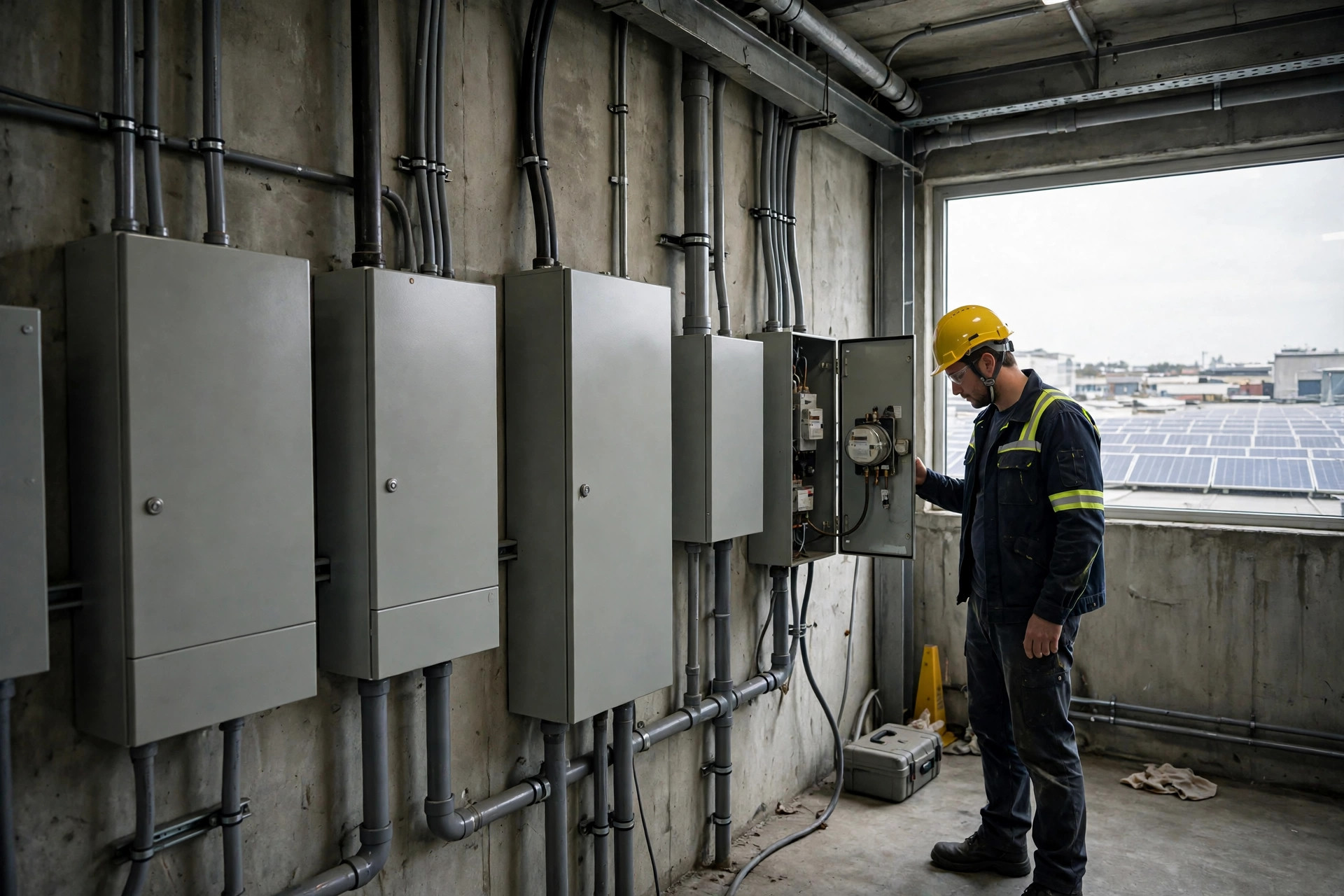
Scope 1 data is the most honest and the most scattered: fuel receipts, gas bills, odometer readings on company vehicles. Whether your forklifts run on diesel or electricity decides directly whether that item even exists in your Scope 1. In many warehouses, fuel records live in drivers' pockets and gas station invoices, and nobody consolidates them until a questionnaire arrives and the numbers cannot be put together.
Scope 2 data should be the simplest in theory: meters and electricity bills. The trap is allocation. Several customers share one warehouse, and the electricity bill covers the whole building. How do you split it between customers? Area-based allocation is the most common method, and the crudest. Take a worked example with stated assumptions: if Customer A occupies 40 percent of the floor area, it gets 40 percent of the electricity. That sounds reasonable — until you notice Customer A's freight turns over fast and uses more lighting, forklift charging, and packing equipment, so area allocation understates its real consumption. If the allocation method is not written down, the customers' numbers can add up to more than the building actually used, and any compliance reviewer will spot it immediately.
Scope 3 data is the hardest part. Subcontracted transport data is the worst: carriers do not provide it, or provide it in incompatible formats, or two parties count the same shipment. Packaging means asking suppliers, commuting means surveying employees, outsourced warehousing means asking the other provider for its numbers. Every item needs a paper trail: where the data came from, who supplied it, and how the missing parts were estimated. Estimating is not wrong. What is wrong is estimating without saying so, or using one estimation method this year and a different one next year and comparing them side by side.
Here is a counterintuitive judgment: a carbon report that looks "good" matters less than one that can be explained. Customer compliance teams have seen plenty of beautiful numbers. What they actually trust is a provider who can explain the source of every figure and is willing to admit which items are estimates. A questionnaire that honestly states "Scope 3 transport data covers 70 percent of orders, the rest estimated from historical averages" will pass review more easily than one where every number is neat and tidy but nobody can say where it came from.
How to Write Carbon Terms Into the Contract
Once the data is in order, the next step is the contract. Carbon terms now usually show up in three places: the RFP questionnaire, an appendix to the service agreement, and the KPIs of the annual review. At the negotiating table, my advice comes down to four points.
First, write the reporting method and frequency into the contract: quarterly or annual, which scopes are covered, and how allocation works. Once the method is in writing, neither side has to renegotiate it every year.
Second, do not let a reduction target get written in stone. Customers sometimes ask for a fixed reduction percentage in the contract. It sounds good, but warehouse reductions depend on rooftop solar, equipment replacement, and electricity pricing — none of which a sales director can approve alone. Get the accounting right before talking about reductions, and write the target as something "reviewed jointly once a year," not a number fixed today.
Third, spell out what happens when data is missing: estimate and document, or exemption. It is not your fault if a subcontractor refuses to share data, but if the contract does not say so, the missing data becomes your problem.
Fourth, price the carbon work into the quote. Collecting, calculating, and auditing data costs money, and if the customer wants third-party verification, who pays and how broad the verification runs should be agreed before signing — not discovered afterward when nobody wants to recognize the bill.
Next time you negotiate a contract, ask these three questions: where does your Scope 3 data come from? Is the allocation method written into the contract? Is the reduction target a commitment or an intention? Ask those three, and the other side will know you are not there to fill in a form.
By Susan, 3PL Sales Director