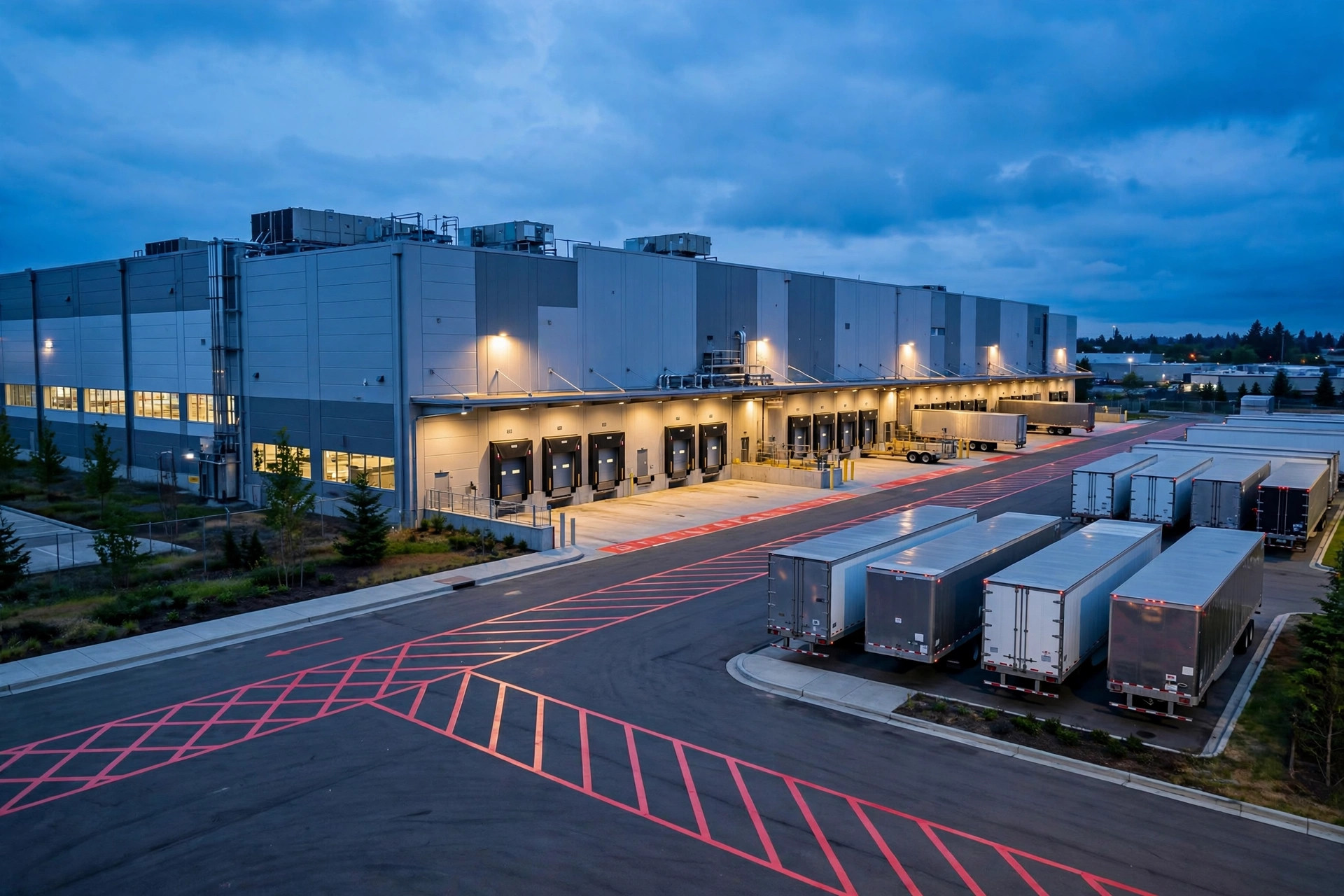
Here's a gut punch: your inventory sits in a 3PL warehouse, the building burns and stays shut for three months, and you think the 3PL's business interruption insurance will cover you? Wake up — your name isn't anywhere on that policy.
On April 7 this year, a 1.2-million-square-foot warehouse in Ontario, California burned for 12 straight hours. It took 175 firefighters to get it under control. Total loss. Damages were estimated at about $500 million. It was a paper products facility — basically a giant tinderbox.
Think it can't happen to you? On June 11, a distributor called Notions Marketing in Grand Rapids lost its 1.2-million-square-foot distribution center to fire — nearly 60,000 SKUs from 600-plus brands stuck inside. The company paused all shipping and all website orders. When will it reopen? Nobody knows. Its vendors and sellers? Inventory locked in, money not coming in, nothing to do but stare at the ceiling.
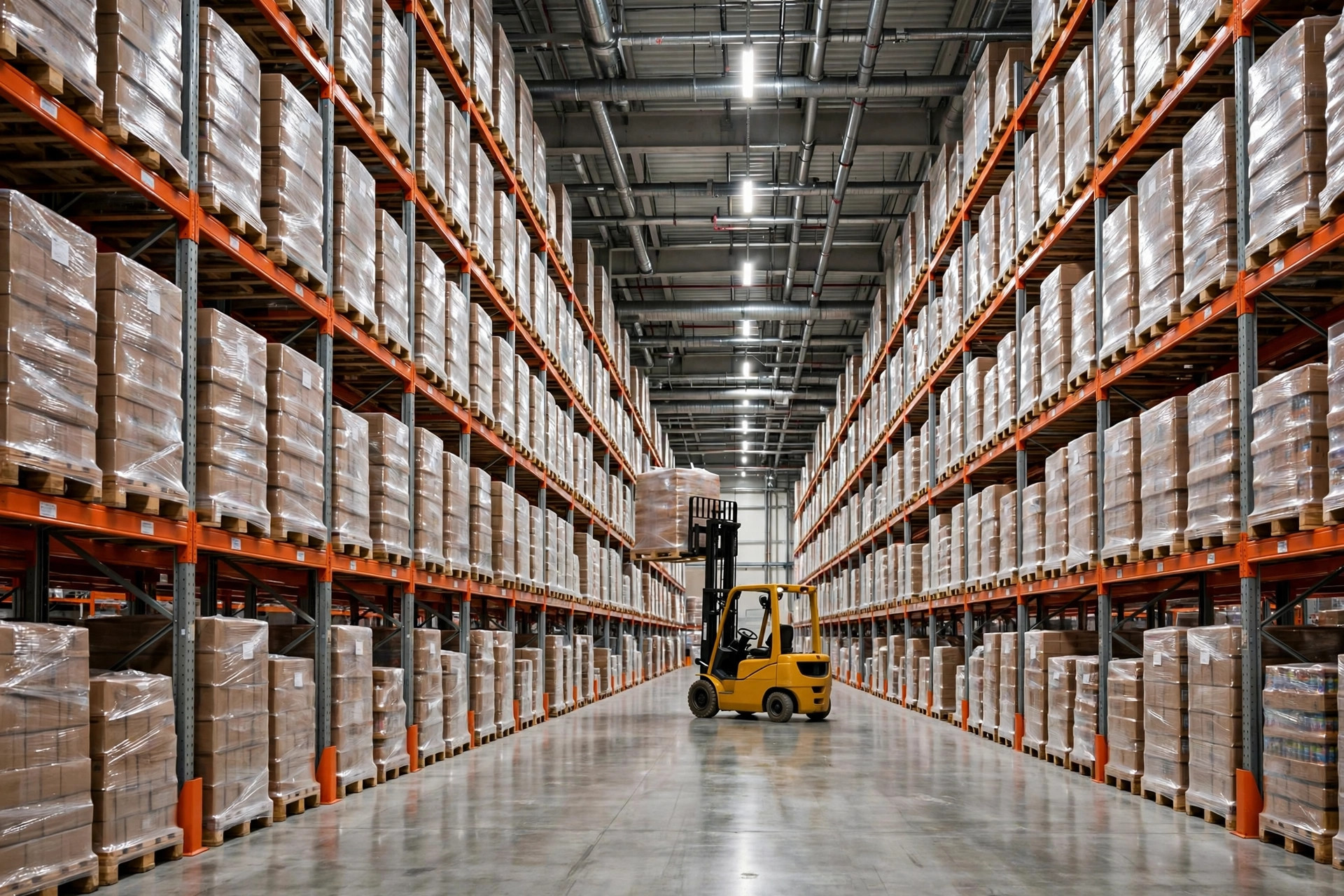
That news chilled me. Because 100% of my inventory sits in one 3PL warehouse.
What Business Interruption Insurance Actually Covers: Read This Table First
First thing I did: called my 3PL and asked for this year's certificate of insurance. Then I spent an afternoon with an insurance broker and finally got it straight. Here's the bottom line — sellers need to understand three layers of insurance, and missing any one of them means you're running naked:
Layer one: property insurance. It covers the building. Warehouse burns, the landlord or the 3PL uses it to rebuild. Nothing to do with you.
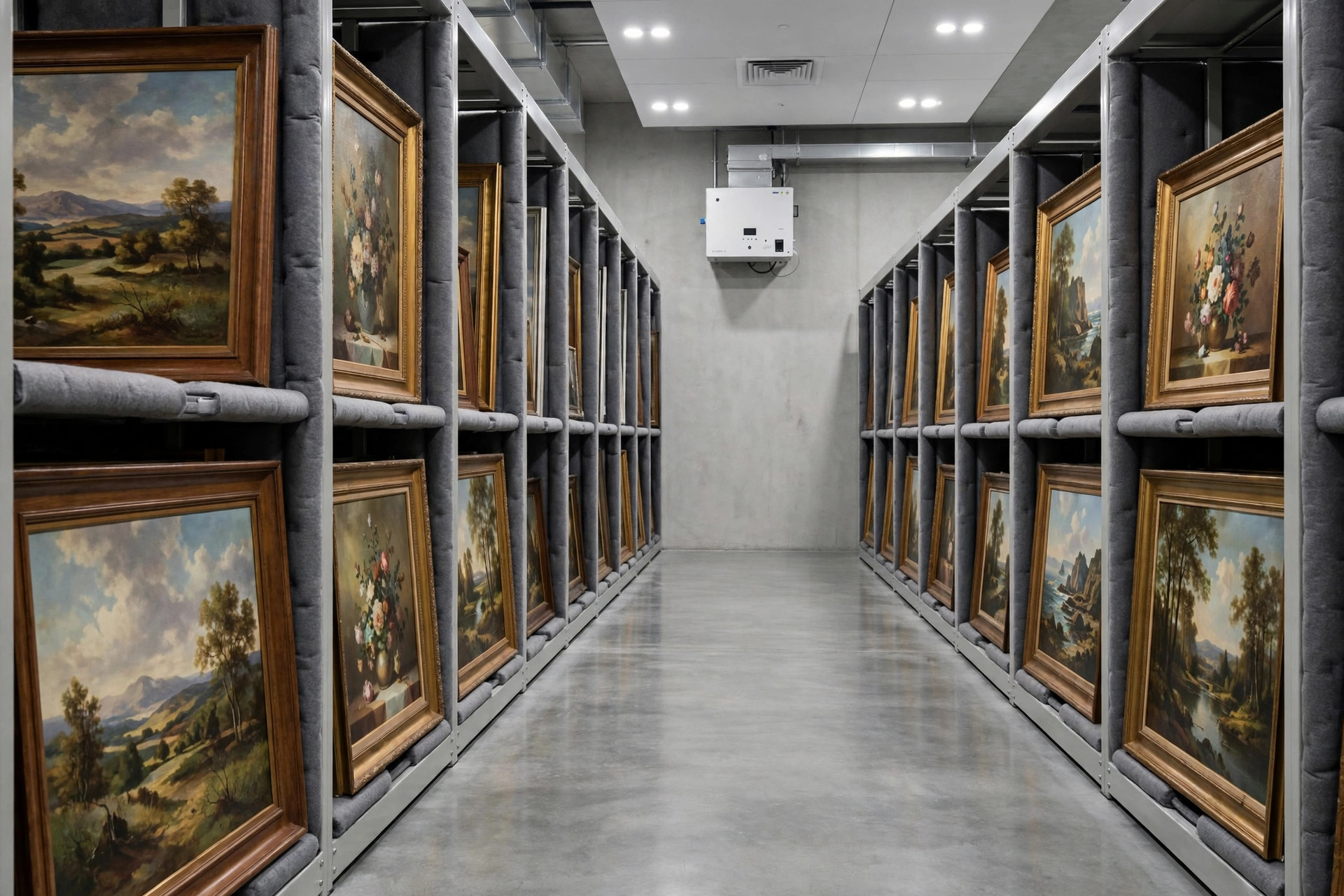
Layer two: cargo or stock throughput insurance. It covers your goods. Goods burn, this pays for the value of the goods. Note: the value of the goods — not the money you would have made selling them.
Layer three: the star of today's show. It covers income lost while you're shut down. But here's the catch: the 3PL's policy covers the 3PL's lost income, not yours. Your store goes dark for three months? Their policy won't pay you a cent.
What sellers actually need is its cousin: contingent business interruption insurance. It covers losses when someone else's property going down shuts you down. Your 3PL's warehouse burns, your store stocks out — this is what pays. One condition: your 3PL has to be specifically named on the policy. Not named, not covered.
| What it covers | What it doesn't cover |
|---|---|
| Net income lost during the shutdown | The burned building and equipment (that's property insurance's job) |
| Payroll and rent you still owe | Shutdowns caused by flood or earthquake (unless separately endorsed) |
| Loan payments and taxes | Pandemics and communicable diseases |
| Relocation costs for a temporary warehouse | Income you can't document (messy books, good luck) |
| Extra expenses to keep operating | The first 48–72 hours (the waiting period — that's on you) |
| Retraining staff on new equipment | Invisible losses like tanked listing rankings |
That last row deserves its own paragraph: insurance pays money, it doesn't buy back your rankings. Three months out of stock, your listings fall off page one, and even after you're back in stock the sales don't come back. That loss isn't in the policy. It's a pain only sellers feel — warehouse owners don't have this problem.
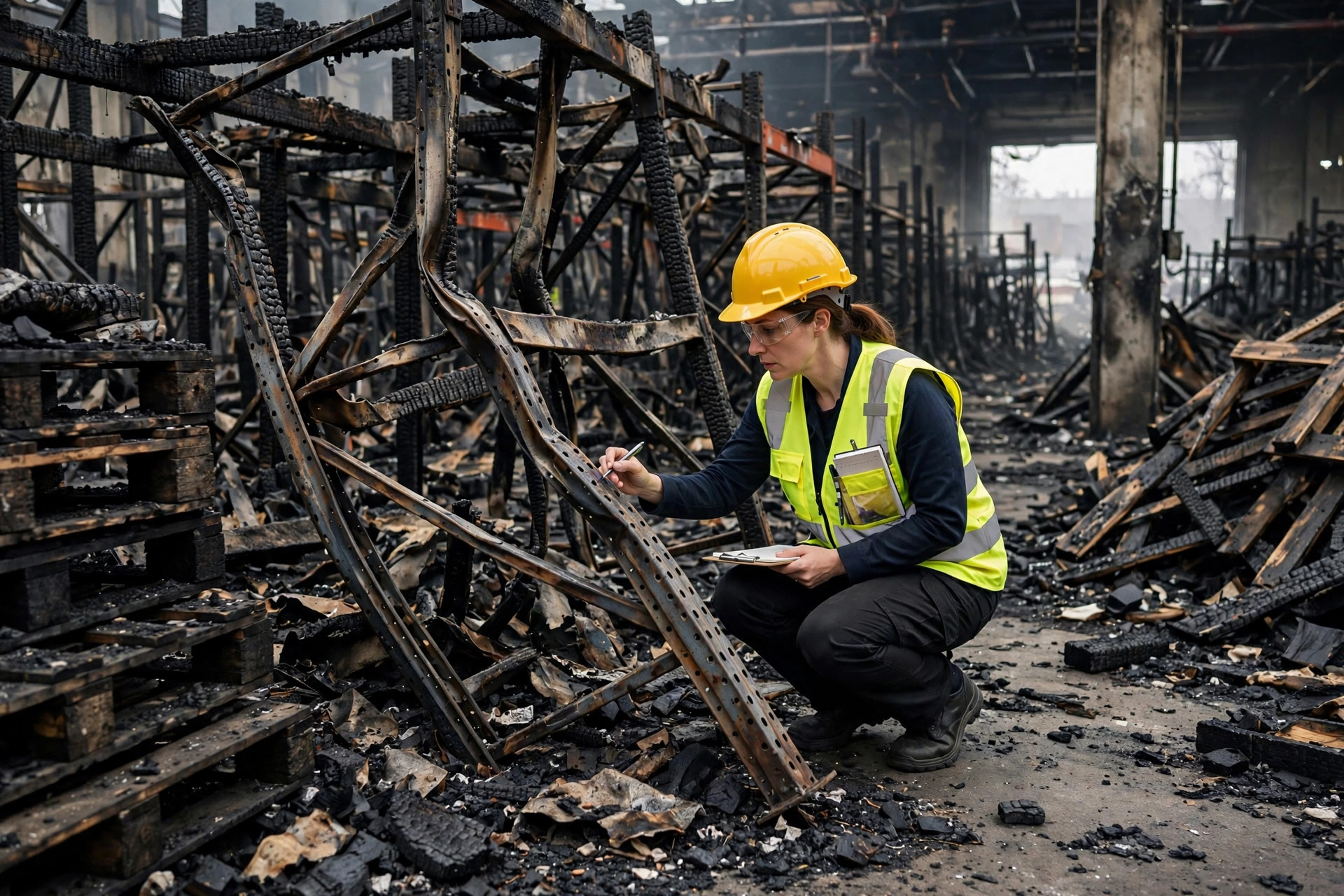
Do the Math: Three Months Dark, Premium vs. Loss
Numbers talk. Industry data first: per Allianz's claims analysis, fire and explosion are the number one cause of business interruption losses worldwide — about 30% of all of them. A warehouse fire isn't a black swan. It's the top killer.
Now the time math. A standard policy has a 48- to 72-hour waiting period — the first two or three days pay zero. The restoration period typically runs up to 12 months. Say your warehouse burns and you're dark for 90 days: 90 minus 3 days of waiting period leaves 87 days of lost net income and fixed costs theoretically covered.
Then the premium math. For a small business, this kind of coverage bundled into a business owner's policy runs about $40–$100 a month, or $500–$2,500 a year. Read that again: a couple thousand a year against losses that can blow past that number in a single week of forced closure. The math isn't close. The only way you lose is betting it can't happen to you.
But sellers have their own special math, because there are three losses insurance won't touch: one, your ad spend keeps burning while you're out of stock and your ACoS goes through the roof; two, if your FBA inventory was in the burned batch, restocking runs on ocean-freight timelines — miss peak season and the whole year is wasted; three, rebuilding rankings takes months, and there's no line item in the policy for lost organic traffic.
So here's my formula: treat the premium as buying a floor under your cash flow. If disaster hits, insurance covers the cash; rankings you have to win back yourself. You need both hands.
Five Traps Sellers Walk Straight Into
Trap one: thinking the 3PL's insurance covers you. The biggest trap. A standard policy only covers the policyholder's own premises. Your goods in their warehouse, your store is your store — their policy has nothing to do with you. Want protection? Buy your own contingent business interruption coverage and name your 3PL on it.
Trap two: underinsuring, then getting paid pro-rata. Most policies have a co-insurance clause: actual coverage divided by required coverage equals your payout ratio. Say your annual net income is $600k but you only bought $300k of coverage — the insurer pays half your loss. Save pennies on premium, lose dollars on claims.
Trap three: forgetting the waiting period. Zero coverage for the first 48–72 hours. Three days of payroll and rent out of your own pocket. For a cash-tight seller, those three days can be the three days that break you.
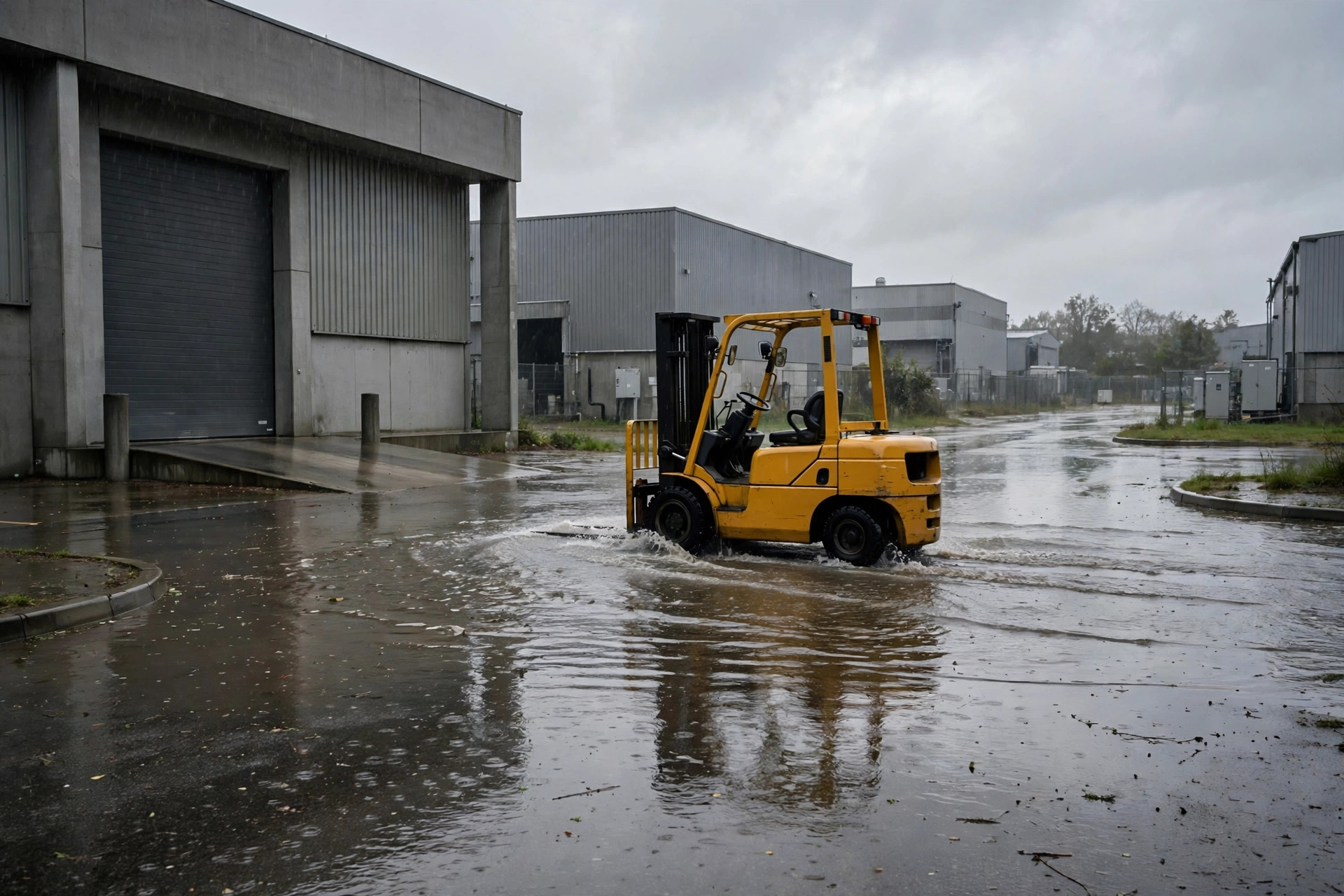
Trap four: assuming flood and earthquake are covered. They're not, by default. Business interruption follows the property policy — what property doesn't cover, BI doesn't cover either. If your warehouse sits in a flood zone, endorse it separately.
Trap five: messy books, unprovable income. Insurers don't pay "what I think I could've made." They pay what's documented. Amazon settlement reports, purchase invoices, payroll records — archive them now. On claim day, those documents are money.
Is Business Interruption Insurance Worth It? Four Questions
Don't let a broker decide for you. Ask yourself four questions:
One: is 100% of your inventory in a single warehouse? If yes, your risk is maxed out.
Two: if you're out of stock for more than two weeks, does your cash flow survive? If not, this insurance is your lifeline.
Three: has your 3PL ever shown you their certificate of insurance? If not, ask for it first, then decide what to buy yourself.
Four: three months before peak season — are you feeling lucky? If not, get it done now.
Here's the counter-intuitive truth: small sellers need this insurance the most and can afford it the least. Big sellers split inventory across warehouses — one burns, they ship from another; deep cash reserves, three months dark won't kill them. Small sellers? One warehouse, one batch of goods, two months of cash. One fire and it's game over. The people who need it most can least afford it. That's reality.
But flip it around: $500–$2,500 a year in premium is $40–$200 a month — less than a day of ad spend for most of us. On the day disaster hits, that's the only buffer between you and shutting down. Worth it? You do the math.
What I did last year: every renewal season, I ask my 3PL for the current year's certificate of insurance and confirm their coverage didn't shrink; I keep my own stock fully insured; and I had my broker add a contingent business interruption endorsement naming my 3PL. Three documents, one afternoon a year, done for good.
This one I actually tested — not because I ever filed a claim, but because I finally sleep well at night.
By Ah K, E-commerce Seller (5 yrs)